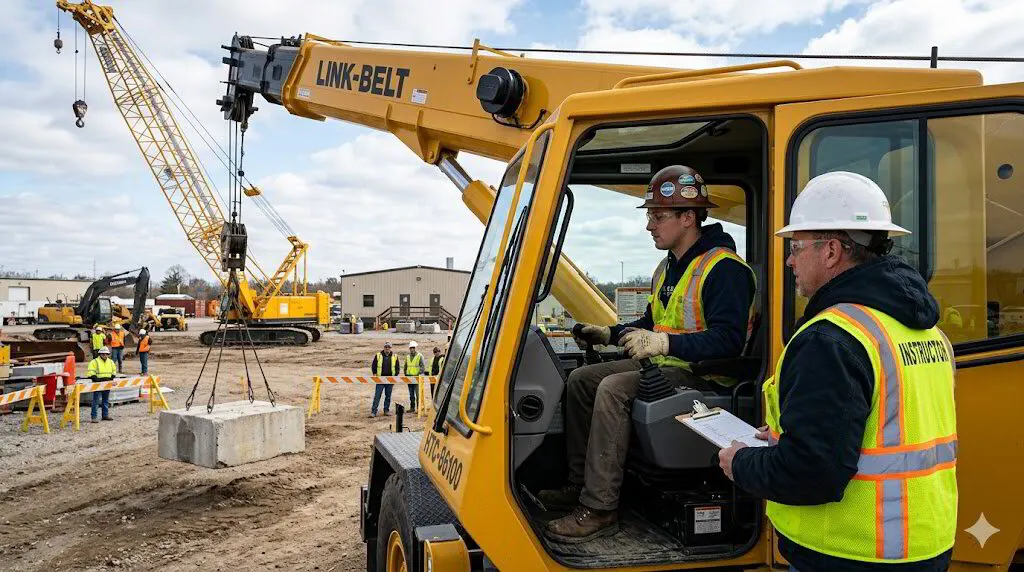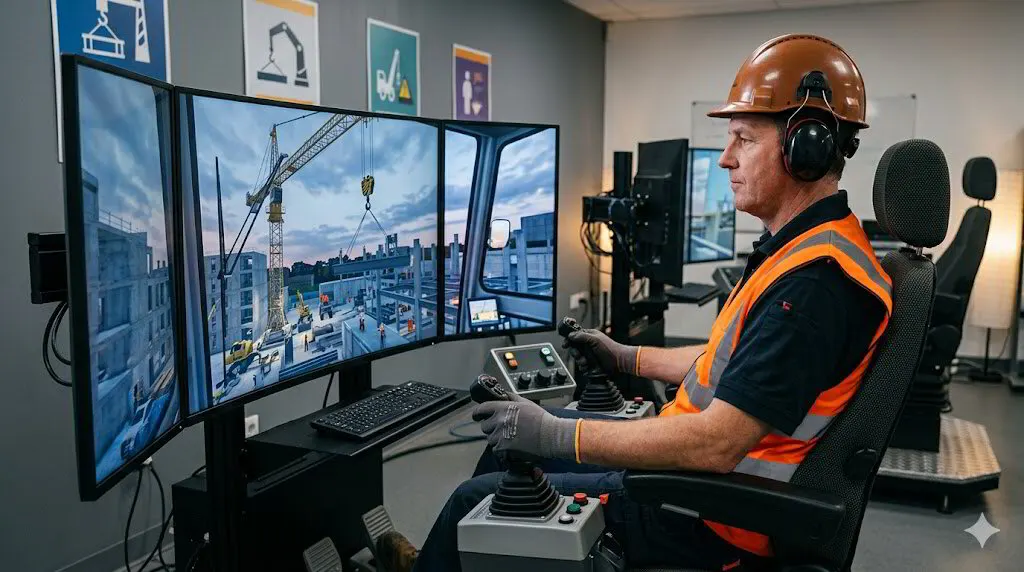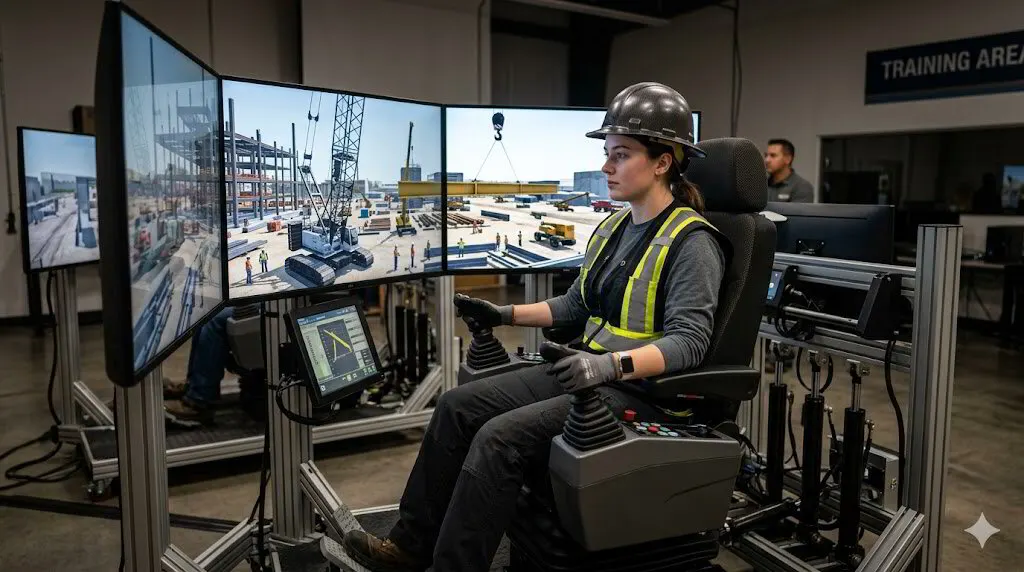

An NCCCO card is not a magic ticket, and it doesn't replace experience. It does solve specific problems for operators and the contractors who hire them. Here is what it really does.
It meets the federal certification requirement
Texas has no state crane license, so the federal OSHA crane rule is what counts on most private construction sites. Under 29 CFR 1926.1427, an operator must be certified by an accredited testing organization for the type and capacity of crane, or qualified through an audited employer program. NCCCO's programs are accredited, so its certification satisfies the operator certification part of that rule.
For a contractor, hiring a certified operator removes one compliance question. For you, it means you can be put to work on covered equipment once the employer completes its own evaluation.
It travels with you
An employer-run qualification program ties your credential to that employer. NCCCO certification belongs to you. If you change companies, move from Dallas to the Permian Basin, or take a job out of state, the card goes with you. That portability matters in an industry where many operators work for several contractors over a career, or move between rental companies and project crews.
Employers can verify a card through NCCCO's online verification, which saves them a phone call and saves you from carrying paperwork.
It proves things that are hard to see in an interview
A hiring superintendent can watch you drive a crane, but cannot easily tell whether you understand load chart notes, deductions and range diagrams. The NCCCO written exams test exactly those things, along with site conditions, operations and regulations. Passing them is evidence that you can do the math behind the lift, not just the lift.
The practical exam adds evidence of control: smooth, accurate moves under time limits with a test weight.
It is specific, and that is useful
NCCCO certifies by crane type. A card that lists telescopic swing cab, lattice boom crawler or tower crane tells an employer precisely what you have been tested on. In Texas, where work ranges from tower cranes on Dallas and Austin buildings to crawlers on Gulf Coast plants and highway jobs, that specificity helps match operators to work.
What it doesn't do, and keeping it current
- It doesn't replace the employer's evaluation on the actual crane and tasks, which OSHA requires.
- It doesn't cover crane types you were not tested on.
- It doesn't last forever. Certification runs for five years; you recertify to keep it.
- It doesn't substitute for judgment you only build on real jobs.
Knowing these limits keeps expectations realistic and helps you plan your next credential.
Recertification is easier to manage if you plan for it. NCCCO requires recertification before the five-year term ends, with a written exam and documented operating experience; if you don't have enough recent seat time, a practical exam is required too. Check NCCCO's current recertification requirements well before your expiration date.
Put the expiration date on your phone calendar now, and keep a simple record of the hours and crane types you operate each year. When the time comes, you'll have what you need without hunting for old timesheets.
Getting certified through Miller Crane Works
We prepare students for NCCCO written and practical exams at our Seagoville yard, which is also an NCCCO practical exam site. Choose a course by crane type: the Mobile Crane Operations Fixed/Swing Cab 40 Hours course for telescopic cranes, the Mobile Crane Operations Lattice 40 Hours course for crawlers, or the Tower Crane Operations 40 Hours course for tower cranes. Newer operators may need the 120-hour mobile crane course instead.
Questions about NCCCO certification in Texas
Is NCCCO certification required by Texas law?
Texas has no state crane license. Federal OSHA rules require operator certification on construction sites, and NCCCO is the credential most Texas contractors accept.
Can an employer check my NCCCO certification online?
Yes. NCCCO offers online verification of certification status.
Does my NCCCO card cover every crane I might run?
No. It lists the crane types you passed. To run another type, you need to pass that type's exams.