
What Does a Crane Operator Actually Do?
What does a crane operator do? They lift and place heavy loads safely, working with riggers and signal persons to move materials where a job needs them. Here's a look at the work, the skills and how to start training at our Seagoville, TX facility near Dallas.
- Plan and control lifts on construction and industrial sites
- Read load charts and inspect the crane every shift
- Work as part of a lift team
Ask About Training
Tell us about your experience and goals — we'll get back to you shortly.
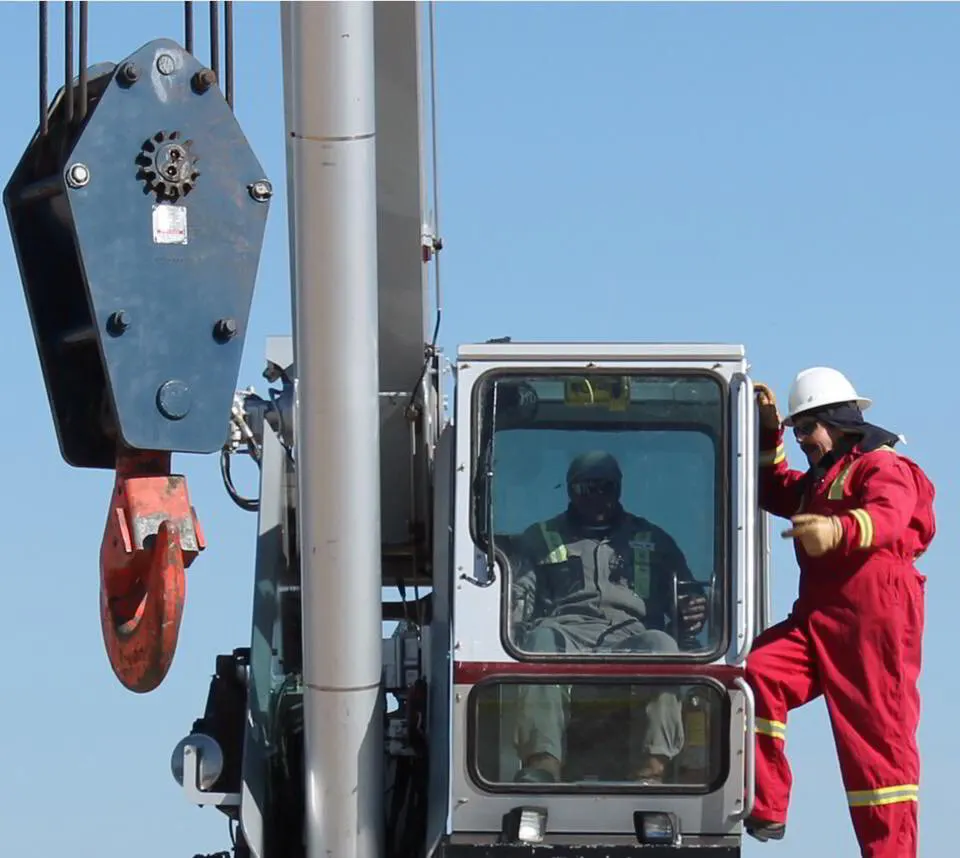 A Day on Site
Inside a Crane Operator's Shift
A shift starts before the first lift. The operator inspects the crane, checks the site and ground conditions and reviews the lift plan with the crew.
Then the real work begins: reading the load chart, setting up the crane, following the signal person's directions and moving each load smoothly and precisely. When the job's done, the crane is secured and shut down properly.
- Pre-shift crane inspection
- Site and ground assessment
- Load chart checks before every pick
- Communication with riggers and signal persons
The Cranes Operators Run
Most operators specialize in a crane type. Each one has its own certification path.
Telescopic Boom Cranes
Fixed and swing cab mobile cranes used across construction and industry. See fixed/swing cab training.
Lattice Boom Cranes
Crawler and truck cranes for heavy, long-reach lifts. See lattice training.
Tower Cranes
The fixed cranes that build high-rises and large commercial projects. See tower training.
What Makes a Good Crane Operator
Precision & Control
Smooth, deliberate movements keep loads steady and crews safe.
Math & Load Charts
Operators calculate capacity for every lift using the manufacturer's load chart.
Awareness
Good operators watch the load, the crew, the weather and the site at once.
Communication
Operators follow hand, voice and radio signals and speak up when something isn't right.
Mechanical Sense
Knowing the machine helps operators spot problems during inspections.
Safety Discipline
The best operators never skip a step, even on routine lifts.
How to Become a Crane Operator
The typical path from interest to certification.
Choose a crane type
Decide whether you want to run telescopic, lattice or tower cranes.
Get trained
Enroll in an approved course that includes classroom work and seat time.
Pass the written exams
Show you understand crane operation, safety and load charts.
Pass the practical exam
Demonstrate inspection, load handling, signals and shutdown on the crane.
Keep building experience
Work alongside experienced operators and keep sharpening your skills.
Start Your Path to the Seat
Frequently Asked Questions
What does a crane operator do each day?
A crane operator inspects the crane, assesses the site, checks the load chart, sets up the crane and makes lifts while following signals from the crew. At the end of the shift, the crane is secured and shut down.
Do crane operators need to be certified?
Many employers and job sites require NCCCO certification. Certification involves passing written exams and a practical exam for your crane type.
How long does it take to become a crane operator?
It depends on the course you choose and your experience. Our operator courses come in 20-, 40- and 120-hour options, plus premium programs. We'll help you choose the right one.
What skills do crane operators need?
Precision, focus, basic math for load charts, clear communication and a strong commitment to safety.
Where can I train to become a crane operator?
Miller Crane Works trains operators at our facility in Seagoville, TX, near Dallas. Students from other states travel here to train. See how to enroll.
Ready to Become a Crane Operator?
Tell us which crane interests you and we'll recommend a course and explain your funding options.