
What to Expect at Crane School
Wondering what to expect at crane school? At Miller Crane Works, training mixes classroom lessons, load chart practice and supervised seat time in our Seagoville, TX yard near Dallas, all leading to your NCCCO written and practical exams.
- Classroom and load chart sessions
- Hands-on time on real cranes and a simulator
- Clear preparation for NCCCO exams
Ask a Question
Tell us about your experience and goals — we'll get back to you shortly.
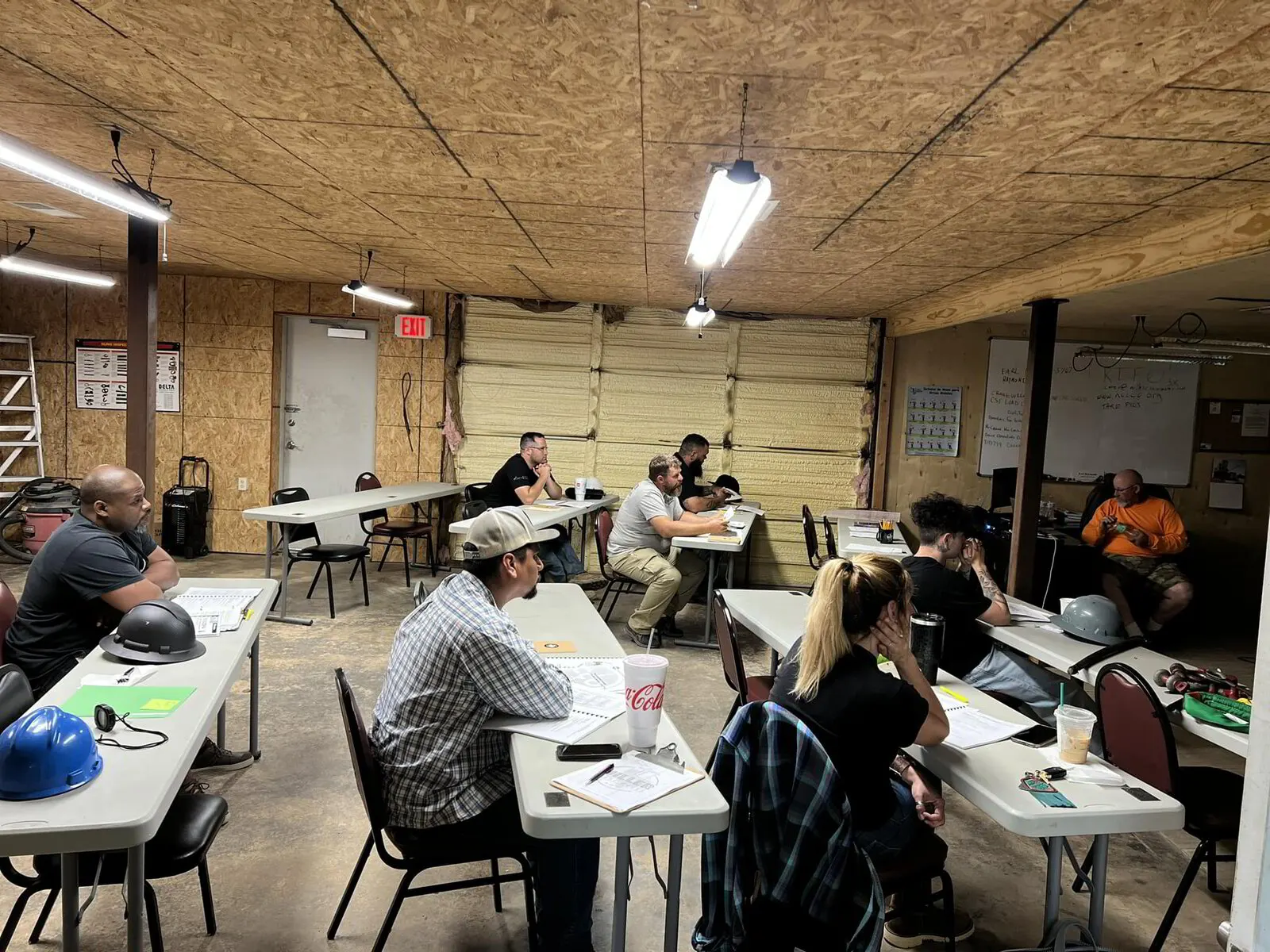 Classroom
Getting Ready for Your First Day
Once you're enrolled, we'll confirm your class dates and answer any travel questions. On your first day, you'll meet your instructor, review safety expectations and get an overview of the course.
Come ready for both classroom and outdoor yard work.
- A valid government-issued photo ID
- Work boots and clothes suited to outdoor work
- Weather-appropriate layers for the Texas climate
- A notebook, a pen and a basic calculator
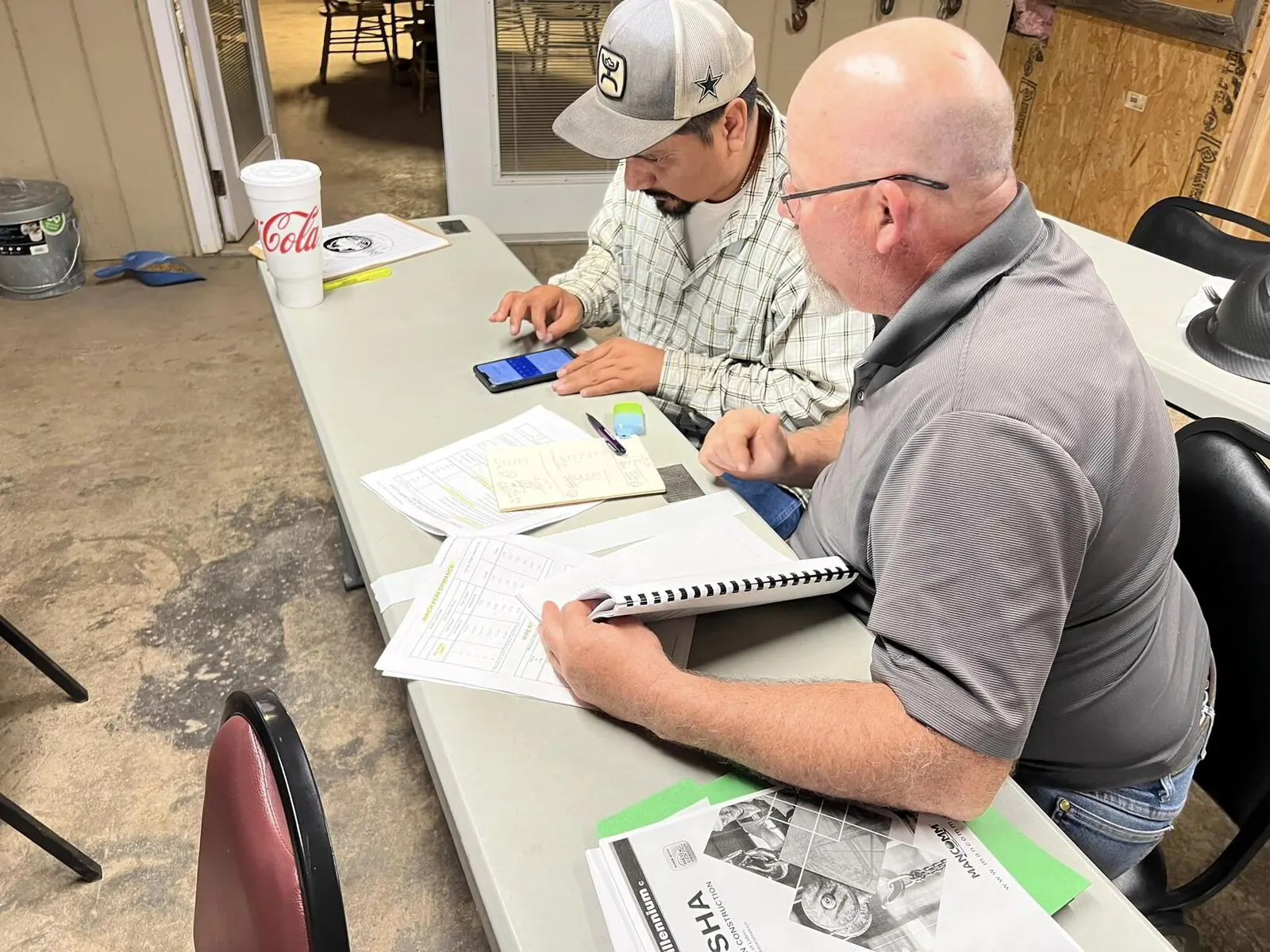 Load Charts
Building the Knowledge Behind Every Lift
Classroom sessions cover crane components, safety rules and — most important — load charts. You'll learn to calculate capacity and understand how radius, boom length and configuration change what the crane can lift.
These lessons prepare you for the NCCCO written exams and for making safe decisions in the yard. Every approved course includes this foundation.
- Crane components and terminology
- Load chart reading and calculations
- Site set-up and ground conditions
- Signals and lift communication
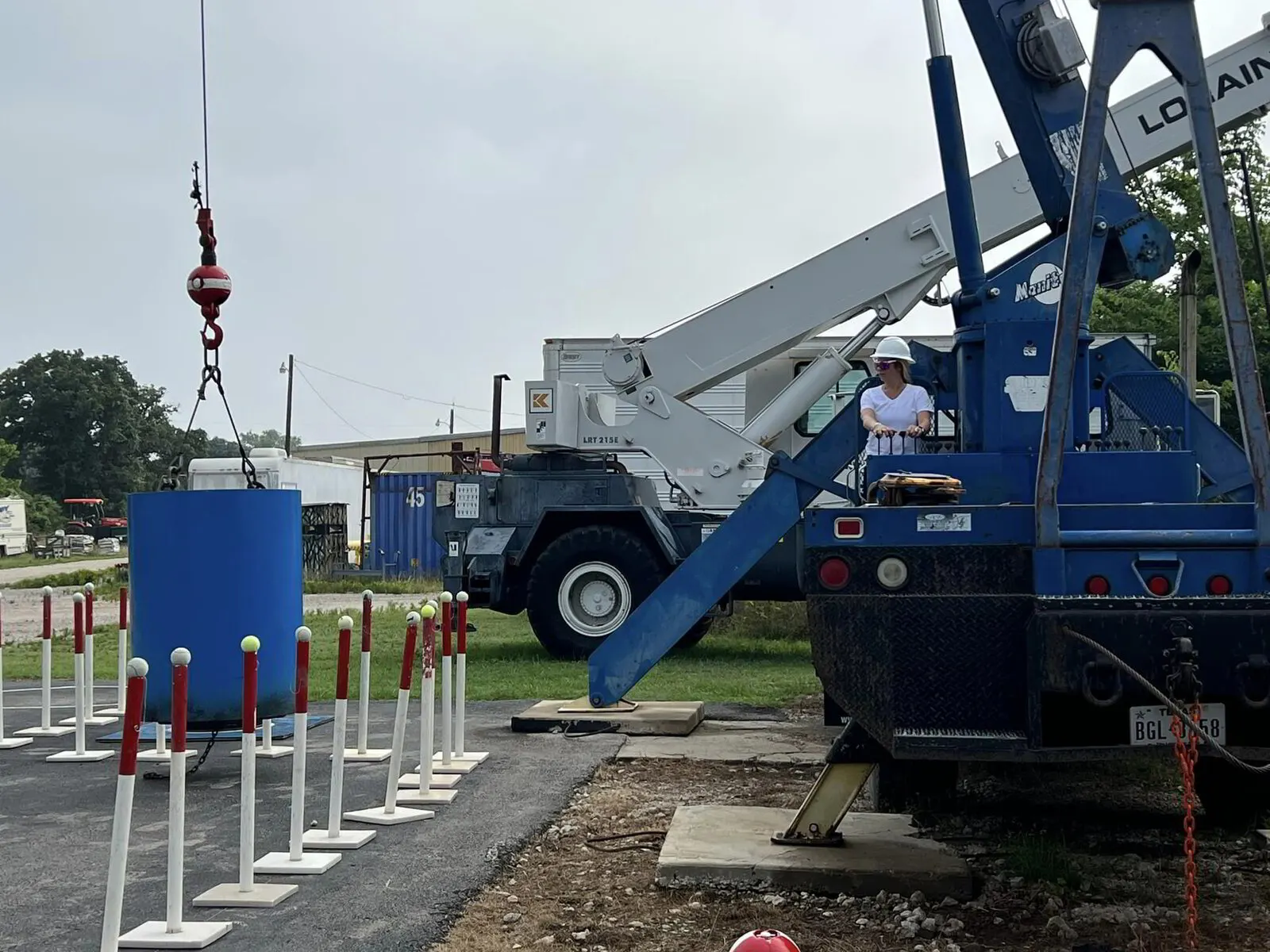 Training Yard
Seat Time on Real Cranes
Yard days put you in the operator's seat. With an instructor coaching you, you'll inspect the crane, set it up and practice controlled load handling on our practical course.
Premium programs also include time on our crane simulator. Every session builds toward the tasks on your practical exam.
- Supervised operation on your crane type
- Repeated practice on exam-style tasks
- Feedback after every run
What the NCCCO Practical Exam Covers
The practical exam checks four core skills on the crane you're certifying on.
Pre-Operational Inspection
Show the shift inspection that confirms the crane is safe to operate — controls, safety devices, fluids and key components.
Operational Tasks
Perform precision load-handling tasks that test your control as you move the load through set courses and targets.
Hand Signals
Recognize and respond correctly to the standard crane hand signals used by a signal person.
Shutdown Procedures
Show the correct steps to secure and shut down the crane safely when the job is done.
Frequently Asked Questions
What happens on the first day of crane school?
You'll meet your instructor, go over safety expectations and get an overview of the course before starting classroom work.
How much of the training is hands-on?
Every operator course combines classroom time with supervised seat time in our yard. Longer courses include more seat time. Ask us about the balance in your course.
What should I wear to training?
Wear work boots and clothes suited to outdoor work, and bring layers for changing Texas weather. We'll let you know about any other gear when you enroll.
What does the NCCCO practical exam test?
It tests pre-operational inspection, operational load-handling tasks, hand signal response and shutdown procedures on your crane type.
Can I practice before my exam?
Yes. Your course includes practice on exam-style tasks, and our chart practice before class help you review for the written exams.
Know What to Expect. Now Take the First Step.
Ask about class dates, admission and funding for your course at our Seagoville facility.