
The construction and heavy lifting industries depend on skilled crane operators who can safely and efficiently manage complex lifting operations. With construction projects becoming increasingly sophisticated and safety regulations more stringent, the demand for certified crane operators has reached unprecedented levels. Whether you're entering the construction field or advancing your career, finding quality crane training classes near me has become a critical step toward professional success.
Crane operation is far more than simply moving materials from point A to point B. It requires comprehensive understanding of load dynamics, weather conditions, equipment limitations, and safety protocols. A single miscalculation can result in catastrophic accidents, property damage, or loss of life. This reality makes proper training not just beneficial, but absolutely essential for anyone operating these powerful machines.
Industry standards, particularly those established by the National Commission for the Certification of Crane Operators (NCCCO), have become the gold standard for crane operator competency.
These certifications ensure operators possess both theoretical knowledge and practical skills necessary to perform their duties safely. Employers increasingly require NCCCO certification as a prerequisite for employment, making professional crane operator training an investment in your future career prospects and earning potential.
What to Look for in Crane Training Classes
Selecting the right crane training program requires careful evaluation of several critical factors that directly impact the quality of your education and certification success. Understanding these elements will help you make an informed decision when searching for crane training classes near me.
Trainer Qualifications and Credentials
The expertise of your instructors forms the foundation of quality training. Look for programs led be certified instructors with extensive field experience and current NCCCO credentials. Qualified trainers should possess both technical knowledge and practical experience operating various crane types. They should maintain active certifications and participate in ongoing professional development to stay current with industry changes and safety updates.
Training Format and Methodology
Effective crane operator training combines classroom instruction with hands-on practical experience. Classroom sessions should cover theoretical concepts including load calculations, rigging principles, safety regulations, and equipment specifications. However, practical training sessions are equally crucial, providing opportunities to operate actual equipment under supervised conditions. The best programs offer substantial equipment practice time, allowing students to develop muscle memory and confidence before certification testing.
Location and Accessibility Considerations
Training location significantly impacts your learning experience and costs. Local programs eliminate travel expenses and accommodation needs while allowing you to maintain work-life balance during training. However, don't compromise quality for convenience. Some specialized training, particularly for tower crane courses or lattice crane courses, may require traveling to facilities with appropriate equipment.
Financial Investment and Options
Certified crane operator courses represent a significant financial investment, with costs varying based on program duration, equipment access, and certification levels. Compare total program costs including materials, testing fees, and equipment usage. Many providers offer financing options, payment plans, or employer sponsorship programs. Some companies reimburse training costs upon successful completion and employment commitment.
Schedule Flexibility and Program Duration
Training schedules should accommodate your current employment and personal commitments.
Weekend programs, evening classes, and intensive boot camps offer different approaches to certification. Consider your learning style and availability when evaluating options. Rushed programs may not provide adequate practice time, while extended programs might delay your entry into higher-paying positions.
Comparing Crane Training Providers
The crane training landscape includes various providers, each offering distinct advantages and specializations. Understanding these differences helps identify the program best suited to your career goals and learning needs.
National Training Organizations
Large national providers typically offer standardized curricula across multiple locations, ensuring consistent quality and recognized credentials. These organizations often have extensive resources, modern equipment fleets, and established relationships with major employers.Miller Crane Works does not offer job placement. However, national providers may lack local market knowledge and personal attention that smaller programs provide.
Regional and Local Training Centers
Local training providers offer intimate class sizes, personalized instruction, and deep understanding of regional employment opportunities. These programs often maintain strong relationships with local contractors and can provide valuable networking opportunities. Instructors at regional centers frequently have extensive local experience and can share insights about specific job sites, employers, and market conditions. The trade-off may be limited equipment variety or fewer specialized course offerings.
Equipment Manufacturer Programs
Some crane manufacturers offer training programs focused on their specific equipment lines.
These programs provide in-depth knowledge of particular crane models and may include factory-direct technical support. Manufacturer training can be valuable for operators planning to specialize in specific equipment brands, but may not provide the broad-based knowledge needed for diverse job opportunities.
Course Offering Comparisons
Mobile crane courses represent the most common training type, covering hydraulic cranes used in construction and industrial applications.
Tower crane courses focus on the fixed cranes used in high-rise construction, requiring specialized knowledge of assembly, climbing procedures, and load management in confined spaces.
Lattice crane courses cover crawler cranes and conventional truck cranes with lattice booms, essential for heavy lifting applications in industrial settings. Many programs also offer rigger and signal person certification, providing comprehensive training for the entire lifting team.
This integrated approach ensures better communication and coordination during complex lifting operations.
Certification Recognition and Industry Acceptance
The most reputable programs prepare students for NCCCO certification testing, the industry standard recognized by employers nationwide. Some providers offer their own certifications, but these may have limited recognition outside specific regions or companies. Verify that your chosen program's graduates consistently pass NCCCO examinations and find employment with reputable contractors.
Unique Program Features
Leading training providers distinguish themselves through additional services and features.Miller Crane Works does not offer job placement. Others provide ongoing support, including recertification training and continuing education opportunities.
Advanced programs may include simulator training, allowing students to practice challenging scenarios safely before operating actual equipment.
The Benefits of NCCCO Certification
NCCCO certification represents the pinnacle of professional recognition in the crane operation industry, providing tangible benefits that extend throughout your career. This nationally recognized credential demonstrates your commitment to safety, professionalism, and technical competency.
Career Advancement Opportunities
Certified operators command significantly higher wages than their uncertified counterparts, with salary premiums often exceeding 20-30%. NCCCO certification opens doors to premium job opportunities with established contractors who prioritize safety and quality. Many supervisory and specialized positions require certification as a minimum qualification, making it essential for career progression.
The construction industry's project-based nature means certified operators enjoy greater job security and mobility. Contractors actively recruit certified operators, often offering signing bonuses, benefits packages, and advancement opportunities. Certification also facilitates interstate work opportunities, as NCCCO credentials are recognized across all states and territories.
Enhanced Safety Knowledge and Risk Management
NCCCO certification ensures comprehensive understanding of safety protocols, risk assessment, and accident prevention strategies. Certified operators develop systematic approaches to pre-operational inspections, load planning, and hazard identification. This enhanced safety awareness protects not only the operator but also coworkers, property, and the general public.
Insurance companies and safety regulators increasingly recognize the value of certified operators, often providing premium discounts or preferential treatment to companies employing NCCCO- certified personnel. This recognition translates to increased employability and job security for certified operators.
Professional Credibility and Industry Recognition
NCCCO certification provides objective validation of your skills and knowledge, establishing credibility with employers, peers, and clients. The rigorous testing process ensures certified operators possess both theoretical understanding and practical competency. This professional recognition facilitates networking opportunities and career development within the construction industry's tight-knit community.
Real-life Testimonials and Success Stories
The transformative power of quality crane training becomes evident through the experiences of successful graduates who have leveraged their certification to build rewarding careers in construction and heavy lifting industries.
Career Transformation Success
James Rodriguez, a former warehouse worker, discovered crane operation after researching construction trade skills opportunities. "I was stuck in a dead-end job with no advancement potential," Rodriguez explains. "After completing my mobile crane certification, I immediately found employment with a major contractor. My starting salary doubled, and I've been promoted twice in three years. The investment in training changed my entire life trajectory."
Industry Veteran Advancement
Sarah Chen, a construction professional with fifteen years of experience, pursued tower crane certification to expand her skill set. "I had reached a plateau in my career and needed specialized skills to advance," Chen notes. "The tower crane course was challenging, but the instructors provided excellent support.Pay is set by the employer. This school does not state or promise wages. "
Company-Sponsored Training Success
Martinez Construction sponsored five employees through comprehensive rigging training and crane operator courses. Company owner Miguel Martinez reports, "Our productivity increased dramatically after our team completed certification. We can now bid on larger projects and our safety record has improved significantly. The training investment paid for itself within the first year through increased efficiency and reduced insurance costs."
Second Career Achievement
Retired military veteran David Thompson found new purpose through heavy equipment training. "Transitioning from military service was challenging, but crane operation provided a clear career path," Thompson shares. "The structured training environment felt familiar, and the certification opened doors I never expected. I'm now training other veterans and building a successful second career."
Conclusion: Choosing the Right Training Class
Selecting the optimal crane training program requires balancing multiple factors including program quality, location convenience, cost considerations, and career objectives. The most successful students thoroughly research their options, visit training facilities, and speak with graduates before making their final decision.
Remember that crane training represents an investment in your professional future, not merely an expense. Quality programs provide lifetime value through enhanced earning potential, job security, and career advancement opportunities. While cost is certainly a consideration, prioritize programs that offer comprehensive training, experienced instructors, and strong industry connections.
When evaluating crane training classes near me, consider the long-term implications of your choice. Programs that prepare you for NCCCO certification provide the greatest career flexibility and earning potential. Additionally, providers offering ongoing support, recertification services, and continuing education demonstrate commitment to your long-term success.
The construction industry's continued growth ensures strong demand for certified crane operators. By choosing quality training and pursuing NCCCO certification, you position yourself for a rewarding career in this essential industry. Take time to research your options thoroughly, but don't delay indefinitely – opportunities await qualified operators who are ready to begin their professional journey.
Ready to Launch Your Crane Operation Career?
Miller Crane Works offers comprehensive crane operator certification programs designed to prepare you for success in today's competitive construction industry. Our experienced instructors, modern equipment fleet, and proven curriculum have helped hundreds of students achieve NCCCO certification and secure rewarding positions with top contractors.
Visit https://millercraneworks.com/ to explore our mobile crane courses, tower crane training, and specialized rigging programs. Contact us today to discuss how our professional training can transform your career prospects and open doors to exciting opportunities in the construction industry.
-
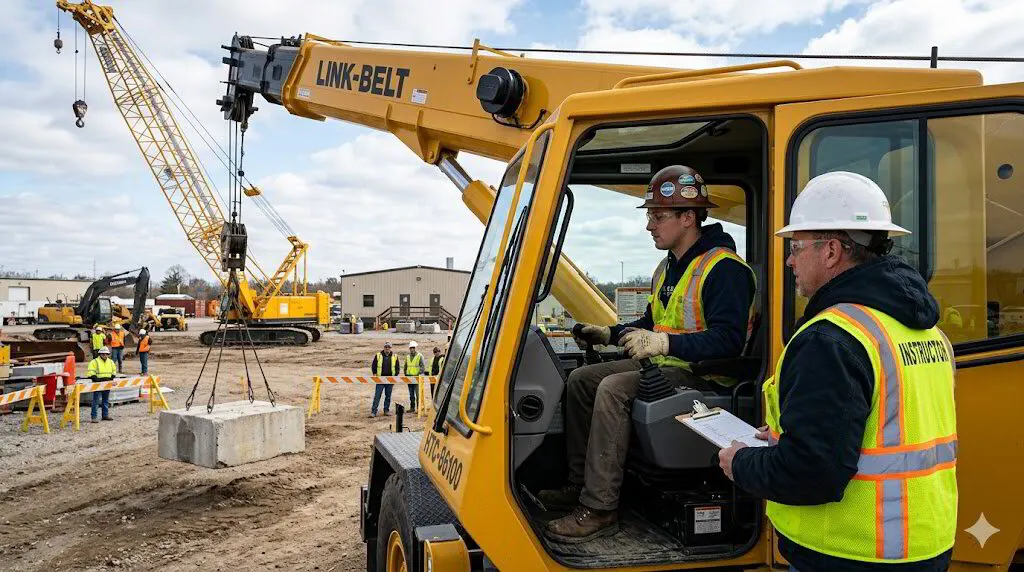 The Ultimate Guide to Crane Operator Field Training Programs: Certification & Career SuccessIn the ever-evolving construction industry, the need for certified crane operators is paramount, making effective…
-
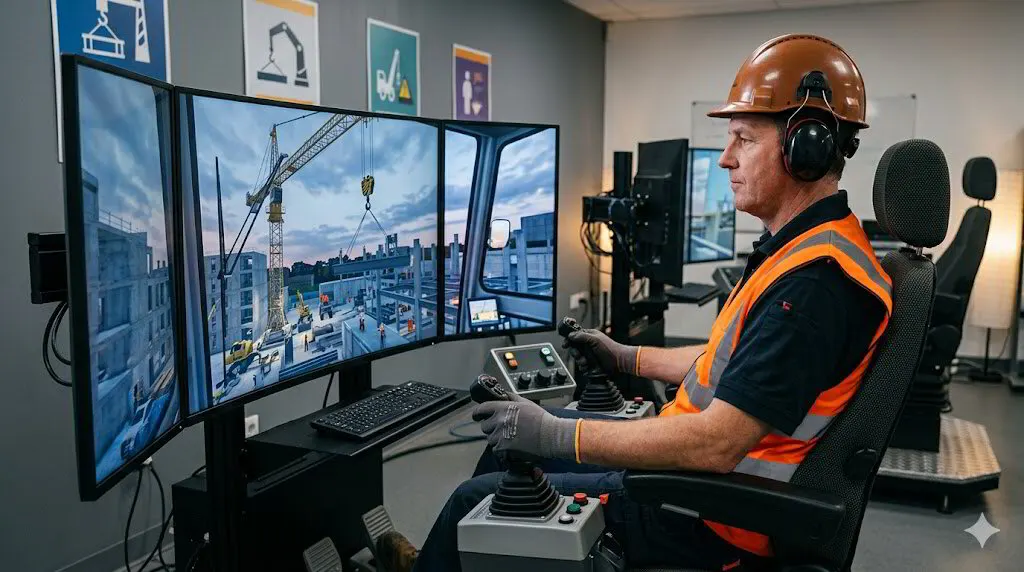 How Crane Simulators Enhance Operator Skills for Safer Construction PracticesAs the construction industry increasingly embraces technology, crane operator training has evolved significantly,…
-
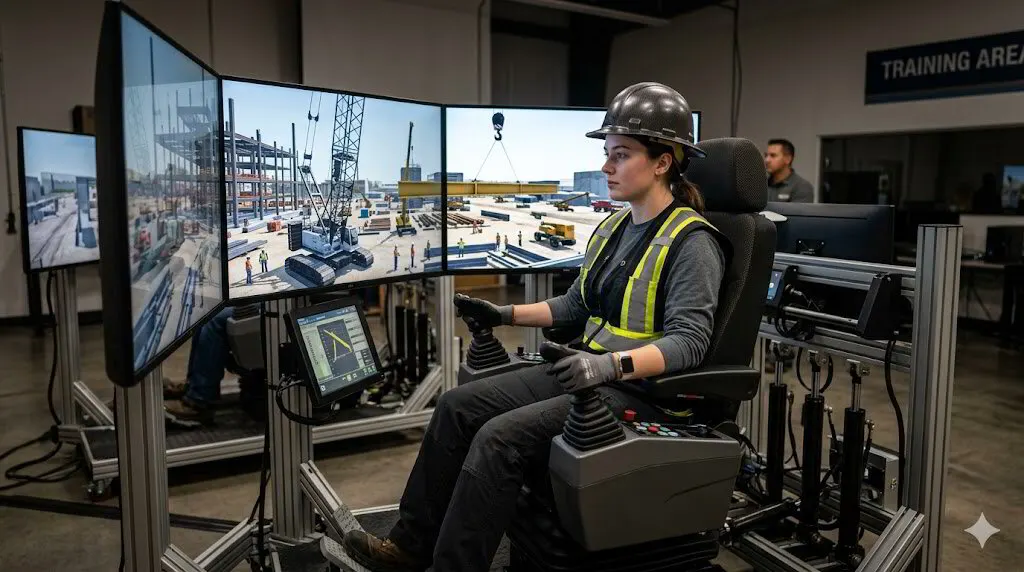 Unlocking Efficiency: The Benefits of Crane Simulator Training for Aspiring OperatorsCrane simulator training is revolutionizing the skill development of aspiring crane operators, offering a safe and…