Unlocking Efficiency: The Benefits of Crane Simulator Training for Aspiring Operators
Introduction
The construction industry continues to evolve with technological advancements that revolutionize how professionals acquire essential skills. Among these innovations, crane simulator training has emerged as a game-changing approach to developing competent crane operators. This training method combines the safety of a controlled setting with the realism of actual crane operations, giving new operators a strong way to learn.
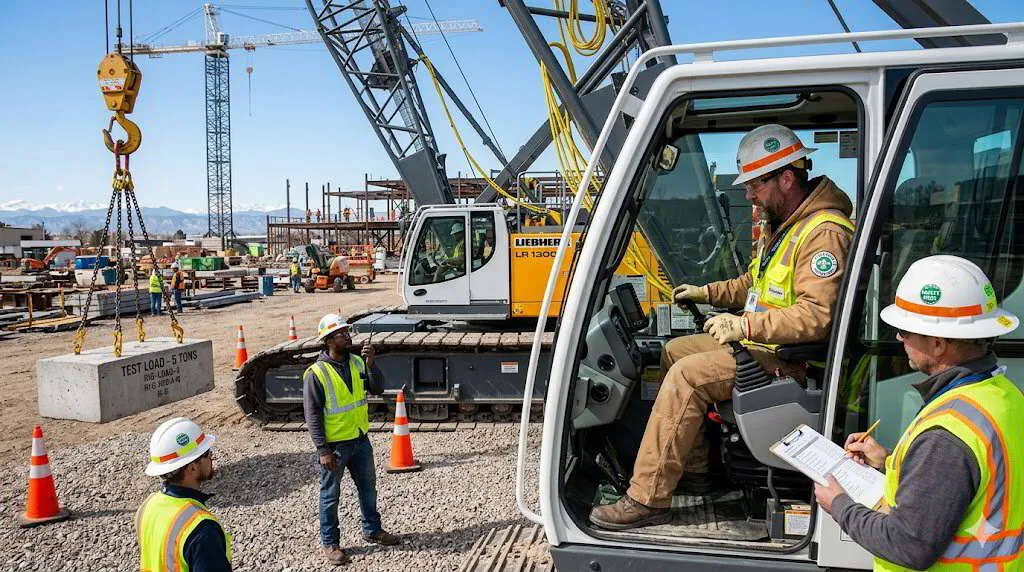
Crane operation requires precision, expertise, and unwavering attention to safety protocols. Traditional training methods, while effective, often present challenges including equipment availability, weather dependencies, and safety concerns during the learning process. Crane simulator training addresses these limits with consistent, controlled and thorough practice that prepares operators for real-world work.
As construction projects become increasingly complex and safety regulations more stringent, the demand for highly skilled crane operators continues to grow. Organizations seeking NCCCO certification for their workforce often choose training programs that include simulator practice. This advanced approach to heavy equipment training ensures operators develop both technical competency and safety awareness before handling actual equipment on construction sites.
Simulator-based learning matters to construction professionals, training organizations and new crane operators who want to do well in this demanding field and keep safety standards high.
What is Crane Simulator Training?
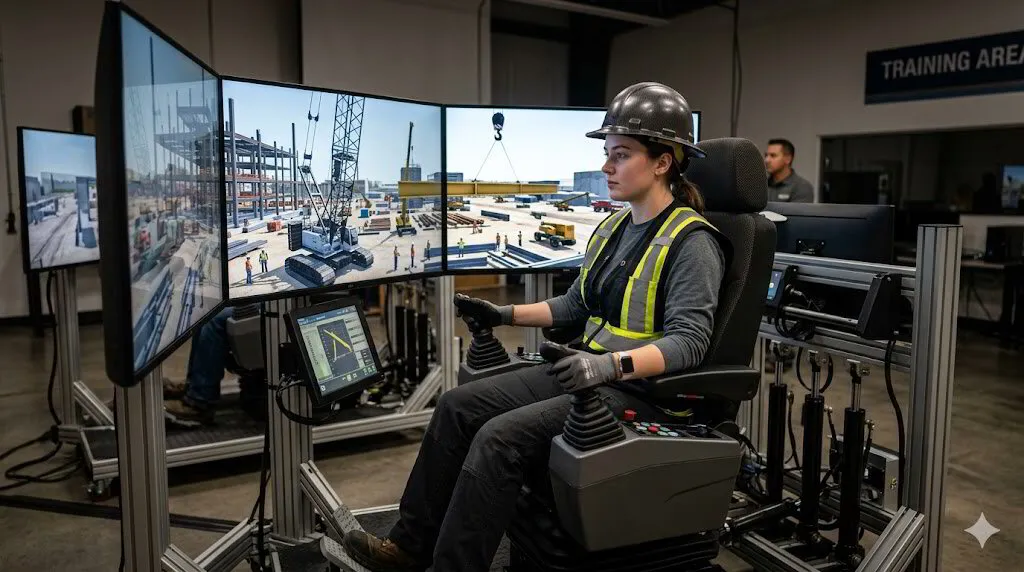
Crane simulator training represents a sophisticated educational approach that utilizes advanced computer technology to replicate real-world crane operations in a controlled, virtual environment. This innovative training methodology employs high-fidelity simulators equipped with authentic controls, realistic physics engines, and immersive visual displays that accurately mirror the experience of operating various crane types without the associated risks of actual equipment handling.
Modern crane simulators incorporate multiple crane configurations, including mobile cranes, tower cranes, and lattice boom cranes, allowing trainees to experience diverse operational scenarios. These systems feature authentic cab environments with functional joysticks, switches, and control panels that respond identically to their real-world counterparts. The software simulates load dynamics, weather, and site conditions that operators face on real construction sites.
Crane simulators use motion platforms that give tactile feedback, multi-screen displays with 360-degree visibility, and instrument panels that show key operating data. These simulators can replicate various jobsite conditions, from urban construction environments to industrial facilities, ensuring trainees experience diverse operational contexts during their crane operator training.
Training scenarios within these systems range from basic load handling exercises to complex multi-crane coordination tasks. The simulators can generate emergency situations, equipment malfunctions, and challenging weather conditions, allowing operators to develop problem-solving skills and emergency response capabilities in a safe environment. This approach gives students exposure to operating challenges before they move to actual equipment.
Different types of simulators serve specific training purposes. Desktop simulators provide cost-effective basic training for fundamental concepts and procedures. Full-motion simulators offer the most realistic experience with complete physical feedback systems. Virtual reality simulators are a newer option. They help operators judge space and distance and work with precision, which helps in NCCCO certification preparation.
Key Benefits of Crane Simulator Training
Better Safety and Reduced Risks
The main benefit of crane simulator training is safety. Traditional crane operator training inherently involves risks associated with heavy equipment operation, particularly during the initial learning phases when operators are developing fundamental skills. Simulator training eliminates these safety concerns by providing a completely controlled environment where mistakes become learning opportunities rather than potential safety hazards.
Trainees can practice high-risk scenarios repeatedly without endangering themselves, equipment, or surrounding personnel. This includes practicing emergency procedures, load swing control, and equipment malfunction responses that would be dangerous to replicate during live training sessions. The simulator environment allows instructors to introduce challenging situations progressively, building operator confidence and competency before transitioning to actual equipment operation.
Real-Time Feedback and Skill Assessment
Advanced simulator systems provide immediate, detailed feedback on operator performance, enabling precise skill assessment and targeted improvement strategies. These systems monitor every aspect of crane operation, including load positioning accuracy, operational efficiency, safety protocol adherence, and equipment handling techniques. Instructors get detailed data that shows where each student needs more work.
This immediate feedback mechanism accelerates the learning process significantly compared to traditional training methods. Operators see the results of their actions right away and learn how control inputs affect the crane and the load. The detailed performance metrics help both instructors and students track progress objectively, ensuring training goals are met before advancing to more complex operations.
Cost-Effective Training Solutions
Construction training programs benefit substantially from the cost-effectiveness of simulator-based instruction. Traditional training requires expensive equipment allocation, fuel consumption, maintenance considerations, and dedicated training areas. Simulator training eliminates these operational costs while providing unlimited practice opportunities. Multiple students can utilize simulators consecutively without equipment wear or operational delays.
The economic advantages extend to reduced insurance costs, elimination of equipment damage risks during training, and decreased liability exposure. Organizations can train more operators in less time without having to schedule actual equipment. This efficiency translates to faster workforce development and improved return on training investments.
Increased Proficiency and Confidence
Simulator training enables extensive practice opportunities that build operator proficiency and confidence systematically. Students can repeat challenging maneuvers until mastery is achieved, developing muscle memory and operational intuition essential for effective crane operation. The controlled environment allows exploration of equipment capabilities and limitations without fear of consequences.
This practice helps operators start real work with solid basic skills and confidence. The progressive difficulty levels within simulator programs allow students to advance at appropriate paces, ensuring thorough understanding before progressing to more complex operations. This methodical skill development produces more competent operators who are better prepared for NCCCO certification examinations.
Flexibility of Training Schedules
Modern construction training programs require flexibility to accommodate diverse scheduling needs and operational demands. Simulator training provides unprecedented scheduling flexibility, operating independently of weather conditions, equipment availability, or site accessibility. Training sessions can be conducted during any shift, allowing organizations to train personnel without disrupting operational schedules.
This flexibility particularly benefits working professionals seeking rigging and signal person certification or crane operator advancement while maintaining employment responsibilities. Evening and weekend training sessions become feasible, expanding access to professional development opportunities. The consistent availability of simulator training ensures continuous skill development programs that adapt to organizational and individual scheduling requirements.
Comparing Simulator Training to Traditional Training Methods
Safety Considerations
The safety differential between simulator training and traditional methods represents perhaps the most significant distinction in modern heavy equipment training approaches. Traditional crane operator training necessitates operating actual equipment, exposing trainees to inherent risks during their learning curve. These risks include potential equipment damage, load drops, structural contact, and personal injury possibilities that accompany any heavy equipment operation, particularly when performed by inexperienced operators.
Simulator training eliminates these safety concerns entirely while maintaining training effectiveness. Students can experience equipment failures, emergency situations, and challenging operational scenarios without any physical risk. This safety advantage allows instructors to introduce complex situations earlier in the training process, accelerating skill development while maintaining complete safety assurance.
Traditional training also needs extensive safety preparation, including securing the site, planning emergency response and holding full safety briefings before each session. These preparations, while necessary, consume valuable training time and resources. Simulator training bypasses these requirements while still emphasizing safety consciousness and protocol adherence.
Practical Skills vs. Theoretical Knowledge
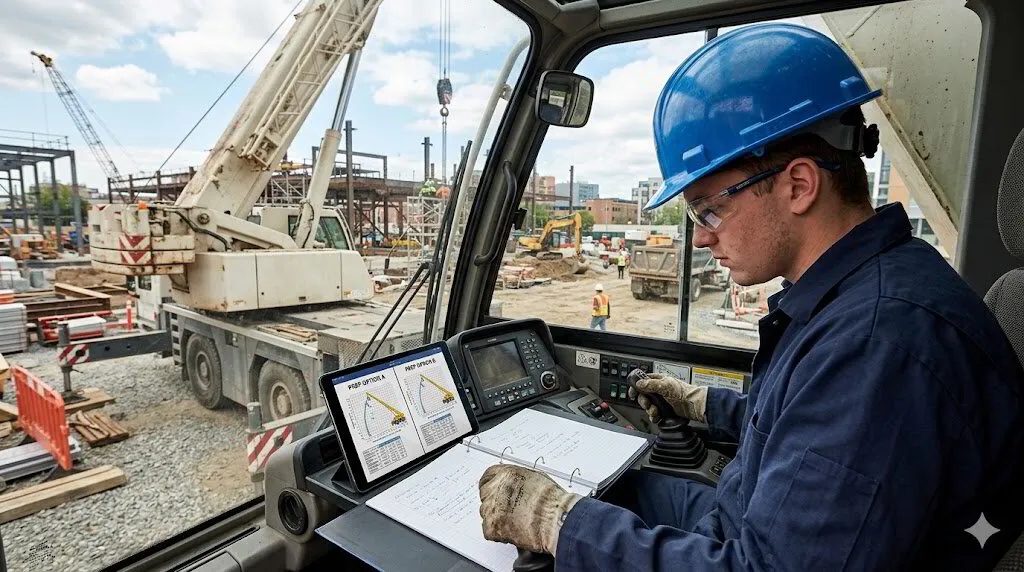
Simulator training and traditional training each build practical skills in different ways. Traditional training provides authentic tactile feedback, actual load handling experience, and real-world environmental factors that cannot be completely replicated artificially. Operators deal with real equipment vibration, actual wind and real visibility problems, which builds well-rounded skills.
However, simulator training offers advantages in theoretical knowledge integration and conceptual understanding. A simulator can show how a crane works, load dynamics, and how safety rules apply, using controlled scenarios. Students can observe the effects of improper techniques immediately and understand the underlying principles governing safe crane operation.
The most effective construction training programs combine both approaches, utilizing simulators for foundational skill development and safety training, then transitioning to traditional methods for practical application and final competency verification. This mixed approach gives operators the benefits of simulator training plus the time on real equipment they need to be competent.
Cost Analysis
Cost also favors simulator training when you look at the full cost of a training program. Traditional training requires substantial equipment allocation, including crane rental or opportunity costs when using company equipment for training rather than revenue generation. Fuel consumption, maintenance requirements, and potential equipment damage during training sessions add substantial operational expenses.
Simulator training involves higher initial capital investment for equipment acquisition but provides long-term cost advantages through unlimited usage without ongoing operational expenses. Multiple training sessions can occur simultaneously using different simulator stations, increasing training capacity without proportional cost increases. The absence of fuel, maintenance, and equipment damage costs creates favorable long-term economics for organizations providing crane operator training.
Insurance and liability considerations also favor simulator training financially. Traditional training carries higher insurance premiums due to equipment operation risks and potential accident exposure. Simulator training reduces these liability concerns substantially, often resulting in lower insurance costs for training organizations and improved risk management profiles.
Who Should Consider Crane Simulator Training?
Aspiring Crane Operators
Individuals entering the crane operation profession find simulator training particularly beneficial for establishing fundamental skills and building confidence before transitioning to actual equipment operation. New operators often experience anxiety and uncertainty when first operating heavy equipment, which can impede learning progress and potentially compromise safety. The benefits of crane simulator training include providing a supportive learning environment where mistakes become educational opportunities rather than safety concerns.
Students preparing for NCCCO certification gain from the wide range of scenarios and steady practice that simulator training offers. The simulators can present the full range of operational situations and challenges that appear on certification examinations, ensuring thorough preparation. Students can practice specific maneuvers repeatedly until achieving mastery, building the competency and confidence necessary for successful certification completion.
Career changers entering the construction industry from other fields find simulator training particularly valuable for developing industry-specific skills efficiently. The controlled learning environment allows rapid skill acquisition without the intimidation factor often associated with heavy equipment operation. This accessibility encourages broader participation in crane operator training programs, helping address industry workforce needs while providing career advancement opportunities for motivated individuals.
Construction Companies and Workforce Training
Construction organizations recognize the strategic advantages of incorporating simulator training into their workforce development programs. Companies can train multiple operators efficiently without removing equipment from productive use, maintaining operational capacity while developing personnel capabilities. This efficiency becomes particularly important during busy construction periods when equipment availability is limited and project deadlines are critical.
Organizations pursuing rigging and signal person certification for their workforce find that simulator training gives consistent, standard instruction so all personnel get the same training. This standardization improves safety outcomes and operational consistency across project teams. The detailed performance tracking capabilities of simulator systems provide documentation supporting certification compliance and training effectiveness verification.
Large construction companies often establish in-house training centers featuring simulator technology, providing ongoing professional development opportunities for their workforce. This investment demonstrates commitment to employee advancement while ensuring access to qualified operators for complex projects requiring specialized crane operation skills.
Importance for Upskilling in Industry
As construction technology changes and projects get more complex, operators need to keep building their skills and specialize. Experienced operators who want to add other crane types or specialized work can use simulator training to get exposure to more equipment. Simulators can replicate various crane configurations, allowing operators to gain familiarity with new equipment types before transitioning to actual operation.
Veteran operators preparing for advanced certifications or supervisory roles find simulator training valuable for refreshing fundamental skills and learning new techniques. The detailed performance analysis capabilities help identify areas for improvement and track skill development progress objectively. This systematic approach to professional development supports career advancement and ensures continued competency in evolving industry standards.
Choosing the Right Crane Simulator Training Program
Factors to Consider When Selecting a Program
Selecting an appropriate crane simulator training program requires careful evaluation of multiple factors that directly impact training effectiveness and career advancement outcomes. The quality and sophistication of simulator technology represents a primary consideration, as advanced systems provide more realistic training experiences and better skill development opportunities. Programs that use current simulators with real controls, realistic physics and a wide range of scenarios give better training value.
Instructor qualifications and experience significantly influence training program quality. Effective programs employ certified instructors with extensive crane operation experience who understand both theoretical principles and practical applications. These instructors share what they have seen on real job sites and walk students through hard operating situations that a simulator alone cannot teach.
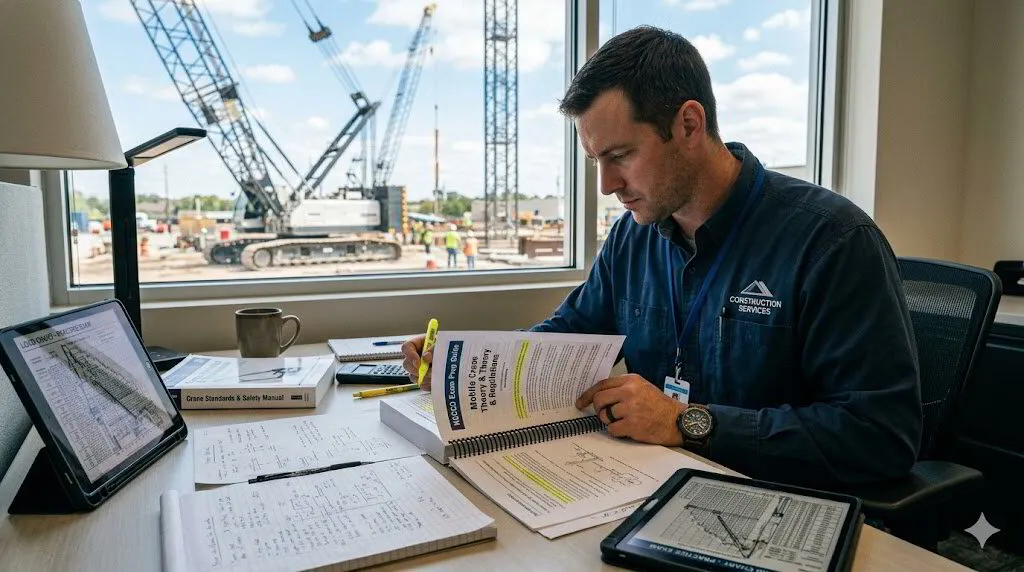
A full curriculum that matches certification requirements prepares students for the job and for NCCCO certification exams. Programs should cover all essential operational aspects, including safety protocols, load calculations, equipment inspection procedures, and emergency response techniques. Combining classroom instruction with simulator practice covers both the theory and the practical skills.
Support for the certification process is another key factor when choosing a program. Quality programs provide clear guidance regarding certification requirements, examination preparation, and career advancement opportunities. Some programs offer direct pathways to certification testing or partnerships with certification organizations that streamline the certification process for graduates.
Overview of Miller Crane Works Offerings
Miller Crane Works provides crane operator training programs that use simulator technology alongside traditional hands-on instruction. Our programs address the diverse needs of aspiring operators, experienced professionals seeking advancement, and organizations requiring workforce training solutions. The combination of simulator training with practical equipment experience ensures graduates receive well-rounded preparation for professional crane operation responsibilities.
Our training facility features simulator systems representing various crane types, including mobile cranes, tower cranes, and lattice boom configurations. These simulators provide realistic training experiences that prepare students for actual equipment operation while maintaining complete safety throughout the learning process. The benefits of crane simulator training come through our curriculum design and expert instruction.
Miller Crane Works offers flexible scheduling options accommodating working professionals and organizational training needs. Our programs include preparation for NCCCO certification, recertification training, and specialized courses for rigging and signal person certification. The integration of simulator training with practical sessions ensures students develop both theoretical understanding and hands-on competency necessary for successful crane operation careers.
Conclusion
The benefits of crane simulator training have revolutionized how the construction industry approaches operator education and skill development. This training method addresses problems with traditional training. It is safer, costs less, and can teach faster than conventional approaches. As construction keeps moving toward safer practices, simulator training is one part of a full operator training program.
The evidence clearly demonstrates that simulator training accelerates skill acquisition, improves safety outcomes, and provides flexible training solutions that meet diverse industry needs. Organizations and individuals investing in quality simulator training programs position themselves advantageously in a competitive industry that demands highly skilled, certified operators. The technology's continued advancement promises even greater training effectiveness and accessibility in the future.
For new crane operators, construction professionals, and companies training their workers, simulator training is a good way to prepare for certification and safe operation. Safety, efficiency and broad skill development make simulator training a useful part of crane operator training today. Construction work calls for training methods that prepare operators for complex jobs while keeping safety standards high.
Good crane operator training, including simulator practice, pays off. Operators become more skilled, work more safely, and get more done, which benefits their employers and the construction industry.
Ready to move your crane operation career forward with simulator training?Miller Crane Works offers training programs that combine simulator practice with practical training on equipment. Our expert instructors and facilities provide the ideal environment for developing the skills necessary for NCCCO certification and professional success.
Visit https://millercraneworks.com/ to explore our complete range of crane operator certification, mobile crane courses, tower crane training, and rigging and signal person certification programs. Take the first step toward a career in crane operation today. Crane Simulator Training Crane Operator Practice Virtual Crane Training