
The construction industry relies heavily on skilled crane operators who can safely and efficiently handle complex lifting operations. As construction projects become increasingly sophisticated and safety regulations more stringent, the demand for professionally trained crane operators continues to grow. Whether you're an aspiring crane operator looking to enter the field or a construction professional seeking to advance your career, understanding the landscape of crane operator field training programs is crucial for your success.
Proper training goes beyond simply learning to operate machinery—it encompasses safety protocols, regulatory compliance, risk assessment, and the technical expertise required to handle various crane types in diverse working conditions. The National Commission for the Certification of Crane Operators (NCCCO) has established industry standards that ensure operators meet rigorous competency requirements. This comprehensive guide will explore the various aspects of crane operator field training programs, helping you make informed decisions about your professional development.
From mobile crane operations to tower crane expertise, the right training program can set the foundation for a rewarding career in construction. We'll examine different program types, compare training methodologies, and provide insights into what makes certain programs more effective than others in preparing operators for real-world challenges.
Introduction to Crane Operator Field Training
The construction and heavy lifting industries demand precision, safety, and expertise from crane operators who handle multi-million-dollar equipment and manage complex lifting operations. Field training represents the cornerstone of professional crane operation, providing hands-on experience that cannot be replicated through theoretical study alone. Unlike classroom-based learning, crane operator field training programs immerse students in real-world scenarios where they develop the muscle memory, spatial awareness, and decision-making skills essential for safe crane operation.
The importance of comprehensive field training extends beyond basic equipment operation. Modern construction sites present unique challenges including tight spaces, variable weather conditions, complex load configurations, and coordination with multiple trades. Operators must demonstrate proficiency in pre-operational inspections, load calculations, rigging techniques, and emergency procedures. These critical skills can only be developed through extensive practical experience under the guidance of certified instructors.
NCCCO certification has become the industry standard for validating crane operator competency. This nationally recognized certification ensures operators meet stringent safety and performance standards established by industry experts. The certification process combines written examinations with practical assessments, emphasizing the importance of both theoretical knowledge and hands-on proficiency.
Professional field training programs prepare candidates for NCCCO certification while providing additional practical experience that enhances job readiness. Successful completion of accredited training programs significantly improves employment prospects and earning potential. Construction companies increasingly prefer hiring certified operators who have completed formal training programs, recognizing the reduced liability and improved safety performance associated with professionally trained personnel. The investment in quality field training pays dividends throughout an operator's career, establishing a foundation for advancement into supervisory roles and specialized crane operations.
What are Crane Operator Field Training Programs?
Crane operator field training programs are comprehensive educational initiatives designed to prepare individuals for careers in crane operation through intensive hands-on instruction and practical skill development. These programs combine classroom instruction with extensive field practice, ensuring students develop both the theoretical knowledge and practical competencies required for safe and efficient crane operation. The primary purpose extends beyond basic equipment familiarity to encompass safety protocols, regulatory compliance, maintenance procedures, and advanced operational techniques.
Quality crane operator training programs incorporate multiple instructional components designed to address various learning styles and skill development needs. The foundation begins with comprehensive classroom instruction covering crane physics, load dynamics, safety regulations, and equipment specifications. Students learn to interpret load charts, calculate lifting capacities, and understand the mechanical principles governing crane operation. This theoretical foundation is essential for making informed decisions during complex lifting operations.
The practical component represents the core of effective training programs, providing students with supervised operating experience on various crane types and configurations. Students practice pre-operational inspections, basic controls, load handling techniques, and emergency procedures under the direct supervision of certified instructors. Progressive skill development allows students to advance from basic movements to complex multi-crane operations as their competency increases.
Assessment and certification preparation form integral components of comprehensive training programs. Regular evaluations ensure students meet established competency standards before advancing to more complex operations. Programs specifically designed to prepare students for NCCCO certification include practice examinations, performance assessments, and focused review sessions addressing common certification challenges.
Modern training programs also emphasize soft skills development including communication, teamwork, and problem-solving abilities. Crane operators must coordinate effectively with riggers, signal persons, and other construction personnel to ensure safe operations. Training programs incorporate scenarios requiring clear communication and collaborative decision-making to prepare operators for real-world job requirements.
The duration and intensity of training programs vary based on the specific crane types covered and the depth of instruction provided. Comprehensive programs typically span several weeks, allowing sufficient time for skill development and competency validation. Flexible scheduling options accommodate working professionals seeking to advance their careers while maintaining current employment obligations.
Types of Crane Operator Field Training Programs
The diversity of crane types and applications in modern construction requires specialized training programs tailored to specific equipment categories and operational requirements. Understanding the various crane operator field training programs available helps prospective operators choose the most appropriate path for their career goals and industry focus.
Mobile Crane Courses represent the most popular training category due to the widespread use of mobile cranes in construction, industrial, and infrastructure projects. These programs focus on truck-mounted and rough terrain cranes, covering setup procedures, outrigger positioning, load chart interpretation, and operational safety protocols. Students learn to operate cranes with capacities ranging from small utility units to massive industrial cranes capable of lifting hundreds of tons. Mobile crane training emphasizes versatility and adaptability, as operators frequently work on diverse projects requiring different setup configurations and operational techniques.
The curriculum includes comprehensive instruction on pre-operational inspections, focusing on critical safety components including wire rope condition, hydraulic systems, and structural integrity. Students practice various lifting scenarios including precision placement, long-radius lifts, and coordination with multiple ground personnel. Advanced modules cover specialized applications such as personnel lifting, critical lifts, and operations in confined spaces.
Tower Crane Courses address the unique requirements of high-rise construction where tower cranes provide essential lifting capabilities for extended project durations. These specialized programs cover tower crane assembly, climbing procedures, and the complex coordination required for urban construction sites. Students learn to operate both top-slewing and bottom-slewing tower cranes, understanding the specific advantages and limitations of each configuration.
Tower crane training emphasizes precision and efficiency, as operators typically handle repetitive lifting cycles throughout extended shifts. The curriculum covers load optimization techniques, swing radius management, and coordination with building schedules. Students practice working with concrete buckets, rebar bundles, and prefabricated building components commonly encountered in high-rise construction.
Lattice Crane Courses focus on crawler cranes and conventional truck cranes featuring lattice boom construction. These powerful cranes handle the heaviest lifting applications in construction, requiring specialized knowledge of boom configuration, counterweight management, and complex rigging techniques. Training covers various boom lengths and configurations, teaching students to optimize crane setup for specific lifting requirements.
The curriculum emphasizes advanced load dynamics, including the effects of boom angle, load radius, and environmental factors on lifting capacity. Students learn to interpret complex load charts and make real-time adjustments based on changing job conditions. Practical sessions include heavy lift simulations and coordination with specialized rigging crews.
Rigger and Signal Person Certification programs complement crane operator training by addressing the critical support roles essential for safe lifting operations. These programs cover rigging hardware selection, sling angle calculations, and hand signal communication protocols. Students learn to assess load characteristics, select appropriate rigging configurations, and communicate effectively with crane operators during complex lifts.
Comparing Training Programs: What to Look For
Selecting the right crane operator field training program requires careful evaluation of multiple factors that directly impact the quality of education and career outcomes. Understanding these critical elements helps prospective students make informed decisions that align with their professional goals and learning preferences.
Instructor qualifications and experience represent the most important factor in program quality. Effective instructors combine extensive field experience with formal teaching credentials, bringing real-world insights to classroom and practical instruction. Look for programs staffed by NCCCO-certified instructors with documented experience across multiple crane types and construction applications. Instructors should maintain current certifications and participate in ongoing professional development to stay current with industry trends and regulatory changes.
The instructor-to-student ratio significantly impacts the quality of individual attention and skill development opportunities. Smaller class sizes allow for personalized instruction and more extensive hands-on practice time. Quality programs maintain ratios that ensure each student receives adequate individual attention during both classroom and practical sessions.
Training equipment and facilities directly influence the relevance and effectiveness of practical instruction. Comprehensive programs provide access to multiple crane types representing current industry equipment. Training facilities should include adequate space for realistic operational scenarios and proper safety infrastructure. Modern equipment with current technology ensures students develop familiarity with systems they'll encounter in their careers.
Maintenance standards for training equipment reflect the program's commitment to safety and realistic instruction. Well-maintained equipment provides reliable performance during training sessions while demonstrating proper maintenance practices to students. Programs should maintain detailed maintenance records and follow manufacturer recommendations for equipment care.
Flexibility of training schedules accommodates the diverse needs of working professionals and career changers. Quality programs offer multiple scheduling options including full-time intensive courses, part-time evening programs, and weekend sessions. Flexible scheduling allows students to complete training without sacrificing current employment or family obligations.
Cost versus benefits analysis requires considering both immediate expenses and long-term career impact. While comprehensive programs may require significant upfront investment, the enhanced job prospects and earning potential typically justify the expense.Miller Crane Works does not offer job placement.
Reputation and reviews from former students and industry employers provide valuable insights into program effectiveness and graduate success rates. Research online reviews, contact recent graduates, and consult with local construction companies about their preferred training providers.
Benefits of Field Training versus Online Training
The choice between field-based and online crane operator training represents a critical decision that significantly impacts learning outcomes and career preparation. While online training offers convenience and accessibility, field training provides irreplaceable advantages that are essential for developing competent crane operators.
Hands-on experience and skill application form the foundation of effective crane operator training. Operating heavy machinery requires developing muscle memory, spatial awareness, and intuitive understanding of equipment responses that can only be achieved through extensive practical experience. Field training allows students to experience the physical demands of crane operation, including the mental focus required for extended periods of precision work. Students learn to interpret equipment feedback through multiple senses, developing the instinctive responses necessary for safe operation.
The complexity of modern crane controls requires extensive practice to achieve proficiency. Field training provides opportunity to experience various control configurations and develop familiarity with different manufacturer systems. Students practice smooth, coordinated movements that minimize load swing and ensure precise placement. These essential skills cannot be replicated through simulation or theoretical study alone.
Immediate feedback from instructors accelerates skill development and prevents the formation of unsafe habits. Experienced instructors can identify subtle technique issues and provide real-time corrections that improve safety and efficiency. This immediate feedback loop ensures students develop proper operating techniques from the beginning of their training. Online training lacks this critical element, potentially allowing students to develop and reinforce incorrect procedures.
Field instructors also provide valuable mentorship, sharing insights gained through years of professional experience. Students learn industry best practices, common pitfalls to avoid, and techniques for handling challenging situations. This knowledge transfer represents invaluable career preparation that extends far beyond basic equipment operation.
Understanding of real-world job scenarios prepares students for the challenges they'll encounter in professional settings. Field training exposes students to variable weather conditions, equipment limitations, and the coordination challenges common in construction environments. Students practice working within space constraints, managing multiple priorities, and adapting to changing job conditions.
The realistic training environment helps students develop problem-solving skills and professional judgment essential for independent operation. Students learn to assess job site conditions, identify potential hazards, and make informed decisions about operational safety. These critical thinking skills are essential for career success but difficult to develop through online instruction.
Networking opportunities with instructors and fellow students create valuable professional connections that benefit long-term career development. Many job opportunities arise through professional networks established during training programs.
Practical Training Sessions: What to Expect
Practical training sessions represent the core component of comprehensive crane operator field training programs, providing students with essential hands-on experience that transforms theoretical knowledge into operational competency. Understanding what to expect during these intensive sessions helps prospective students prepare mentally and physically for the demands of professional crane operator training.
Overview of practical training sessions begins with comprehensive pre-operational procedures that establish safety protocols and equipment familiarization. Students learn systematic inspection techniques, checking critical components including wire rope condition, hydraulic systems, outrigger functionality, and control responsiveness. These detailed inspections form the foundation of safe operation and are emphasized throughout the training process. Instructors demonstrate proper documentation procedures and help students develop consistent inspection routines that will serve them throughout their careers.
Initial operating sessions focus on basic control familiarity and smooth equipment operation. Students practice fundamental movements including boom raising and lowering, load block positioning, and swing operations. Emphasis is placed on developing smooth, controlled movements that minimize load swing and demonstrate operator competency. Progressive skill development allows students to advance from simple pick-and-place operations to more complex lifting scenarios as their confidence and ability increase.
Typical duration and content of practical sessions varies based on the specific program structure and crane types covered. Most comprehensive programs allocate significant time to hands-on practice, recognizing that operational proficiency requires extensive repetition and skill refinement. Daily sessions typically span several hours, allowing sufficient time for multiple students to practice various scenarios while receiving individual instruction and feedback.
Advanced practical sessions incorporate realistic job scenarios including precision placement exercises, load assembly operations, and coordination with ground personnel. Students practice working with various load types including structural steel, precast concrete, and mechanical equipment. These diverse exercises prepare operators for the variety of materials and configurations they'll encounter in professional settings.
Importance of practice time with equipment cannot be overstated in developing competent crane operators. Sufficient practice time allows students to develop the muscle memory and intuitive understanding essential for safe operation. Quality training programs provide adequate equipment access to ensure each student receives sufficient individual operating time. This investment in practical experience directly correlates with graduate success rates and long-term career advancement potential.
Practice sessions also emphasize emergency procedures and abnormal situation management. Students learn to recognize equipment malfunctions, respond to power failures, and execute emergency lowering procedures. These critical skills provide confidence and competency that enhance overall operational safety.
Success Rates: Graduates and Their Career Paths
The effectiveness of crane operator field training programs is ultimately measured by the success of their graduates in securing employment and advancing their careers in the construction and heavy lifting industries. Examining success rates and career trajectories provides valuable insights into program quality and return on investment for prospective students.
Miller Crane Works does not offer job placement.Miller Crane Works does not offer job placement. The construction industry's ongoing growth, combined with an aging workforce of experienced operators, creates excellent employment opportunities for newly certified operators. Many graduates receive multiple job offers, allowing them to select positions that align with their career goals and compensation expectations.Geographic location significantly influences job availability and compensation levels. Urban areas with active construction markets typically offer more opportunities but may also have higher competition. Rural areas may have fewer total opportunities but often experience greater difficulty attracting qualified operators, potentially resulting in higher compensation packages. Graduates who demonstrate flexibility regarding location often enjoy enhanced career prospects and faster advancement opportunities.
Testimonials from successful graduates consistently emphasize the value of comprehensive field training in preparing them for professional responsibilities. Many graduates report that their training exceeded employer expectations, leading to rapid advancement and increased responsibilities. The combination of technical competency and safety awareness developed through quality training programs makes graduates attractive candidates for supervisory and specialized positions.
Career advancement often occurs rapidly for graduates who demonstrate strong work ethic and continued learning commitment. Many operators advance to lead operator positions, training coordinators, or equipment supervisors within their first few years of employment. Some graduates leverage their operational experience to transition into related fields such as equipment sales, inspection services, or training instruction.
Examples of career advancement opportunities illustrate the diverse paths available to skilled crane operators. Construction companies increasingly promote experienced operators into project management roles, recognizing their understanding of lifting operations and job site logistics. Equipment manufacturers and dealers value operators' practical experience when hiring technical support and sales personnel.
Entrepreneurial opportunities also exist for experienced operators who choose to establish independent crane services or consulting businesses. The specialized knowledge gained through comprehensive training provides the foundation for these advanced career paths. Many successful business owners credit their initial training programs with providing the technical expertise and professional confidence necessary for independent success.
Conclusion: Choosing the Right Program
Selecting the appropriate crane operator field training program represents a critical investment in your professional future that will impact your career trajectory for years to come. The comprehensive analysis presented throughout this guide highlights the essential factors that distinguish exceptional training programs from basic certification mills. Your decision should prioritize programs that combine rigorous practical instruction with experienced faculty, modern equipment, and proven graduate success rates.
The construction industry's continued growth and the increasing complexity of lifting operations ensure strong demand for professionally trained crane operators. However, this opportunity comes with the responsibility to develop and maintain the highest standards of safety and competency. Quality crane operator field training programs provide the foundation for meeting these professional obligations while building rewarding careers in construction and heavy lifting industries.
When evaluating potential programs, remember that the cheapest option rarely provides the best value. Consider the long-term career benefits of comprehensive training, including enhanced job security, advancement opportunities, and earning potential. The initial investment in quality training typically pays dividends throughout your career through better employment opportunities and professional recognition.
The hands-on experience gained through field training cannot be replicated through online alternatives or abbreviated programs. The muscle memory, spatial awareness, and decision-making skills developed through extensive practical sessions under expert supervision form the foundation of safe and efficient crane operation. These skills protect both your career and the safety of everyone working around crane operations.
Miller Crane Works offers comprehensive crane operator field training programs designed to prepare you for success in today's competitive construction industry. Our experienced instructors, modern training equipment, and proven curriculum provide the foundation for NCCCO certification and long-term career advancement.
Visit https://millercraneworks.com/ to explore our training options and take the first step toward a rewarding career in crane operations. Contact us today to discuss how our programs can help you achieve your professional goals.
-
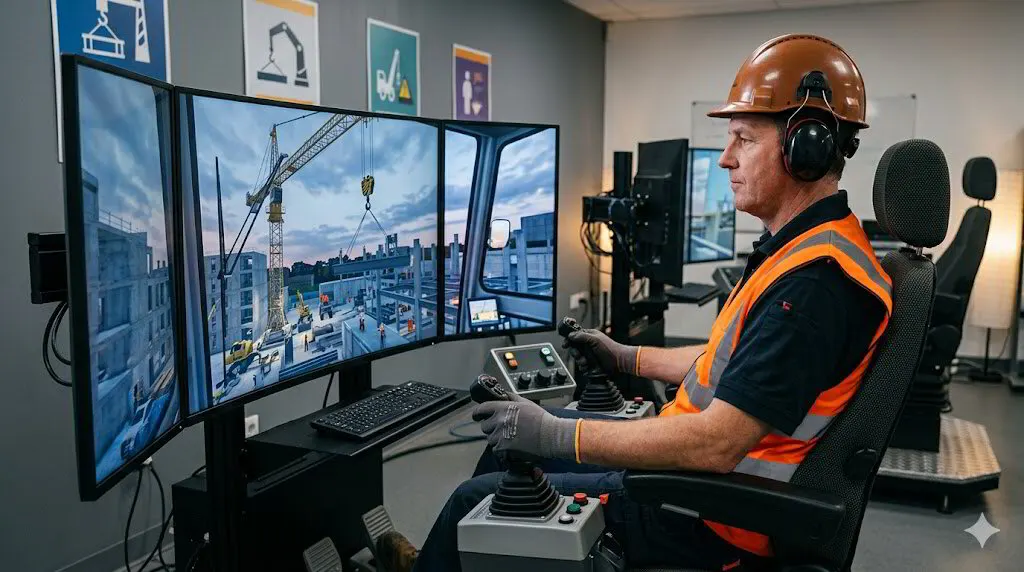 How Crane Simulators Enhance Operator Skills for Safer Construction PracticesAs the construction industry increasingly embraces technology, crane operator training has evolved significantly,…
-
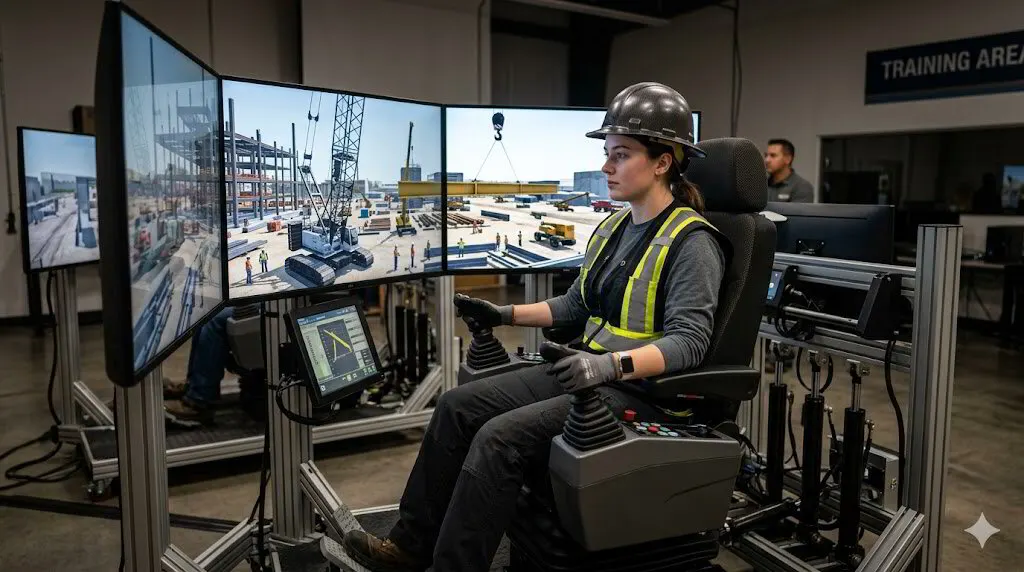 Unlocking Efficiency: The Benefits of Crane Simulator Training for Aspiring OperatorsCrane simulator training is revolutionizing the skill development of aspiring crane operators, offering a safe and…
-
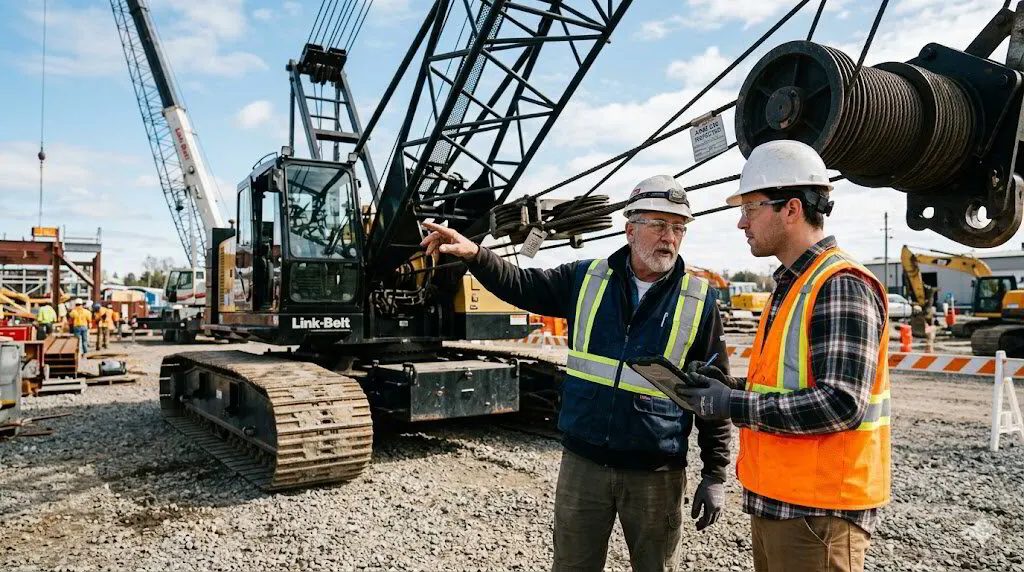 Understanding ASME B30 Crane Safety Regulations: A Comprehensive Comparison for OperatorsNavigating the complexities of crane operation requires a solid understanding of safety regulations, and the ASME B30…