
The importance of safety protocols in crane operation cannot be overstated in an industry where precision, coordination, and diligence are paramount to safeguarding lives and property.
In the fast-paced world of construction, where towering cranes navigate complex worksites, adherence to rigorous safety standards stands as the foundation of every successful operation.
Let's delve into the critical role safety protocols play in ensuring the well-being of crane operators, crew members, and the surrounding environment alike.
Key Safety Protocols Every Crane Operator
Should Master
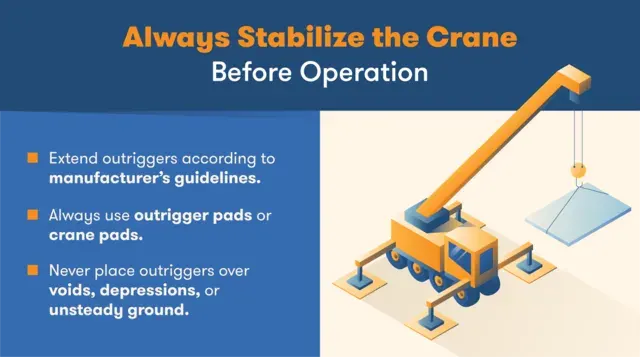
Crane operation is a high-risk activity that demands strict adherence to safety protocols to prevent accidents and ensure the well-being of workers on-site. Mastering key safety protocols is essential for every crane operator.
Personal Protective Equipment (PPE) Guidelines It is crucial for crane operators to wear the appropriate personal protective equipment (PPE) at all times while working. This includes hard hats, high-visibility vests, steel-toed boots, and gloves to minimize the risk of injuries from falling objects or accidents.
Pre-Operational Inspection Procedures Before operating a crane, operators must conduct thorough pre-operational inspections to ensure that the equipment is in optimal condition. This includes checking for mechanical issues, testing safety features, and verifying load capacity limits.
Communication Protocols on the Job Site Effective communication is key to safe crane operations. Clear communication between the crane operator, signal person, and ground crew is vital to prevent accidents and ensure that operations run smoothly. Signal systems such as hand signals, radios, or other communication devices should be used consistently.
- Always wear the proper PPE, including helmets, vests, boots, and gloves.
- Conduct pre-operational inspections to confirm equipment safety.
- Establish and follow clear communication protocols with the team on-site.
By mastering these safety protocols, crane operators can create a safer work environment and reduce the likelihood of accidents on the job site.
Understanding the Regulatory Framework for Crane Safety
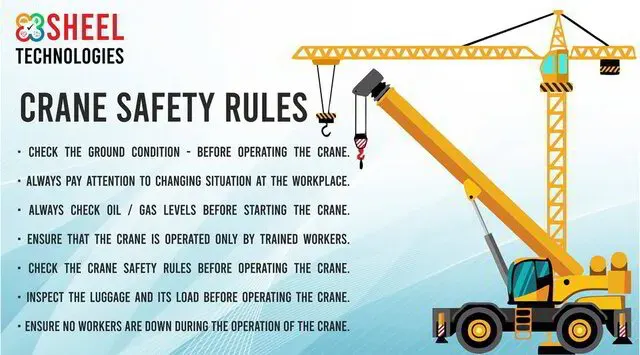
When it comes to crane operations, understanding and complying with the regulatory framework is paramount to ensure a safe working environment for all personnel involved. Several key aspects need to be considered to uphold the importance of safety protocols in crane operation.
OSHA Requirements for Crane Operations The Occupational Safety and Health Administration (OSHA) sets forth specific regulations and guidelines for crane operations to protect workers from potential hazards. Operators must be familiar with OSHA standards related to crane safety, including proper set-up, operation, and maintenance procedures.
Importance of Following Manufacturer's Guidelines Crane manufacturers provide detailed operational manuals and guidelines for safe usage of their equipment. It is crucial for crane operators to follow these manufacturer recommendations meticulously to prevent accidents and equipment malfunctions.
Certification and Training Standards for Crane Operators Obtaining the necessary certifications and training is fundamental for crane operators to demonstrate their competency in operating cranes safely. The National Commission for the Certification of Crane Operators (NCCCO) offers accredited certification courses that validate a crane operator's proficiency and adherence to safety protocols.
- Familiarize yourself with OSHA regulations related to crane operations.
- Always follow the manufacturer's guidelines for safe crane usage.
- Ensure you have the appropriate certifications and training to operate cranes safely.
By understanding and adhering to the regulatory framework for crane safety, operators can enhance workplace safety, reduce risks, and contribute to a culture of safety in the construction industry.
Risk Assessment and Mitigation Strategies Strategies in Crane Operations
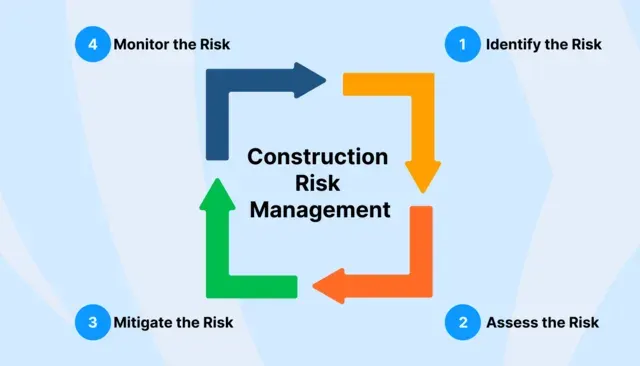
In any crane operation, the identification and mitigation of risks are crucial steps in maintaining a safe work environment. By implementing comprehensive risk assessment and mitigation strategies, crane operators can significantly reduce the likelihood of accidents and ensure the safety of all personnel on-site.
Identifying Potential Hazards in Crane Operation Before commencing any crane operation, it is imperative to assess the work site for potential hazards that could pose risks to personnel or property. Hazards such as overhead power lines, unstable ground conditions, and inclement weather must be identified and addressed to prevent accidents.
Implementing Safety Measures to Prevent Accidents Once potential hazards have been identified, proactive safety measures should be put in place to mitigate risks. This can include using proper rigging techniques, securing loads effectively, and ensuring that the crane is operated within its designated capacity limits.
Emergency Response Planning for Crane Incidents Despite meticulous planning and adherence to safety protocols, emergencies can still occur in crane operations. As such, it is essential to have a detailed emergency response plan in place to address potential accidents swiftly and effectively. This plan should outline procedures for responding to incidents, contacting emergency services, and ensuring the safety of all personnel on-site.
- Conduct a thorough assessment of the work site for potential hazards.
- Implement proactive safety measures to mitigate risks during crane operations.
- Establish a comprehensive emergency response plan to address potential incidents quickly.
By prioritizing risk assessment and mitigation strategies, crane operators can enhance safety standards, minimize risks, and promote a secure working environment for all individuals involved in crane operations.
Incorporating Safety Protocols into Daily Crane Operation Routines
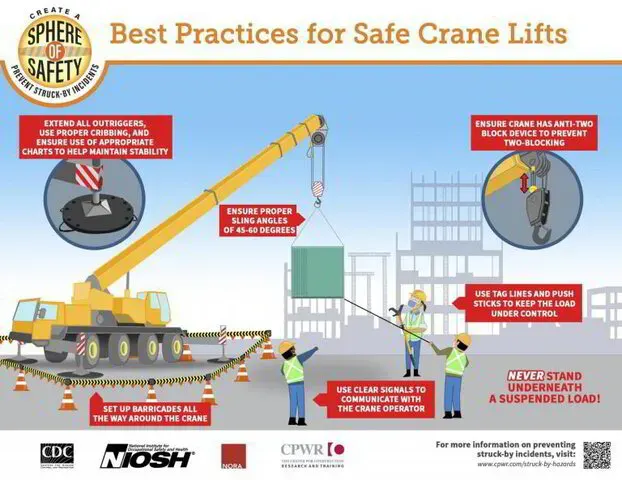
When it comes to crane operations, ensuring the seamless integration of safety protocols into daily routines is key to maintaining a secure work environment and preventing accidents. By establishing consistent practices and protocols, crane operators can enhance safety standards and minimize risks effectively.
Establishing Clear Signaling and Communication Protocols One of the fundamental aspects of incorporating safety protocols is to establish clear and effective signaling and communication protocols among the crane operator, signal person, and ground crew. Utilizing standardized hand signals, radios, or other communication devices can facilitate smooth operations and reduce the likelihood of misunderstandings.
Maintaining a Clean and Organized Work Area A clean and organized work area is essential for safe crane operations. Ensuring that the work site is free of clutter, debris, and obstructions can help prevent accidents and ensure that the crane operator has a clear line of sight while maneuvering the equipment.
Conducting Regular Safety Audits and Inspections Regular safety audits and inspections play a vital role in identifying potential safety hazards and ensuring compliance with safety protocols. Conducting thorough inspections of the crane equipment, work site, and operational procedures can help address any safety concerns proactively and prevent accidents.
- Establish clear signaling and communication protocols with the team on-site.
- Maintain a clean and organized work area to ensure safe crane operations.
- Conduct regular safety audits and inspections to mitigate potential hazards.
By integrating safety protocols into daily routines, crane operators can foster a culture of safety, enhance operational efficiency, and prioritize the well-being of all individuals involved in crane operations.
Continuous Training and Professional
Development in Crane Safety
Continuous training and professional development are instrumental in ensuring that crane operators maintain the highest safety standards and proficiency in their craft. By investing in ongoing education and skill enhancement, operators can stay abreast of industry best practices, regulations, and technological advancements that contribute to safe crane operations.
Benefits of Regular Refresher Courses for Crane Operators Participating in regular refresher courses and training programs allows crane operators to reinforce their knowledge of safety protocols, equipment operation, and emergency procedures.
These courses provide updates on industry standards and practices, equipping operators with the latest information to enhance their competency.
Staying Updated on Industry Best Practices and Innovations The field of crane operation is continually evolving, with new technologies and best practices emerging to enhance safety and efficiency. By staying informed about industry trends, regulations, and innovations, crane operators can adapt their practices to align with the latest advancements, ensuring optimal safety and operational excellence.
Encouraging a Culture of Safety Consciousness Among Crane Crews Fostering a culture of safety consciousness among crane crews is vital to maintaining a safe work environment. By promoting open communication, accountability, and a shared commitment to safety, operators can create a cohesive team that prioritizes safety protocols and works collaboratively to mitigate risks.
- Attend regular refresher courses to reinforce safety knowledge and skills.
- Stay updated on industry best practices and innovations in crane operation.
- Foster a culture of safety consciousness within the crane crew to promote a safe working environment.
By prioritizing continuous training and professional development, crane operators can elevate safety standards, enhance their expertise, and contribute to a safer and more efficient work environment for everyone involved in crane operations.
FAQs About the Importance of Safety Protocols in Crane Operation
Q: Are safety protocols necessary for all types of crane operations?
A: Yes, safety protocols are essential for all crane operations, regardless of the type of crane being used. Adhering to safety guidelines helps prevent accidents, protect workers, and ensure efficient operations.
Q: How often should crane operators undergo safety training?
A: Crane operators should undergo regular safety training and refresher courses to stay updated on best practices and regulations. This continuous learning process enhances their skills and reinforces safety protocols.
Q: What role do communication protocols play in crane safety?
A: Communication protocols are integral to crane safety as they facilitate clear and effective communication between team members, ensuring smooth operations and preventing misunderstandings that could lead to accidents.
Q: Why is it important to follow manufacturer guidelines for crane operation?
A: Following manufacturer guidelines is crucial as it ensures that cranes are operated correctly and safely. Deviating from these guidelines can compromise equipment integrity and pose risks to operators and personnel on-site.
Q: How can a culture of safety consciousness benefit crane operations?
A: Fostering a culture of safety consciousness promotes a shared commitment to safety among crew members, enhancing vigilance, accountability, and overall safety practices on the job site.
Crane Safety Mastery: Expert Protocols from Miller Crane Works
At Miller Crane Works, safety isn’t just a priority—it’s a core value. In "Crane Safety Mastery:
Expert Protocols from Miller Crane Works," we dive deep into the essential safety practices that every crane operator and jobsite team should follow. Backed by years of industry experience and a commitment to excellence, our protocols are designed to minimize risk, ensure compliance with OSHA standards, and protect both personnel and equipment. From pre-lift inspections to proper communication signals and load handling techniques, this guide outlines the proven methods we use to keep operations running smoothly and safely. Whether you’re a seasoned operator or new to the field, mastering these protocols is key to a successful and secure lifting environment.

-
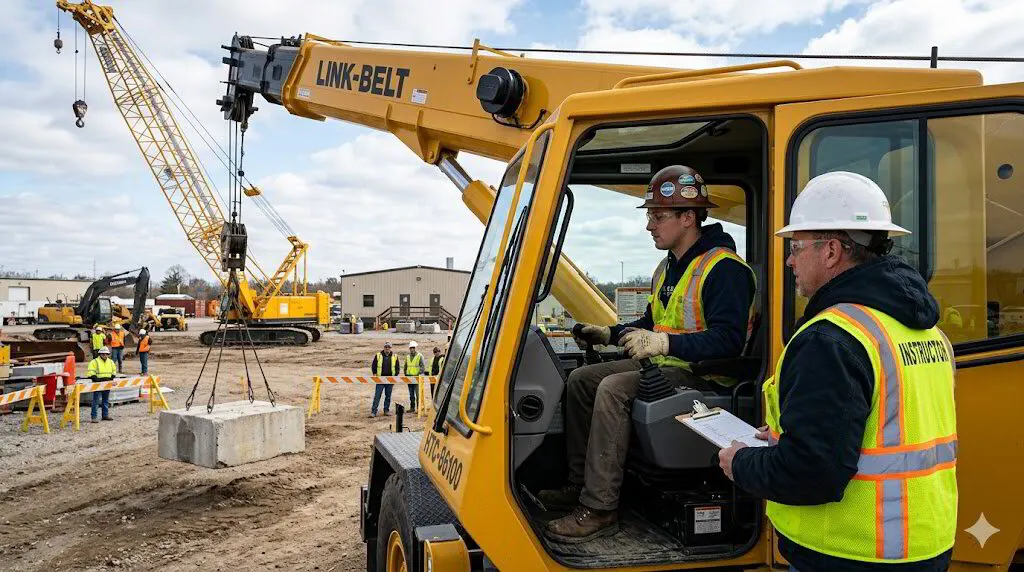 The Ultimate Guide to Crane Operator Field Training Programs: Certification & Career SuccessIn the ever-evolving construction industry, the need for certified crane operators is paramount, making effective…
-
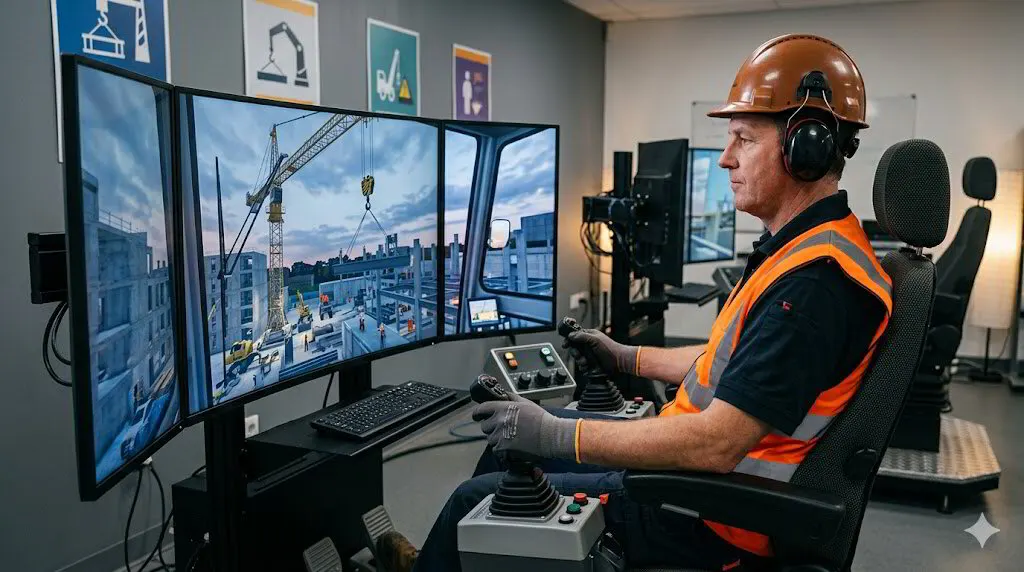 How Crane Simulators Enhance Operator Skills for Safer Construction PracticesAs the construction industry increasingly embraces technology, crane operator training has evolved significantly,…
-
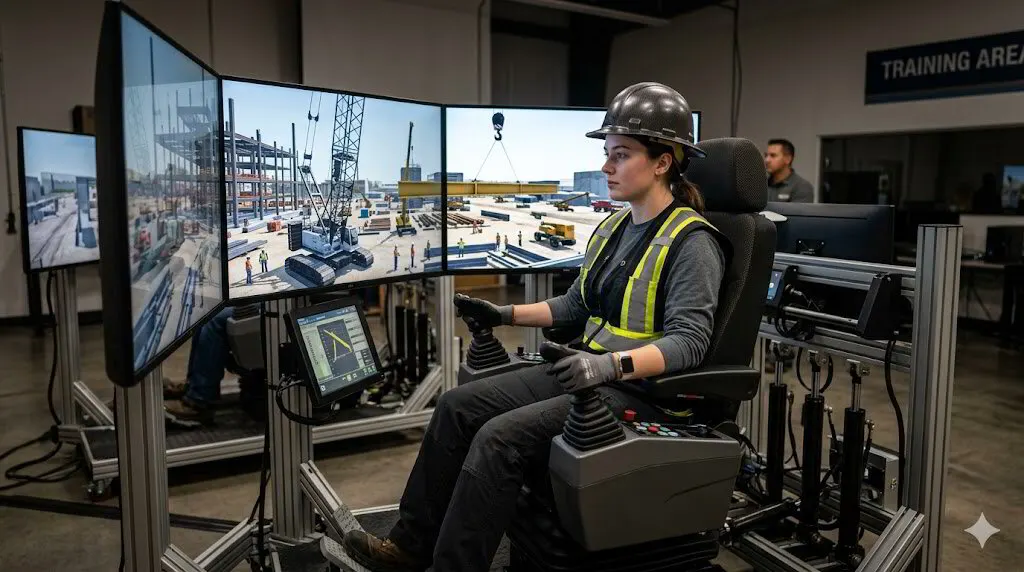 Unlocking Efficiency: The Benefits of Crane Simulator Training for Aspiring OperatorsCrane simulator training is revolutionizing the skill development of aspiring crane operators, offering a safe and…