
Your Ultimate Guide to NCCCO Mobile Crane Certification Requirements
Introduction to NCCCO Mobile Crane Certification
The National Commission for the Certification of Crane Operators (NCCCO) stands as the gold standard for crane operator certification in the United States. For professionals in construction, heavy lifting, and industrial sectors, understanding NCCCO mobile crane certification requirements is crucial for career advancement and workplace safety compliance.
Mobile crane operation represents one of the most demanding and safety-critical roles in construction and industrial environments. These powerful machines, capable of lifting thousands of pounds to significant heights, require operators who possess not only technical expertise but also comprehensive knowledge of safety protocols, load calculations, and equipment limitations. The NCCCO certification program ensures operators meet rigorous industry standards that protect both workers and the public.
NCCCO certification is essential for crane operators, construction professionals, and trade workers seeking to validate their skills and knowledge in mobile crane operations. Many employers now require NCCCO certification as a prerequisite for employment, making it an invaluable credential for career progression. Additionally, companies in construction and heavy lifting sectors increasingly mandate certified operators to maintain insurance coverage, comply with regulatory requirements, and demonstrate their commitment to workplace safety.
The certification process encompasses both theoretical knowledge and practical skills assessment, ensuring operators can safely handle complex lifting operations. This comprehensive approach to crane safety certification has significantly reduced workplace accidents and established a benchmark for professional competency in the industry.
Understanding Mobile Crane Certification Requirements
The NCCCO certification process involves specific prerequisites that candidates must meet before pursuing mobile crane certification. Understanding these NCCCO mobile crane certification requirements is essential for planning your certification journey and ensuring successful completion of the program.
Age and Education RequirementsCandidates must be at least 18 years old to pursue NCCCO certification. While formal education requirements are minimal, applicants should possess basic literacy and numeracy skills necessary for understanding technical manuals, performing load calculations, and comprehending safety protocols. Many successful candidates have completed high school or equivalent education, though this is not strictly mandated.
Medical Assessment StandardsPhysical fitness plays a crucial role in safe crane operation. Candidates must demonstrate adequate vision, including depth perception and color recognition, as these abilities are critical for judging distances and interpreting signal communications. Hearing capability is equally important for receiving verbal instructions and detecting equipment malfunctions. While specific medical examinations aren't required by NCCCO, employers often mandate medical clearance as part of their hiring process.
Training and Experience DocumentationAlthough NCCCO doesn't require specific training hours before testing, candidates must demonstrate competency in mobile crane operation. Most successful applicants complete formal crane operator training programs or possess substantial hands-on experience. Documentation of training completion or work experience strengthens your certification application and provides valuable preparation for the rigorous testing process.
Background and Safety RecordsWhile NCCCO doesn't conduct background checks, many employers require clean driving records and drug screening for crane operators. Maintaining a professional safety record demonstrates commitment to workplace safety and enhances employment opportunities. Some companies may require additional certifications, such as OSHA safety training or specific manufacturer certifications.
Equipment Familiarity RequirementsCandidates should possess working knowledge of mobile crane components, including hydraulic systems, load charts, and safety devices. Understanding different mobile crane types—such as rough terrain, all-terrain, and truck-mounted cranes—provides comprehensive preparation for certification testing. This knowledge forms the foundation for both written examinations and practical skill demonstrations required for NCCCO certification completion.
Types of NCCCO Mobile Crane Certifications
NCCCO offers several mobile crane certification categories, each designed to address specific equipment types and operational requirements. Understanding these distinctions helps candidates select appropriate certifications for their career goals and operational needs.
Mobile Crane Operator CertificationThe core mobile crane operator certification covers fundamental principles applicable to various mobile crane types. This certification demonstrates competency in load chart interpretation, crane setup procedures, and basic operational safety protocols. Candidates learn essential skills including pre-operational inspections, load weight estimation, and proper communication with signal persons and riggers.
Specialty Mobile Crane CertificationsNCCCO provides specialized certifications for different mobile crane categories. Rough terrain crane certification focuses on off-road applications common in construction environments, emphasizing stability considerations and ground condition assessment. All-terrain crane certification addresses both highway travel and lifting operations, requiring knowledge of outrigger positioning and load chart variations.
Truck-mounted crane certification covers smaller capacity cranes typically used for utility work and light construction applications. Each specialty certification requires specific knowledge of equipment characteristics, operational limitations, and safety considerations unique to that crane type.
Written and Practical Examination ComponentsAll NCCCO certifications require successful completion of both written and practical examinations. Written exams test theoretical knowledge including load calculations, safety regulations, and equipment specifications. These comprehensive assessments ensure candidates understand fundamental principles governing safe crane operations.
Practical examinations evaluate hands-on operational skills using actual equipment. Candidates demonstrate pre-operational inspection procedures, load handling techniques, and emergency response protocols. Practical testing occurs at approved NCCCO testing centers using standardized evaluation criteria.
Certification Validity and RecognitionNCCCO certifications maintain validity for five years from the issue date, requiring renewal to maintain active status. These certifications enjoy widespread industry recognition, with many states and municipalities accepting NCCCO credentials for licensing requirements. Federal projects often mandate NCCCO certification for crane operators, making these credentials essential for contractors working on government contracts.
Training for NCCCO Mobile Crane Certification
Comprehensive training forms the foundation for successful NCCCO certification and safe crane operation throughout your career. Quality crane operator training programs provide the knowledge and skills necessary to pass certification examinations and operate equipment safely in real-world conditions.
Essential Training ComponentsEffective mobile crane operation training covers theoretical knowledge and practical skills development. Classroom instruction addresses load chart interpretation, crane stability principles, and regulatory compliance requirements. Students learn to calculate load weights, determine proper crane positioning, and assess environmental factors affecting safe operations.
Safety training emphasizes hazard recognition, emergency procedures, and communication protocols. Understanding OSHA regulations, manufacturer guidelines, and industry best practices ensures operators can maintain safe working environments. Training programs also cover maintenance basics, helping operators identify potential equipment problems before they become safety hazards.
Miller Crane Works Training ExcellenceMiller Crane Works offers comprehensive mobile crane courses designed to prepare students for NCCCO certification success. Our experienced instructors bring decades of industry experience to the classroom, providing real-world insights that enhance learning outcomes. We maintain modern training facilities equipped with current mobile crane models, ensuring students gain experience with industry-standard equipment.
Our practical training sessions emphasize hands-on learning, allowing students to develop operational confidence before taking certification examinations. Equipment practice time provides opportunities to master complex maneuvers and refine operational techniques under expert supervision.
Training Program Duration and StructureTypical mobile crane training programs range from one to four weeks, depending on student experience levels and certification goals. Intensive programs combine classroom instruction with extensive practical exercises, maximizing learning efficiency. Part-time options accommodate working professionals seeking certification while maintaining current employment.
Progressive training structures build skills systematically, starting with basic concepts and advancing to complex operational scenarios. This methodology ensures thorough understanding of fundamental principles before introducing advanced techniques. Regular assessments throughout training identify areas requiring additional attention, optimizing individual learning outcomes.
Certification Exam Overview
NCCCO certification examinations rigorously assess both theoretical knowledge and practical skills essential for safe mobile crane operation. Understanding examination structure and content helps candidates prepare effectively and approach testing with confidence.
Written Examination StructureThe written examination consists of multiple-choice questions covering core knowledge areas essential for mobile crane operation. Load chart interpretation represents a significant portion of the examination, testing candidates' ability to determine crane capacities under various configurations and operating conditions. Questions address crane setup procedures, including outrigger positioning, counterweight installation, and boom length calculations.
Safety regulations and industry standards form another major examination component. Candidates must demonstrate knowledge of OSHA requirements, manufacturer specifications, and established industry practices. Signal recognition, communication protocols, and emergency procedures are thoroughly tested to ensure operators can respond appropriately to various operational scenarios.
Practical Examination RequirementsPractical examinations evaluate hands-on operational competency using actual mobile crane equipment. Candidates perform pre-operational inspections, demonstrating systematic approaches to equipment safety checks. This includes examining critical components such as wire rope condition, hydraulic systems, and safety devices.
Load handling exercises test operational precision and safety awareness. Candidates must demonstrate proper lifting techniques, load positioning accuracy, and smooth equipment operation. Examiners evaluate communication skills, observing how candidates interact with signal persons and respond to changing operational conditions.
Examination Preparation StrategiesSuccessful examination preparation requires systematic study of NCCCO reference materials and extensive practice with load charts and calculation procedures. Candidates should familiarize themselves with various mobile crane types and their specific operational characteristics. Understanding manufacturer specifications and equipment limitations proves crucial for both written and practical examination success.
Practice examinations help identify knowledge gaps and build confidence for actual testing. Many candidates benefit from study groups or professional training programs that provide structured preparation approaches. Hands-on practice with mobile crane equipment, even outside formal training programs, significantly improves practical examination performance.
Testing Centers and SchedulingNCCCO testing centers operate throughout the United States, providing convenient access to certification examinations. Candidates can schedule testing appointments through the NCCCO website or authorized testing providers. Advanced scheduling is recommended, particularly during peak certification periods when testing slots may be limited.
Maintaining Your NCCCO Certification
NCCCO certification renewal ensures operators maintain current knowledge and skills throughout their careers. Understanding NCCCO certification renewal requirements helps professionals plan for continued certification and avoid potential employment disruptions.
Five-Year Certification CycleNCCCO certifications remain valid for five years from the initial issue date. This timeframe recognizes that technology, regulations, and industry practices evolve continuously, requiring operators to update their knowledge periodically. The five-year cycle balances professional development needs with practical considerations for working operators.
Renewal notifications typically arrive several months before expiration, providing adequate time for completion of renewal requirements. Early renewal planning prevents last-minute complications that might result in certification lapses and potential employment consequences.
Recertification Requirements and OptionsNCCCO offers multiple pathways for certification renewal, accommodating different professional circumstances and preferences. The recertification examination option requires passing updated written and practical tests reflecting current industry standards and technological developments. This comprehensive approach ensures operators maintain full competency in mobile crane operations.
Continuing education alternatives allow experienced operators to renew certifications through approved training programs. These programs focus on regulatory updates, technological advances, and emerging safety practices relevant to mobile crane operations. Many professionals prefer this option as it provides structured learning opportunities while maintaining certification status.
Consequences of Certification LapseExpired certifications create significant professional challenges, as many employers require current NCCCO credentials for crane operator positions. Insurance companies may refuse coverage for operations involving uncertified operators, creating liability concerns for employers. Some states and municipalities prohibit crane operation without valid certification, making renewal essential for continued employment.
Restoring lapsed certifications typically requires complete retesting, including both written and practical examinations. This process proves more time-consuming and expensive than timely renewal, emphasizing the importance of maintaining current certification status.
Miller Crane Works Recertification SupportNCCCO recertification is a testing requirement. Miller Crane Works teaches the approved courses at the Seagoville yard and does not sell a separate recertification course. Our programs address regulatory updates, technological advances, and evolving industry practices relevant to mobile crane operations. Experienced instructors ensure participants understand current requirements and best practices.
We offer flexible scheduling options accommodating working professionals' needs, including evening and weekend sessions. Approved courses at the Seagoville yard combine classroom instruction with practical exercises, ensuring participants maintain both theoretical knowledge and hands-on skills essential for safe crane operation.
Conclusion and Next Steps
Pursuing NCCCO mobile crane certification represents a significant investment in your professional future and workplace safety. The comprehensive certification process ensures operators possess the knowledge, skills, and judgment necessary for safe mobile crane operations in challenging environments. Understanding NCCCO mobile crane certification requirements empowers you to plan effectively and approach certification with confidence.
The construction and heavy lifting industries continue growing, creating expanding opportunities for certified crane operators. NCCCO certification provides competitive advantages in employment markets while demonstrating professional commitment to safety and excellence. Companies increasingly recognize certified operators as valuable assets who contribute to project success and risk management.
Professional development through NCCCO certification extends beyond individual benefits, contributing to industry-wide safety improvements and operational excellence. Certified operators help establish safety cultures that protect workers and enhance project outcomes. This collective impact reinforces the value of pursuing and maintaining professional certification throughout your career.
Miller Crane Works stands ready to support your certification journey with comprehensive training programs designed for success. Our experienced instructors, modern equipment, and proven methodologies provide the foundation for achieving your professional goals in mobile crane operations.
Ready to advance your career with NCCCO mobile crane certification? Contact Miller Crane Works today to learn more about our comprehensive certification programs. Visit https://millercraneworks.com/ to explore our course offerings and take the first step toward professional certification. Our expert instructors are standing by to help you achieve your goals in mobile crane operations and build a successful career in the construction industry.
Web Standards & Documentation Reference
To ensure our pages are accurately indexed and structured for search engines, this site adheres to official XML schema guidelines.
- Sitemap XML Protocol 0.9 The authoritative schema standard (`http://www.sitemaps.org/schemas/sitemap/0.9`) for structuring URLs.
- Implementation FAQ Technical constraints, file size limits, and index file formatting.
-
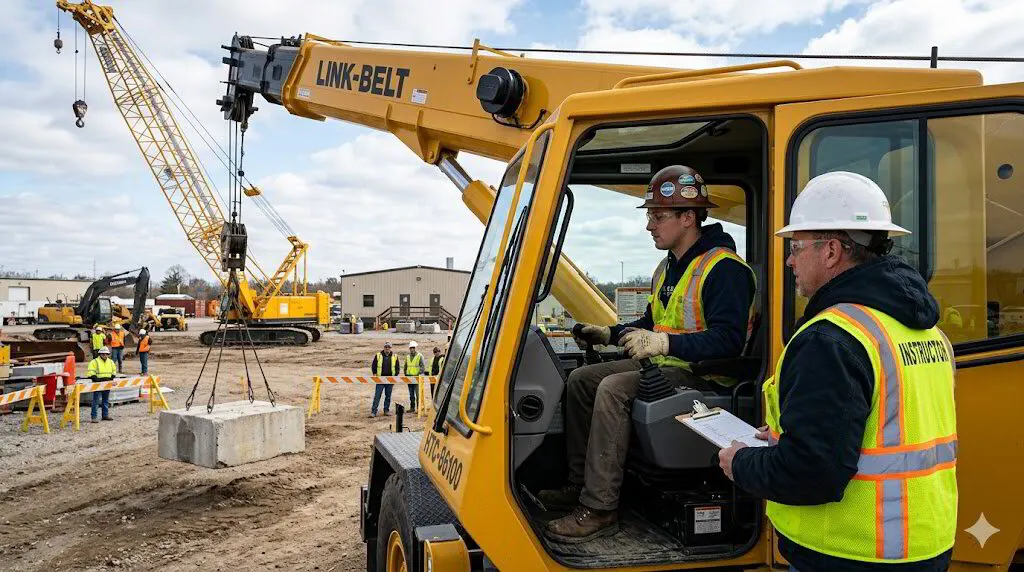 The Ultimate Guide to Crane Operator Field Training Programs: Certification & Career SuccessIn the ever-evolving construction industry, the need for certified crane operators is paramount, making effective…
-
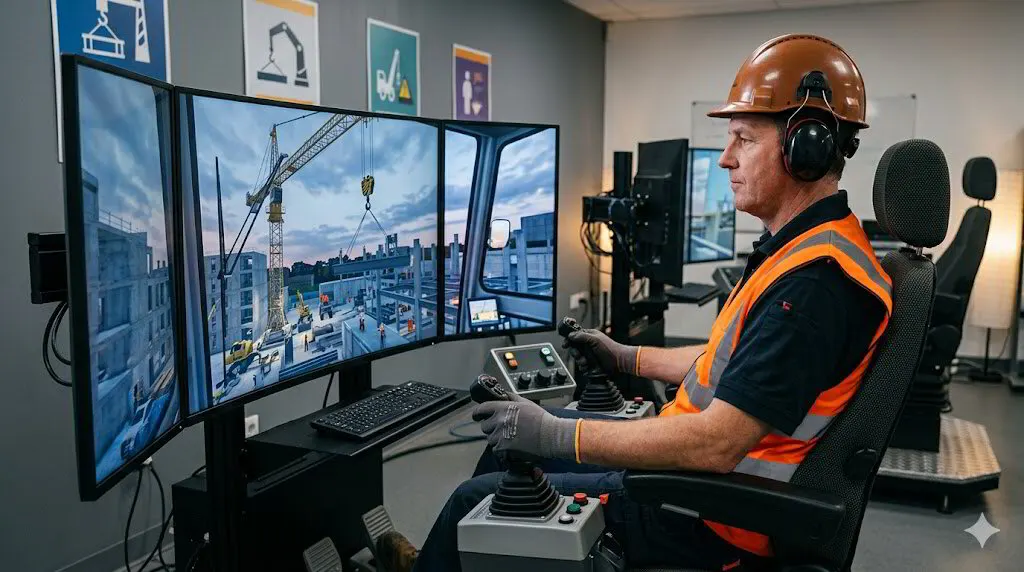 How Crane Simulators Enhance Operator Skills for Safer Construction PracticesAs the construction industry increasingly embraces technology, crane operator training has evolved significantly,…
-
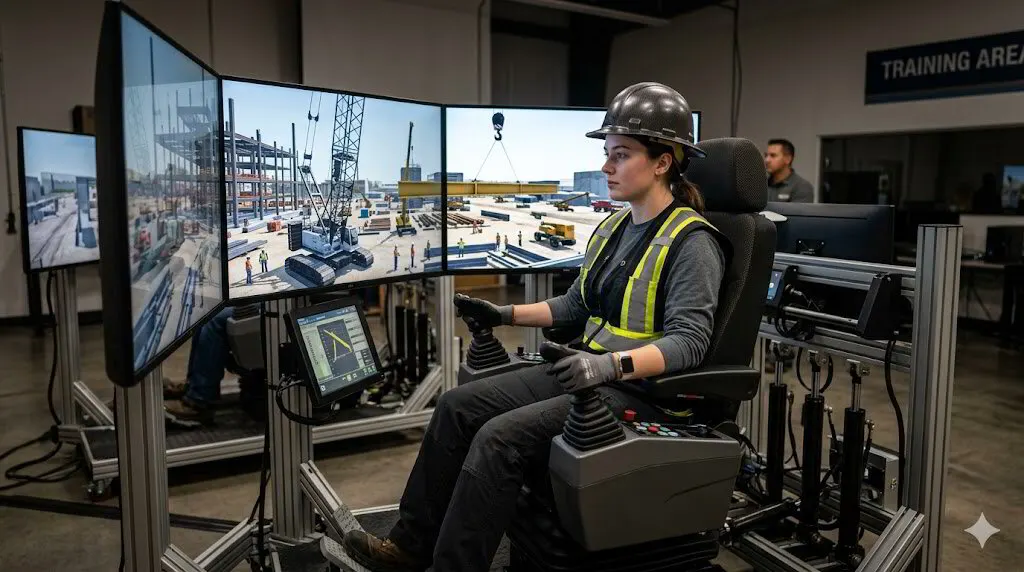 Unlocking Efficiency: The Benefits of Crane Simulator Training for Aspiring OperatorsCrane simulator training is revolutionizing the skill development of aspiring crane operators, offering a safe and…