
The construction industry relies heavily on skilled crane operators to safely move materials and equipment at job sites across the country. As construction projects become increasingly complex and safety regulations more stringent, the demand for certified crane operators continues to grow. Whether you're considering a career change or looking to advance in the construction field, understanding how to obtain a crane license is your first step toward a rewarding and well-compensated profession.
Operating a crane requires specialized knowledge, technical expertise, and unwavering attention to safety protocols. Without proper certification, you cannot legally operate these powerful machines, which can weigh hundreds of thousands of pounds and lift loads worth millions of dollars. The licensing process ensures that operators possess the necessary skills to protect themselves, their coworkers, and the general public while maintaining operational efficiency on construction sites.
This comprehensive guide will walk you through every aspect of the crane licensing process, from understanding basic requirements to successfully passing your certification exam. You'll discover the different types of certifications available, learn about training programs, and gain valuable insights into preparing for both written and practical examinations. By the end of this guide, you'll have a clear roadmap for launching your career as a certified crane operator.
Introduction to Crane Licensing
Crane licensing serves as the foundation of safety and professionalism in the heavy equipment industry. The certification process validates that operators possess the technical knowledge, practical skills, and safety awareness necessary to handle complex lifting operations. Without proper licensing, crane operators cannot legally work on most construction sites, making certification an absolute requirement rather than an optional credential.
The crane licensing system encompasses several different types of certifications, each tailored to specific equipment categories and operational scenarios. Mobile crane certifications cover truck-mounted and rough terrain cranes commonly used in construction and industrial applications. Tower crane certifications focus on the fixed cranes used in high-rise construction projects. Lattice boom crawler cranes require specialized certification due to their unique operational characteristics and lifting capabilities.
Beyond equipment-specific certifications, the licensing framework includes complementary credentials such as rigging certification and signal person certification. These additional certifications enhance an operator's versatility and employment prospects while ensuring comprehensive understanding of lifting operations from multiple perspectives.
The benefits of crane operator certification extend far beyond legal compliance.Pay is set by the employer. This school does not state or promise wages. Certification opens doors to employment opportunities with major construction companies, industrial facilities, and specialized lifting contractors who prioritize safety and professionalism.
Furthermore, certification provides career stability and advancement opportunities. As infrastructure projects continue expanding and construction technology evolves, certified crane operators remain in high demand across various industries including construction, manufacturing, shipping, and energy production.
Understanding the Requirements for Obtaining a Crane License
Before beginning the certification process, aspiring crane operators must meet specific eligibility requirements established by the National Commission for the Certification of Crane Operators (NCCCO) and other certifying bodies. These requirements ensure that candidates possess the basic qualifications necessary to safely operate heavy equipment and complete rigorous training programs.
Age requirements represent the most fundamental eligibility criterion. Candidates must be at least 18 years old to pursue most crane operator certifications. This age requirement reflects the significant responsibility and potential liability associated with operating heavy equipment. Some specialized certifications or advanced training programs may require candidates to be 21 years old, particularly for positions involving interstate commerce or specific industrial applications.
Educational prerequisites for crane operator certification are generally accessible to most candidates. While a high school diploma or equivalent is preferred by many employers, it is not always required for basic certification. However, candidates must demonstrate basic literacy and numeracy skills necessary to understand technical manuals, safety procedures, and operational calculations. The ability to read and comprehend English is essential, as safety protocols and equipment documentation are typically provided in English.
Physical capabilities and health evaluations play a crucial role in determining eligibility for crane operator certification. Candidates must pass a comprehensive physical examination that assesses vision, hearing, motor skills, and overall physical fitness. Vision requirements typically include 20/30 corrected vision in each eye, adequate depth perception, and the ability to distinguish colors relevant to safety signals and equipment indicators.
Hearing requirements ensure that operators can detect audible warning signals, communicate effectively with ground personnel, and identify potential equipment malfunctions through sound recognition. Motor skills assessments evaluate hand-eye coordination, reaction times, and the physical ability to operate complex control systems for extended periods.
Some certifying organizations require candidates to complete substance abuse screening and maintain clean driving records. These requirements reflect the safety-sensitive nature of crane operations and the potential consequences of impaired judgment or poor decision-making skills.
Medical conditions that may affect certification eligibility include cardiovascular disease, diabetes requiring insulin, seizure disorders, and certain mental health conditions. However, many conditions can be accommodated with proper medical documentation and clearance from qualified healthcare providers.
Different Types of Crane Operator Certifications
The crane operator certification landscape encompasses multiple specializations designed to address the diverse equipment types and operational environments found in modern construction and industrial applications. Understanding these different certification paths is essential for choosing the right training program and career direction.
NCCCO certification represents the gold standard in crane operator credentials, recognized by employers, regulatory agencies, and industry organizations nationwide. The NCCCO program offers written examinations covering core knowledge areas such as basic operation, load charts, rigging, and safety protocols. Practical examinations test hands-on operating skills using actual equipment under realistic working conditions. NCCCO certifications are valid for five years and require ongoing continuing education to maintain currency.
Mobile crane operator certification covers the most common type of crane equipment found on construction sites. This certification encompasses truck-mounted cranes, rough terrain cranes, and all-terrain cranes used for general lifting applications. Mobile crane operators must demonstrate proficiency in setup procedures, load chart interpretation, rigging techniques, and safe operating practices across various ground conditions and environmental factors.
Tower crane operator certification focuses on the fixed cranes used primarily in high-rise construction projects. Tower crane operations require specialized knowledge of climbing procedures, weather limitations, and coordination with other construction activities. The certification process emphasizes understanding of structural loads, wind effects, and emergency procedures specific to tower crane applications.
Lattice crane operator certification addresses the unique requirements of operating crawler cranes and conventional truck cranes equipped with lattice boom systems. These machines typically handle the heaviest lifting applications and require extensive knowledge of boom configuration, counterweight systems, and advanced rigging techniques. Lattice crane operators must understand complex load charts and demonstrate proficiency in multi-crane lifting operations.
Rigger certification complements crane operator credentials by validating expertise in load preparation, sling selection, and lifting hardware applications. Rigging certification covers weight estimation, center of gravity calculations, and proper attachment techniques for various load types. Many employers prefer crane operators who also hold rigging certification, as this combination provides comprehensive lifting operation expertise.
Signal person certification ensures effective communication between crane operators and ground personnel during lifting operations. Signal persons must demonstrate knowledge of standard hand signals, radio communication protocols, and hazard recognition procedures. This certification is particularly valuable for operators who work in team-based lifting environments or supervisory roles.
These certifications address specific operational characteristics and safety considerations associated with specialized equipment applications.
The Training Process: What You Need to Know
Selecting the right training provider represents a critical decision that directly impacts your success in obtaining crane operator certification.Reputable training organizations should hold accreditation from recognized industry bodies and maintain strong relationships with equipment manufacturers and major employers. When evaluating training providers, consider factors such as instructor qualifications and equipment availability. Miller Crane Works does not offer job placement.
Quality training programs combine classroom instruction with extensive hands-on practice using actual crane equipment. Classroom sessions cover theoretical concepts including load dynamics, stability principles, rigging calculations, and safety regulations. Students learn to interpret load charts, understand equipment limitations, and develop decision-making skills essential for safe crane operations. Effective programs use interactive teaching methods, visual aids, and real-world scenarios to reinforce learning objectives.
Hands-on training sessions provide invaluable experience operating actual crane equipment under instructor supervision. Students practice basic operations such as startup procedures, load handling, and equipment positioning. Advanced training includes challenging scenarios such as precision placement, working in confined spaces, and coordinating with other equipment operators. Quality training programs maintain well-maintained equipment fleets representing current industry standards and technology.
Instructor qualifications significantly influence training quality and student outcomes. Experienced instructors should hold current certifications, possess extensive field experience, and demonstrate effective teaching abilities. The best instructors combine technical expertise with practical insights gained through years of professional crane operation. They understand common challenges faced by new operators and can provide guidance on career development and industry best practices.
Training program duration varies depending on certification type and individual learning pace. Basic mobile crane training typically requires 3-5 days of intensive instruction, while tower crane and lattice crane programs may extend to 1-2 weeks. Some training providers offer flexible scheduling options including evening and weekend classes to accommodate working professionals.
Comprehensive training programs include exam preparation components that familiarize students with certification test formats and requirements. Practice examinations help identify knowledge gaps and build confidence for actual certification testing.
Training costs vary significantly based on program comprehensiveness, equipment access, and geographic location.Pay is set by the employer. This school does not state or promise wages. However, these training investments typically pay for themselves quickly through increased earning potential and expanded employment opportunities.
How to Prepare for the Licensing Exam
Effective exam preparation requires a systematic approach that combines thorough study of theoretical concepts with practical skill development. Success on crane operator certification examinations depends on understanding both written knowledge requirements and practical demonstration standards. Developing a structured study plan and utilizing appropriate resources significantly increases your chances of passing on the first attempt.
Study materials for crane operator certification should include official NCCCO candidate handbooks, equipment operator manuals, and industry safety publications. The NCCCO provides detailed content outlines that specify exactly what knowledge areas will be covered on each examination. These outlines serve as essential study guides and help focus preparation efforts on the most important topics.
Equipment-specific study materials include manufacturer operator manuals, load charts, and technical specifications for the crane types covered by your chosen certification. Understanding load chart interpretation is particularly crucial, as this represents a significant portion of most certification examinations. Practice reading various load chart formats and calculating lifting capacities under different boom configurations and operating radii.
Safety regulations and industry standards form another critical study area. Familiarize yourself with OSHA crane safety standards, ASME equipment standards, and industry best practices for rigging and lifting operations. Understanding regulatory requirements demonstrates professional competence and helps ensure safe work practices throughout your career.
Practice tests and sample questions provide valuable insights into examination formats and question types. Many training providers offer practice examinations that simulate actual certification tests. Online resources and study guides often include hundreds of sample questions covering all major knowledge areas. Regular practice testing helps identify weak areas requiring additional study and builds familiarity with examination procedures.
Effective study techniques include creating flashcards for important formulas and safety rules, forming study groups with other candidates, and scheduling regular review sessions to reinforce learning. Visual learners benefit from diagrams and charts that illustrate crane components, rigging configurations, and safety procedures. Hands-on practice with actual equipment or simulators helps reinforce theoretical knowledge with practical experience.
Time management during examination preparation is crucial for comprehensive coverage of all required topics. Develop a study schedule that allocates appropriate time for each knowledge area while allowing for review and practice testing. Most successful candidates begin serious exam preparation at least 4-6 weeks before their scheduled test date.
Exam day preparation includes ensuring adequate rest, arriving early at the test location, and bringing required identification and documentation. Understanding examination procedures and requirements reduces stress and allows you to focus on demonstrating your knowledge and skills.
Steps to Obtain Your Crane License
The process of how to obtain a crane license follows a structured sequence that begins with completing appropriate training and culminates in receiving official certification. Understanding each step in this process helps ensure smooth progression from initial training through final certification and ongoing maintenance requirements.
Completing required training represents the foundation of successful certification. Choose a reputable training provider that offers comprehensive instruction covering both theoretical knowledge and practical skills. Ensure that your training program aligns with the specific certification type you wish to pursue and covers all knowledge areas outlined in NCCCO content specifications. Successful completion of training programs typically includes passing internal assessments and demonstrating competency in hands-on exercises.
Registering for NCCCO examinations requires careful attention to deadlines, documentation requirements, and fee payment procedures. Examination registration opens at specific times throughout the year, and popular test dates may fill quickly. Submit your registration well in advance of your preferred test date, ensuring that all required documentation is complete and accurate. Registration fees vary by certification type and typically range from $400 to $800 per examination.
The written examination tests theoretical knowledge across multiple domains including basic operation, load charts, rigging, and safety protocols. Written tests typically contain 60-100 multiple-choice questions and require passing scores of 70% or higher. Examinations are administered at designated test sites using computerized testing systems that provide immediate score reporting. Candidates who do not pass written examinations may retake them after appropriate additional study and preparation.
Practical examinations evaluate hands-on operating skills using actual crane equipment under standardized testing conditions. Practical tests require candidates to demonstrate proficiency in equipment inspection, basic operations, load handling, and safety procedures. Certified examiners evaluate performance against established criteria and provide detailed feedback on areas requiring improvement. Practical examinations typically last 3-4 hours and require passing scores on all evaluated tasks.
Receiving certification marks the successful completion of the licensing process and authorizes legal operation of covered equipment types. NCCCO issues wallet-sized certification cards and maintains electronic verification systems that allow employers to confirm certification status. Certificates include specific endorsements indicating the exact equipment types and capacities covered by each certification.
Maintaining certification requires ongoing continuing education and periodic recertification to ensure currency with evolving industry standards and safety requirements. NCCCO certifications remain valid for five years, after which operators must complete recertification requirements including continuing education credits and updated examinations.
Common Challenges and How to Overcome Them
Aspiring crane operators frequently encounter several challenges during the certification process that can impede progress or create unnecessary stress. Understanding these common obstacles and developing effective strategies to address them significantly improves your chances of successful certification and career advancement.
Exam anxiety affects many candidates and can negatively impact performance despite adequate preparation. Test anxiety often stems from fear of failure, unfamiliarity with examination procedures, or pressure to succeed quickly. Overcoming exam anxiety requires developing confidence through thorough preparation, practicing relaxation techniques, and maintaining realistic expectations about the certification process. Many successful candidates benefit from taking practice examinations under simulated test conditions to build familiarity with the testing environment.
Effective anxiety management techniques include deep breathing exercises, positive visualization, and adequate rest before examination dates. Arriving early at test locations allows time to acclimate to the environment and reduce stress associated with rushing or unexpected delays. Remember that most certification programs allow retesting if initial attempts are unsuccessful, reducing the pressure to achieve perfect results immediately.
Scheduling issues frequently complicate the certification process, particularly for working professionals who must balance training requirements with existing job responsibilities. Limited examination dates and training program availability can create conflicts with work schedules or personal commitments. Address scheduling challenges by planning well in advance, communicating with employers about certification goals, and exploring flexible training options such as weekend or evening programs.
Some training providers offer modular programs that allow students to complete requirements over extended periods, accommodating work schedules and personal obligations. Online components and self-paced study options provide additional flexibility for busy professionals pursuing certification while maintaining current employment.
Choosing the right training program represents another common challenge, as the quality and focus of available programs vary significantly. Inadequate training can result in poor exam performance and insufficient preparation for actual job responsibilities. Research training providers thoroughly, comparing curriculum content, instructor qualifications, equipment availability, and student success rates. Seek recommendations from industry professionals and current crane operators who can provide insights into program quality and effectiveness.
Financial constraints may limit access to quality training programs or create pressure to choose less expensive options that may not provide adequate preparation. Explore financing options, employer sponsorship programs, and scholarship opportunities that can help offset training costs. Many employers are willing to invest in employee training when it directly benefits their operations and safety performance.
Consider the long-term return on investment when evaluating training costs, as quality certification training typically pays for itself quickly through increased earning potential and expanded employment opportunities. Investing in comprehensive training reduces the likelihood of exam failures and the associated costs of retesting and additional preparation.
FAQs About Crane Licensing
Understanding common questions about crane licensing helps clarify the certification process and address concerns that may arise during your journey to become a certified operator. These frequently asked questions cover practical aspects of certification that are important for planning your training and career development.
What should you do if you fail the certification exam?Failing an initial certification attempt is disappointing but not uncommon, and most candidates who fail go on to pass subsequent attempts after additional preparation. NCCCO allows candidates to retake failed examinations after a waiting period, typically 30 days for written tests and 60 days for practical tests. Use the time between attempts to identify knowledge gaps, obtain additional training if necessary, and practice weak areas identified during the failed examination.
Ask about hourly crane practice at the Seagoville yard if you want extra seat time. That time is a rental, not a course. Take advantage of these resources and seek feedback from instructors or examiners about specific areas requiring improvement. Focus your additional study efforts on the knowledge domains where you scored lowest, and consider taking additional practice examinations to build confidence. How much continuing education is required to maintain certification?NCCCO certification requires completion of continuing education credits during each five-year certification period. Most certifications require 24 hours of continuing education, which can be obtained through various approved activities including formal training courses, industry conferences, safety meetings, and online education programs. Continuing education ensures that certified operators stay current with evolving technology, safety standards, and industry best practices.
Document your continuing education activities carefully and submit required paperwork before certification expiration dates. Many employers provide continuing education opportunities as part of their safety programs or professional development initiatives. Industry associations and equipment manufacturers also offer continuing education programs that count toward certification maintenance requirements.
What is the process for renewing your crane operator license?License renewal typically occurs every five years and requires completion of continuing education requirements plus payment of renewal fees. Some certifications may require updated examinations or practical assessments, particularly if significant changes have occurred in equipment technology or safety standards. Begin the renewal process well before your certification expiration date to ensure continuity of your credentials.
NCCCO provides renewal reminders and maintains online systems for tracking continuing education credits and processing renewal applications. Keep detailed records of your continuing education activities and maintain current contact information with the certifying organization to ensure you receive important renewal notices and updates.
Can you transfer certification between states or employers?NCCCO certification is recognized nationally and transfers freely between states and employers. However, some states or local jurisdictions may have additional licensing requirements beyond NCCCO certification. Research local requirements when relocating or changing jobs to ensure compliance with all applicable regulations. Some employers may require additional training or orientation specific to their equipment or operational procedures, even for certified operators.
Conclusion and Next Steps
Obtaining crane operator certification represents a significant investment in your professional future that opens doors to rewarding career opportunities in the construction and heavy industry sectors. Throughout this comprehensive guide, we have explored every aspect of how to obtain a crane license, from understanding basic eligibility requirements through successfully completing certification examinations and maintaining your credentials over time.
The key steps in your certification journey include meeting age and physical requirements, selecting appropriate training programs, completing comprehensive instruction in both theoretical knowledge and practical skills, and successfully passing NCCCO examinations. Remember that choosing quality training providers significantly impacts your success rate and prepares you not just for certification tests, but for the real-world challenges you will face as a professional crane operator.
The crane operator profession offers excellent earning potential, job security, and opportunities for career advancement. Certified operators are in high demand across multiple industries, and the skills you develop through proper training and certification will serve you throughout your career. The initial investment in quality training and certification typically pays for itself quickly through increased earning potential and expanded employment opportunities.
As you move forward with your certification goals, remember that success requires dedication, thorough preparation, and ongoing commitment to safety and professional development. The construction industry depends on skilled, certified operators who prioritize safety and maintain the highest standards of professionalism.
Partner with Miller Crane Works, a leading provider of comprehensive crane operator training and certification programs. Our experienced instructors, modern equipment fleet, and proven training methods have helped hundreds of students successfully obtain their crane operator certifications.
Contact Miller Crane Works today at https://millercraneworks.com/ to learn more about our training programs and begin your journey toward a rewarding career as a certified crane operator. Our team is ready to help you achieve your certification goals and build the skills necessary for long-term success in the crane operation field.
-
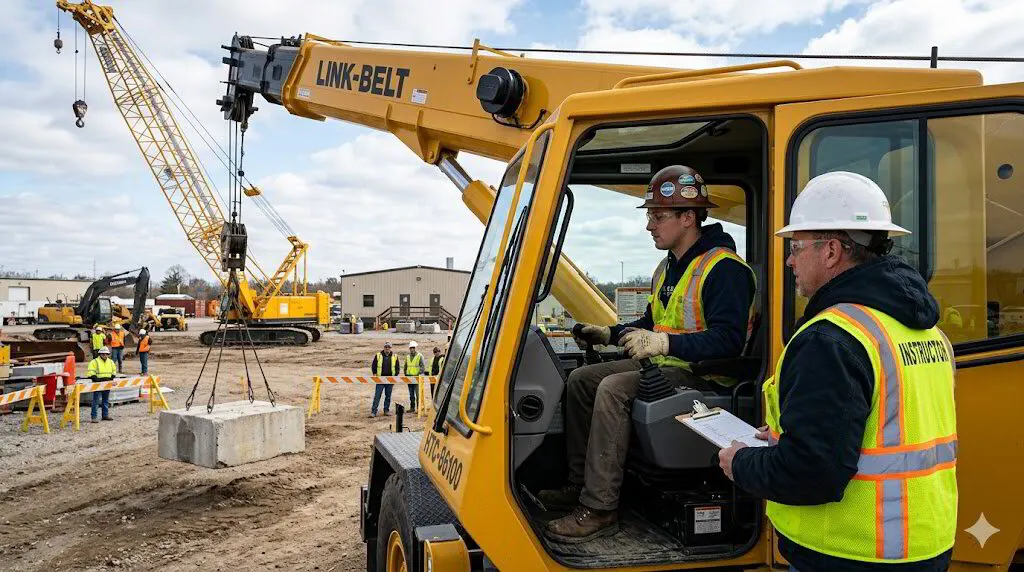 The Ultimate Guide to Crane Operator Field Training Programs: Certification & Career SuccessIn the ever-evolving construction industry, the need for certified crane operators is paramount, making effective…
-
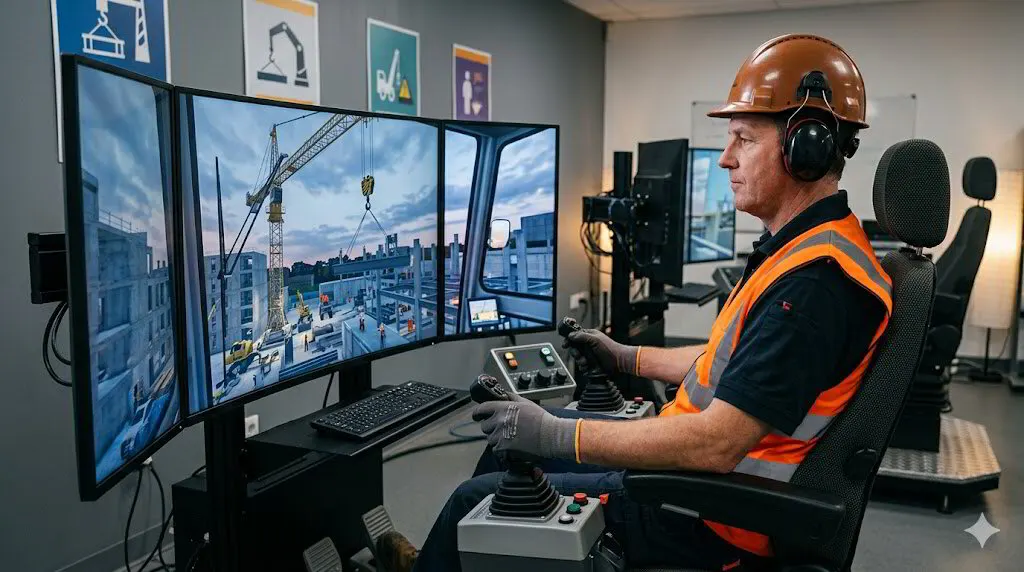 How Crane Simulators Enhance Operator Skills for Safer Construction PracticesAs the construction industry increasingly embraces technology, crane operator training has evolved significantly,…
-
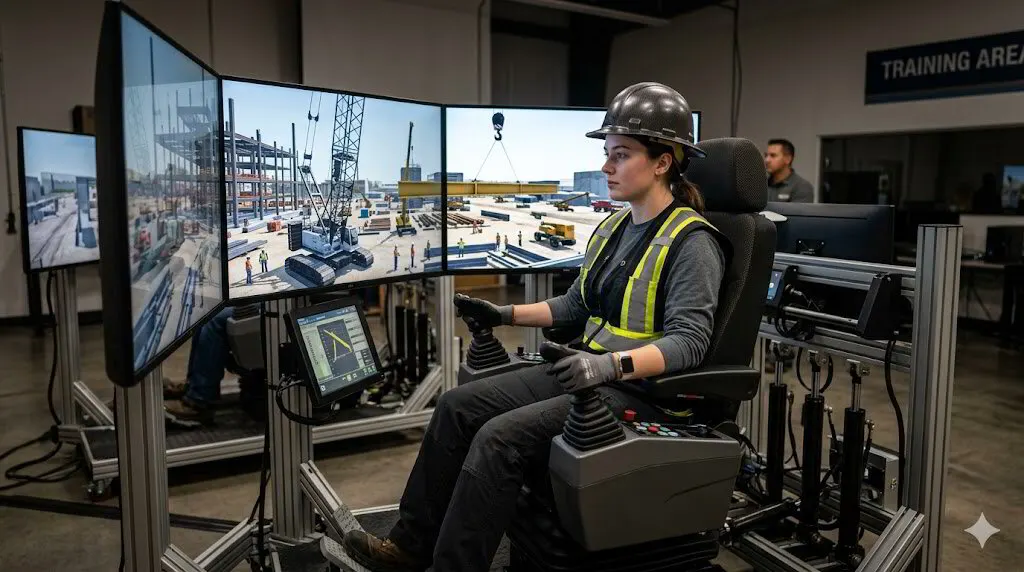 Unlocking Efficiency: The Benefits of Crane Simulator Training for Aspiring OperatorsCrane simulator training is revolutionizing the skill development of aspiring crane operators, offering a safe and…