
Operating cranes in construction environments demands unwavering attention to safety protocols and rigorous adherence to established guidelines. The construction industry relies heavily on crane operations for heavy lifting tasks, making crane safety best practices fundamental to successful project completion and worker protection. Every day, crane operators face complex challenges that require precise decision-making, technical expertise, and comprehensive safety awareness.
The responsibility of crane operators extends far beyond simply moving materials from point A to point B. These skilled professionals must maintain constant vigilance regarding load dynamics, environmental conditions, equipment functionality, and personnel safety within the operational zone. Their decisions directly impact not only their own safety but also the well-being of ground crews, nearby workers, and the structural integrity of construction projects.
NCCCO certification serves as the industry standard for validating crane operator competency, establishing baseline knowledge requirements that encompass both technical skills and safety protocols. This certification framework ensures operators possess essential knowledge about equipment limitations, load calculations, rigging procedures, and emergency response protocols. Understanding these fundamentals creates the foundation for implementing effective crane safety best practices throughout daily operations, ultimately contributing to reduced accident rates and enhanced workplace safety standards across construction sites.
Understanding the Risks Involved
Crane operations present numerous inherent hazards that can result in catastrophic consequences when proper safety measures are neglected. The most prevalent risks include load drops, equipment tip-overs, electrical contact incidents, and struck-by accidents involving moving crane components. These hazards are amplified by factors such as adverse weather conditions, inadequate ground support, mechanical failures, and human error during critical operational phases.
Statistical analysis reveals that crane-related accidents often stem from preventable causes, with operator error accounting for approximately 80% of incidents according to industry safety reports. Common contributing factors include exceeding load capacity limits, inadequate pre-operational inspections, poor communication between operators and ground personnel, and insufficient understanding of load dynamics. Environmental hazards such as high winds, electrical power lines, and unstable ground conditions further compound these risks, creating potentially deadly scenarios for unprepared operators.
The impact of improper crane operator training extends beyond immediate safety concerns, affecting project timelines, insurance costs, and company reputation. Inadequately trained operators may struggle to recognize developing hazardous conditions, fail to implement appropriate corrective measures, or make critical errors in load handling procedures. Heavy lifting safety protocols become meaningless without proper implementation, emphasizing the vital importance of comprehensive training programs that address both theoretical knowledge and practical application skills.
Construction companies that neglect proper certification training programs often experience higher accident rates, increased insurance premiums, and potential legal liability issues. The financial implications of crane accidents can reach millions of dollars, considering property damage, medical expenses, legal fees, and project delays. These consequences underscore the critical importance of investing in quality training programs that emphasize rigorous safety standards and operational excellence.
Key Crane Safety Best Practices
Pre-Operational Inspection Protocols
Comprehensive pre-operational checks form the cornerstone of effective crane safety best practices, requiring systematic evaluation of all critical systems before beginning work activities.
Operators must inspect wire ropes for fraying, kinking, or broken wires, examine hooks for cracks or deformation, and verify proper function of all safety devices including load blocks, boom stops, and warning systems. Hydraulic systems require careful attention to fluid levels, hose condition, and cylinder operation, while electrical systems need inspection for damaged wiring, proper grounding, and functional control mechanisms.
Documentation of inspection findings ensures accountability and provides valuable maintenance scheduling information for equipment managers. Any identified deficiencies must be addressed immediately before equipment operation, with detailed records maintained for regulatory compliance and safety auditing purposes.
Load Management and Capacity Awareness
Understanding load dynamics and capacity limitations represents a fundamental aspect of safe crane operations. Operators must calculate total lifted weight including rigging equipment, consider load radius effects on capacity, and account for dynamic forces during lifting operations.
Load charts provide essential reference information, but operators must interpret these charts correctly while considering site-specific conditions such as ground stability, wind effects, and operational radius requirements.
Proper rigging safety best practices include selecting appropriate slings, calculating sling angles, and ensuring secure attachment points that distribute loads evenly. Operators must communicate continuously with riggers to verify load preparation and maintain awareness of changing conditions throughout lifting operations.
Communication Protocols and Signal Systems
Effective communication between crane operators and ground personnel prevents accidents and ensures coordinated lifting operations. Standardized hand signals, radio communication procedures, and designated signal persons create clear communication channels that eliminate confusion during critical operational phases. Signal persons must maintain visual contact with operators and possess thorough understanding of standard crane signals as outlined in NCCCO certification materials.
Emergency communication procedures require immediate response protocols for equipment malfunctions, weather changes, or developing hazardous conditions. All personnel involved in lifting operations must understand emergency signals and appropriate response actions to ensure rapid implementation of safety measures.
Environmental Awareness and Weather Considerations
Weather conditions significantly impact crane safety, requiring operators to monitor wind speeds, precipitation, lightning activity, and visibility conditions throughout work periods. Most crane operation guidelines specify maximum wind speed limits for safe operation, typically ranging from 20-39 mph depending on equipment type and load characteristics. Temperature extremes affect hydraulic fluid performance, wire rope flexibility, and operator comfort levels that influence decision-making capabilities.
Ground conditions must be evaluated continuously, particularly following precipitation events that may compromise stability. Proper cribbing, outrigger placement, and ground preparation techniques ensure adequate support for lifting operations while preventing equipment instability.
Comparison of Training Methods
Classroom Training Versus Practical Sessions
Traditional classroom instruction provides essential theoretical knowledge covering load calculations, safety regulations, equipment specifications, and operational procedures. This structured learning environment allows comprehensive coverage of NCCCO certification requirements, regulatory compliance topics, and industry standards that form the foundation of safe crane operations. However, classroom training alone cannot adequately prepare operators for real-world challenges that require hands-on experience and practical decision- making skills.
Practical training sessions offer invaluable experience operating actual equipment under controlled conditions, allowing students to develop muscle memory, spatial awareness, and operational confidence. These hands-on experiences enable students to practice pre-operational inspections, load handling techniques, and emergency procedures while receiving immediate feedback from qualified instructors.
Online Training Options and Limitations
Digital learning platforms provide flexible scheduling options and standardized content delivery that appeals to busy construction professionals seeking certification training programs. Online modules effectively cover theoretical concepts, regulatory requirements, and safety protocols through interactive presentations, video demonstrations, and assessment tools. However, online training cannot replace hands-on equipment experience necessary for developing practical operational skills.
Blended learning approaches combining online theoretical instruction with practical equipment sessions optimize training efficiency while ensuring comprehensive skill development. This hybrid methodology allows students to complete knowledge-based learning at their own pace while dedicating classroom time to hands-on practice and skill refinement.
Equipment Practice Time and Skill Development
Dedicated equipment practice sessions provide opportunities to develop precise control techniques, load handling skills, and emergency response capabilities under instructor supervision. Students gain experience operating different crane types, practicing various rigging configurations, and responding to simulated emergency scenarios that mirror real-world challenges. This practical experience builds confidence and competency that cannot be achieved through theoretical instruction alone.
Regulatory Guidelines and Industry Standards
OSHA regulations establish mandatory safety requirements for crane operations, including operator certification standards, equipment inspection protocols, and workplace safety measures.
These regulations require operators to demonstrate competency through recognized certification programs such as NCCCO certification, which validates knowledge of safety procedures, equipment limitations, and operational best practices.
NCCCO certification requirements encompass both written examinations and practical assessments that evaluate operator knowledge and skills across multiple competency areas.
The certification process ensures operators understand load chart interpretation, rigging procedures, safety protocols, and emergency response requirements necessary for safe equipment operation.
Industry standards developed by organizations such as ASME and ANSI provide additional guidance for equipment design, maintenance procedures, and operational safety measures.
These standards complement regulatory requirements by establishing best practices that promote consistent safety performance across the construction industry. Compliance with these standards demonstrates commitment to safety excellence and professional competency.
Conclusion and Next Steps
Implementing comprehensive crane safety best practices requires dedication to continuous learning, rigorous adherence to established protocols, and commitment to professional development through proper certification training. The construction industry's reliance on crane operations demands operators who possess both technical competency and unwavering safety consciousness. Success in this field depends on understanding equipment limitations, environmental factors, and regulatory requirements while maintaining focus on accident prevention and operational excellence.
Miller Crane Works provides comprehensive crane operator training programs designed to develop the skills and knowledge necessary for safe, efficient crane operations. Our certification training programs combine classroom instruction with hands-on equipment practice to ensure students receive complete preparation for NCCCO certification and professional success.
Ready to advance your crane operation career with proper safety training? Visit Miller Crane Works at https://millercraneworks.com/ to explore our comprehensive certification training programs and take the first step toward becoming a skilled, safety-conscious crane operator.
-
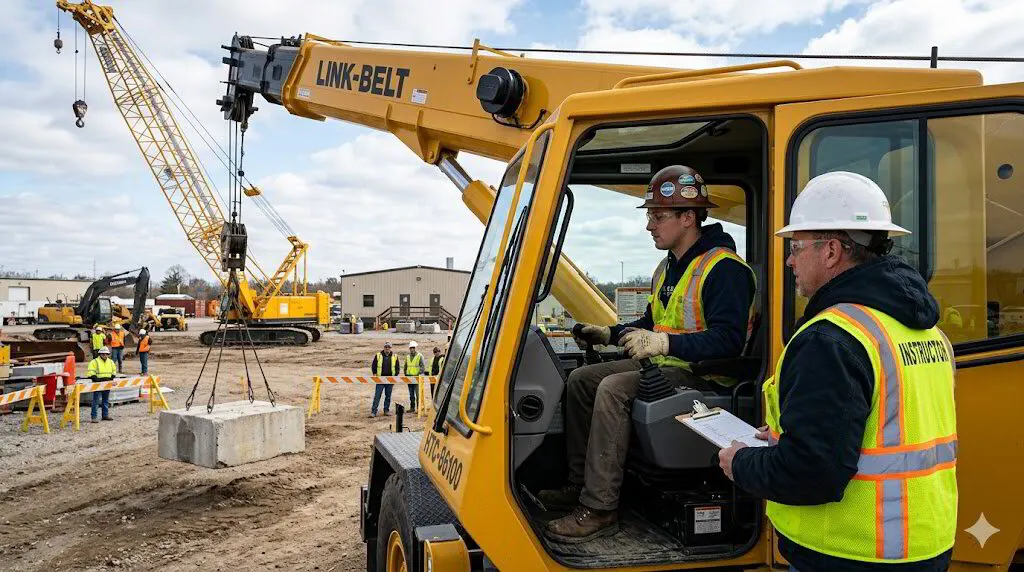 The Ultimate Guide to Crane Operator Field Training Programs: Certification & Career SuccessIn the ever-evolving construction industry, the need for certified crane operators is paramount, making effective…
-
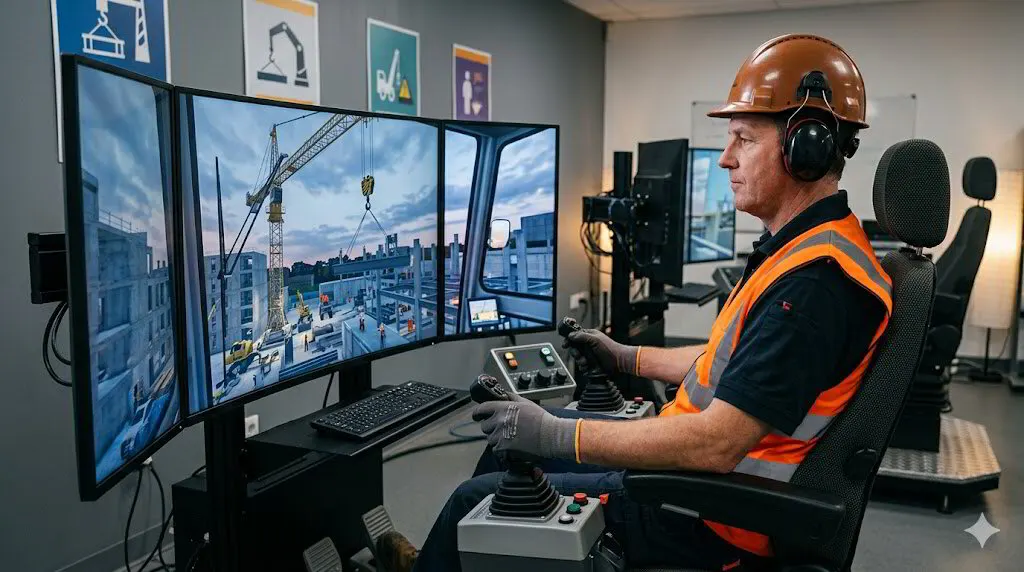 How Crane Simulators Enhance Operator Skills for Safer Construction PracticesAs the construction industry increasingly embraces technology, crane operator training has evolved significantly,…
-
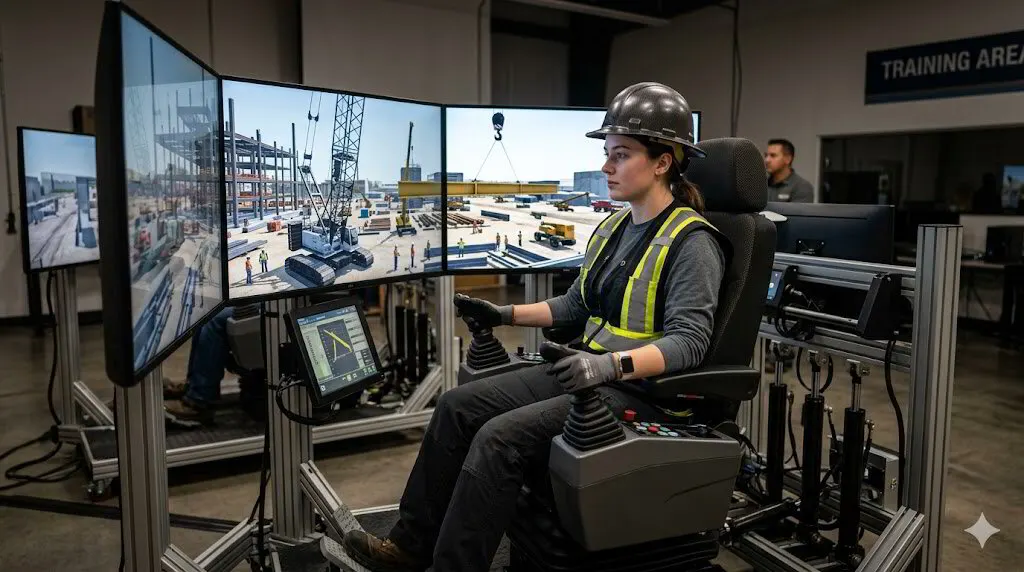 Unlocking Efficiency: The Benefits of Crane Simulator Training for Aspiring OperatorsCrane simulator training is revolutionizing the skill development of aspiring crane operators, offering a safe and…