
In today's construction and heavy industry landscape, skilled crane operators are in tremendous demand. The specialized nature of operating heavy lifting equipment requires comprehensive training and proper certification to ensure workplace safety and operational efficiency. Finding a qualified crane operator school near me has become a priority for many professionals seeking to advance their careers or enter this lucrative field.
Crane operator certification is not merely a recommendation—it's an essential requirement for most employers in the construction, manufacturing, and industrial sectors. The National Commission for the Certification of Crane Operators (NCCCO) has established rigorous standards that ensure operators possess the knowledge and skills necessary to handle complex lifting operations safely. Without proper certification, operators face limited job opportunities and potential legal liabilities.
Training options for aspiring crane operators have evolved significantly, offering various pathways to certification. From traditional classroom instruction to hands-on practical sessions, modern crane training programs combine theoretical knowledge with real-world application. These comprehensive approaches prepare students for the challenges they'll encounter in their professional careers while ensuring they meet industry standards.
The investment in quality crane operator training pays substantial dividends throughout a professional's career. Certified operators typically command higher salaries, enjoy greater job security, and have access to more prestigious projects. Additionally, proper training significantly reduces the risk of workplace accidents, protecting both the operator and their colleagues from potentially devastating incidents.
What to Look for in a Crane Operator School
Selecting the right crane operator school requires careful evaluation of several critical factors that directly impact the quality of education and training you'll receive. The first and most important consideration is accreditation and certification recognition. Ensure that any crane operator school near me you're considering is properly accredited and offers programs that lead to NCCCO certification or other industry-recognized credentials.
The range of courses offered by a training facility reflects its commitment to comprehensive education. Look for schools that provide multiple crane training programs, including mobile crane operations, tower crane certification, and specialized equipment training. A diverse curriculum indicates that the institution understands the varied demands of the modern construction industry and can prepare students for different career paths within crane operations.
Qualified instructors form the backbone of any successful training program. Investigate the backgrounds of teaching staff, ensuring they possess both current certifications and extensive field experience. Instructors who have worked as professional crane operators bring invaluable real-world insights that textbooks cannot provide. Their practical knowledge helps students understand not just the technical aspects of operation but also the nuances of working in various environmental conditions and project scenarios.
Facilities and equipment availability directly correlate with the quality of hands-on training students receive. Modern training centers should feature up-to-date crane models that reflect current industry standards. Access to various types of equipment allows students to gain experience with different operational systems and control mechanisms they'll encounter in their careers.
Flexible scheduling options accommodate the diverse needs of working professionals and career changers. Many students pursue crane operator classes while maintaining other employment commitments.Classes are held only at the Seagoville yard, and only the TWC-approved courses are offered.
Types of Crane Courses Offered
Modern crane training programs encompass a wide variety of specialized courses designed to meet the diverse needs of the heavy lifting industry. Understanding the different types of training available helps prospective students select programs that align with their career goals and the specific demands of their target employment sectors.
Mobile crane courses represent the most popular and versatile training option for many students. These programs focus on truck-mounted and rough-terrain cranes commonly used in construction and industrial applications. Mobile crane training covers essential topics including load calculations, rigging procedures, operational safety protocols, and equipment inspection procedures. Students learn to operate cranes in various configurations while understanding the principles of crane stability and load dynamics. The practical components of mobile crane courses typically include hands-on operation time, allowing students to develop the muscle memory and spatial awareness essential for safe crane operation.
Tower crane courses cater to operators planning to work on high-rise construction projects and urban development sites. These specialized programs address the unique challenges of operating fixed cranes at significant heights. Training encompasses climb procedures, load path planning in congested urban environments, and coordination with multiple trades working simultaneously. Tower crane operators must understand wind effects on loads at elevation, emergency procedures specific to high-rise operations, and communication protocols essential for safe operation in busy construction zones.
Lattice crane courses focus on the largest and most complex lifting equipment used in heavy industrial applications. These powerful machines require specialized knowledge of boom configuration, counterweight systems, and advanced rigging techniques. Students learn to calculate load charts for various boom lengths and configurations while understanding the assembly and disassembly procedures that make lattice cranes suitable for large-scale projects. The training emphasizes precision planning and execution, as lattice crane operations often involve extremely heavy loads and complex lifting scenarios.
Rigger and signal-person certification programs complement crane operator training by addressing the critical support roles essential for safe lifting operations. Rigger certification covers proper sling selection, load attachment techniques, and weight estimation methods. Signal-person training focuses on standardized communication methods, visual signals, and radio protocols that ensure clear communication between crane operators and ground personnel. These certifications are increasingly required by employers and enhance the versatility of crane operators in the job market.
These targeted programs allow operators to develop expertise with specific types of equipment they'll encounter in their chosen career paths.
Benefits of Choosing Miller Crane Works
Miller Crane Works distinguishes itself in the crane operator training industry through its commitment to excellence and comprehensive approach to professional development. The experienced instructors at Miller Crane Works bring decades of combined field experience to the classroom, ensuring students receive training grounded in real-world applications and industry best practices.
The instructional team consists of certified professionals who have worked extensively in construction, industrial, and specialized lifting operations. This diverse background enables them to share insights from various industry sectors, helping students understand how crane operations differ across different types of projects. Their experience includes work on major construction projects, industrial maintenance operations, and specialized lifting scenarios that provide rich context for theoretical concepts covered in coursework.
Hands-on practical training sessions form the cornerstone of the Miller Crane Works educational approach. Rather than relying solely on classroom instruction, students spend significant time operating actual crane equipment under expert supervision. These practical sessions allow students to develop the coordination, spatial awareness, and decision-making skills essential for safe and efficient crane operation. The facility maintains modern equipment that reflects current industry standards, ensuring students train on the types of machines they'll encounter in their professional careers.
The personalized training approach at Miller Crane Works recognizes that students come from diverse backgrounds with varying levels of mechanical experience and learning preferences. Instructors adapt their teaching methods to accommodate different learning styles while ensuring all students master essential competencies. Small class sizes enable individualized attention and allow instructors to identify and address specific areas where students may need additional support or practice.
The comprehensive curriculum and thorough preparation ensure students are well-equipped to succeed on NCCCO examinations and other industry certification tests. This success translates directly into career opportunities, as employers recognize the quality of training provided by Miller Crane Works graduates.Miller Crane Works does not offer job placement.
How to Find a Crane Operator School Near You
Locating a quality crane operator school near me requires a systematic approach that combines online research with industry networking and professional recommendations.The search process should prioritize schools that offer comprehensive training programs, proper accreditation, and strong industry connections.
Using search engines effectively begins with specific keyword searches that include your geographic location. Terms like "crane training programs" combined with your city or region will yield targeted results for local training facilities. However, don't limit your search to immediate proximity—sometimes traveling a reasonable distance to access superior training facilities and programs proves worthwhile for the long-term career benefits.
Online searches should extend beyond basic directory listings to include detailed research into each potential school's website, course offerings, and student resources. Look for comprehensive information about curriculum, instructor qualifications, equipment availability, and certification success rates. Schools that provide detailed information about their programs demonstrate transparency and confidence in their educational offerings.
Asking for referrals from industry professionals provides valuable insights that online research cannot match. Construction supervisors, project managers, and experienced crane operators can offer firsthand knowledge about local training facilities and their reputations within the industry. These professionals understand the practical skills and knowledge that effective training programs should provide and can recommend schools that consistently produce well-prepared graduates.
Local construction trade organizations serve as excellent resources for training program recommendations. Many regions have construction industry associations that maintain relationships with quality training providers and may offer guidance on selecting appropriate programs. These organizations often host networking events where prospective students can connect with industry professionals and gather information about training opportunities.
Evaluating online reviews requires careful consideration of both positive and negative feedback. Look for patterns in reviews that highlight consistent strengths or weaknesses in training programs. Pay particular attention to reviews from graduates who have successfully found employment after completing their training, as these provide the best indicators of program effectiveness and industry recognition.
The Certification Process
Understanding the certification process helps prospective crane operators prepare effectively for their training and examination requirements. The pathway to becoming a certified crane operator involves several distinct phases, each building upon previous knowledge and skills to ensure comprehensive competency development.
The initial phase involves enrollment in an appropriate crane training program that aligns with your career goals and the types of equipment you plan to operate. During this selection process, consider factors such as program duration, scheduling flexibility, and the specific certifications offered upon completion. Most comprehensive programs require several weeks of training, combining classroom instruction with hands-on practical experience.
Classroom instruction forms the foundation of crane operator education, covering essential topics including load dynamics, rigging principles, safety regulations, and equipment maintenance procedures. Students learn to interpret load charts, calculate lifting capacities under various conditions, and understand the physics principles that govern safe crane operation. This theoretical knowledge provides the framework for making informed decisions during actual lifting operations.
Practical training sessions allow students to apply theoretical knowledge while developing the physical skills and spatial awareness essential for crane operation. Under instructor supervision, students practice basic operational procedures, load handling techniques, and emergency response protocols. These sessions progressively increase in complexity, challenging students to demonstrate competency in various operational scenarios.
Preparation for certification examinations requires dedicated study and practice beyond regular class sessions. Students should review course materials regularly, practice load calculations, and familiarize themselves with industry regulations and standards. Many successful candidates form study groups to review challenging concepts and share insights about examination preparation strategies.
The NCCCO examination process consists of written and practical components that comprehensively evaluate candidate knowledge and skills. The written examination covers theoretical knowledge, safety regulations, and operational procedures. The practical examination requires candidates to demonstrate actual crane operation skills under the observation of certified evaluators. Success requires thorough preparation and confidence in both theoretical knowledge and practical abilities.
Following successful completion of examinations, new operators receive certification credentials that validate their competency to potential employers. However, certification represents the beginning rather than the end of professional development. Ongoing education, recertification requirements, and continuous skill development ensure operators maintain current knowledge and adapt to evolving industry standards and equipment technologies.
Testimonials and Success Stories
The success of Miller Crane Works graduates demonstrates the effectiveness of comprehensive crane operator training and the career opportunities available to certified professionals. These real-world examples illustrate how quality education translates into meaningful career advancement and professional satisfaction.
James Rodriguez, a recent graduate of the mobile crane operator certification program, secured employment with a major construction company within two weeks of completing his training. His employer specifically cited the thorough preparation and practical experience gained at Miller Crane Works as factors in their hiring decision. James now operates cranes on commercial construction projects throughout the region and has already received recognition for his safety record and operational efficiency.
Sarah Chen transitioned from general construction work to crane operation after completing tower crane certification at Miller Crane Works. The career change resulted in a significant salary increase and opened opportunities for advancement into supervisory roles. Sarah credits the personalized instruction and hands-on training approach with giving her the confidence to pursue a challenging new career path. She now mentors other women entering the construction trades and advocates for quality training as the foundation for career success.
Miller Crane Works has also successfully trained entire crews for construction companies seeking to develop internal crane operation capabilities. ABC Construction enrolled five employees in various operator certification courses, resulting in improved project efficiency and reduced equipment rental costs. The company's project manager noted that having certified operators on staff enhanced their competitive position when bidding on projects requiring specialized lifting capabilities.
The school's rigger and signal-person certification programs have produced graduates who have advanced into crane operation roles and supervisory positions. Mark Thompson completed signal-person certification as his entry point into the crane industry and later returned for full operator certification. His understanding of ground operations and communication protocols made him an exceptionally effective crane operator, and he now serves as a safety coordinator for a major industrial contractor.
These success stories reflect the broader impact of quality crane operator training on individual careers and industry safety standards. Graduates consistently report that their Miller Crane Works education provided not just certification but also the confidence and competence needed to excel in demanding professional environments.
Conclusion and Next Steps
The journey to becoming a certified crane operator begins with selecting the right training program that provides comprehensive education, practical experience, and industry-recognized certification. The investment in quality crane operator classes pays substantial dividends throughout a professional career, offering enhanced earning potential, job security, and opportunities for advancement in the growing construction and industrial sectors.
Finding the best crane operator school near me requires careful evaluation of multiple factors, including accreditation, instructor qualifications, equipment availability, and program comprehensiveness. The decision should prioritize long-term career benefits over short-term convenience, as the quality of initial training significantly impacts professional success and safety performance throughout an operator's career.
Miller Crane Works offers the comprehensive training, experienced instruction, and industry connections that successful crane operators need to launch and advance their careers. The school's commitment to excellence, personalized instruction approach, and proven track record of graduate success make it an ideal choice for aspiring crane operators and experienced professionals seeking to expand their certifications.
The next step in your crane operator career journey involves taking action to begin the training process. Contact Miller Crane Works today to discuss your career goals, explore available programs, and schedule a facility tour. The experienced staff can provide personalized guidance on selecting the most appropriate certification path and answer any questions about the training process, scheduling options, and career prospects.
Frequently Asked Questions (FAQ)
Ready to start your crane operator career? Contact Miller Crane Works today to learn more about our comprehensive training programs and take the first step toward a rewarding career in crane operations.
Visit https://millercraneworks.com/ to explore our course offerings and schedule your training consultation.
-
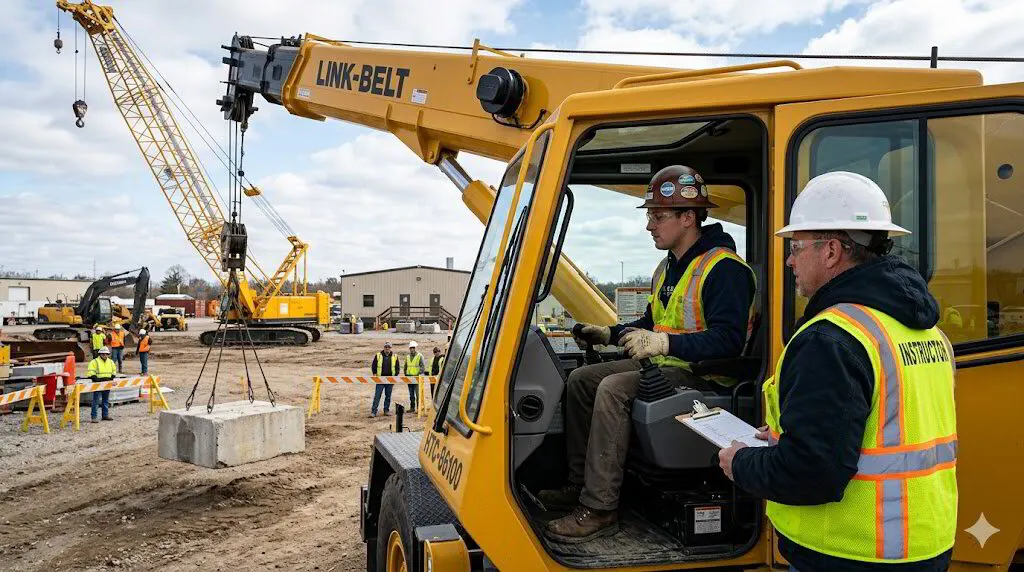 The Ultimate Guide to Crane Operator Field Training Programs: Certification & Career SuccessIn the ever-evolving construction industry, the need for certified crane operators is paramount, making effective…
-
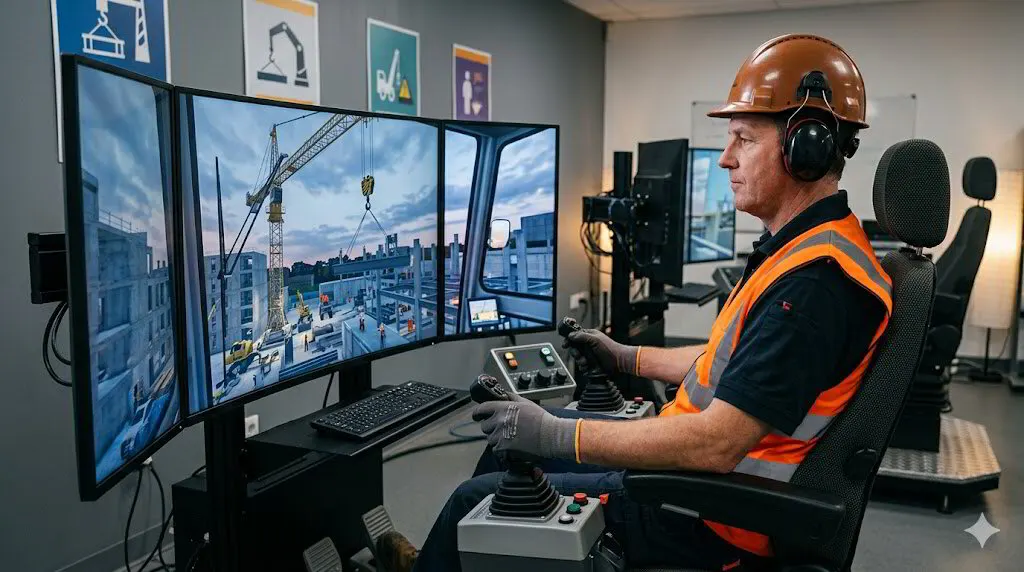 How Crane Simulators Enhance Operator Skills for Safer Construction PracticesAs the construction industry increasingly embraces technology, crane operator training has evolved significantly,…
-
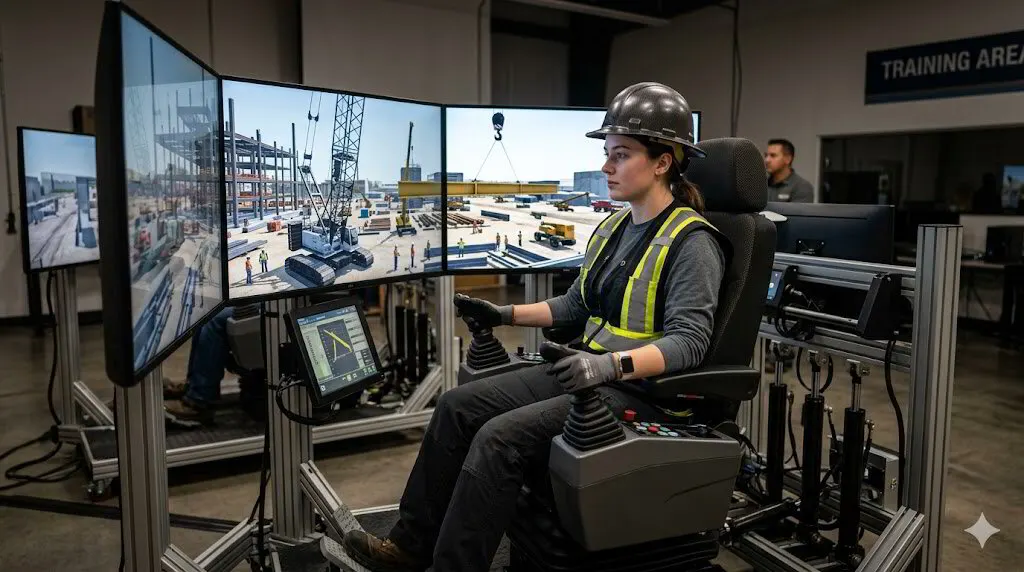 Unlocking Efficiency: The Benefits of Crane Simulator Training for Aspiring OperatorsCrane simulator training is revolutionizing the skill development of aspiring crane operators, offering a safe and…