
Understanding the Bid Group in Crane Certification: A Comprehensive Guide
Introduction to Crane Certification
The construction industry operates under strict safety regulations, and nowhere is this more critical than in crane operations. With heavy machinery capable of lifting thousands of pounds at significant heights, proper certification ensures both operator competence and workplace safety. Understanding the bid group in crane certification represents a fundamental aspect of professional development that every serious crane operator must master.
The National Commission for the Certification of Crane Operators (NCCCO) has established itself as the gold standard for crane operator certification in North America. This organization develops comprehensive testing protocols and certification requirements that ensure operators possess the necessary knowledge and skills to perform their duties safely and effectively. NCCCO certification covers various crane types, from mobile cranes to tower cranes, each requiring specific expertise and understanding.
Who needs certification? The answer extends beyond individual operators. Construction companies, heavy lifting contractors, and industrial facilities require certified personnel to maintain compliance with OSHA regulations and industry standards. Crane operators, riggers, signal persons, and supervisory personnel all benefit from proper certification. Additionally, equipment rental companies and construction firms often mandate certification for their employees to reduce liability and ensure project success.
The certification process involves both written examinations and practical assessments, designed to evaluate theoretical knowledge and hands-on competency. This comprehensive approach ensures that certified operators can handle real-world challenges while maintaining the highest safety standards throughout their careers.
What is the Bid Group in Crane Certification?
The bid group in crane certification refers to a specific assessment methodology used to evaluate crane operators' competency across multiple operational scenarios and equipment configurations. This systematic approach groups related skills, knowledge areas, and practical applications into cohesive evaluation units that provide a comprehensive picture of an operator's capabilities.
Within the NCCCO certification framework, the bid group concept encompasses various assessment categories that test different aspects of crane operation. These groups typically include written examinations covering safety regulations, load calculations, and equipment specifications, alongside practical evaluations that assess hands-on operational skills. The bid group structure ensures that certification covers all essential competencies required for safe and effective crane operation.
The role of the bid group in the certification process extends beyond simple testing. It provides a structured framework for organizing training curricula, establishing performance benchmarks, and creating standardized evaluation criteria. This systematic approach enables training providers to develop comprehensive programs that address all necessary competencies while ensuring consistency across different training facilities and instructors.
Assessment types within bid groups include theoretical knowledge evaluations, practical skill demonstrations, safety protocol assessments, and equipment-specific competency tests. Written examinations typically cover regulations, load charts, rigging principles, and safety procedures. Practical assessments involve actual crane operation, including pre-operation inspections, load handling, and emergency procedures.
The bid group methodology also incorporates progressive skill development, allowing operators to advance through different certification levels. Entry-level certifications focus on fundamental operations, while advanced certifications address specialized equipment and complex lifting scenarios. This tiered approach ensures that operators receive appropriate training for their experience level and job requirements.
Understanding bid group classifications helps operators identify specific areas for improvement and focus their training efforts effectively. It also assists employers in selecting appropriately certified personnel for specific projects and equipment types, ensuring optimal safety and productivity outcomes.
The Importance of the Bid Group in Training and Certification
Understanding the bid group in crane certification provides numerous benefits for both individual operators and construction organizations. This systematic approach to competency evaluation ensures comprehensive skill development while maintaining consistent standards across the industry. The structured nature of bid groups helps identify specific strengths and weaknesses in operator performance, enabling targeted training interventions.
The bid group framework significantly affects operator assessment by providing clear performance criteria and evaluation standards. Rather than subjective assessments, operators are evaluated against specific, measurable competencies that directly relate to job performance. This objective approach ensures fair and consistent evaluation while providing operators with clear goals for professional development.
From a safety perspective, the bid group concept enhances workplace safety by ensuring operators possess comprehensive skills across all relevant operational areas. Traditional training approaches might focus heavily on basic operations while neglecting critical safety procedures or specialized scenarios. The bid group methodology ensures balanced competency development across all essential areas.
Compliance benefits extend throughout construction organizations implementing bid group-based certification programs. OSHA regulations require qualified operators for crane operations, and bid group certifications provide clear documentation of operator competencies. This comprehensive approach reduces liability exposure while demonstrating organizational commitment to safety excellence.
The impact on career development cannot be overstated. Operators who understand bid group requirements can strategically plan their professional advancement, identifying specific certifications needed for career progression. This clarity enables focused training investments and accelerated skill development.
For training organizations, bid group concepts provide a framework for curriculum development and program evaluation. Training providers can ensure comprehensive coverage of all necessary competencies while maintaining program efficiency. This systematic approach also facilitates continuous improvement through structured feedback and performance analysis.
Construction companies benefit from reduced training costs and improved operator performance when implementing bid group-based certification programs. The comprehensive nature of this approach reduces the need for additional specialized training while ensuring operators can handle diverse operational challenges effectively.
Elements of a Successful Certification Program
A successful crane operator certification program incorporates several key components that ensure comprehensive skill development and long-term competency maintenance. The foundation of any effective program begins with thorough theoretical instruction covering safety regulations, equipment specifications, and operational procedures. This knowledge base provides the essential understanding operators need to make informed decisions during complex lifting operations.
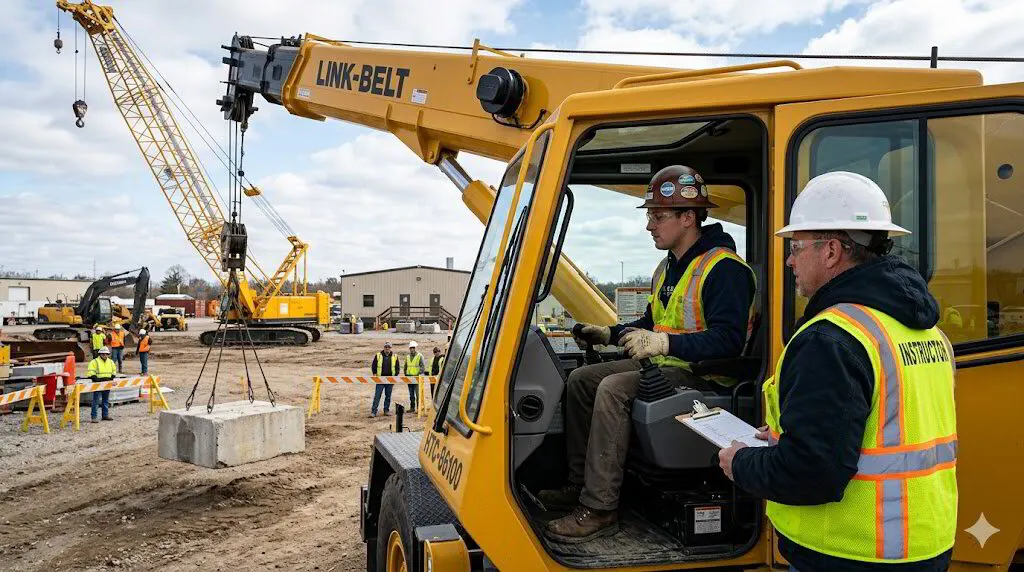
Hands-on practical training sessions represent the cornerstone of effective certification programs. These sessions allow operators to apply theoretical knowledge in controlled environments while developing muscle memory and operational confidence. Quality programs provide extensive equipment practice time across various crane types and configurations, ensuring operators gain experience with the specific machinery they'll encounter in their careers.
Best practices for training methods include progressive skill development, starting with basic operations and advancing to complex scenarios. Effective programs incorporate simulation exercises, emergency response training, and real-world problem-solving activities. Interactive learning approaches, including group discussions and peer learning opportunities, enhance knowledge retention and skill transfer.
Instructor qualifications play a crucial role in program success. The most effective programs employ certified instructors with extensive field experience who can provide practical insights and real-world examples. These instructors understand both theoretical concepts and practical applications, enabling them to bridge the gap between classroom learning and job site reality.
Assessment methodologies within successful programs mirror real-world operational requirements. Rather than relying solely on written examinations, comprehensive programs incorporate practical evaluations that test operators' abilities to perform actual job tasks safely and efficiently. These assessments include pre-operation inspections, load calculations, rigging procedures, and emergency response protocols.
Continuous improvement mechanisms ensure programs remain current with industry developments and regulatory changes. Successful programs regularly update curricula, incorporate new technologies, and adapt to evolving safety standards. This commitment to excellence ensures graduates receive training that meets current industry requirements and prepares them for future challenges.
The integration of technology enhances modern certification programs through computer-based training modules, virtual reality simulations, and digital assessment tools. These technological enhancements provide flexible learning options while maintaining rigorous standards for competency evaluation.
How to Apply Bid Group Concepts in Training
Implementing bid group concepts in crane operator training requires strategic planning and systematic execution to maximize effectiveness. Training organizations must first analyze bid group requirements and develop curricula that address all necessary competencies while maintaining logical progression through skill development levels. This process begins with comprehensive mapping of bid group elements to specific training modules and assessment criteria.
Successful implementation strategies include modular training design that allows operators to progress through bid group requirements systematically. Each module should focus on specific competency areas while building upon previously acquired skills. This approach enables flexible scheduling while ensuring comprehensive coverage of all bid group requirements.
Assessment integration represents a critical component of successful bid group implementation. Training programs should incorporate regular evaluations that mirror bid group assessment criteria, providing operators with clear feedback on their progress. These assessments help identify areas requiring additional attention while building confidence through demonstrated competency achievement.
Examples of successful training programs demonstrate the effectiveness of bid group-based approaches. Leading training organizations have developed comprehensive programs that combine classroom instruction, simulator training, and extensive hands-on practice. These programs typically feature small class sizes, individualized attention, and flexible scheduling to accommodate working professionals' needs.
One notable case study involves a major construction company that implemented bid group-based training for their entire crane operator workforce. The program resulted in a 40% reduction in safety incidents and significant improvements in operational efficiency. Operators reported increased confidence and job satisfaction, while the company experienced reduced insurance costs and improved project timelines.
Another successful implementation involved a training consortium that developed standardized bid group curricula for multiple construction companies. This collaborative approach reduced training costs while ensuring consistent competency standards across participating organizations. The program's success led to its adoption by additional companies and recognition as an industry best practice.
Technology integration enhances bid group implementation through learning management systems that track individual progress through competency requirements. These systems provide detailed analytics on learning outcomes while enabling personalized training paths based on individual strengths and development needs.
Continuous feedback mechanisms ensure bid group implementation remains effective and responsive to industry changes. Regular program evaluations, graduate surveys, and employer feedback help identify opportunities for improvement while maintaining program relevance and effectiveness.
Recertification and Upskilling
Crane recertification represents an essential component of professional development that ensures operators maintain current competencies and stay informed about evolving safety standards. The construction industry's dynamic nature, with constantly advancing technologies and updated regulations, necessitates regular recertification to maintain professional credibility and legal compliance. NCCCO certification typically requires renewal every five years, though specific requirements may vary based on certification type and local regulations.
Understanding the bid group in crane certification becomes particularly important during recertification processes, as operators must demonstrate continued competency across all relevant skill areas. Recertification assessments often focus on areas where industry standards have evolved or where individual operators may need skill reinforcement. The bid group framework provides a systematic approach to identifying and addressing these development needs.
The recertification process typically involves both written examinations and practical assessments, similar to initial certification but with emphasis on advanced skills and updated regulations. Operators must demonstrate proficiency in new safety procedures, equipment technologies, and regulatory requirements that have emerged since their last certification. This comprehensive approach ensures that certified operators remain current with industry best practices.
Bid group concepts apply to recertification through structured competency evaluation that addresses all essential skill areas. Rather than focusing solely on basic operational skills, recertification examines advanced techniques, specialized equipment operation, and complex lifting scenarios. This comprehensive approach ensures that experienced operators continue to meet the highest professional standards throughout their careers.
Upskilling opportunities through advanced courses provide pathways for career advancement and specialization. Heavy lifting training, specialized rigging certification, and signal person certification represent common upskilling options that expand operators' capabilities and market value. These advanced certifications often build upon basic bid group competencies while introducing specialized skills and knowledge areas.
Tower crane courses and lattice crane courses offer specialization opportunities that can significantly enhance career prospects. These specialized certifications require additional training and assessment but provide access to higher-paying positions and more complex projects. The bid group framework helps operators understand the specific competencies required for these advanced certifications.
Construction safety training continues to evolve, with new emphasis on technology integration, environmental considerations, and advanced safety protocols. Operators who pursue ongoing education and upskilling demonstrate commitment to professional excellence while positioning themselves for career advancement opportunities in an increasingly competitive marketplace.
Conclusion and Summary
Understanding the bid group in crane certification represents a fundamental aspect of professional development that extends far beyond basic compliance requirements. Throughout this comprehensive guide, we've explored how bid group concepts provide a systematic framework for competency evaluation, training design, and career advancement in the crane operation industry. This structured approach ensures that operators develop comprehensive skills while maintaining the highest safety standards.
The importance of bid group understanding becomes evident when considering the complex nature of modern crane operations. Today's operators must navigate sophisticated equipment, complex lifting scenarios, and evolving safety regulations while maintaining productivity and efficiency. The bid group framework provides the structure necessary to develop and maintain these diverse competencies throughout one's career.
Key benefits of mastering bid group concepts include enhanced safety performance, improved career prospects, and increased professional credibility. Operators who understand these frameworks can strategically plan their professional development while ensuring they meet all necessary competency requirements. This knowledge also enables more effective training investments and accelerated skill development.
For construction organizations, implementing bid group-based training and certification programs results in improved safety outcomes, reduced liability exposure, and enhanced operational efficiency. These benefits translate directly to improved project outcomes and organizational success in an increasingly competitive marketplace.
The certification journey requires commitment to continuous learning and professional development. As the industry continues to evolve with new technologies and safety standards, operators must remain engaged with ongoing training and recertification requirements. Understanding bid group concepts provides the foundation for navigating these requirements effectively while building a successful, long-term career in crane operations.
Take the Next Step in Your Crane Certification Journey
Ready to advance your career with professional crane operator certification? Miller Crane Works offers comprehensive training programs designed around proven bid group methodologies that ensure you develop the complete skill set needed for success in today's construction industry. Our expert instructors provide hands-on practical training sessions with extensive equipment practice time across mobile crane courses, tower crane courses, and lattice crane courses.
Whether you're seeking initial NCCCO certification, planning for recertification, or looking to expand your skills with rigger and signal person certification, our professional training programs provide the comprehensive education you need. We understand that understanding the bid group in crane certification is crucial for your success, and our curricula are specifically designed to address all essential competency areas.
Don't let inadequate training limit your career potential. Enroll in our crane operator certification programs today and join the ranks of professionally certified operators who command higher wages and better job opportunities. Visit https://millercraneworks.com/ to explore our complete range of training options and take the first step toward advancing your career in the crane operation industry. Your future in construction safety training starts with the right certification foundation.
Web Standards & Documentation Reference
To ensure our pages are accurately indexed and structured for search engines, this site adheres to official XML schema guidelines.
- Sitemap XML Protocol 0.9 The authoritative schema standard (`http://www.sitemaps.org/schemas/sitemap/0.9`) for structuring URLs.
- Implementation FAQ Technical constraints, file size limits, and index file formatting.
-
 The Ultimate Guide to Crane Operator Field Training Programs: Certification & Career SuccessIn the ever-evolving construction industry, the need for certified crane operators is paramount, making effective…
-
 How Crane Simulators Enhance Operator Skills for Safer Construction PracticesAs the construction industry increasingly embraces technology, crane operator training has evolved significantly,…
-
 Unlocking Efficiency: The Benefits of Crane Simulator Training for Aspiring OperatorsCrane simulator training is revolutionizing the skill development of aspiring crane operators, offering a safe and…