
The construction industry demands precision, safety, and expertise, particularly when it comes to operating heavy machinery like cranes. For professionals seeking to advance their careers in crane operations, understanding the NCCCO crane certification requirements is essential for success in this specialized field. The National Commission for the Certification of Crane Operators (NCCCO) sets the gold standard for crane operator competency, providing industry-recognized credentials that validate skills and knowledge.
Whether you're an aspiring crane operator entering the construction workforce, a seasoned professional looking to expand your certifications, or a company seeking to ensure your team meets industry safety standards, navigating the certification landscape can seem complex. This comprehensive guide breaks down everything you need to know about NCCCO certification, from initial requirements to maintaining your credentials throughout your career. With proper certification, operators gain access to better job opportunities, increased earning potential, and the confidence that comes with demonstrated expertise in construction safety protocols.
Introduction to NCCCO Certification
The National Commission for the Certification of Crane Operators (NCCCO) represents the premier certification body for crane operators, riggers, and signal persons throughout North America. Established as an independent, non-profit organization, NCCCO develops comprehensive testing programs that evaluate both theoretical knowledge and practical skills essential for safe crane operation. The organization's mission centers on enhancing construction site safety through rigorous certification standards that protect workers and the public.
NCCCO certification serves as the industry benchmark for crane operator competency, recognized by major construction companies, government agencies, and regulatory bodies across the United States and Canada. The certification process validates that operators possess the technical knowledge, safety awareness, and practical skills necessary to operate complex lifting equipment safely and efficiently. This standardization helps employers identify qualified personnel while providing operators with portable credentials that enhance career mobility.
The importance of NCCCO certification in the construction industry cannot be overstated. Many jurisdictions now require NCCCO certification for crane operators working on public projects, and an increasing number of private contractors mandate certification as a condition of employment. Beyond regulatory compliance, certified operators demonstrate their commitment to professional excellence and workplace safety. Studies consistently show that certified operators experience fewer accidents and equipment failures, resulting in reduced insurance costs and improved project outcomes for construction companies.
Overview of NCCCO Crane Certification Requirements
Understanding the comprehensive NCCCO crane certification requirements is crucial for anyone pursuing certification in crane operations. The certification process encompasses multiple components designed to evaluate both theoretical knowledge and practical application of crane operation principles. These requirements ensure that certified operators possess the competency necessary to perform their duties safely and effectively in diverse construction environments.
Eligibility criteria for NCCCO certification are straightforward yet important to understand. Candidates must be at least 18 years old and demonstrate the physical ability to operate crane equipment safely. While formal education requirements are minimal, candidates should possess basic literacy and numeracy skills necessary to understand technical manuals, safety procedures, and operational guidelines. Most importantly, candidates must have relevant experience operating the specific type of crane for which they seek certification, typically requiring a minimum of 1,000 hours of documented operation time.
The NCCCO certification process covers various types of cranes, each with specific requirements tailored to the unique operational characteristics of different equipment. Mobile cranes, including truck-mounted, rough terrain, and all-terrain cranes, represent the most common certification category. Tower cranes, essential for high-rise construction projects, require specialized knowledge of assembly procedures and load management in vertical construction. Lattice boom cranes, often used in heavy industrial applications, demand understanding of complex rigging configurations and load calculations.
Specific requirements vary depending on the certification type pursued. Mobile crane certification requires demonstration of pre-operational inspection procedures, load chart interpretation, and safe operating practices in various ground conditions. Tower crane certification emphasizes understanding of assembly sequences, climbing procedures, and coordination with construction activities. All certifications require comprehensive knowledge of rigging principles, signal communication protocols, and emergency response procedures.
The NCCCO certification process also includes rigger and signal person certifications, which complement crane operator credentials. These specialized roles require understanding of load dynamics, rigging hardware selection, and communication protocols essential for safe lifting operations. Many employers prefer operators who hold multiple certifications, as this demonstrates comprehensive understanding of all aspects of lifting operations.
Documentation requirements form a critical component of the certification process. Candidates must provide verified employment records demonstrating relevant crane operation experience. Medical certification may be required to confirm physical fitness for crane operation duties. Additionally, candidates must complete application forms accurately and provide proper identification for examination purposes.
Steps to Obtain NCCCO Certification
The journey to obtain NCCCO certification follows a structured process designed to ensure candidates are thoroughly prepared for both written and practical examinations. Understanding each step in this process helps candidates plan their certification timeline effectively and allocate appropriate resources for preparation and training activities.
Pre-training assessments represent the initial step in the NCCCO certification process. These evaluations help identify knowledge gaps and determine the appropriate level of preparation required for successful certification. Candidates typically complete self-assessment questionnaires covering basic crane operation principles, safety protocols, and equipment knowledge. This assessment phase allows training providers to customize instruction programs based on individual candidate needs and experience levels.
Required training courses form the foundation of NCCCO certification preparation. While NCCCO does not mandate specific training programs, most candidates benefit significantly from structured crane operator training courses. These programs typically combine classroom instruction covering theoretical concepts with hands-on practical training using actual crane equipment. Training duration varies based on certification type and candidate experience, ranging from intensive week-long programs to extended courses spanning several months.
The application process overview begins with completing official NCCCO application forms, available through authorized testing sites or directly from NCCCO. Candidates must provide detailed documentation of their crane operation experience, including employer verification and specific equipment types operated. Application fees vary by certification type and must be submitted along with completed documentation. Processing times typically range from two to four weeks, depending on application volume and documentation completeness.
Scheduling examinations requires coordination with authorized NCCCO testing sites. Written examinations are offered at numerous locations throughout the United States and Canada, with testing sessions scheduled regularly throughout the year. Practical examinations require access to appropriate crane equipment and certified evaluators, which may limit testing location options and require advance scheduling. Candidates should plan examination timing carefully, ensuring adequate preparation time while maintaining currency of training and experience.
Examination preparation involves comprehensive review of NCCCO reference materials and candidate handbooks. These resources outline examination content areas, provide sample questions, and explain evaluation criteria for practical assessments. Many candidates benefit from participating in practice examinations and review sessions offered by training providers. Effective preparation also includes reviewing manufacturer specifications for specific crane models and practicing load chart calculations under various operating scenarios.
Types of NCCCO Certifications Offered
NCCCO offers a comprehensive range of certifications designed to address the diverse needs of the crane operation industry. Each certification type focuses on specific equipment categories and operational requirements, ensuring that certified operators possess relevant skills for their intended work environments. Understanding the distinctions between certification types helps candidates select appropriate credentials for their career objectives.
This certification validates competency in operating mobile cranes across various construction and industrial applications. Candidates must demonstrate proficiency in pre-operational inspections, load chart interpretation, and safe operating practices on different ground conditions. The certification process includes both written examinations covering theoretical knowledge and practical assessments using actual mobile crane equipment. Mobile crane certification often serves as a foundation for pursuing additional specialized certifications.
Tower Crane Operator Certification addresses the specialized requirements of operating tower cranes in high-rise construction projects. This certification emphasizes understanding of tower crane assembly procedures, climbing operations, and coordination with vertical construction activities. Candidates must demonstrate knowledge of load moment systems, anti-collision technologies, and emergency procedures specific to tower crane operations. The practical examination includes assessment of climbing procedures, load handling in confined spaces, and communication with ground personnel. Tower crane certification requires additional training in assembly and dismantling procedures, making it one of the more comprehensive NCCCO certifications available.
Lattice Boom Crane Operator Certification focuses on crawler cranes and truck-mounted lattice boom cranes commonly used in heavy industrial applications. This certification requires understanding of complex load chart calculations, boom configuration procedures, and specialized rigging techniques. Candidates must demonstrate competency in operating cranes with varying boom lengths and configurations, including luffing jib attachments and specialized lifting accessories. The practical examination emphasizes precision load placement and coordination with rigging personnel in challenging operational environments.
Rigger and Signal Person Certification complement crane operator credentials by validating competency in supporting roles essential for safe lifting operations. Rigger certification covers load analysis, rigging hardware selection, and proper attachment techniques for various load types. Signal person certification focuses on communication protocols, crane operation visibility requirements, and emergency signal procedures. These certifications are increasingly important as construction projects become more complex and safety regulations more stringent. Many employers prefer operators who hold multiple certifications, as this demonstrates comprehensive understanding of all aspects of lifting operations and enhances operational flexibility on construction sites.
Preparing for the NCCCO Certification Exam
Effective preparation for NCCCO certification examinations requires a systematic approach combining theoretical study with practical skill development. The examination structure includes both written components testing knowledge and practical assessments evaluating operational competency. Understanding examination format and content helps candidates focus their preparation efforts on areas most critical for successful certification.
Study guides and resources provided by NCCCO form the foundation of examination preparation. Official candidate handbooks outline examination content areas, provide detailed specifications for practical assessments, and include sample questions representative of actual examination materials. These resources specify the knowledge areas covered in written examinations, including crane operation principles, load dynamics, safety regulations, and equipment specifications. NCCCO also provides reference lists identifying industry standards and manufacturer guidelines relevant to certification examinations.
Exam structure and format vary between written and practical components but follow consistent patterns across certification types. Written examinations typically consist of multiple-choice questions covering theoretical knowledge areas essential for safe crane operation. Examination duration ranges from two to four hours depending on certification type, with specific time allocations for different content areas. Practical examinations involve hands-on demonstration of crane operation skills using actual equipment, with certified evaluators assessing performance against established criteria. Practical assessments typically require completion of specific tasks within designated time limits while maintaining safety protocols throughout the evaluation process.
Common topics covered in examinations include load chart interpretation, which represents a critical skill for all crane operators. Candidates must demonstrate ability to calculate load capacities under various operating configurations, considering factors such as boom length, load radius, and ground conditions. Safety procedures form another major examination component, covering pre-operational inspections, hazard recognition, and emergency response protocols. Signal communication represents a universal requirement across all crane types, requiring knowledge of standard hand signals and radio communication procedures.
Equipment-specific knowledge areas vary by certification type but generally include understanding of control systems, safety devices, and operational limitations. Mobile crane examinations emphasize outrigger setup procedures, travel restrictions, and coordination with ground personnel. Tower crane examinations focus on climbing procedures, load moment systems, and high-wind operational protocols. All examinations include assessment of maintenance awareness, requiring candidates to identify common equipment problems and understand preventive maintenance requirements. Successful preparation requires comprehensive review of these topic areas combined with practical experience operating relevant equipment types.
Training and Upskilling Opportunities
Professional development in crane operations extends far beyond initial certification, encompassing ongoing training and upskilling opportunities that enhance operator competency and career advancement potential. The construction industry's evolving technology and safety requirements demand continuous learning and skill development throughout an operator's career. Understanding available training options helps professionals make informed decisions about their professional development investments.
Miller Crane Works offers comprehensive training programs designed to support operators at all career stages, from initial certification through advanced specialization. Our services include crane operator certification courses covering all major NCCCO certification types, ensuring students receive thorough preparation for both written and practical examinations. The training programs combine classroom instruction with extensive hands-on experience using modern crane equipment, providing students with realistic preparation for actual work environments. Our experienced instructors bring decades of industry experience to the classroom, offering practical insights that complement theoretical knowledge.
Hands-on practical training sessions represent a critical component of effective crane operator education. These sessions provide opportunities to practice essential skills in controlled environments before attempting certification examinations or entering the workforce. Practical training covers pre-operational inspection procedures, load handling techniques, and emergency response protocols using actual crane equipment. Students learn to interpret load charts accurately, coordinate with rigging personnel effectively, and maintain situational awareness in complex construction environments. The practical training component ensures that certified operators possess the confidence and competency necessary for safe equipment operation.
Equipment practice time forms an essential element of comprehensive crane operator training. Modern construction projects often involve multiple crane types and configurations, requiring operators to adapt their skills to different equipment specifications and operational characteristics. Training programs that provide extensive equipment practice time allow students to experience various crane models and configurations, building versatility that enhances employment opportunities. This exposure to different equipment types also helps operators understand the similarities and differences between manufacturers, improving their ability to adapt to new equipment throughout their careers. Regular practice time also reinforces proper operating techniques and helps develop the muscle memory essential for safe and efficient crane operation.
Maintaining NCCCO Certification
NCCCO certification maintenance requires ongoing commitment to professional development and compliance with recertification requirements. The certification maintenance process ensures that operators remain current with evolving industry standards, safety regulations, and equipment technologies. Understanding recertification requirements helps operators plan their continuing education activities and maintain their professional credentials without interruption.
Recertification requirements vary by certification type but generally include both written and practical components similar to initial certification examinations. Operators must demonstrate continued competency in their certified crane categories through periodic testing and evaluation. The recertification process also includes verification of continued employment in crane operations, ensuring that certified operators maintain practical experience with relevant equipment types. Documentation requirements for recertification include employment verification, continuing education records, and medical certification when applicable.
Frequency of recertification follows a five-year cycle for most NCCCO certifications, though specific requirements may vary based on certification type and regulatory changes. Operators must complete recertification before their current credentials expire to maintain continuous certification status. Early recertification is encouraged and typically allowed within a specified timeframe before expiration. The five-year cycle balances the need for current competency verification with practical considerations of operator schedules and training availability.
Continuing education opportunities play an increasingly important role in certification maintenance and professional development. The construction industry's rapid technological advancement requires operators to stay current with new equipment features, safety systems, and operational procedures. Many training providers offer specialized courses covering emerging technologies such as computerized load moment systems, remote operation capabilities, and advanced safety monitoring systems. These continuing education programs often qualify for recertification credit while providing valuable skills that enhance operator effectiveness and employability. Professional development activities also include participation in industry conferences, safety seminars, and equipment manufacturer training programs that expand operator knowledge and professional networks.
Conclusion
The path to NCCCO certification represents a significant investment in professional development that yields substantial returns throughout a crane operator's career. Understanding the comprehensive NCCCO crane certification requirements, from initial eligibility through ongoing maintenance, enables aspiring operators to plan their certification journey effectively and maximize their success potential. The certification process, while demanding, provides operators with industry-recognized credentials that validate their competency and commitment to safety excellence.
The construction industry's continued growth and increasing complexity ensure strong demand for certified crane operators across all specializations. Mobile crane operators, tower crane specialists, and lattice boom experts all benefit from NCCCO certification through enhanced employment opportunities and increased earning potential. The certification's portability across jurisdictions and recognition by major contractors make it an essential credential for career advancement in crane operations.
Professional development in crane operations extends throughout an operator's career, with ongoing training and upskilling opportunities that keep pace with industry evolution. The investment in proper training, certification, and continuing education pays dividends through improved safety performance, operational efficiency, and career satisfaction. As construction projects become more sophisticated and safety requirements more stringent, the value of comprehensive training and certification continues to increase.
The commitment to excellence demonstrated through NCCCO certification benefits not only individual operators but also the broader construction industry through enhanced safety performance and operational standards. Certified operators contribute to reduced accident rates, improved project efficiency, and enhanced industry reputation for safety and professionalism.
Miller Crane Works provides comprehensive training programs designed to ensure your success in crane operator certification. Our experienced instructors, modern equipment, and proven training methods give you the confidence and competency needed to excel in your certification examinations and throughout your career.
Contact Miller Crane Works today to learn more about our certification courses and begin your journey toward professional excellence in crane operations. Visit https://millercraneworks.com/ to explore our complete range of training services and schedule your consultation with our training experts.
-
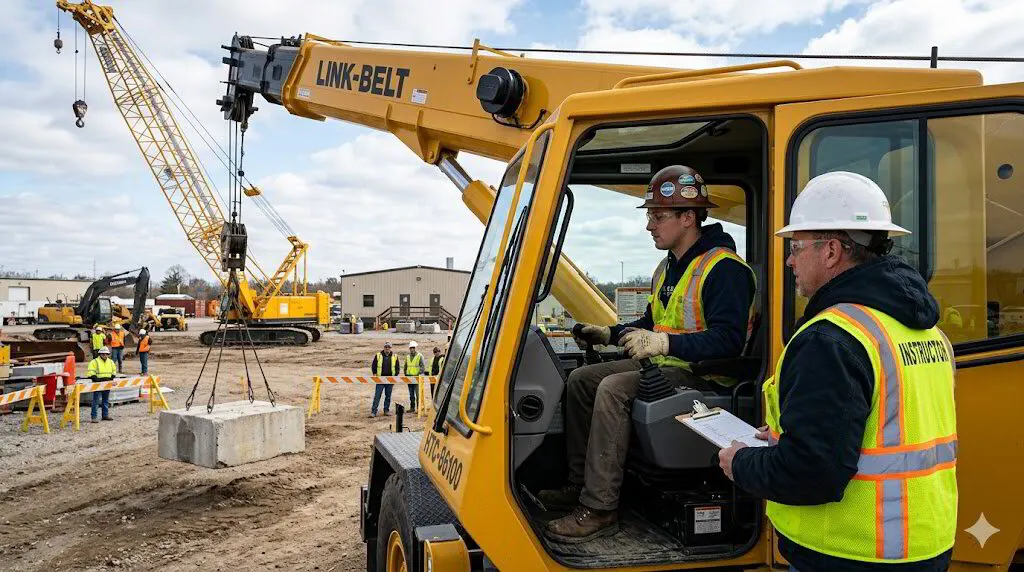 The Ultimate Guide to Crane Operator Field Training Programs: Certification & Career SuccessIn the ever-evolving construction industry, the need for certified crane operators is paramount, making effective…
-
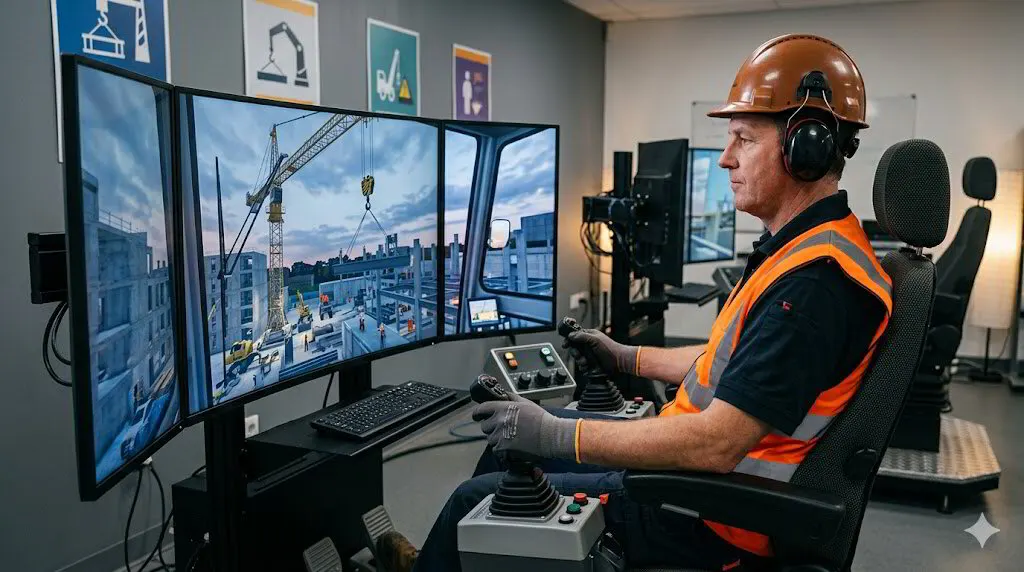 How Crane Simulators Enhance Operator Skills for Safer Construction PracticesAs the construction industry increasingly embraces technology, crane operator training has evolved significantly,…
-
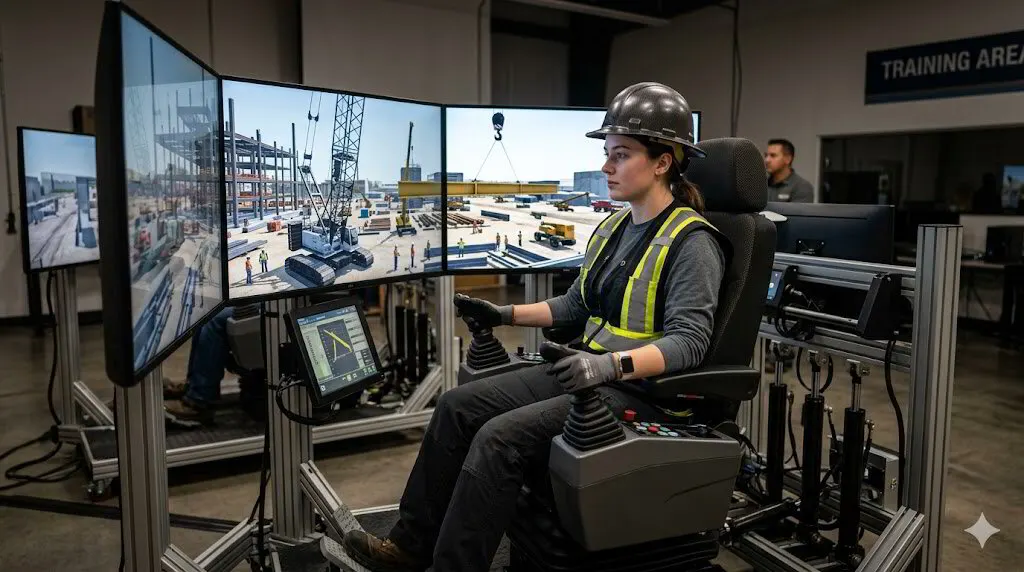 Unlocking Efficiency: The Benefits of Crane Simulator Training for Aspiring OperatorsCrane simulator training is revolutionizing the skill development of aspiring crane operators, offering a safe and…