Advanced crane operator skills training in Texas is essential in today's fast-paced construction industry, where safety and precision can mean the difference between a successful project and a costly disaster. Did you know that improper crane operation is one of the leading causes of construction accidents? As construction sites become more complex and regulations tighten, there is a growing need for well-trained crane operators who possess not only basic skills but also advanced competencies that can enhance safety and efficiency on the job. In this blog post, we will explore the significance of advanced training for crane operators, the benefits of earning certification, specialized training modules available, and how embracing new technologies can prepare operators for the challenges of tomorrow. Whether you're a seasoned operator looking to sharpen your skills or a newcomer aspiring to enter this rewarding field, understanding the landscape of crane operator training is crucial for your success.
Understanding Advanced Crane Operator Skills
Advanced crane operator skills refer to the specialized techniques and knowledge required to operate various types of cranes safely and efficiently. In today's construction landscape, where projects are becoming increasingly complex and demanding, possessing advanced skills is essential for any crane operator looking to stay competitive and ensure workplace safety.
Having advanced skills involves not only a deep understanding of crane mechanics and operations but also the ability to anticipate and mitigate risks, plan lifts accurately, and work closely with other team members. Here are some crucial advanced skills for crane operators:
- Proficient knowledge of load dynamics
- Effective communication and teamwork abilities
- Mastery of advanced signaling techniques
- Understanding of regulatory compliance and safety standards
- Competency in operating different types of cranes (such as tower cranes and mobile cranes)
Moreover, advanced crane operator skills training in Texas focuses on elevating operators' expertise through comprehensive programs that blend theory with practical experiences.
The Demand for Advanced Crane Operator Training in Texas
With a booming construction industry in Texas, the need for skilled crane operators is at an all-time high. Factors contributing to this demand include:
- Expansion of infrastructure projects
- Residential and commercial developments
- Increased safety regulations necessitating better-trained operators
As a result, professional training becomes imperative for those seeking to advance their careers. By enrolling in advanced crane operator skills training in Texas, operators can position themselves for better job opportunities and higher salaries.
Overview of Advanced Crane Operator Skills Training Programs
Training programs designed for advanced crane operator skills typically cover a range of critical topics to equip operators with the necessary competencies. Components of these training curriculums may include:
- In-depth lessons on crane mechanics and operation
- Risk assessment and emergency response procedures
- Updated regulations and compliance standards
- Hands-on simulation and practical training sessions
A combination of theoretical knowledge and practical application ensures that students gain a well-rounded education, preparing them for the challenges of operating cranes in various settings.
For more details about comprehensive training programs, visit NCCCO, an authoritative resource for crane operator certification.
The Importance of NCCCO Certification
NCCCO certification serves as a pivotal credential for crane operators, ensuring they meet industry standards and are fully qualified to operate heavy machinery. This certification is recognized across the United States and is particularly relevant in Texas, where safety regulations in the construction industry are stringent.
Benefits of Having an NCCCO Certification for Crane Operators
Obtaining NCCCO certification through advanced crane operator skills training in Texas offers numerous advantages that can significantly impact a crane operator's career. Some of the key benefits include:
- Increased Job Opportunities: Employers often prefer certified operators, leading to enhanced employment prospects.
- Higher Earning Potential: Certified crane operators typically command higher salaries compared to their non-certified counterparts.
- Enhanced Safety Awareness: The training emphasizes safety practices, reducing the likelihood of workplace accidents.
- Professional Credibility: Certification demonstrates a commitment to professionalism and adherence to rigorous industry standards.
Moreover, locally-accredited training facilities, such as Miller Crane Works, offer tailored programs to ensure operators are prepared for certification exams while focusing on the specific requirements relevant to Texas.
Training Pathway and Certification Process
The pathway to NCCCO certification involves several key steps, including:
- Completing an accredited training program focused on advanced crane operator skills.
- Gaining hands-on experience through simulations and practical sessions.
- Passing written and practical exams administered by NCCCO.
For those considering this path, investing in quality training can significantly enhance both competencies and marketability in the competitive Texas job market.
For more comprehensive information on the certification process and benefits, visit OSHA, the Occupational Safety and Health Administration, which provides valuable guidelines on safety standards in the workplace.
Specialized Training Modules Available
When it comes to advanced crane operator skills training in Texas, specialized training modules play a crucial role in equipping operators with the expertise needed to handle diverse situations and equipment. These modules are designed to focus on specific types of cranes and operation techniques, ensuring operators can perform effectively in a variety of environments.
Key Specialized Courses Offered
Institutions like Miller Crane Works offer a range of specialized courses to address different crane operation needs. Some of the key courses include:
- Tower Crane Operation: Focuses on the intricacies of handling tower cranes, which are commonly used in tall building construction and require unique skills.
- Mobile Crane Operation: Covers the operation of mobile cranes and emphasizes load management and maneuverability on challenging terrains.
- Rigging Techniques: Offers essential knowledge on rigging processes, ensuring operators can correctly and safely secure loads before lifting.
- Signal Person Training: Teaches operators effective communication and signaling techniques crucial for safe crane operations.
Benefits of Specialized Training
Engaging in specialized training modules provides several advantages:
- Focused Learning: Students can delve deeper into specific areas, honing skills that are particularly relevant to their roles.
- Enhanced Safety Protocols: Specialized training often includes in-depth safety procedures tailored to the specific crane type, reducing risks on job sites.
- Adaptability: Operators trained in various specialized skills are more versatile and can navigate different crane operations with confidence.
Conclusion
Investing in advanced crane operator skills training in Texas, especially through specialized courses, can dramatically enhance an operator's capabilities. With the construction industry continually evolving, having up-to-date training ensures that operators are prepared for the challenges ahead.
For more information on the benefits of specialized crane training, consider visiting Caterpillar, a leading provider of construction machinery and associated training resources.
Training Facility Features
When selecting a program for advanced crane operator skills training in Texas, the training facility's features play a significant role in the quality of education provided. A well-equipped and safe training environment is essential for the development of competent crane operators.
Key Features of a Quality Training Facility
Facilities like Miller Crane Works offer a range of features that enhance the training experience and ensure operators are fully prepared for real-world challenges. Here are some of the key aspects:
- Modern Equipment: Access to up-to-date cranes and training simulators that mimic actual operating conditions helps prepare students for various scenarios.
- Safety Standards: Compliance with the latest safety regulations ensures that the training environment prioritizes the well-being of all participants.
- Hands-On Experience: Practical, hands-on training opportunities allow operators to apply theoretical knowledge in a controlled setting.
- Dedicated Training Spaces: Spaces designed specifically for training, including rigging areas and safety demonstration zones, facilitate effective learning.
Importance of a Comprehensive Training Environment
A comprehensive training facility provides several benefits that directly relate to the effectiveness of advanced crane operator skills training in Texas:
- Realistic Learning Conditions: Students experience real-world conditions, which helps build confidence and readiness for the job.
- Skill Development: Focused instruction on specific equipment and techniques aids in developing specialized skills that are crucial in various construction settings.
- Networking Opportunities: Training facilities often gather various industry professionals, creating opportunities for networking and mentorship.
By choosing a reputable training facility, such as Miller Crane Works, aspiring crane operators can significantly improve their qualifications and marketability in the construction industry.
For further insights into the importance of quality training environments, visit John Deere, a leading manufacturer known for investing in operator training and education resources.
Qualified Instructors and Their Experience
One of the critical elements of advanced crane operator skills training in Texas is the expertise of the instructors leading the courses. Qualified instructors not only impart knowledge but also inspire confidence and safety mindset among students. Their backgrounds and experiences can significantly influence the quality of the training program.
Characteristics of Effective Crane Training Instructors
Instructors at reputable training facilities, such as Miller Crane Works, typically possess several key qualifications that enhance the learning experience:
- Industry Experience: Instructors often have extensive hands-on experience in crane operations across various sectors, including construction, manufacturing, and logistics.
- Certifications: A strong background in industry certifications, including NCCCO, demonstrates both competence and commitment to ongoing education.
- Teaching Skills: Effective communication and teaching methods are crucial for conveying complex concepts and ensuring student understanding.
- Safety Advocacy: A focus on safety practices and risk management helps instill a culture of safety among students, reducing the likelihood of accidents on job sites.
Benefits of Experienced Instructors
Teaching effectiveness is heightened by the presence of experienced instructors, bringing various benefits to advanced crane operator skills training in Texas:
- Real-World Insights: Instructors can share practical knowledge and situational experiences that enhance theoretical learning.
- Personalized Guidance: Experienced instructors can identify students' strengths and weaknesses, offering tailored feedback to improve skills.
- Enhanced Problem-Solving: With a wealth of experience, instructors can provide strategies for overcoming challenges commonly faced in crane operations.
Ultimately, selecting a training program led by qualified instructors enhances the overall training experience, preparing operators to excel in their careers.
For more information on the value of experienced trainers in workforce development, refer to Caterpillar, which emphasizes the importance of skilled instructors in construction and heavy equipment training.
Frequently Asked Questions About Advanced Crane Operator Skills Training
As potential students look into advanced crane operator skills training in Texas, they often have a variety of questions regarding the programs, requirements, and outcomes. Understanding the common concerns can help new operators make informed decisions about their training paths.
Common Concerns and Inquiries
1. What are the prerequisites for advanced crane training?
○ Many advanced programs require prior experience operating cranes or basic certification, such as NCCCO.
2. How long does the training take?
○ The duration of advanced crane operator skills training varies, but most programs can range from a few days to several weeks, depending on the course content.
3. Will I receive hands-on training?
○ Yes, reputable training facilities provide hands-on training with real cranes and simulators, ensuring practical experience alongside theoretical instruction.
4. What kind of certification will I earn?
○ Successful completion of training typically leads to certification from recognized organizations, such as NCCCO, which is essential for advancing in the field.
5. How can I prepare for the training?
○ It’s beneficial to refresh knowledge about crane operations, safety protocols, and load management before starting the training. Additionally, arriving with a positive and open mindset can greatly improve your learning experience.
Tips to Maximize Your Training Experience
To get the most out of advanced crane operator skills training in Texas, consider the following tips:
- Engage Actively: Ask questions and participate in discussions to deepen your understanding.
- Practice Skills: Take advantage of any opportunities for additional practice, whether during training sessions or through supplementary resources.
- Network with Instructors and Peers: Building relationships can provide valuable insights and future job connections.
By addressing these common questions and preparing adequately, prospective crane operators can enhance their training experience and set themselves up for success in their careers.
For more detailed information on training requirements and best practices, you can visit Liebherr, a reputable manufacturer of cranes and construction equipment that also offers training resources and information.
Conclusion
In summary, advanced crane operator skills training in Texas is not just a pathway to certification; it is an essential investment in a crane operator's professional development and career success. As the demand for skilled operators continues to rise in the thriving Texas construction industry, obtaining advanced skills through reputable training programs can offer numerous benefits.
Key Takeaways
- Increased Safety and Efficiency: Through specialized training, operators gain critical safety knowledge and operational efficiencies, lowering the risk of accidents and enhancing productivity on job sites.
- Career Advancement: Certification and advanced skills improve job opportunities and earning potential, making students more attractive candidates in a competitive market.
- Hands-On Learning: Quality training facilities provide practical, hands-on experience with modern equipment, ensuring students are well-prepared for real-world challenges.
- Expert Instructors: Learning from experienced instructors who bring real-world insights can enhance the value of the training experience.
For those considering a career in crane operation or seeking to sharpen their skills, pursuing advanced crane operator skills training in Texas is a step toward a sustainable, rewarding career in a high-demand industry.
To explore more about training opportunities and industry standards, visit National Crane, a respected name in the crane manufacturing sector that also emphasizes the importance of operator training and safety.
The Future of Crane Operating in Texas
As the construction industry in Texas continues to evolve, the need for advanced crane operator skills training is more relevant than ever. With the integration of new technologies and safety protocols, staying ahead in crane operations is crucial for operators seeking long-term careers.
Trends Influencing Crane Operator Skills
Several key trends are shaping the future of crane operations and training, including:
- Technological Advancements: The incorporation of advanced technology, such as telematics and automated systems, requires operators to possess updated skills to operate complex machinery effectively.
- Emphasis on Safety: Increasing regulatory pressure and a growing focus on workplace safety are leading to more rigorous training requirements that emphasize safety protocols.
- Sustainability Practices: With a push towards sustainable construction practices, operators may need knowledge of eco-friendly materials and methodologies, expanding their skill set beyond traditional crane operations.
Preparing for Tomorrow’s Challenges
To thrive in the future landscape of crane operations, it’s essential for operators to continuously enhance their skills through training programs that cater to these industry trends. Here are some things to consider:
- Seek Ongoing Education: Operators should remain committed to lifelong learning by participating in advanced crane operator skills training in Texas, focusing on emerging technologies and safety practices.
- Networking and Mentorship: Engaging with industry professionals and finding mentors can provide valuable insights and guidance for navigating career challenges and advancements.
- Certifications and Specialty Training: Obtaining specialized certifications and attending focused training sessions can help operators differentiate themselves in a competitive job market.
By proactively embracing these trends and investing in ongoing training, crane operators in Texas can position themselves as leaders in the industry, ready to tackle the challenges of tomorrow.
For more insights on industry trends and training resources, check out Terex Cranes, a renowned manufacturer that emphasizes the importance of operator training and innovation in crane technology.
The Role of Technology in Crane Operation Training
As the construction and machinery industries advance, technology has increasingly become an integral part of advanced crane operator skills training in Texas. Embracing these technological advancements is crucial for preparing operators for the modern workforce.
Key Technological Innovations
Several technologies are currently influencing crane operation training, ensuring that students are well-equipped to handle various machinery and optimize their performance. Some of the most significant innovations include:
- Virtual Reality (VR) Simulations: VR technology allows students to practice crane operations in a controlled virtual environment, providing realistic scenarios without the associated risks.
- Telematics: This technology facilitates real-time data collection and monitoring, aiding operators in understanding machine performance and improving operational efficiency.
- Mobile Applications: Training facilities often use mobile apps to deliver instructional content, track progress, and provide essential resources at students' fingertips.
- Drones: Drones can be incorporated into training programs to help operators understand site assessments, thereby enhancing their situational awareness during crane operations.
Benefits of Technology in Training
Incorporating technology into advanced crane operator skills training in Texas offers several advantages:
- Enhanced Learning Experiences: The use of interactive simulations paired with traditional training methods leads to deeper understanding and retention of critical skills.
- Increased Safety: Students can practice in safe environments, reducing the likelihood of accidents while improving their confidence in real-world settings.
- Improved Data Analysis: Telematics devices provide operators with insights and analytics that can inform decision-making and operational strategies.
Adopting cutting-edge technology in crane training not only prepares operators for the complexities of modern machinery but also aligns their skills with industry standards and expectations.
For further information on how technology is transforming crane operations, visit Komatsu, a leading manufacturer of construction and mining equipment that emphasizes innovation in operator training and safety solutions.
What is advanced crane operator skills training?
Advanced crane operator skills training encompasses specialized education focused on enhancing the competencies of crane operators beyond basic operational skills. This training addresses advanced techniques, safety protocols, and the use of various types of cranes, preparing operators for complex lifting scenarios and improving overall workplace safety.
How does advanced training improve job opportunities for crane operators?
Completing advanced crane operator skills training significantly boosts job opportunities as it equips operators with specialized knowledge and certifications that employers value. Certified operators are more likely to be hired over their non-certified peers and often enjoy higher salaries, making them more competitive in the job market.
Are there specific certifications associated with advanced crane operator training?
Yes, advanced crane operator training often leads to certifications from recognized organizations such as the National Commission for the Certification of Crane Operators (NCCCO). These certifications validate an operator's skills and knowledge, demonstrating compliance with industry standards and enhancing their credibility in the field.
What types of specialized courses are available in Texas?
In Texas, numerous specialized courses are available as part of advanced crane operator skills training. These may include tower crane operation, mobile crane operation, rigging techniques, and signal person training, each focusing on different aspects of crane operation to ensure operators are well-prepared for various job scenarios.
How can technology enhance crane operator training?
Technology improves crane operator training by incorporating tools such as virtual reality, telematics, and mobile applications. These innovations facilitate realistic training environments, enhance data analysis capabilities, and provide instant access to instructional resources, ultimately leading to safer and more efficient crane operations.
Take Your Crane Operator Skills to the Next
Level with Miller Crane Works in Texas
Take your crane operator skills to the next level with Miller Crane Works, a trusted leader in advanced crane training in Texas. Their comprehensive programs are designed to help experienced operators refine their techniques, master complex lifting operations, and ensure workplace safety. By combining hands-on training with expert instruction and the latest equipment, Miller Crane Works prepares operators to meet industry standards and excel in demanding job sites. Whether you’re seeking certification or aiming to boost your professional qualifications, Miller Crane Works provides the resources and support to elevate your career in the crane operation industry.

-
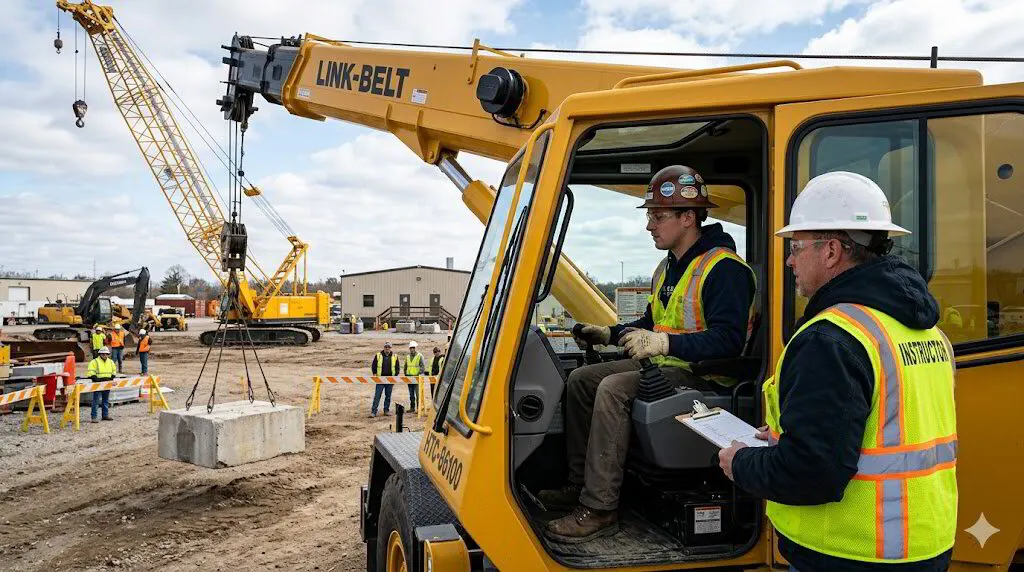 The Ultimate Guide to Crane Operator Field Training Programs: Certification & Career SuccessIn the ever-evolving construction industry, the need for certified crane operators is paramount, making effective…
-
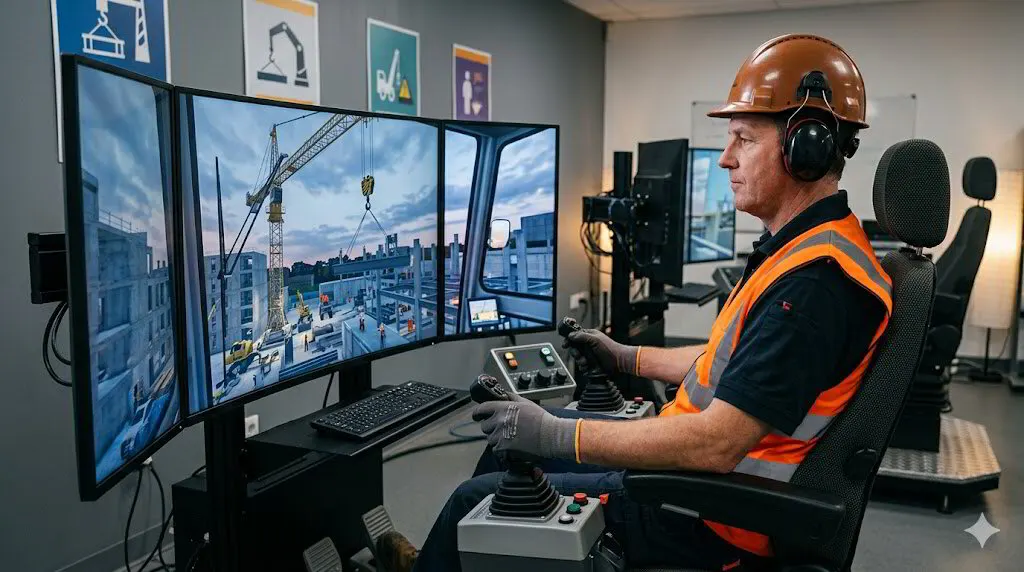 How Crane Simulators Enhance Operator Skills for Safer Construction PracticesAs the construction industry increasingly embraces technology, crane operator training has evolved significantly,…
-
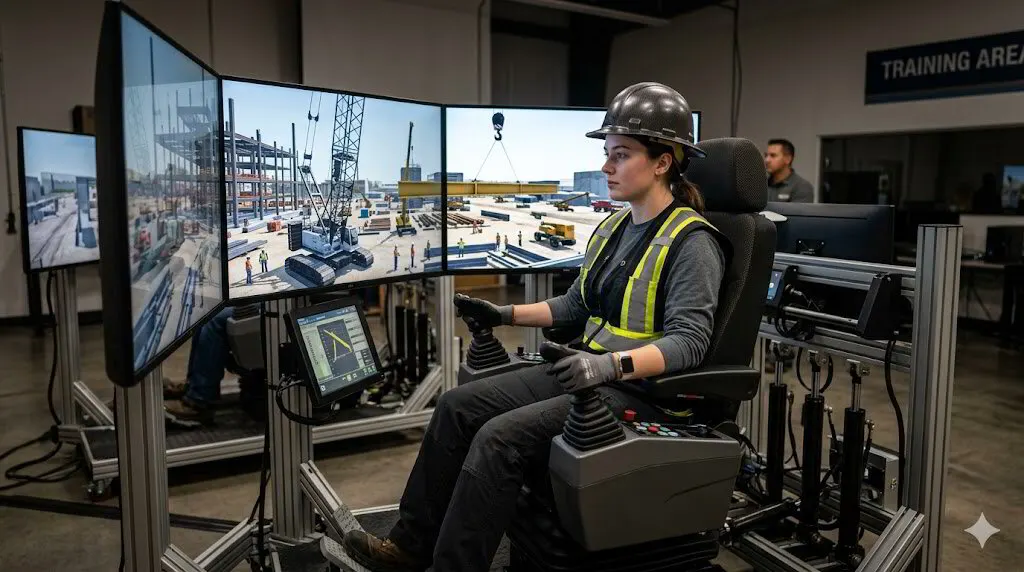 Unlocking Efficiency: The Benefits of Crane Simulator Training for Aspiring OperatorsCrane simulator training is revolutionizing the skill development of aspiring crane operators, offering a safe and…