
The crane operation industry demands precision, expertise, and unwavering commitment to safety. For professionals seeking to advance their careers in construction, heavy lifting, and industrial operations, achieving National Commission for the Certification of Crane Operators (NCCCO) certification represents a crucial milestone. This comprehensive certification validates your skills, enhances your professional credibility, and opens doors to higher-paying opportunities in an increasingly competitive marketplace.
Understanding how to prepare for NCCCO certification effectively can make the difference between success and disappointment on exam day. The certification process requires thorough preparation, combining theoretical knowledge with practical experience. Whether you're an aspiring crane operator taking your first steps into the industry or an experienced professional seeking to formalize your expertise, proper preparation is essential for achieving certification success. This guide will walk you through every aspect of the preparation process, from understanding the certification requirements to developing effective study strategies and gaining hands-on experience that will serve you throughout your career.
Introduction to NCCCO Certification
The National Commission for the Certification of Crane Operators (NCCCO) stands as the gold standard for crane operator certification in the United States. Established in 1995, this independent, non-profit organization has certified over 200,000 crane operators, riggers, and signal persons, creating a comprehensive framework that ensures safety and competency across the construction and heavy lifting industries.
NCCCO certification holds immense importance in today's construction landscape. Federal regulations, including OSHA standards, require crane operators to be certified by an accredited organization, making NCCCO certification not just beneficial but often mandatory for employment. This certification demonstrates that operators possess the knowledge and skills necessary to operate cranes safely and efficiently, reducing workplace accidents and protecting both workers and equipment.
The certification opens numerous career pathways for professionals in the construction industry.Pay is set by the employer. This school does not state or promise wages. Career advancement opportunities include positions as lead operators, crane supervisors, equipment inspectors, and training instructors. Many certified professionals eventually establish their own crane service companies or transition into specialized roles such as critical lift planning and rigging consultation.
Beyond individual benefits, NCCCO certification enhances overall industry standards. Employers increasingly prefer certified operators for their projects, recognizing that certification reduces liability risks and insurance costs. Construction companies often require certification for their operators to bid on major projects, making certification essential for both individual career growth and company competitiveness in the marketplace.
Understanding the Certification Process
The NCCCO certification process encompasses several distinct pathways, each tailored to specific equipment types and operational requirements. Understanding these requirements forms the foundation for effective preparation strategies.
Mobile crane operator certification represents the most common pathway, covering hydraulic cranes, lattice boom cranes, and telescopic boom cranes. This certification requires candidates to demonstrate knowledge of crane operations, load charts, rigging principles, and safety protocols. Tower crane certification focuses on the unique challenges of operating fixed cranes on construction sites, emphasizing site planning, load handling, and coordination with other trades. Each certification type has specific prerequisites and testing requirements that candidates must understand before beginning their preparation.
The basic requirements for NCCCO certification include meeting age and experience criteria, completing required training hours, and passing both written and practical examinations. Candidates must be at least 18 years old and demonstrate relevant experience through documented work history or approved training programs. Most certifications require a minimum of 1,000 hours of operating experience or completion of an accredited training program that includes both classroom instruction and hands-on practice.
The examination structure consists of two primary components: written examinations and practical tests. Written exams cover core knowledge areas including crane operations, load charts, rigging, signaling, and safety regulations. These computer-based tests typically contain 60-100 questions and must be completed within specified time limits. The practical examination evaluates candidates' ability to operate cranes safely and efficiently in real-world scenarios, testing skills such as load handling, precise positioning, and emergency procedures.
Certification maintenance requires ongoing commitment through recertification processes. NCCCO certifications are valid for five years, after which operators must complete recertification requirements including continuing education credits and, in some cases, retesting. This ensures that certified professionals maintain current knowledge of evolving safety standards, equipment technologies, and industry best practices throughout their careers.
Preparing for the NCCCO Exam
Effective preparation strategies form the cornerstone of NCCCO certification success. Understanding how to prepare for NCCCO certification begins with developing a comprehensive study plan that addresses all examination components. The preparation process should commence at least 8-12 weeks before the scheduled exam date, allowing sufficient time for thorough review and practice.
Study materials play a crucial role in preparation success. The NCCCO Candidate Handbook serves as the primary resource, outlining examination content, procedures, and requirements. This handbook contains detailed information about test specifications, sample questions, and reference materials. Additional essential resources include crane operation manuals, rigging handbooks, OSHA regulations, and ASME standards. Many candidates benefit from using multiple study guides to reinforce key concepts and gain different perspectives on complex topics.
Recommended crane operator training programs provide structured learning environments that significantly enhance preparation effectiveness. Professional training programs offer several advantages over self-study approaches, including expert instruction, hands-on practice opportunities, and peer interaction. These programs typically cover all examination topics systematically, ensuring comprehensive preparation. Many training providers offer both in-person and online options, allowing candidates to choose formats that best fit their schedules and learning preferences.
Study techniques should incorporate multiple learning modalities to maximize retention and understanding. Active reading strategies help candidates engage with technical material effectively. Creating summary notes, flashcards, and concept maps reinforces key information and facilitates review. Practice tests serve as valuable preparation tools, familiarizing candidates with question formats and identifying knowledge gaps that require additional attention. Regular self-assessment through practice questions helps build confidence and improve test-taking skills.
Time management during preparation proves critical for success. Developing a realistic study schedule that balances work commitments with preparation activities helps ensure consistent progress. Breaking study sessions into manageable segments prevents fatigue and improves focus. Many successful candidates dedicate 1-2 hours daily to exam preparation, adjusting their schedules based on their baseline knowledge and learning pace. Setting milestone goals throughout the preparation period helps maintain motivation and track progress effectively.
Group study sessions can enhance preparation effectiveness for many candidates. Collaborating with fellow candidates provides opportunities to discuss complex concepts, share insights, and clarify misunderstandings. Study groups often discover different approaches to problem-solving and can provide mutual support throughout the preparation process. However, group study should supplement, not replace, individual preparation activities.
Hands-on Training Importance
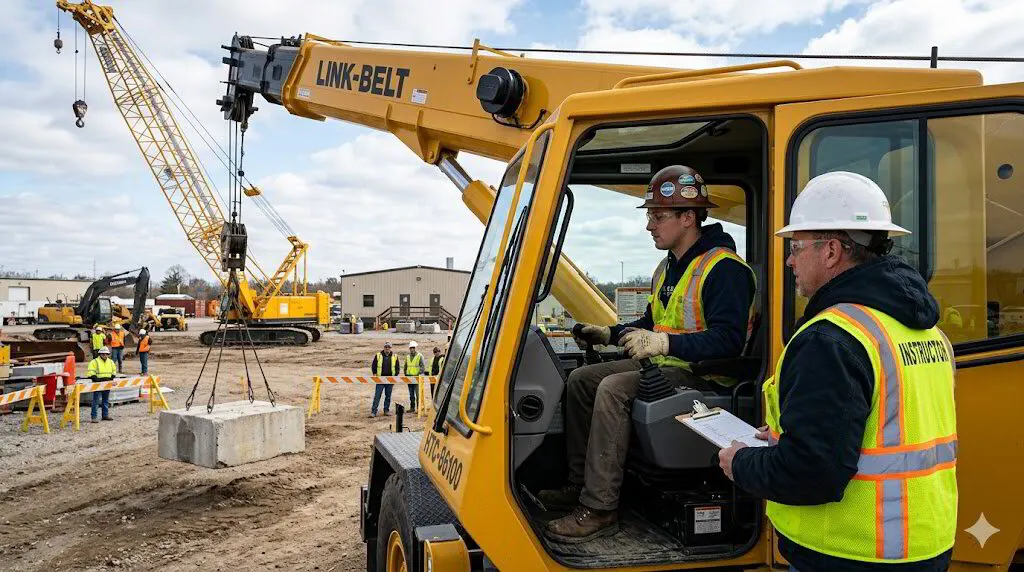
Practical experience represents an indispensable component of NCCCO certification preparation that cannot be replicated through theoretical study alone. While written examinations test knowledge of principles and regulations, the practical examination evaluates real-world operational skills that require extensive hands-on practice. Understanding the critical importance of practical training helps candidates make informed decisions about their preparation strategies.
The benefits of practical experience extend far beyond examination success. Hands-on training develops muscle memory, spatial awareness, and operational intuition that prove invaluable throughout a crane operator's career. Operating actual equipment under various conditions helps candidates understand how theoretical concepts apply in real-world situations. This experience builds confidence and competence that translates directly to improved job performance and enhanced safety awareness.
Miller Crane Works provides comprehensive practical training sessions designed specifically to support NCCCO certification preparation. Our training programs combine classroom instruction with extensive equipment practice time, ensuring candidates develop both theoretical knowledge and practical skills. Our experienced instructors bring decades of industry experience to the training environment, providing valuable insights and personalized guidance that accelerates learning progress.
Our mobile crane courses offer hands-on experience with various crane types and configurations, allowing candidates to practice load chart interpretation, rigging techniques, and operational procedures. These sessions include practice with different load types, operating conditions, and challenging scenarios that commonly appear on practical examinations. Candidates gain experience with pre-operational inspections, load calculations, and safety procedures under expert supervision.
Tower crane courses provide specialized training for candidates pursuing tower crane certification. These programs address unique challenges such as site coordination, load planning, and working at height. Participants practice precise load positioning, communication protocols, and emergency procedures specific to tower crane operations. The training emphasizes safety considerations and operational efficiency in urban construction environments.
Lattice crane courses focus on the specialized skills required for operating conventional cranes with lattice booms. These programs cover boom configuration, load chart applications, and rigging techniques specific to lattice boom cranes. Candidates practice with various boom lengths and configurations, developing expertise in complex lifting operations.
Choosing the right training program requires careful consideration of several factors. Program accreditation ensures that training meets industry standards and NCCCO requirements. Instructor qualifications and experience directly impact training quality and effectiveness. Equipment availability and variety provide broader exposure to different crane types and operational scenarios. Class size affects the amount of individual attention and practice time available to each participant.
Training program scheduling flexibility accommodates working professionals who need to balance training with employment obligations. Many programs offer weekend and evening options to minimize disruption to work schedules. Some providers offer intensive programs that compress training into shorter timeframes for candidates with scheduling constraints.
Exam Day Tips and Strategies
Exam day preparation begins well before the actual testing date and significantly influences certification success. Understanding what to expect and implementing effective strategies can help candidates perform at their best when it matters most. Proper preparation reduces anxiety and allows candidates to focus on demonstrating their knowledge and skills effectively.
Pre-exam preparation should begin several days before the scheduled test date. Confirming examination logistics, including location, timing, and required documentation, prevents last-minute complications. Candidates should review their confirmation materials carefully and plan their route to the testing center, accounting for traffic and potential delays. Arriving early allows time to settle in and mentally prepare without feeling rushed.
Required documentation typically includes valid photo identification, examination confirmation, and any prerequisite certificates or training records. Some testing centers require specific forms of identification, so candidates should verify requirements in advance. Bringing backup documentation can prevent issues if primary documents are lost or damaged.
Time management during the examination proves crucial for success, particularly on written tests with strict time limits. Effective strategies include reading all questions carefully before beginning, answering easier questions first to build confidence and momentum, and allocating time based on question difficulty and point values. For practical examinations, candidates should take time to plan their approach before beginning operations, ensuring they understand the task requirements completely.
During written examinations, candidates should read questions thoroughly and identify key terms that indicate what information is being requested. Eliminating obviously incorrect answers on multiple-choice questions improves the odds of selecting correct responses. When uncertain about answers, making educated guesses based on fundamental principles often proves more effective than leaving questions blank.
Practical examination strategies focus on demonstrating safe, competent operation rather than speed or efficiency. Candidates should perform pre-operational inspections thoroughly, even if they seem routine, as examiners evaluate attention to safety protocols. Clear communication with signal persons and examiners demonstrates professionalism and safety awareness. When faced with challenging scenarios, candidates should think through their approach systematically rather than rushing to complete tasks.
Stress management techniques help candidates maintain focus and perform optimally under examination pressure. Deep breathing exercises can reduce anxiety and improve concentration. Positive visualization helps build confidence and mental preparation. Getting adequate sleep before exam day ensures mental sharpness and physical readiness. Avoiding cramming immediately before the exam prevents confusion and maintains confidence in prepared material.
Post-Certification Options
Achieving NCCCO certification marks the beginning of ongoing professional development rather than the end of the learning journey. Understanding post-certification requirements and opportunities helps certified professionals maintain their credentials and advance their careers effectively. The certification system includes specific requirements for maintaining active status and numerous opportunities for continued growth.
The recertification process ensures that certified professionals maintain current knowledge and skills throughout their careers. NCCCO recertification requirements vary by certification type but generally include completing continuing education credits and demonstrating ongoing competency. Most certifications require recertification every five years, with specific requirements outlined in certification materials.
Continuing education opportunities help certified professionals stay current with evolving industry standards, equipment technologies, and safety regulations. These programs often focus on specialized topics such as critical lift planning, advanced rigging techniques, or new equipment technologies. Many continuing education programs offer practical components that allow operators to gain experience with new equipment types or operational procedures.
Professional development pathways for certified crane operators include advancement to supervisory roles, specialized certifications, and training instructor positions. Many certified operators pursue additional certifications in related areas such as rigging, signal person duties, or equipment inspection. These additional credentials enhance versatility and marketability while providing opportunities for career diversification.
Career advancement opportunities expand significantly following certification. Certified operators often progress to lead operator positions, project supervision roles, or equipment management positions. Some professionals transition into crane service company ownership, equipment sales, or consulting services. The combination of certification and experience opens doors to specialized roles in industries such as power generation, petrochemical, and heavy industrial construction.
Specialized training opportunities allow certified professionals to develop expertise in niche areas of crane operations. These might include offshore crane operations, nuclear facility work, or specialized heavy lifting applications. Such specializations often command premium compensation and provide opportunities to work on unique, challenging projects.
Networking opportunities within the certified professional community provide valuable connections for career advancement and knowledge sharing. Professional associations, industry conferences, and training events offer platforms for building relationships with other certified professionals, equipment manufacturers, and potential employers.
Conclusion
Successfully preparing for NCCCO certification requires a comprehensive approach that combines theoretical knowledge, practical experience, and strategic preparation. This guide has outlined the essential steps for effective preparation, from understanding certification requirements to developing study strategies and gaining hands-on experience. The key to success lies in beginning preparation early, utilizing quality study materials, and obtaining sufficient practical training to build confidence and competence.
The investment in NCCCO certification preparation pays dividends throughout a professional's career. Certified operators enjoy enhanced job security, higher compensation, and expanded career opportunities. The certification process itself builds valuable knowledge and skills that improve job performance and safety awareness. For construction companies, employing certified operators reduces liability risks and enhances project capabilities.
Remember that certification represents the beginning of ongoing professional development rather than the end goal. The crane operation industry continues evolving with new technologies, safety standards, and operational techniques. Maintaining certification through recertification requirements and pursuing continuing education ensures that professionals remain current and competitive throughout their careers.
Take the next step toward achieving your NCCCO certification goals by enrolling in comprehensive training programs that combine expert instruction with extensive hands-on practice. Miller Crane Works offers specialized crane operator courses, rigger and signal person certification, and practical training sessions designed to ensure your certification success. Our experienced instructors and comprehensive curriculum provide the foundation you need to excel in your certification journey and build a successful career in crane operations.
Contact Miller Crane Works today to explore our comprehensive training programs and take the first step toward advancing your crane operation career. Visit https://millercraneworks.com/ to learn more about our certification courses and schedule your training sessions.
-
 The Ultimate Guide to Crane Operator Field Training Programs: Certification & Career SuccessIn the ever-evolving construction industry, the need for certified crane operators is paramount, making effective…
-
 How Crane Simulators Enhance Operator Skills for Safer Construction PracticesAs the construction industry increasingly embraces technology, crane operator training has evolved significantly,…
-
 Unlocking Efficiency: The Benefits of Crane Simulator Training for Aspiring OperatorsCrane simulator training is revolutionizing the skill development of aspiring crane operators, offering a safe and…