
The construction industry demands skilled professionals who can operate complex machinery safely and efficiently. For crane operators, achieving NCCCO certification represents the gold standard of professional competency and safety excellence. As the industry evolves, so do the training methods available to aspiring crane operators. Online preparation courses have emerged as a game-changing solution, offering unprecedented flexibility and accessibility for professionals seeking to advance their careers.
Whether you're a construction worker looking to specialize in crane operations or a company seeking to certify your workforce, understanding the landscape of available training options is crucial. The National Commission for the Certification of Crane Operators (NCCCO) sets rigorous standards that ensure operators can handle the immense responsibility of crane operation safely. With construction projects becoming increasingly complex and safety regulations more stringent, proper certification isn't just recommended—it's essential for career advancement and workplace safety.
This comprehensive guide will navigate you through the world of online NCCCO preparation courses, comparing various options to help you make an informed decision. We'll explore the benefits of online learning, examine different course types, and provide detailed comparisons of leading training providers to ensure you find the perfect fit for your professional development needs.
Introduction to NCCCO Prep Courses Online
The National Commission for the Certification of Crane Operators (NCCCO) stands as the premier credentialing organization for crane operators in North America. Established to enhance safety and professionalism in the crane industry, NCCCO certification validates an operator's knowledge, skills, and commitment to safe crane operation practices. This certification covers various crane types, including mobile cranes, tower cranes, and lattice boom cranes, ensuring operators are qualified for specific equipment categories.
NCCCO certification holds paramount importance for crane operators seeking career advancement and employers prioritizing workplace safety. The certification process demonstrates that operators possess comprehensive understanding of load charts, rigging principles, safety protocols, and equipment limitations. Many construction companies, industrial facilities, and government contracts now require NCCCO certification as a prerequisite for employment, making it an essential credential for professional growth.
Online NCCCO prep courses have revolutionized how aspiring crane operators prepare for certification examinations. These digital learning platforms provide structured curricula designed to cover all examination topics comprehensively. An NCCCO prep course online typically includes interactive modules, practice examinations, video demonstrations, and access to experienced instructors who guide students through complex concepts. The online format allows students to progress at their own pace while accessing high-quality educational content from anywhere with internet connectivity.
The transition to online learning has made NCCCO certification more accessible to working professionals who cannot attend traditional classroom sessions. These courses maintain the same rigorous standards as in-person training while offering enhanced convenience and often more affordable pricing structures. Modern online platforms incorporate multimedia elements, real-world scenarios, and adaptive learning technologies to ensure students receive comprehensive preparation for both written and practical examinations.
Benefits of Taking an Online NCCCO Prep Course
Flexibility and convenience represent the most significant advantages of pursuing crane operator training online. Traditional classroom-based training requires students to adhere to fixed schedules, often conflicting with work commitments or personal responsibilities. Online courses eliminate these constraints, allowing students to study during early morning hours, lunch breaks, or weekends. This flexibility proves particularly valuable for working professionals who cannot afford extended time away from their current employment while pursuing certification.
The self-paced nature of online learning enables students to spend additional time on challenging concepts while moving quickly through familiar material. Some students excel at understanding load calculations but struggle with rigging principles, while others may find signal communication intuitive but need extra practice with safety protocols. Online platforms accommodate these individual learning styles and knowledge gaps, ensuring every student receives adequate preparation regardless of their starting point.
Access to resources twenty-four hours a day, seven days a week transforms the learning experience for busy professionals. Students can review course materials during shift breaks, practice examinations after work hours, or clarify concepts during weekend study sessions. This constant availability ensures that learning momentum remains consistent, preventing knowledge gaps that might occur with weekly classroom sessions. Additionally, online platforms typically provide downloadable resources, allowing students to study offline when internet connectivity is limited.
Interaction with experienced instructors through online platforms often surpasses traditional classroom experiences. Many online courses feature discussion forums, live webinars, and one-on-one video consultations that provide personalized attention. Instructors can respond to questions promptly, provide detailed explanations, and offer additional resources tailored to specific student needs. The digital format also enables instructors to track student progress more effectively, identifying areas where additional support may be necessary.
Cost-effectiveness compared to in-person training makes online courses attractive for both individual students and companies training multiple employees. Online programs eliminate expenses associated with travel, accommodation, and time away from work. Companies can train entire crews simultaneously without disrupting project schedules or incurring overtime costs. The scalability of online training allows organizations to provide consistent, high-quality preparation for all employees regardless of geographic location or scheduling constraints.
Different Types of NCCCO Prep Courses
Online crane operator courses encompass a broad spectrum of specializations designed to meet diverse industry needs and career objectives. The foundational mobile crane operator course represents the most popular starting point for aspiring crane operators. This comprehensive program covers swing cab cranes, fixed cab cranes, and various mobile crane configurations commonly found on construction sites. Students learn essential skills including load chart interpretation, crane setup procedures, capacity calculations, and safety protocols specific to mobile crane operations.
The curriculum typically includes modules on crane components, operational theory, load dynamics, and environmental considerations affecting safe operation. Advanced topics cover complex lifting scenarios, multi-crane operations, and specialized attachments such as jibs and fly sections. Students also study regulatory requirements, inspection procedures, and documentation standards that professional operators must understand thoroughly.
Specialized courses for tower and lattice cranes address the unique challenges associated with these complex machines. Tower crane certification requires understanding of climbing procedures, weather limitations, and coordination with other construction activities on high-rise projects. Students learn about tower crane assembly, dismantling processes, and the critical importance of foundation requirements and structural loading calculations.
Lattice crane courses focus on the intricate setup procedures required for these versatile machines. The curriculum covers boom configuration options, counterweight calculations, ground preparation requirements, and the specialized knowledge needed for heavy lifting applications. Students study load block positioning, boom angle optimization, and the complex interplay between crane capacity and configuration variables.
Combining rigging and signal-person training with operator preparation provides comprehensive workforce development solutions. Many construction projects require operators who also understand rigging principles and can communicate effectively with signal persons. Integrated courses teach proper sling selection, load attachment methods, and hand signal protocols alongside crane operation fundamentals. This comprehensive approach ensures operators can work safely in diverse construction environments where multiple skills are essential.
Rigging certification covers load weight estimation, center of gravity determination, and sling angle calculations that directly impact lifting operations. Signal person training emphasizes clear communication protocols, positioning for optimal visibility, and emergency procedures that protect both operators and ground personnel.
Recertification options maintain operator credentials and ensure continued competency throughout their careers. NCCCO requires recertification every five years, and online courses provide convenient pathways for maintaining current certification status. These programs review updated regulations, new safety protocols, and technological advances in crane design and operation.Classes are held only at the Seagoville yard, and only the TWC-approved courses are offered.
Comparison of Leading Online NCCCO Prep Courses
The landscape of online NCCCO preparation courses features several established providers, each offering distinct approaches to crane operator education. Course structure and curriculum differences significantly impact the learning experience and preparation effectiveness. Some providers emphasize comprehensive theoretical foundations with extensive reading materials and detailed technical explanations. These courses typically feature multiple modules progressing from basic crane principles to advanced operational scenarios.
Other programs focus on practical application with interactive simulations, virtual crane operations, and scenario-based learning exercises. These courses integrate multimedia elements including 3D crane models, animated lifting sequences, and interactive load chart exercises that help students visualize complex concepts. The most effective programs combine both approaches, providing solid theoretical grounding supported by practical applications that reinforce learning objectives.
Curriculum depth varies considerably between providers. Comprehensive courses include supplementary topics such as maintenance awareness, troubleshooting procedures, and advanced rigging techniques that enhance overall operator competency. Basic programs focus primarily on examination requirements, providing efficient preparation for students with existing industry experience.
Pricing comparison reveals significant variations in cost structures and value propositions. Entry-level courses typically range from $200 to $500, offering basic examination preparation with limited instructor support.Pay is set by the employer. This school does not state or promise wages.Pay is set by the employer. This school does not state or promise wages.
Value assessment requires considering included features beyond basic course content. Some providers include practice examinations, study guides, and reference materials in their base pricing, while others charge additional fees for these essential resources. Companies training multiple employees should investigate group discounts and enterprise pricing options that can significantly reduce per-student costs.
Duration and completion timelines vary based on course complexity and individual study pace.Classes are held only at the Seagoville yard, and only the TWC-approved courses are offered. Standard courses typically require six to eight weeks for thorough preparation, assuming consistent study schedules. Self-paced options provide unlimited access, allowing students to extend their preparation timeline as needed while maintaining access to course materials and instructor support.
Instructor qualifications and support levels represent critical factors in course effectiveness. Leading programs feature instructors with extensive industry experience, current NCCCO certifications, and proven teaching abilities. The best courses provide multiple communication channels including email support, scheduled phone consultations, and live chat options during business hours. Some premium programs offer unlimited instructor access, while basic courses may limit support interactions or response times.
Key Considerations When Choosing an Online Course
Accreditation and reputation serve as fundamental indicators of course quality and industry recognition. Prospective students should verify that course providers maintain appropriate credentials and industry affiliations. Reputable organizations often display partnerships with equipment manufacturers, industry associations, and regulatory bodies that validate their expertise and commitment to professional standards.
Research the provider's history and track record in crane operator education. Established companies with decades of experience typically offer more refined curricula and proven teaching methodologies. However, newer providers may incorporate innovative technologies and modern learning approaches that enhance the educational experience. The ideal balance combines industry experience with current educational best practices.
Student reviews and feedback provide invaluable insights into actual course experiences and outcomes. Comprehensive review analysis should examine multiple sources including provider websites, independent review platforms, and industry forums where professionals discuss training experiences. Pay particular attention to comments about instructor responsiveness, course content accuracy, and examination preparation effectiveness.
Success rates and pass percentages offer objective measures of course effectiveness. Reputable providers typically share certification success statistics and may provide references from recent graduates. However, be cautious of providers claiming unrealistic pass rates, as NCCCO examinations maintain rigorous standards regardless of preparation method.
Available resources and materials significantly impact learning effectiveness and long-term value. Comprehensive courses should include downloadable study guides, reference charts, practice examinations, and supplementary materials that students can retain after course completion. Interactive elements such as virtual crane simulations, animated demonstrations, and multimedia presentations enhance understanding of complex concepts.
Evaluate the technical requirements and platform accessibility to ensure compatibility with your devices and internet connectivity. Modern courses should function effectively on computers, tablets, and smartphones with responsive design that adapts to different screen sizes. Reliable technical support becomes essential when students encounter platform issues that could interrupt their preparation timeline.
Customer support availability and responsiveness directly influence the learning experience, particularly when students encounter difficulties or have questions about complex topics. Evaluate support hours, response time commitments, and available communication channels. The best providers offer multiple contact methods and maintain reasonable response times even for basic support tiers.
Real-life Success Stories from NCCCO Certificate Holders
Professional crane operators consistently report significant career advancement opportunities following NCCCO certification completion through online preparation courses.Judge a school by its equipment, its TWC-approved course list, and whether NCCCO practical exams are given where you train.Pay is set by the employer. This school does not state or promise wages. His online preparation allowed him to study while maintaining his existing job, eliminating the financial stress of unpaid training periods.
The flexibility of online learning proved crucial for James's success. Working ten-hour shifts on construction sites, he dedicated early morning hours and weekends to course completion. The self-paced format allowed him to spend extra time mastering load chart calculations while moving quickly through familiar safety protocols. Interactive practice examinations helped identify knowledge gaps, enabling focused study on challenging topics.
Maria Rodriguez, a single mother from California, leveraged online crane operator training to enter a male-dominated field and achieve financial independence. Balancing childcare responsibilities with career development, Maria found traditional classroom training impossible to accommodate. The twenty-four-hour accessibility of her chosen online course enabled study sessions during evening hours after her children's bedtime and weekend mornings while they participated in activities.
Maria's preparation included specialized tower crane certification, positioning her for high-demand urban construction projects. The comprehensive curriculum covered complex topics including crane climbing procedures, weather limitations, and coordination with other construction trades. Her instructor provided personalized support through video consultations, helping clarify technical concepts and building confidence for the practical examination.
The impact on career advancement and job opportunities extends beyond individual success stories to broader industry trends. Construction companies increasingly recognize the value of NCCCO-certified operators, with many organizations offering premium wages and advancement opportunities for certified personnel. Online training accessibility has democratized access to certification, enabling workers from diverse backgrounds to pursue crane operator careers regardless of geographic location or scheduling constraints.
Companies investing in online NCCCO preparation for existing employees report improved safety records, reduced insurance costs, and enhanced project efficiency. The standardized training ensures consistent knowledge levels across crews while maintaining operational continuity during training periods.
Conclusion
The evolution of crane operator education through online NCCCO preparation courses represents a transformative opportunity for construction professionals seeking career advancement and companies prioritizing workforce development. This comprehensive examination of available options demonstrates that quality online training can effectively prepare students for NCCCO certification while offering unprecedented flexibility and accessibility.
The benefits of online learning extend far beyond convenience, encompassing cost-effectiveness, personalized instruction, and comprehensive resource availability. Whether pursuing mobile crane certification, specializing in tower or lattice crane operations, or seeking integrated rigging and signal-person training, online platforms provide pathways to professional excellence that accommodate diverse learning styles and scheduling requirements.
Successful course selection requires careful consideration of accreditation, curriculum depth, instructor qualifications, and student support services. The investment in proper preparation pays dividends through improved career prospects, enhanced earning potential, and the satisfaction of mastering a skilled trade that contributes to infrastructure development and economic growth.
The success stories of certified crane operators demonstrate the life-changing potential of NCCCO certification achieved through dedicated online preparation. From construction laborers advancing to specialized crane operators to experienced workers expanding their skill sets, online training democratizes access to professional development opportunities that were previously limited by geographic and scheduling constraints.
As the construction industry continues evolving with technological advances and increasing safety requirements, NCCCO certification remains the definitive standard for crane operator competency. Online preparation courses provide the foundation for achieving this critical credential while maintaining work-life balance and financial stability throughout the certification process.
Miller Crane Works offers comprehensive NCCCO preparation courses designed to ensure your certification success. Our expert instructors and proven curriculum provide the knowledge and confidence needed to excel in crane operations.
Visit https://millercraneworks.com/ today to explore our training programs and take the first step toward your certified crane operator career. Students who finish a course can put that preparation to work on the job.
-
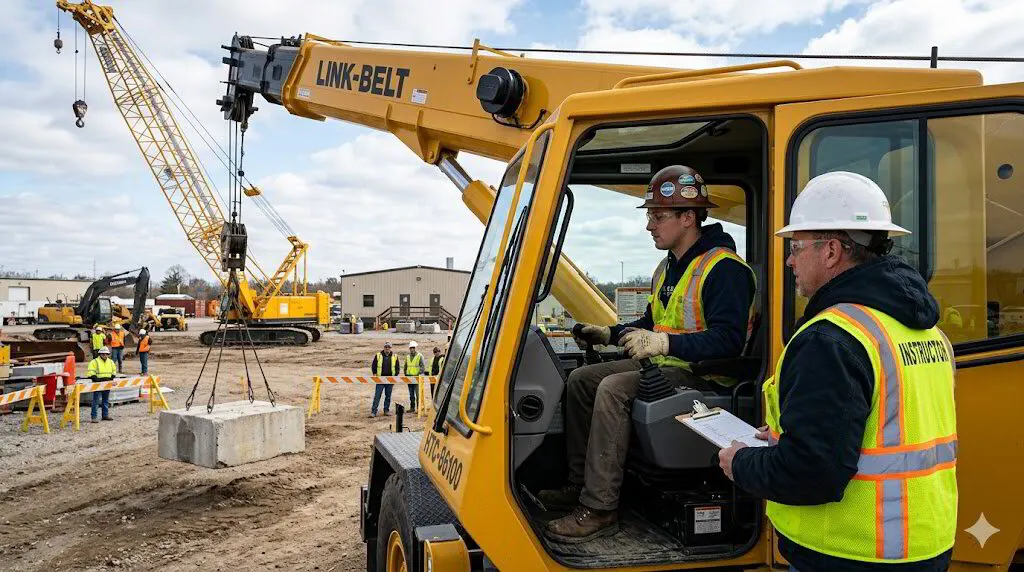 The Ultimate Guide to Crane Operator Field Training Programs: Certification & Career SuccessIn the ever-evolving construction industry, the need for certified crane operators is paramount, making effective…
-
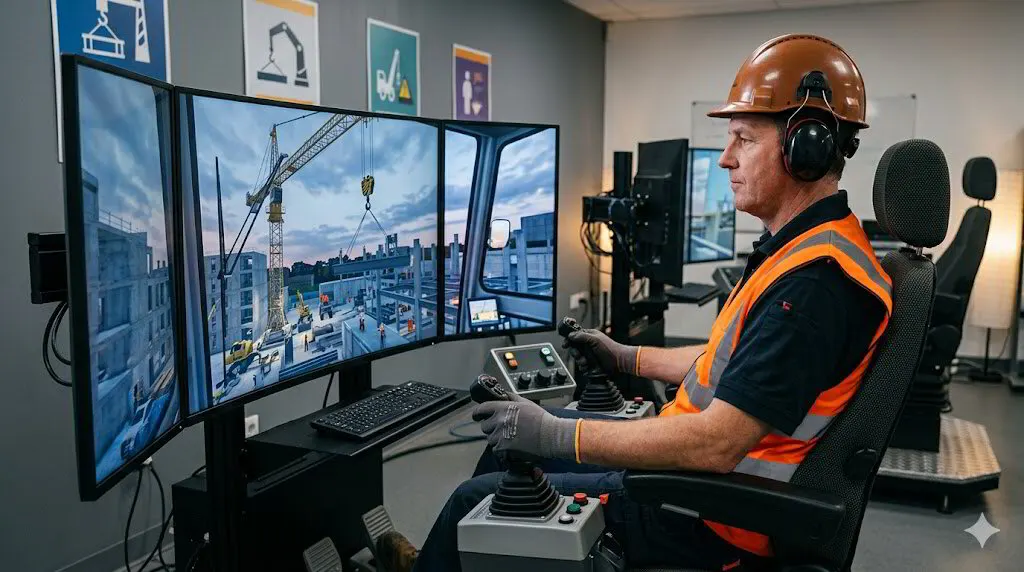 How Crane Simulators Enhance Operator Skills for Safer Construction PracticesAs the construction industry increasingly embraces technology, crane operator training has evolved significantly,…
-
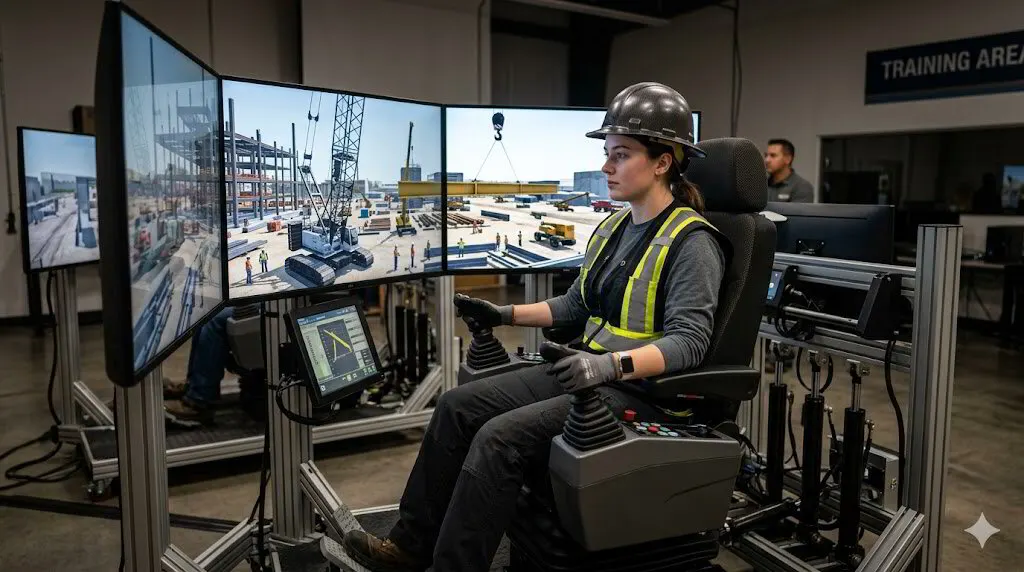 Unlocking Efficiency: The Benefits of Crane Simulator Training for Aspiring OperatorsCrane simulator training is revolutionizing the skill development of aspiring crane operators, offering a safe and…