Did you know that crane operators are among the highest-paid professionals in the construction industry, yet their jobs come with significant responsibilities and risks? Advanced crane operator skills training in Texas is essential for anyone looking to excel in this critical role. As projects become increasingly complex and safety regulations tighten, the demand for skilled operators has never been greater. Operators armed with advanced training not only enhance their career prospects but also contribute to safer job sites and more efficient operations. Whether you are a seasoned operator aiming to refine your skills or a newcomer seeking to enter the field, understanding the benefits and options for advanced training is crucial for your success in the crane operation industry.
Understanding the Importance of Advanced Crane Operator Skills Training in Texas
In the ever-evolving field of crane operation, having advanced skills is essential for both personal safety and career advancement. For crane operators in Texas, investing in advanced crane operator skills training is not just about obtaining a certification; it’s about gaining the expertise necessary to operate cranes efficiently and safely in a high-demand industry.
Benefits of Advanced Training for Career Advancement
- Enhanced Employability: Operators with advanced skills are more attractive to employers looking for qualified personnel.
- Increased Earning Potential: Higher skill levels often translate to better pay rates and opportunities for specialized positions.
- Job Security: As the demand for skilled crane operators grows, those with advanced training will find themselves in a more secure position.
- Compliance with Industry Standards: Ensuring compliance with OSHA and NCCCO regulations is critical, and advanced training equips operators with necessary knowledge.
The landscape of construction and heavy lifting operations in Texas is competitive. Operators who take the initiative to seek out advanced crane operator skills training not only differentiate themselves but also prepare for a future where technology and safety protocols continue to evolve.
Moving forward, selecting a training facility that provides relevant courses is crucial. Facilities like Miller Crane Works specialize in advanced crane operator skills training in Texas and offer unique programs that cater to both new and experienced operators.
For more information on safety standards in crane operation, you can visit OSHA.
Types of Training Offered
When it comes to advanced crane operator skills training in Texas, a variety of specialized courses cater to the diverse needs of crane operators. These training programs are designed to provide in-depth knowledge and hands-on experience, ensuring operators are well-equipped to handle different types of cranes and their associated challenges.
Specialized Courses Available 1. Tower Crane Course ○ Focuses on the unique operations and safety protocols associated with tower cranes.
○ Involves practical exercises on real tower cranes.
○ Prepares operators for specific job site demands and regulations.
2. Mobile Crane Training ○ Covers the operation of various mobile cranes, including rough terrain and all-terrain cranes.
○ Emphasizes maneuverability and ground awareness.
○ Teaches advanced rigging techniques and load management.
3. Rigging and Signaling Techniques ○ Details the essential skills of rigging loads for safe operation.
○ Includes training on communication signals between operator and ground crew.
○ Reinforces the importance of teamwork in crane operations.
Certification Pathways and Requirements Acquiring an advanced crane operator certification often requires completing specific courses and passing written and practical exams. Understand the following:
- Prerequisites: Some courses may require prior crane operation experience or basic certification.
- Testing and Evaluation: Assessments typically involve both theoretical knowledge and practical skills demonstration.
- Recertification: Operators must routinely undergo training to stay compliant with evolving regulations and technological advancements.
The commitment to continuous education in advanced crane operator skills training in Texas not only enhances safety but also ensures that operators remain competitive in their field. Training facilities, such as Miller Crane Works, are essential partners in achieving these goals.
For more information on available training programs, you can visit National Commission for the Certification of Crane Operators (NCCCO).
Key Skills Developed in Advanced Training
Participating in advanced crane operator skills training in Texas provides operators with a comprehensive skill set that goes beyond basic crane operation. This training focuses on elevating safety, efficiency, and overall competence in various crane-related tasks.
Enhanced Safety Protocols
- Understanding Risks: Operators learn to identify and assess risks specific to different job sites and crane types.
- Safety Standards: Training covers compliance with OSHA and NCCCO safety guidelines to ensure best practices.
Advanced Operational Techniques
- Load Management: Operators will master techniques for safely lifting and moving loads in varying conditions.
- Precision Control: Improved skills in maneuvering cranes with precision, especially in tight spaces and complex environments.
Problem-Solving and Decision-Making Skills
- Real-World Scenarios: Training involves simulated scenarios where operators must make quick decisions under pressure.
- Critical Thinking: Enhances the ability to evaluate situations and implement effective solutions swiftly and safely.
Equipment Maintenance and Troubleshooting
- Routine Inspections: Operators learn the importance of daily inspections and maintenance checks to ensure equipment reliability.
- Troubleshooting Skills: Development of skills to identify and address common mechanical issues to minimize downtime.
The skills acquired through advanced crane operator skills training not only boost individual operator competency but also enhance team performance on job sites. Investing in such specialized training minimizes errors and fosters a culture of safety in crane operation environments.
For more resources on crane operator training, check out United Rentals.
Training Methods and Approaches
When it comes to advanced crane operator skills training in Texas, the methods of instruction play a crucial role in the effectiveness of the learning experience. Training facilities employ a combination of techniques designed to accommodate different learning styles and ensure operators gain the practical skills needed for real-world applications.
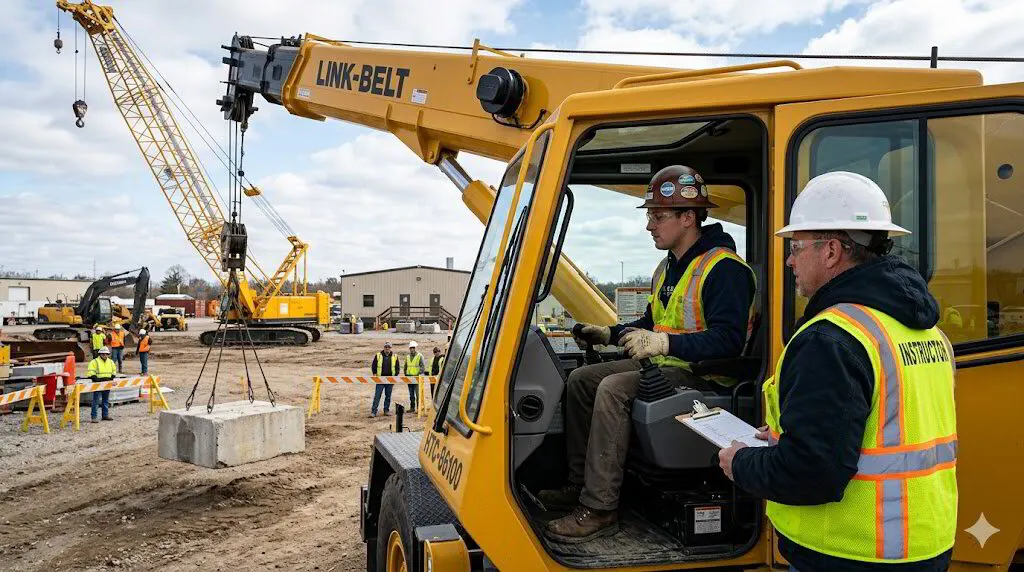
Onsite Hands-On Training
- Real Equipment Experience: Operators practice on actual cranes, giving them a realistic feel for the machinery.
- Situation-Based Learning: Training is conducted in environments that mimic actual job sites, allowing operators to encounter and solve real-world challenges.
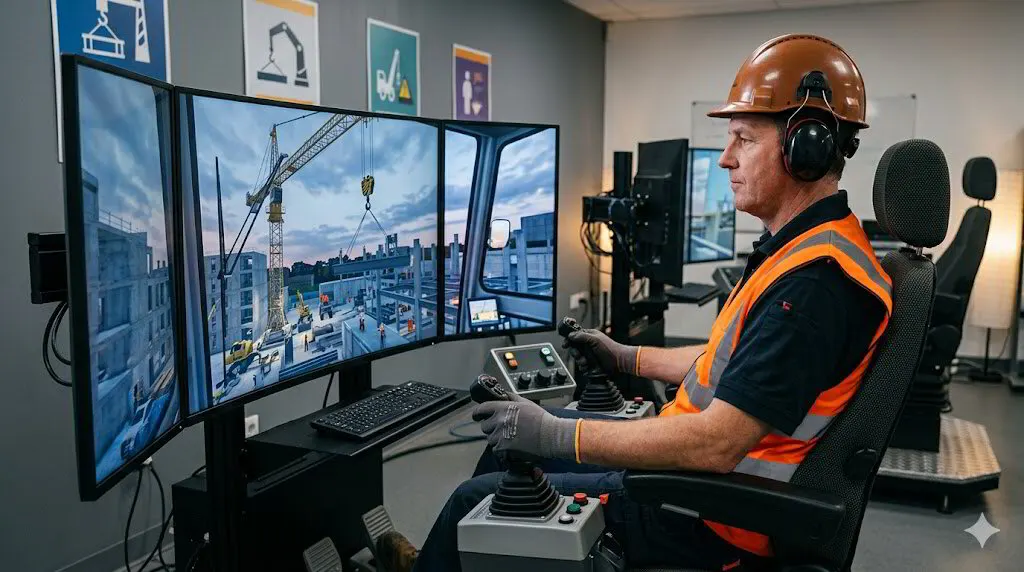
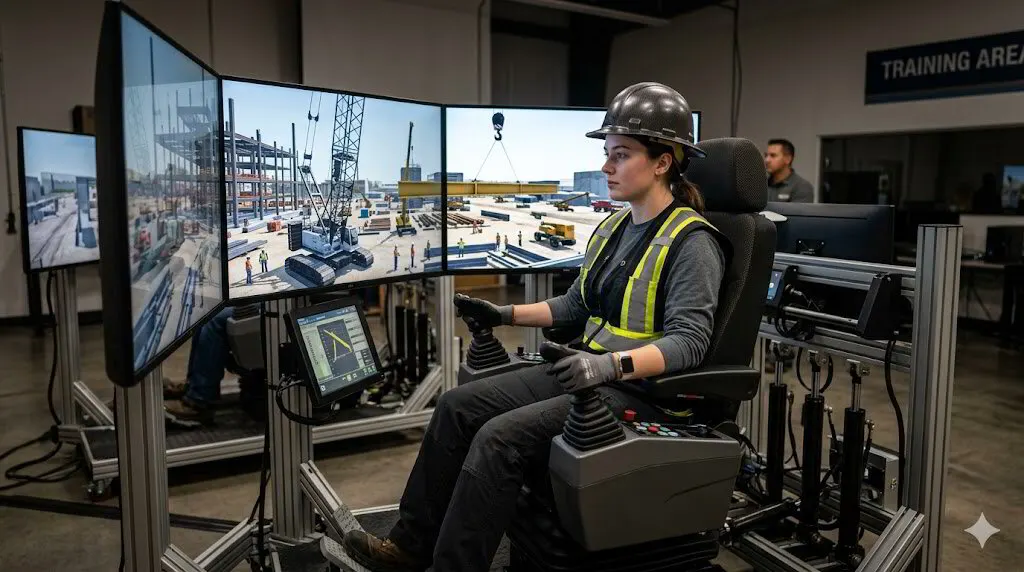
Live Simulations and Real-World Scenarios
- Simulated Emergencies: Operators engage in emergency response drills to prepare for unforeseen situations.
- Problem Solving: Simulations require operators to collaborate with team members, enhancing their teamwork and communication skills.
Classroom Instruction Versus Practical Application
- Theoretical Knowledge: Classroom time covers essential topics such as safety regulations, load dynamics, and operational theory.
- Integrated Learning: Instruction is designed to connect theory with practice, enabling operators to understand the reasoning behind specific techniques and protocols.
The combination of these training methods ensures that participants in advanced crane operator skills training in Texas emerge as well-rounded professionals ready to take on the complexities of crane operation. By balancing academic learning with practical application, operators can confidently handle the variety of tasks required in their profession.
For further insights on training techniques, you can visit Caterpillar.
The Role of Instructors
In advanced crane operator skills training in Texas, the expertise of instructors is pivotal in shaping the competence of students. Skilled instructors bring a wealth of experience and knowledge to the classroom and training environments, ensuring that participants receive quality education and practical insights.
Qualifications and Expertise of Instructors
- Industry Experience: Many instructors have significant field experience, having worked as crane operators themselves before transitioning to teaching.
- Certification: Qualified instructors often hold various certifications, such as NCCCO (National Commission for the Certification of Crane Operators), which enhances their credibility and ability to teach.
- Continuous Education: Instructors engage in ongoing professional development to stay current with industry standards and technology advancements.
Importance of Mentorship in Skill Development
- Personalized Guidance: Instructors provide one-on-one mentoring to address the specific needs and learning styles of each operator.
- Building Confidence: Through constructive feedback and encouragement, instructors help students build the confidence necessary to operate cranes effectively in real-world conditions.
Continuous Support and Feedback During Training
- Open Communication: Instructors foster an environment where students feel comfortable asking questions and seeking clarification.
- Real-Time Evaluation: Ongoing assessments allow instructors to provide immediate feedback, helping operators correct mistakes and refine their techniques.
The invaluable role of instructors in advanced crane operator skills training in Texas ensures that operators are not only well-trained but also prepared to meet the demands of a challenging and evolving industry. Their commitment to educating the next generation of crane operators significantly enhances safety and performance in the field.
For more information on finding certified trainers, consider visiting Simpson Strong-Tie.
Choosing the Right Training Facility
Selecting an appropriate training facility is critical to obtaining the highest quality of advanced crane operator skills training in Texas. With several options available, it's important for prospective operators to evaluate each facility based on specific criteria that align with their professional goals.
Factors to Consider When Selecting a Training Provider
- Accreditation and Certification: Ensure that the facility is accredited and offers certification recognized by industry standards such as NCCCO.
- Course Offerings: Look for a facility that provides a comprehensive range of courses, including specialized training on different types of cranes.
- Facility Resources: Assess the equipment available for training, ensuring it is modern, well-maintained, and reflective of what is used in the industry.
Location and Accessibility in Texas
- Proximity to Job Sites: Choose a facility that is easily accessible to your location and potential job sites, minimizing travel time and costs.
- Availability of Class Schedules: Check for flexible scheduling options that fit your work commitments and personal availability.
Facility Reputation and Success Rates
- Alumni Success Stories: Research the success rates of graduates in finding employment after completing their training.
- Industry Reviews: Look at online reviews and testimonials from former students to gauge the quality of training and overall experience at the facility.
By carefully evaluating these factors, individuals can make informed decisions about where to pursue their advanced crane operator skills training in Texas. The right training facility will not only provide valuable education but also lay the foundation for a successful career in cran operation.
For more information on choosing the right training programs, visit Guitar Center.
Cost and Investment in Advanced Training
Investing in advanced crane operator skills training in Texas is a crucial step for aspiring and existing operators looking to excel in their careers. While the costs associated with training can vary, understanding the financial commitment and potential return on investment is essential for making informed decisions.
Overview of Training Costs
- Tuition Fees: Training programs often have different tuition rates based on course length, certification level, and facility reputation.
- Additional Expenses: Consider costs associated with materials, textbooks, and equipment usage fees that may not be included in the tuition.
Financial Aid Options and Payment Plans
- Scholarships and Grants: Research potential scholarships from industry organizations that support training in crane operation.
- Payment Plans: Many training facilities offer flexible payment plans that allow students to pay for their education over time, making it more accessible.
Return on Investment in Terms of Career Growth
- Higher Earning Potential: Graduates who complete advanced courses typically command higher salaries due to their specialized skill sets.
- Job Opportunities: Having advanced certifications often opens the door to more job opportunities and potentially safer working environments.
- Long-Term Career Stability: Operators with advanced training are more likely to retain their positions and advance within their companies, making the initial investment worthwhile.
Recognizing the costs associated with advanced crane operator skills training in Texas and understanding the financial options available can help operators strategically invest in their careers. This investment not only enhances their skills but also increases their employability and earning potential in a thriving industry.Judge a school by its equipment, its TWC-approved course list, and whether NCCCO practical exams are given where you train.
Future of Crane Operation and Continuing Education
As the construction industry evolves, so too does the role of crane operators. The future of crane operation is heavily influenced by advancements in technology, safety protocols, and regulations. To remain competitive and proficient, ongoing education and advanced crane operator skills training in Texas are essential.
Evolving Technologies in Crane Operation
- Automation and Robotics: Increased use of automated systems and drones for site surveying and crane operation can enhance efficiency and safety.
- Advanced Load Monitoring Systems: New technologies assist operators in monitoring loads in real-time, reducing the potential for accidents and improving accuracy.
- Virtual Reality Training: Innovative training methods, including virtual reality simulations, offer a safe environment for operators to practice complex scenarios.
Importance of Ongoing Training and Recertification
- Compliance with Regulations: Continuous education ensures operators are aware of the latest industry regulations and safety standards.
- Skill Refreshment: Regular training sessions reinforce important skills and introduce advanced techniques to keep operators at the top of their game.
- Adaptability to New Equipment: Operators are better prepared to transition to new machinery and technologies as they enter the market.
Staying Compliant with Industry Regulations
- Understanding OSHA Requirements: Ongoing training helps operators stay updated on
OSHA regulations regarding crane operation, ensuring compliance and safety on job sites.
- Participation in Safety Programs: Engaging in ongoing safety training and workshops promotes a culture of safety and accountability within the organization.
By committing to ongoing education and embracing the future of crane operation, professionals can ensure they remain relevant and skilled. Advanced crane operator skills training in Texas not only enhances individual capabilities but also contributes to a safer and more productive industry.
For more resources on the latest technologies in crane operations, visit Liebherr.
Conclusion
Embarking on a career as a crane operator is both rewarding and challenging. The importance of advanced crane operator skills training in Texas cannot be overstated, as it equips operators with the necessary knowledge and techniques to navigate the complexities of their profession successfully.
Summary of the Benefits of Advanced Crane Operator Skills Training in Texas
- Enhanced Safety: Proper training significantly reduces the risk of accidents and injuries on the job site.
- Career Advancement: Operators who complete advanced training have better job prospects and can command higher salaries.
- Compliance with Regulations: Training ensures operators stay updated with industry regulations, promoting safety and operational excellence.
Encouragement to Invest in Skill Development for Career Success Investing in advanced crane operator skills training is not just a step toward certification; it’s a commitment to personal and professional growth. Whether you're a new operator or seeking to expand your expertise, engaging in these training programs will provide the tools necessary for a successful career in crane operation.
By choosing reputable training facilities and making the most of the educational resources available in Texas, operators can thrive in a competitive job market and contribute to the safety and efficiency of construction projects.
For additional information on crane operation and training programs, visit Terex Corporation.
What is the duration of advanced crane operator skills training in Texas?
The duration of advanced crane operator skills training in Texas can vary depending on the course and training facility. Typically, training programs can range from a few days to several weeks, with some comprehensive programs spanning up to a couple of months. This allows operators to gain necessary practical and theoretical knowledge while accommodating different schedules and learning paces.
Are there prerequisites for enrolling in advanced crane operator training?
Yes, many advanced crane operator training programs have prerequisites. Generally, candidates are expected to have a basic understanding of crane operations and may need to possess a valid crane operator certification, such as the NCCCO certification. Some facilities may also consider prior experience operating cranes as a valuable asset when enrolling in advanced courses.
How much does advanced crane operator skills training cost?
The cost of advanced crane operator skills training in Texas can vary widely based on the training facility, location, and type of course. Tuition fees can range from several hundred to several thousand dollars. Additionally, there may be extra costs for materials, textbooks, and equipment. It’s advisable to check with specific training providers for detailed pricing information and potential financial aid options.
What types of cranes are covered in advanced training programs?
Advanced crane operator skills training programs typically cover a variety of cranes, including tower cranes, mobile cranes, and specialized equipment like crawler cranes and rough terrain cranes. Participants may also receive training on rigging techniques, load management, and the operational differences between these types of equipment, depending on the program.
Is it necessary to recertify after completing advanced crane operator training?
Yes, recertification is an essential aspect of maintaining compliance and ensuring safety in the crane operation industry. Operators are generally required to renew their certifications every few years, which may involve completing additional training courses or passing examinations.
Staying current with industry regulations and advances in technology is crucial for both safety and career advancement.
Mastering Advanced Crane Operator Skills with Miller Crane Works in Texas
Mastering advanced crane operator skills is essential for anyone aiming to excel in the heavy equipment and construction industries, and Miller Crane Works in Texas is leading the way in high-level training. With a strong focus on safety, precision, and real-world application, their advanced crane operator programs are designed for experienced professionals looking to enhance their credentials and performance. Students gain hands-on experience with modern equipment, learn to navigate complex lift scenarios, and prepare for industry-recognized certifications. Whether you're upgrading your skills or meeting new job requirements, Miller Crane Works provides the expertise and resources to help you succeed in today’s competitive job market.

-
 The Ultimate Guide to Crane Operator Field Training Programs: Certification & Career SuccessIn the ever-evolving construction industry, the need for certified crane operators is paramount, making effective…
-
 How Crane Simulators Enhance Operator Skills for Safer Construction PracticesAs the construction industry increasingly embraces technology, crane operator training has evolved significantly,…
-
 Unlocking Efficiency: The Benefits of Crane Simulator Training for Aspiring OperatorsCrane simulator training is revolutionizing the skill development of aspiring crane operators, offering a safe and…