
Becoming a certified crane operator in Texas is not just a career choice; it’s an opportunity to play a crucial role in the construction and infrastructure development that shapes cities and communities. With Texas experiencing significant growth in various sectors, the demand for skilled crane operators has never been higher. Have you ever watched a towering crane at a construction site and wondered who operates such impressive machinery? Certified crane operators are the skilled professionals behind the controls, ensuring safety and efficiency in the lifting and moving of heavy materials. In this blog post, we will explore everything you need to know about the path to certification, the training available, and the vast opportunities that await in this rewarding field.
Importance of Becoming a Certified Crane Operator in Texas
Crane operation is a cornerstone of many construction projects, ensuring heavy materials are lifted and moved efficiently and safely. In Texas, where the construction industry is booming, becoming a certified crane operator can significantly enhance your career prospects and job security.
Benefits of Certification for Operators and Employers
- Enhanced Safety: Certification ensures crane operators are trained in safety protocols, reducing the risk of accidents on job sites.
- Increased Employability: Many employers require certification to ensure their teams are skilled and knowledgeable in crane operation.
- Higher Earning Potential: Certified operators often command higher wages compared to their non-certified counterparts.
- Regulatory Compliance: Employers hiring certified operators are more likely to comply with local and federal regulations regarding crane operations.
Understanding NCCCO Certification The National Commission for the Certification of Crane Operators (NCCCO) plays a pivotal role in establishing industry standards for crane operation. Let’s explore what NCCCO certification entails and its overall significance.
Types of Crane Operator Certifications Offered NCCCO offers several types of crane operator certifications, including:
- Mobile Crane Operator: For operators who work with mobile cranes.
- Tower Crane Operator: Specific to tower cranes, which are essential in high-rise construction.
- Feller Buncher Operator: Certification for specialized cranes used in forestry.
Requirements for Certification To obtain NCCCO certification, candidates typically need to:
- Complete a formal training program.
- Pass written and practical examinations.
- Provide proof of relevant work experience, if applicable.
Steps to Become a Certified Crane Operator in Texas Becoming a certified crane operator in Texas is a structured process that involves
several key steps.
1. Research Crane Training Facilities ○ Investigate local training facilities like Miller Crane Works, known for its comprehensive training programs, including specialized tower crane courses.
2. Enroll in a Training Program ○ Choose a program that suits your schedule and learning style, whether it's onsite or remote.
3. Complete the Necessary Coursework ○ Engage fully in the coursework, which covers both the technical and safety aspects of crane operation.
4. Pass the Practical and Written Examinations ○ Prepare thoroughly for both examinations to demonstrate your knowledge and skills effectively.
By completing these steps, you position yourself as a valuable asset in the construction industry as a certified crane operator in Texas.
For more information on crane operator certifications and training, you can visit NCCCO.
Crane Training Programs in Texas
Finding the right training program is crucial for anyone aspiring to become a certified crane operator in Texas. Training programs equip you with essential skills, safety knowledge, and practical experience necessary for successful certification.
Overview of Miller Crane Works Training Facility Miller Crane Works stands out as one of the top training facilities in Texas for aspiring crane operators. They offer a range of courses tailored to meet the needs of various operator types, including:
- Mobile Crane Operations: Comprehensive training on operating various mobile cranes.
- Tower Crane Course: One of the few facilities in Texas to offer specialized training for tower crane operations.
- Rigging and Signaling: Important skills for safely maneuvering loads.
Details About the Tower Crane Course Offered The tower crane course at Miller Crane Works covers critical aspects such as:
- Equipment Familiarization: Understanding the components and functions of tower cranes.
- Safety Protocols: Learning the necessary safety measures to protect oneself and others on the job site.
- Hands-On Training: Practical operating exercises to build confidence and proficiency.
Discuss In-Person Training vs. Virtual Training Options When choosing a training program, consider the format that best suits your learning style:
- In-Person Training: Offers real-world experience at the Seagoville yard and immediate feedback from instructors.
○ Ideal for hands-on learners.
○ Facilitates direct interaction and peer learning.
- Virtual Training: Provides flexibility to learn at your own pace.
○ Suitable for those with time constraints or geographical limitations.
○ Offers access to a variety of resources and materials online.
By selecting a program that fits your needs, you will significantly enhance your chances of becoming a successful certified crane operator in Texas.
For additional resources and information on crane training, visit United Rentals.
Preparing for the NCCCO Exams
Study Materials and Resources Available To adequately prepare for the NCCCO exams, consider utilizing various study materials:
- Official NCCCO Study Guides: Use the latest guides that cover all essential topics, including safety regulations and operating procedures.
- Practice Exams: Many online platforms offer practice tests designed to simulate the real exam experience.
- Workshops and Seminars: Participating in workshops led by experienced instructors can help reinforce your knowledge and clarify complex concepts.
Tips for Effective Exam Preparation 1. Create a Study Schedule: Dedicate specific times each week to focus on different aspects of crane operation.
2. Join Study Groups: Collaborate with fellow students to share knowledge and tackle challenging material together.
3. Focus on Practical Skills: Hands-on experience is invaluable. Spend time operating cranes under supervision to build confidence.
4. Review Safety Protocols: Ensure you understand the safety regulations as these are crucial components of the exam.
Importance of Hands-On Practice In addition to theoretical knowledge, practical skills are vital for NCCCO certification. Engaging in hands-on practice will:
- Enhance your understanding of diverse crane operations.
- Familiarize you with equipment controls and safety features.
- Build the muscle memory needed for efficient crane operation on job sites.
By thoroughly preparing for the NCCCO exams, you will greatly increase your chances of becoming a certified crane operator in Texas, positioning yourself for a rewarding career in the construction industry.
For further information on preparation strategies and resources, visit Cranes101.
Continuing Education and Recertification
Once you've become a certified crane operator in Texas, it's essential to remain committed to ongoing education and recertification. This ensures that your skills stay current, and you maintain compliance with industry regulations.
Lifespan of NCCCO Certification
- Certification Validity: NCCCO certifications typically last for five years.
- Recertification Requirements: To maintain your certification, operators must demonstrate their continued competency before the expiration date.
Importance of Ongoing Training and Skill Enhancement Continuous education is crucial for several reasons:
- Evolving Technology: The crane operation field is always advancing, with new equipment and technology being introduced frequently.
- Regulatory Changes: Keeping updated with local and federal regulations is vital for compliance and workplace safety.
- Enhancing Career Opportunities: Additional training can open doors to advanced certifications or specialized areas within crane operation, increasing your marketability.
Process for Recertification 1.Classes are held only at the Seagoville yard, and only the TWC-approved courses are offered.
2. Pass the Required Exams: Typically, this includes written tests and possibly practical assessments to confirm your skills remain sharp.
3. Submit Application for Recertification: After successful completion of the course and exams, submit your application along with any necessary documentation.
By prioritizing continuing education and recertification, you ensure your credentials as a certified crane operator in Texas remain valid and valuable. This proactive approach not only enhances your skills but also solidifies your position in the industry.
For more information about recertification and advanced training opportunities, consider visiting Associated General Contractors.
Career Opportunities for Certified Crane
Operators
Becoming a certified crane operator in Texas opens the door to a variety of career opportunities in the construction and industrial sectors. With the state's robust economy and continuous growth in infrastructure projects, the demand for skilled crane operators is on the rise.
Job Roles Available for Certified Operators As a certified crane operator, you may find job opportunities in various roles, including:
- Mobile Crane Operator: Operate mobile cranes for construction, demolition, and heavy lifting tasks.
- Tower Crane Operator: Manage tower cranes at high-rise construction sites, overseeing the lifting and moving of materials.
- Rigging Supervisor: Take charge of rigging operations, ensuring safe and effective load handling.
- Safety Coordinator: Implement and oversee safety protocols on construction sites to minimize risks and ensure compliance.
Potential Salary Ranges in Texas Salaries for certified crane operators can vary based on experience, location, and the specific type of crane operated.Pay is set by the employer. This school does not state or promise wages.Pay is set by the employer. This school does not state or promise wages.Pay is set by the employer. This school does not state or promise wages.
Demand for Crane Operators in the Industry The construction industry in Texas is thriving, driven by:
- Infrastructure Projects: Expansion of highways, bridges, and public buildings.
- Energy Sector Growth: Construction associated with renewable energy projects and oil refineries.
- Commercial Development: Increased demand for residential and commercial buildings across urban areas.
This growing demand ensures that certified crane operators will continue to be sought-after professionals in the workforce.
For more insights into job opportunities and industry trends, consider visiting Indeed.
Conclusion
Becoming a certified crane operator in Texas is not just an achievement; it is a gateway to a rewarding career in a thriving industry. The certification, primarily through the NCCCO, not only showcases your skills and knowledge but also enhances your employability and earning potential.
Key Takeaways
- Essential Training: Selecting the right training facility and program is crucial for gaining the necessary skills and confidence to operate cranes safely.
- Commitment to Safety: As a certified operator, your understanding of safety protocols contributes to safer work environments, benefiting both you and your coworkers.
- Continuous Learning: Engaging in ongoing education and recertification ensures your skills remain relevant amid evolving technologies and regulations.
- Career Advancement: The demand for skilled crane operators in Texas presents numerous job opportunities with competitive salaries and the potential for advancement in specialized roles.
In today’s construction landscape, the role of a certified crane operator is essential and highly respected. By investing in your training and certification, you position yourself as a vital asset in the construction industry.
Take the first step towards becoming a certified crane operator in Texas and unlock your potential in this dynamic field. For further resources and industry information, visit the National Commission for the Certification of Crane Operators (NCCCO).
FAQs About Becoming a Certified Crane
Operator in Texas
As you consider the path to becoming a certified crane operator in Texas, you may have questions about the certification process, training, and job prospects. Below are some frequently asked questions that can provide additional insights.
What are the prerequisites for becoming a certified crane operator in Texas?
- Age Requirement: You must be at least 18 years old.
- Physical Fitness: A medical evaluation may be required to ensure you can perform the physical tasks involved in crane operation.
- Background Check: Some employers may conduct background checks before hiring.
How long does it take to become certified?
The timeline can vary based on your training course and study schedule. Generally, completing a training program can take anywhere from a few weeks to a few months, followed by preparation for the NCCCO exams.
Do I need ongoing education after becoming certified?
Yes, continuing education is important. Recertification is typically required every five years, and it’s recommended to engage in periodic training to stay updated on industry standards and best practices.
What types of cranes can I operate with NCCCO certification?
With NCCCO certification, you can operate various types of cranes, depending on the specific certification you obtain:
- Mobile Cranes: Such as rough terrain and all-terrain cranes.
- Tower Cranes: Used primarily in high-rise construction.
- Piledrivers: For driving piles into the ground.
Can I take the training and exams online?
Some training programs offer online courses, but practical exams usually require in-person attendance. Make sure to choose an accredited training facility that provides both options.
By addressing these common questions, you can better navigate your journey to becoming a certified crane operator in Texas. This certification can lead to a fulfilling and lucrative career in a growing industry.
For more detailed information about crane operations and training, you can visit Caterpillar.
Resources for Aspiring Certified Crane
Operators in Texas
If you’re looking to embark on a journey to become a certified crane operator in Texas, there are numerous resources available to aid your training and certification process. Understanding where to find these resources can significantly enhance your learning experience and increase your chances of success.
Training Facilities Finding a reputable training facility is essential. Consider the following options:
- Miller Crane Works: Known for its comprehensive training programs including specialized courses for tower cranes.
- Texas A&M Engineering Extension Service (TEEX): Offers various crane operator courses designed to meet industry standards.
- Local Trade Schools: Many community colleges provide crane operation training as part of their vocational programs.
Online Study Materials Apart from in-person training, several online resources can help you prepare:
- NCCCO Study Guides: Official guides from the National Commission for the Certification of Crane Operators that cover exam material.
- Crane Operation Forums and Communities: Join forums to connect with other operators and share knowledge, such as forums on CraneNetwork.
- YouTube Educational Channels: Channels dedicated to heavy equipment operation can provide invaluable visual insights.
Professional Organizations Engaging with professional organizations can also be beneficial:
- National Commission for the Certification of Crane Operators (NCCCO): Stay updated on certification processes and related opportunities.
- American Society of Safety Professionals (ASSP): Provides resources and training focused on workplace safety, including crane safety protocols.
Job Boards and Industry News Staying informed about job opportunities and industry news is vital as you pursue a career:
- Indeed and Monster: Major job boards where you can find listings for certified crane operator positions in Texas.
- Construction Industry Magazines: Publications like Construction Today provide the latest trends and opportunities within the industry.
Utilizing these resources effectively will help you on your path to becoming a certified crane operator in Texas. By equipping yourself with knowledge and skills, you can set yourself up for a rewarding career in this vital field.
For more comprehensive resources, visit Heavy Equipment Operator Schools.
What is the process to become a certified crane operator in Texas?
To become a certified crane operator in Texas, you need to complete a training program through an accredited facility, pass the NCCCO certification exams, and demonstrate your proficiency through practical assessments. The training usually covers both theoretical and hands-on instruction to equip you with the necessary skills and knowledge.
How long does it take to get certified as a crane operator?
The time it takes to become certified as a crane operator varies depending on the program you choose. Typically, training programs can last anywhere from a few weeks to a few months.
Following that, passing the NCCCO exams will be the final step in the certification process, which may take additional time for preparation.
What are the job prospects for certified crane operators in Texas?
Job prospects for certified crane operators in Texas are quite promising, as the state is experiencing a construction boom. Opportunities can be found in various sectors, including commercial construction, infrastructure projects, and the energy industry. With a certification, you enhance your employability and can expect competitive salaries.
Do I need any specific experience before enrolling in a crane training program?
While prior experience is not always required to enroll in a crane training program, having a foundational understanding of heavy machinery operations can be beneficial. Some programs might prefer candidates with a background in construction or related fields, but many welcome beginners and provide comprehensive training from the ground up.
Is recertification required for crane operators?
Yes, recertification is required for crane operators every five years. It ensures that operators remain up-to-date with safety protocols, regulations, and industry standards. Engaging in continued education and training is essential for maintaining certification and enhancing your skills as a crane operator.
Get Certified as a Crane Operator in Texas
with Miller Crane Works
Ready to launch a high-demand career in crane operation? Miller Crane Works offers expert-led certification programs designed to help you become a certified crane operator in Texas. Our training meets all NCCCO standards and emphasizes practical, hands-on experience using industry-relevant equipment. Whether you're new to the field or looking to upgrade your skills, our experienced instructors and flexible class schedules make the process smooth and effective. At Miller Crane Works, we don't just prepare you for the exam—we prepare you for the job. Join hundreds of graduates who have taken the next step in their careers with us. Get certified. Get confident. Get started with Miller Crane Works today.

-
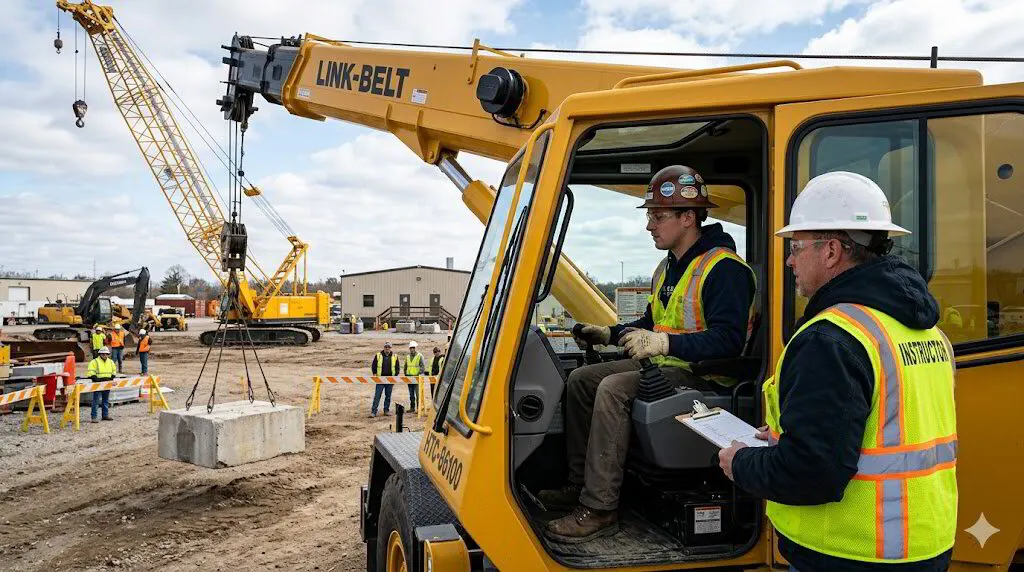 The Ultimate Guide to Crane Operator Field Training Programs: Certification & Career SuccessIn the ever-evolving construction industry, the need for certified crane operators is paramount, making effective…
-
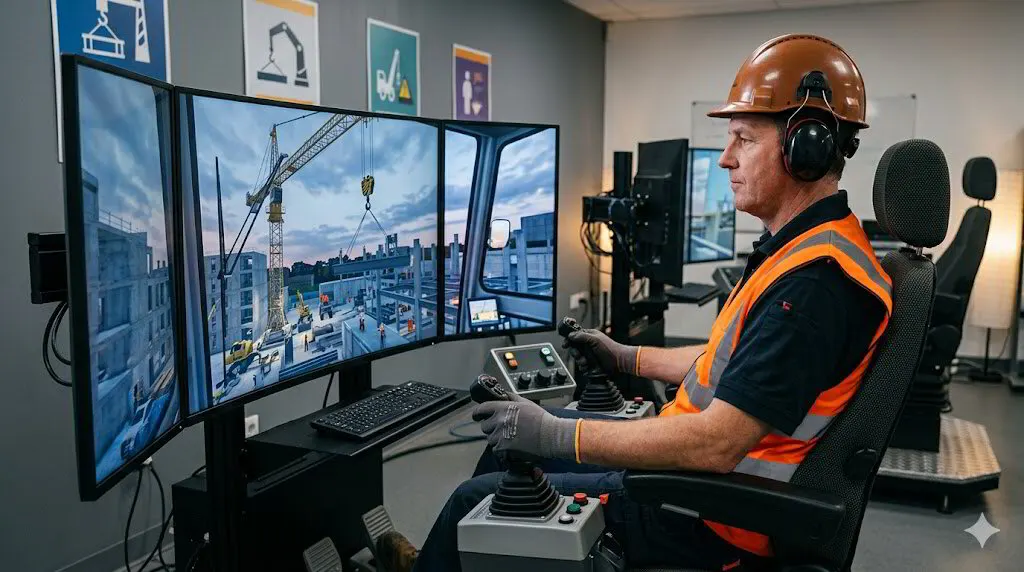 How Crane Simulators Enhance Operator Skills for Safer Construction PracticesAs the construction industry increasingly embraces technology, crane operator training has evolved significantly,…
-
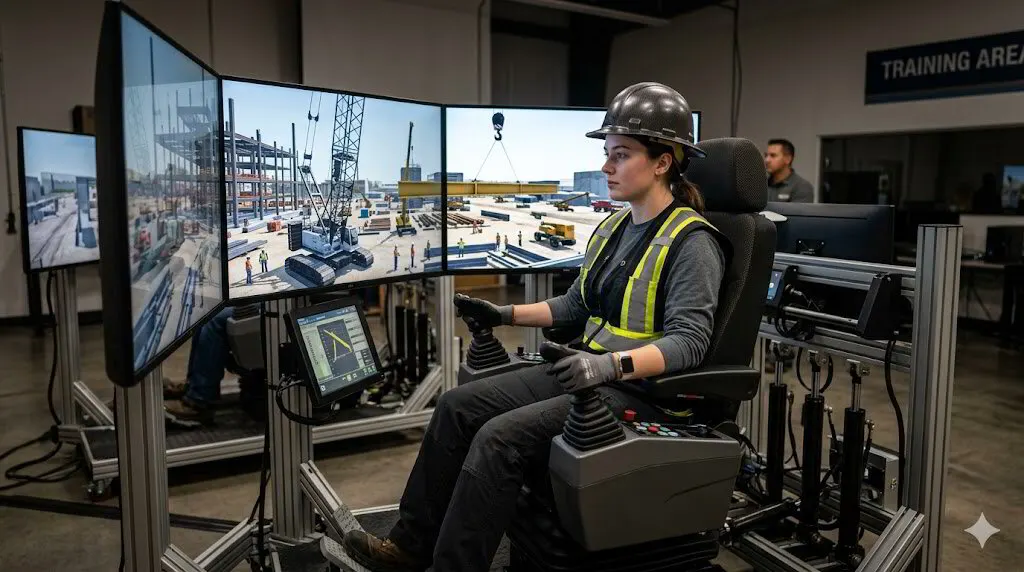 Unlocking Efficiency: The Benefits of Crane Simulator Training for Aspiring OperatorsCrane simulator training is revolutionizing the skill development of aspiring crane operators, offering a safe and…