
Becoming a certified crane operator in Texas is not just a career choice; it’s a commitment to safety, professionalism, and skill in one of the most vital sectors of the construction industry.
Did you know that crane operators are among the highest-paid trades in the construction field, yet they face significant responsibilities and risks? With the increasing complexity of construction projects and the stringent safety regulations in place, achieving certification has never been more essential. This blog post will guide you through the steps to obtain your NCCCO certification, highlight the benefits of being a certified crane operator, and help you navigate the training and examination process. Whether you're starting a new career or looking to enhance your skills, understanding what it takes to become a certified crane operator in Texas is the first step on your journey to success.
Understanding the Importance of Certification for Crane Operators in Texas
The role of crane operators in the construction industry is critical. They are responsible for the safe and efficient lifting and movement of heavy materials, which is essential for any construction project. The stakes are high, as improper handling can lead to accidents, injuries, or even fatalities on job sites.
The significance of NCCCO certification cannot be overstated. This certification not only enhances an operator's skill set but also demonstrates a commitment to safety and professionalism. In Texas, the demand for certified crane operators continues to grow, making this certification a valuable asset in the job market.
Safety Regulations and Compliance in Texas Compliance with safety regulations is paramount for crane operators. Texas has strict safety laws that govern crane operations. Being a certified crane operator ensures that you are fully versed in these regulations, which include:
- OSHA (Occupational Safety and Health Administration) standards
- Local and state regulations specific to construction sites
- Employer-specific safety protocols
By understanding and adhering to these rules, certified crane operators can significantly reduce the risk of workplace incidents, contributing to a safer work environment.
For more information on safety regulations, you can visit the OSHA website.
In summary, becoming a certified crane operator in Texas is not just about meeting a requirement; it is an essential step toward enhancing safety, improving job prospects, and ensuring compliance in a competitive industry.
Overview of NCCCO Certification
What is the NCCCO?
The National Commission for the Certification of Crane Operators (NCCCO) is a nonprofit organization that provides a nationally recognized certification for crane operators.
Established to improve safety in the workplace, the NCCCO has developed rigorous testing and training processes.
Types of Certifications Available For those looking to become a certified crane operator in Texas, the NCCCO offers several certifications tailored to different crane types. These certifications include:
- Mobile Crane Operator
- Tower Crane Operator
- Pedestal Crane Operator
- Signalperson Certification
- Rigger Certification
Each certification has specific requirements, ensuring that operators possess the skills and knowledge essential for their work.
Requirements to Obtain NCCCO Certification To achieve NCCCO certification, candidates must meet certain prerequisites:
- Age Requirement: Candidates must be at least 18 years old.
- Work Experience: A minimum amount of operational experience is often required, depending on the specific certification.
- Training Course: Enrollment in an NCCCO-approved training program is necessary to prepare for the examinations.
Completing these requirements is a vital step in becoming a certified crane operator in Texas, as they establish a foundation of knowledge that enhances both safety and operational efficiency.
By pursuing NCCCO certification, aspiring crane operators position themselves for better job prospects and contribute positively to workplace safety and compliance. For additional resources on crane operator training, visit the Associated General Contractors of America.
Steps to Become a Certified Crane Operator in Texas
Becoming a certified crane operator in Texas involves several crucial steps that ensure you are well-prepared for the responsibilities of the job. Here’s a detailed breakdown of the process:
Assessing Eligibility and Prerequisites Before starting your journey, it’s essential to assess whether you meet the eligibility requirements, which typically include:
- Age: Must be at least 18 years old.
- Medical Review: A medical examination to ensure you meet the physical requirements.
- Basic Education: A high school diploma or equivalent is often preferred.
Enrolling in a Crane Operator Training Program One of the most critical steps is to enroll in a recognized crane operator training program. Look for programs that are:
- NCCCO-approved: Ensure the training meets national standards.
- Comprehensive: Programs should cover both theoretical knowledge and practical skills.
- Convenient: Consider facilities like Miller Crane Works, which offer in-person training at the Seagoville yard and the approved courses such as the tower crane course.
Preparing for the NCCCO Written Examination Preparation for the written examination involves:
- Studying key topics: Focus on crane operations, safety protocols, and regulations.
- Utilizing available resources: Use study guides, practice tests, and online materials.
Hands-on Training: Importance of Onsite Experience Hands-on training is invaluable. This practical component allows aspiring operators to:
- Gain real-world experience under expert supervision.
- Practice operating different types of cranes in various scenarios.
- Engage in safety drills to better understand risk management.
By following these steps, you’ll be well on your way to becoming a certified crane operator in Texas, enhancing your career opportunities while contributing to workplace safety and efficiency. For further information on training programs, visit Cranes101.
Choosing the Right Training Facility
Selecting the right training facility is a pivotal step for anyone looking to become a certified crane operator in Texas. The facility you choose can significantly impact your education and readiness for the certification exams.
Criteria for Selecting a Training Facility When evaluating training programs, consider the following factors:
- Accreditation: Ensure the program is recognized by NCCCO and meets industry standards.
- Instructor Qualifications: Look for experienced instructors with a proven track record in crane operations and safety.
- Curriculum Content: The program should cover all necessary topics, including:
○ Safety protocols ○ Hands-on training with various types of cranes ○ Preparation for the NCCCO exams
- Class Size: Smaller class sizes often mean more personalized attention and hands-on experience.
Benefits of Onsite and In-Person Training The advantages of onsite and in-person training include:
- Real-world experience: In-person training allows students to operate cranes in a controlled environment, mirroring actual job conditions.
- Immediate feedback: Students can receive instant feedback from their instructors, which is crucial for skill development.
- Networking opportunities: Building connections with instructors and fellow students can lead to job opportunities in the future.
Highlighting Miller Crane Works and Its Unique Tower Crane Course Miller Crane Works stands out in Texas as one of the few facilities offering specialized training, including an extensive tower crane course. This expertise is critical, given the growing use of tower cranes in construction projects across the state.
Investing time in a comprehensive training program at a respected facility like Miller Crane Works can set you on the path to becoming a certified crane operator in Texas, preparing you not just for the exams, but for a successful career in the industry. For more insights on training programs, check out United Rentals.
The Examination Process
The examination process is a critical component of becoming a certified crane operator in Texas. Understanding what to expect can greatly enhance your confidence and performance on test day.
Overview of the NCCCO Testing Procedure The NCCCO certification process generally involves two main components:
- Written Examination: This tests your knowledge of crane operations, safety protocols, and regulations.
- Practical Assessment: This evaluates your ability to operate a crane safely and effectively.
Types of Tests: Written vs. Practical Assessments 1. Written Examination ○ Format: Multiple-choice questions covering essential safety practices, crane types, and operational procedures.
○ Preparation: Study guides and practice tests can help you familiarize yourself with the types of questions you'll encounter.
2. Practical Assessment ○ Format: Hands-on demonstration of crane operation skills in a real-world scenario.
○ Evaluation Criteria: You will be assessed on various skills, including:
■ Equipment setup and inspection ■ Load handling and positioning ■ Communication with ground personnel What to Expect on Examination Day On the day of your examination, it's essential to be prepared and know what to expect:
- Check-In: Arrive early to check in and complete any necessary paperwork.
- Materials Needed: Bring valid identification and any required documentation.
- Dress Code: Wear appropriate safety gear, as you may be required to show up with your hard hat and other PPE for the practical assessment.
By understanding the examination process and adequately preparing, you can enhance your chances of becoming a certified crane operator in Texas. For more resources and tips on crane operator certification, visit the Cranesafe website.
Maintaining Your Certification
Once you become a certified crane operator in Texas, it’s crucial to maintain your certification to remain compliant with industry standards and regulations. Here’s what you need to know about maintaining your credentials and advancing your knowledge.
Understanding Recertification Requirements Most NCCCO certifications require recertification every five years. This ensures that operators remain knowledgeable about current safety practices and operational techniques. The recertification process typically includes:
- Re-examination: Completing the written and/or practical exam based on your original certification.
- Safety Training: Participating in ongoing safety education, which may include attending workshops or training sessions.
Continuing Education Opportunities for Crane Operators In the rapidly changing construction industry, ongoing education is essential. Consider the following options to further enhance your skills:
- Workshops and Seminars: Attend industry workshops that focus on new technologies, safety regulations, and crane operation best practices.
- Online Courses: Many organizations offer online courses that can help you stay abreast of the latest developments in crane operation.
- Networking Events: Participate in industry conferences where you can learn from experienced professionals and share knowledge with peers.
Staying Updated with Industry Standards and Practices Staying informed about the latest changes in regulations and safety standards is vital. To achieve this:
- Follow Industry Publications: Subscribe to journals and publications relevant to crane operations and construction safety.
- Join Professional Organizations: Being part of organizations such as the National
Commission for the Certification of Crane Operators (NCCCO) gives you access to important updates and resources.
- Attend Safety Meetings: Regularly participate in safety meetings at your workplace to discuss potential hazards and updates in safety protocols.
Maintaining your certification as a crane operator in Texas not only reinforces your commitment to safety but also opens doors to better job opportunities and advancements in your career. For further educational resources and opportunities, check out the American Society of Safety Professionals.
Conclusion
Becoming a certified crane operator in Texas is not only a significant personal achievement but also a crucial step toward enhancing safety and efficiency in the construction industry. With the increasing demand for skilled operators, this certification opens up various career opportunities while ensuring compliance with state and federal regulations.
The Benefits of Being a Certified Crane Operator in Texas Gaining NCCCO certification provides numerous advantages, including:
- Enhanced Job Opportunities: Certified operators are often prioritized by employers looking for skilled individuals who meet safety standards.
- Improved Earning Potential: Certification can lead to higher wages, as companies recognize the added value of trained professionals.
- Commitment to Safety: Certification underscores your dedication to maintaining high safety standards, benefiting both yourself and your colleagues.
Encouragement to Take the First Step Towards Certification If you're considering a career in this field or are already working as a crane operator, now is the perfect time to pursue certification. By enrolling in a quality training program, participating in the necessary examinations, and committing to ongoing education, you are positioning yourself for success.
Remember, the journey to becoming a certified crane operator in Texas is more than just passing exams; it’s about embracing a culture of safety and professionalism that will benefit you throughout your career. For additional resources and training options, be sure to visit Cranesafe to learn more about their offerings.
What qualifications do I need to become a certified crane operator in Texas?
To become a certified crane operator in Texas, you typically need to be at least 18 years old, have a high school diploma or equivalent, and pass a medical examination. Additionally, experience operating cranes and completing an approved training program are essential prerequisites for certification.
How long does it take to become a certified crane operator?
The timeline to become a certified crane operator in Texas can vary. Generally, completing an NCCCO-approved training program can take several weeks. After that, you can schedule and take the written and practical exams, which may take additional weeks. In total, the process may range from a few months to over a year, depending on individual circumstances.
How often do I need to renew my NCCCO certification?
NCCCO certifications must be renewed every five years. Maintaining your certification typically involves passing a recertification exam or completing continuing education requirements to ensure you remain updated on safety regulations and best practices in crane operations.
What types of cranes can I operate with NCCCO certification?
With NCCCO certification, you can operate various types of cranes, depending on the specific certification you pursue. Common certifications include mobile crane operator, tower crane operator, and rigging and signaling certifications, enabling operators to work with different crane types across various job sites.
Can I take the certification tests online?
No, the actual NCCCO certification tests, both written and practical, require in-person attendance.
While you can find online study materials and practice exams to prepare, the formal testing must be done at approved locations to ensure compliance with safety and operational standards.
Get Certified with Miller Crane Works Texas’
Premier Crane Operator Training
Ready to launch a rewarding career in crane operation? At Miller Crane Works, we provide top-tier certification programs that equip you with the knowledge and hands-on experience needed to become a certified crane operator in Texas. Our expert instructors guide you through safety protocols, load control techniques, and real-world operating scenarios to ensure you’re fully prepared for the NCCCO certification exams. Whether you’re starting fresh or advancing your skills, Miller Crane Works offers comprehensive training that meets industry standards and opens doors to high-demand job opportunities. Start your journey with Texas' most trusted crane operator training provider today!

-
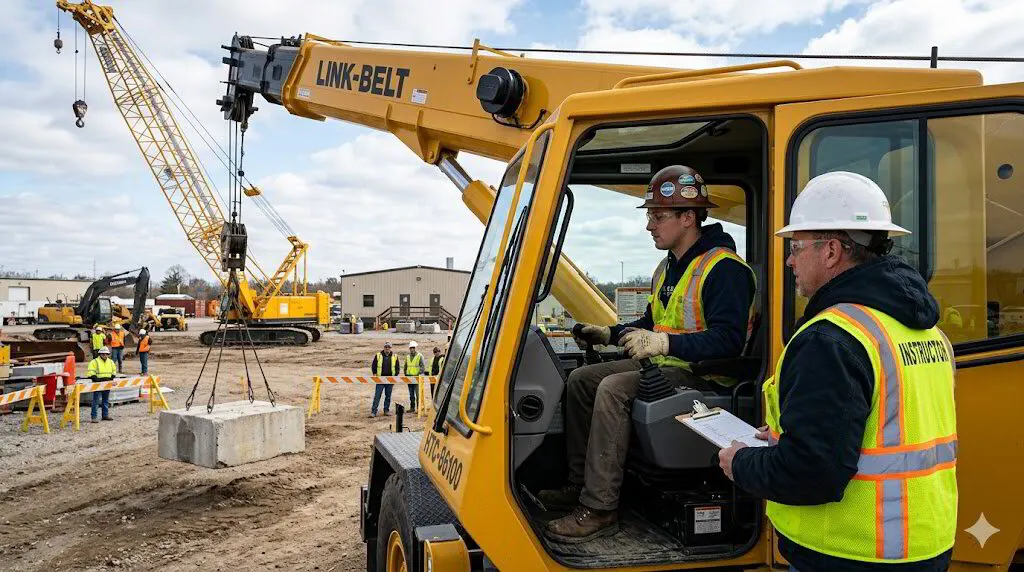 The Ultimate Guide to Crane Operator Field Training Programs: Certification & Career SuccessIn the ever-evolving construction industry, the need for certified crane operators is paramount, making effective…
-
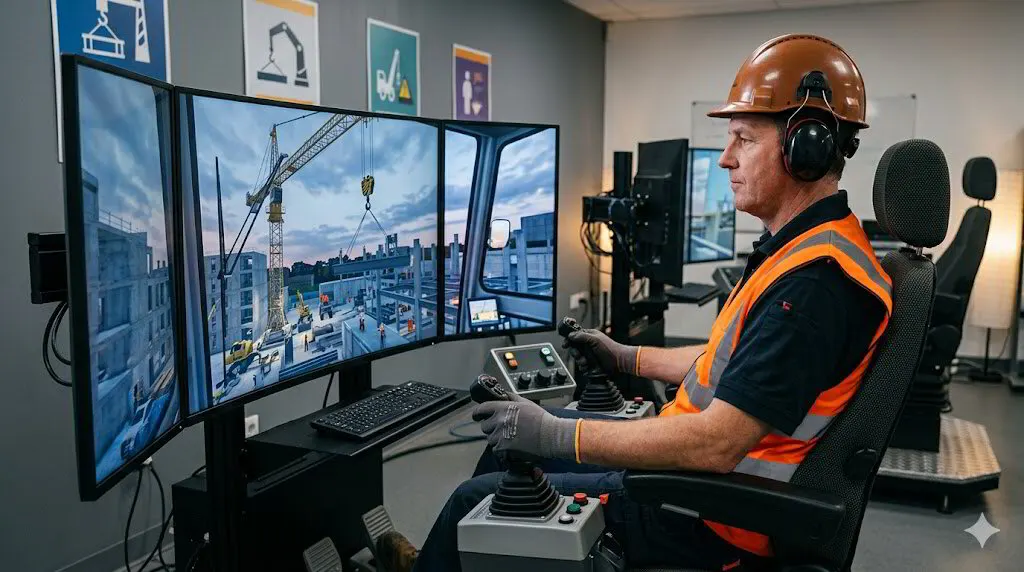 How Crane Simulators Enhance Operator Skills for Safer Construction PracticesAs the construction industry increasingly embraces technology, crane operator training has evolved significantly,…
-
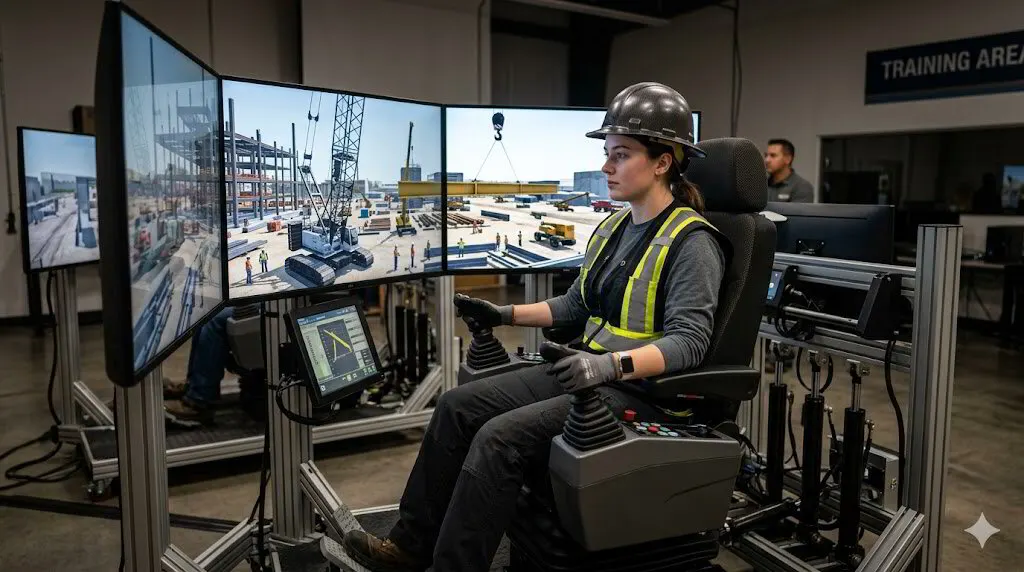 Unlocking Efficiency: The Benefits of Crane Simulator Training for Aspiring OperatorsCrane simulator training is revolutionizing the skill development of aspiring crane operators, offering a safe and…