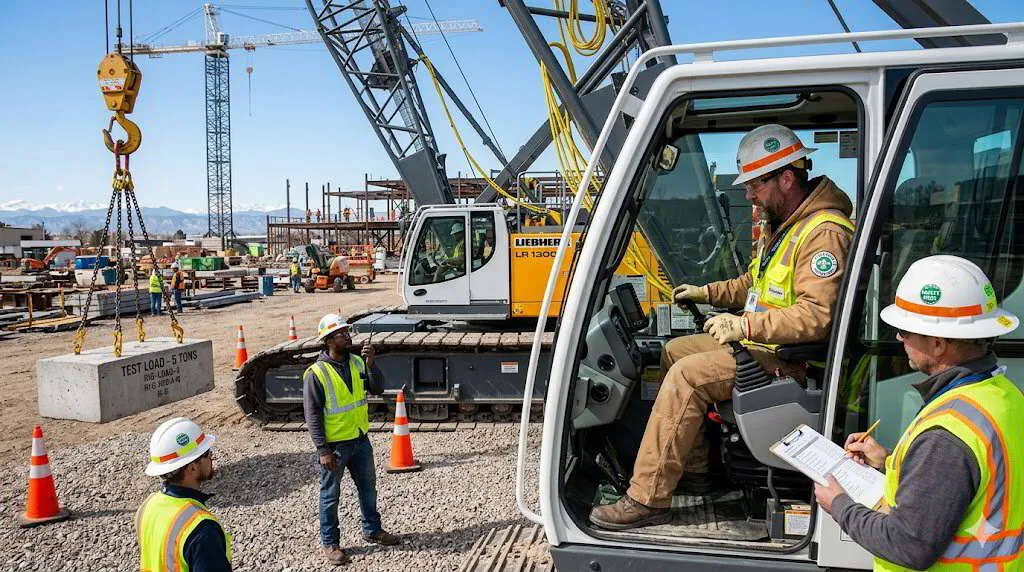
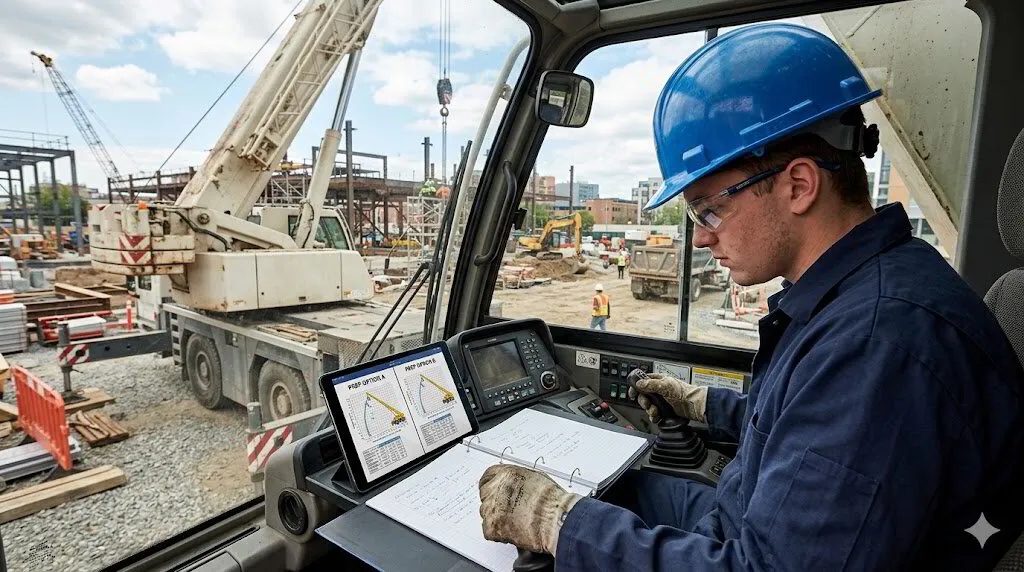
Become a Certified Crane Operator in Texas (2)

Becoming a certified crane operator in Texas is the start of a career in one of
the main sectors of the economy: construction. With towering skyscrapers and extensive
infrastructure projects rising across the Lone Star State, the demand for skilled operators who
can safely and efficiently handle cranes is at an all-time high. Are you considering this
profession but unsure where to start? This guide walks you through the
important steps required, from training and certification to career opportunities, ensuring you
have all the information you need to launch a successful career as a certified crane operator
in Texas.
Understanding the Role of a Certified
Crane Operator in Texas
Importance of Certification
Becoming a certified crane operator in Texas is not just about operating heavy machinery; it’s
about ensuring safety, efficiency, and professionalism in the workplace. Certification is a
recognition of your skills and knowledge, providing a competitive advantage in the construction
and industrial sectors. These are the main reasons certification matters:
- Safety Compliance: Certified operators are trained to follow industry safety standards,
reducing the likelihood of accidents.
- Job Opportunities: Many employers prefer or require certification, opening doors to a
wider range of job prospects.
Job Responsibilities of Crane Operators
A crane operator has a range of duties that are key to effective site
operations. Primary duties include:
- Operating Crane Equipment: Understanding and controlling different types of cranes,
including tower cranes, boom trucks, and others.
- Site Safety Checks: Conducting pre-operation inspections to ensure equipment safety.
- Coordination with Crew: Working closely with site managers and other personnel to
ensure safe lifting practices.
- Load Management: Evaluating load weights and making sure proper rigging techniques
are applied.
Overview of NCCCO Certification
What is NCCCO?
The National Commission for the Certification of Crane Operators (NCCCO) is an
industry-recognized organization that sets standards for crane operator certification. In Texas,
obtaining NCCCO certification demonstrates competence and dedication to safety.
Benefits of Obtaining NCCCO Certification
Achieving NCCCO certification as a crane operator in Texas offers numerous advantages,
such as:
- Industry Recognition: Being certified reinforces your professional credibility.
- Legal Compliance: Many states, including Texas, require operators to be certified,
ensuring compliance with local laws.
- Core Knowledge: The certification process gives you essential
knowledge about crane operations, safety protocols, and regulations.
For more detailed information about NCCCO, visit their official website: NCCCO.
Requirements for Becoming a Certified
Crane Operator in Texas
Age and Experience Requirements
To become a certified crane operator in Texas, certain age and experience criteria must be
met. Typically, you need to:
- Be at least 18 years old.
- Possess a minimum level of experience operating cranes, often recommended as 1-2
years in construction or a related field.
Medical and Physical Requirements
Crane operation takes skill, and operators must also meet specific medical and physical
conditions to ensure safety. Operators must:
- Pass a physical examination to prove they are fit for duty.
- Have good vision, often requiring at least 20/30 vision in one eye, with or without
correction.
- Be able to perform physical tasks associated with crane operation, including lifting heavy
objects and standing for long periods.
Importance of Background Checks
Background checks play an essential role in verifying the credibility of potential certified crane
operators in Texas. Key aspects:
- Safety Assurance: Employers want to ensure that all operators have clear safety
records.
- Insurance Compliance: Many insurance policies require background checks for liability
reasons.
- Employment Eligibility: Background checks can determine eligibility for certain job
positions requiring high levels of responsibility.
The Training Process
Types of Training Available
Becoming a certified crane operator in Texas involves undergoing structured training
programs. These typically include:
- Classroom Instruction: Covers essential topics such as crane operation principles,
safety regulations, and load management.
- Hands-On Training: Provides practical experience with actual equipment, allowing
trainees to operate cranes under supervision.
Duration of Training Courses
Training courses can vary in length but generally span several weeks. This is a typical
breakdown:
- Classroom Sessions: 40-80 hours, depending on the program.
- Hands-On Practice: 20-40 hours, depending on the type of crane being operated.
Taking the time to meet these requirements and complete the necessary training is necessary for
anyone wishing to become a certified crane operator in Texas and ensure safe, effective
operations in their professional careers.
Specialty Crane Courses in Texas
Overview of Tower Crane Course
One of the unique offerings for aspiring certified crane operators in Texas is the tower crane
course. This specialized training is essential for those who want to operate tower cranes,
which are commonly used in high-rise construction projects. The course typically covers:
- Tower Crane Operation: Understanding the mechanics and controls specific to tower
cranes.
- Setup and Dismantling: Learning safe methodologies for erecting and taking down
tower cranes.
- Load Chart Interpretation: Gaining skills to read and apply load charts effectively.
- Safety Protocols: Emphasizing the importance of safety in high-rise environments.
Other Specialized Crane Certifications
In addition to the tower crane course, there are various other specialized certification programs
available for certified crane operators in Texas. These may include:
- Mobile Crane Operator Certification: Focused on operating truck-mounted and crawler
cranes.
- Rigger and Signalperson Certifications: Training on safely rigging loads and signaling
crane operators during lifts.
- Load Capacity Assessments: Specialized training on assessing the load capacities for
different equipment and scenarios.
Benefits of Specialty Training
Pursuing specialty courses can lead to numerous benefits for certified crane operators:
- Specific Skills: Learning the skills used in the construction industry.
- Job Flexibility: Being certified in multiple crane types increases employment
opportunities.
For those looking to expand their career prospects as a certified crane operator in Texas,
investing in specialty crane courses can be a valuable decision. These programs equip
operators with the knowledge and skills necessary to excel in an increasingly competitive field.
Preparing for the NCCCO Exam
Study Resources and Materials
Preparing for the NCCCO exam is a key step in becoming a certified crane operator in
Texas. Using the right study materials improves your chances of passing
the certification. Recommended materials:
- NCCCO Official Study Guides: Available for each crane type, these guides outline
essential topics covered in the exam.
- Practice Exams: Taking practice tests can help familiarize you with the exam format and
types of questions.
- Online Courses: Many providers offer online training courses designed for
NCCCO certification.
Tips for Test Day Success
On the day of the exam, being well-prepared and knowing what to expect can alleviate stress
and improve performance. Consider these tips:
- Arrive Early: Give yourself ample time to settle in and reduce any pre-test anxiety.
- Review Key Concepts: Spend a short time reviewing key topics just before the exam.
- Stay Calm: Practice relaxation techniques such as deep breathing to maintain focus.
Understanding the Testing Format
Familiarizing yourself with the testing format can also aid in your preparation. The NCCCO
certification exam typically consists of:
- Multiple-Choice Questions: Assessing your knowledge across various topics.
- Hands-On Practical Exam: Testing your ability to operate a crane safely and effectively
in real-life scenarios.
By thoroughly preparing for the NCCCO exam, you will increase your confidence and capability
to successfully achieve certification as a crane operator in Texas. This improves your
professional credentials and contributes to better safety standards in the industry.
Maintaining Your Certification
Recertification Process
Once you become a certified crane operator in Texas, it's essential to understand the
recertification process to maintain your credentials. NCCCO certifications generally need to
be renewed every five years. This process ensures that operators stay up-to-date with safety
standards and operational best practices. Key steps in the recertification process include:
- Participating in Continuing Education: Operators must complete a certain number of
hours (usually around 16 hours) of relevant training or education.
- Passing a Written Exam: A written exam may be required to assess ongoing knowledge
and understanding of crane operations and safety standards.
- Submitting Documentation: Proof of continuing education and other necessary
documentation must be submitted to the NCCCO.
Continuing Education Opportunities
Continuing education builds the skills and knowledge of certified crane
operators in Texas. Options to consider:
- Workshops and Seminars: Periodic workshops can provide valuable updates on the
latest industry practices and technologies.
- Online Courses: Many schools offer online courses designed for the specific
needs of crane operators.
- Conferences: Attending industry conferences can help operators network and learn from
experts in the field.
Through continuing education and the recertification process,
certified crane operators can maintain their credentials and improve their skills and
career prospects. This commitment to professional development is key to safety
and efficiency on the job site.
Career Opportunities for Certified
Crane Operators in Texas
Industries Hiring Certified Crane Operators
The demand for certified crane operators in Texas extends across various industries, providing
a multitude of job opportunities. Sectors that hire certified
personnel include:
- Construction: Residential and commercial construction companies require certified
crane operators for lifting and placing heavy materials.
- Oil and Gas: The energy sector often demands crane operators for fieldwork, including
drilling and rig operations.
- Manufacturing: Many manufacturing plants use cranes for transporting heavy materials
and equipment within facilities.
- Shipping and Logistics: Ports and freight companies need crane operators to load and
unload containers efficiently.
- Career Advancement: Gaining additional certifications or specialized training in different
types of cranes can lead to supervisory positions or management roles.
With the proper training and certification, a certified crane operator in Texas can
work on a range of job sites.
Qualified operators with the right skills are in
high demand across these key industries.
Conclusion
Pursue Certification
Becoming a certified crane operator in Texas is a solid career choice and a
commitment to safety and professionalism within the construction industry. The rigorous
training and certification process ensures that operators are equipped with the knowledge
and skills necessary for success. By pursuing certification, you are investing in your future
and adding to your qualifications.
Resources for Getting Started in Crane Operator Training
To start on this career path, look at the following resources:
- Local Training Facilities: Seek out accredited training programs that offer NCCCO
certification courses. Facilities like Miller Crane Works provide onsite and in-person
training built around your needs.
- Online Platforms: Use online courses to start learning, especially if you
have time constraints.
- Industry Associations: Engage with organizations focused on crane operation and
safety to stay updated on best practices and industry trends.
Getting certified is the first step toward working as
a certified crane operator in Texas. With the right training, preparation, and dedication, you can
excel in this field and contribute to many industries.
FAQs About Certified Crane Operator Certification in Texas
What is the process to become a certified crane operator in Texas?
To become a certified crane operator in Texas, individuals need to complete a training program,
gain necessary experience, and pass the NCCCO certification exams. The steps generally
include:
- Enrolling in a recognized training program.
- Completing the required classroom and hands-on training.
- Passing the written and practical NCCCO certification exams.
What types of cranes can certified operators operate?
Certified crane operators in Texas can operate various types of cranes, depending on their
certification. Common crane types include:
- Mobile Cranes
- Tower Cranes
- Crawler Cranes
- Overhead Cranes
How long does it take to become a certified crane operator?
The timeframe to become a certified crane operator can vary, but typically it takes 4 to 8
weeks to complete the necessary training and gain practical experience. This can vary based
on the specific program and individual progress.
Where can I find training programs for certified crane operators in
Texas?
Training programs for certified crane operators are available at several facilities across Texas.
It’s essential to choose a program that is CCO EDU accredited. Miller Crane Works is one of the
facilities that offer full training for new operators.
For more information about crane operator training and to explore accredited programs, visit
reputable sites like NCCCO.
Resources for Getting Started in Crane Operator Training
Finding the right resources to start your path as a certified crane operator in Texas is
essential for successful certification and career development. Useful
resources:
Local Training Facilities
Seek out training programs offered by accredited institutions. Local facilities often provide
practical training, which is key to understanding crane operation. Some
recommendations include:
- Miller Crane Works: Known for NCCCO training programs in Texas,
offering both classroom and hands-on training.
- Technical Colleges: Many community colleges in Texas offer crane operator training
programs, complete with the necessary certifications.
Online Learning Platforms
If you have a busy schedule, consider online courses that allow flexible learning. Key
platforms include:
- Coursera: Offers various courses related to heavy equipment operation and safety.
- Udemy: Provides affordable courses that cover the basics of crane operation and
NCCCO exam preparation.
Industry Associations
Joining professional organizations can provide you access to additional resources, networking
opportunities, and continued education. Organizations to consider include:
- Associated General Contractors (AGC): Offers resources and networking opportunities
for construction professionals.
- National Commission for the Certification of Crane Operators (NCCCO): Essential
for staying updated on industry standards and guidelines.
By utilizing these resources, aspiring certified crane operators in Texas can effectively prepare
for certification and a career in this field.
What qualifications do I need to become a certified crane operator
in Texas?
To become a certified crane operator in Texas, you typically need to be at least 18 years old
and possess some prior experience in heavy equipment operation. You must also
complete an accredited training program that prepares you for the NCCCO certification exams.
How long does the certification process take?
The certification process to become a crane operator in Texas can vary, but it generally takes
between four to eight weeks, depending on the training program and the individual’s prior
experience. This timeframe includes both classroom instruction and hands-on training, as well
as preparation for the exams.
What types of cranes can I operate with NCCCO certification?
With NCCCO certification, you can operate various types of cranes, including mobile cranes,
tower cranes, crawler cranes, and overhead cranes. The specific types of cranes you are
certified to operate will depend on the training and exams you complete.
Is there a demand for certified crane operators in Texas?
Yes, there is a significant demand for certified crane operators in Texas. As construction projects
continue to grow in both residential and commercial sectors, employers are actively seeking
skilled operators who can adhere to safety standards and efficiently manage crane operations.
How can I maintain my certification once I have it?
To maintain your NCCCO certification as a crane operator in Texas, you will need to renew it
every five years. This involves completing a specific number of continuing education hours and
passing a recertification exam to ensure you remain knowledgeable about current safety
practices and operational guidelines.
Become a Certified Crane Operator in
Texas with Miller Crane Works
Miller Crane Works is your trusted partner for becoming a certified crane operator in Texas. Our industry-recognized training programs are designed to provide you with the skills, knowledge, and confidence required to pass certification exams and excel in the field. We offer hands-on instruction with modern crane equipment, focusing on safety, efficiency, and precision in every lift. If you are new to the industry or already working in it, Miller Crane Works offers training that meets all NCCCO standards. Build your skills for work in construction, manufacturing and more. Start your certification training with us today.
 Crane Operator License Texas Crane Certification Operator Training