Few crane incidents come from exotic situations. Most grow out of ordinary problems that show up on every kind of job. Here are seven of them, with what experienced operators do about each.
1. Ground that won't hold
Outrigger pads concentrate a lot of force on a small area. Fill dirt, recently backfilled trenches, buried utilities and rain-soaked soil can all give way. Under 29 CFR 1926.1402, the controlling entity must make sure ground conditions are firm, drained and graded enough to support the crane, and must tell the operator about known hazards such as voids and underground tanks.
Habit: Ask what's under the setup area before you set up. Use properly sized cribbing or mats under the pads, and keep checking level during the day. A crane that slowly goes out of level is telling you something.
2. Wind
Wind adds side force to the boom and the load, and large flat loads behave like sails. The manufacturer's manual sets the wind limits, and some charts reduce capacity as wind rises. Gusts at boom tip height are often stronger than what you feel on the ground.
Habit: Check the forecast before the shift, watch the crane's wind readout if it has one, and decide in advance at what speed you'll stop. Don't negotiate with gusts in the middle of a lift.
3. Blind picks and lost communication
When you can't see the load, everything depends on the signal person. Problems come from unclear signals, more than one person giving signals, radios on a shared channel, or a signal person who moves out of view.
Habit: Agree before the lift on who signals, which method (hand, voice or both) and what happens if contact drops. If a signal is unclear or the radio goes silent, stop. OSHA requires the operator to obey a stop or emergency stop signal from anyone.
4. Power lines
Contact with energized lines remains one of the deadliest crane hazards. OSHA's power line rules (1926.1407 to 1926.1411) require planning when any part of the crane, load line or load could get within 20 feet of a line rated up to 350 kV, with more distance for higher voltages, and set up measures such as a dedicated spotter, warning lines or range limiting devices.
Habit: Identify every line around the work zone before setup and treat all lines as energized until the utility confirms otherwise. Remember the load and tag lines swing wider than the boom.
5 to 7. Side loading, two-blocking and fatigue
Side loading and swinging loads
Booms are designed for vertical loading. Dragging a load sideways, swinging too fast, or picking a load that isn't directly under the boom tip puts side force on the boom that the chart doesn't account for.
Habit: Center the hook over the load's center of gravity before lifting, start and stop swings gently, and use tag lines to control rotation.
Two-blocking and fatigue
Two-blocking happens when the hook block contacts the boom tip, often while telescoping out or lowering the boom without paying out line. Anti-two-block devices help, but they're a backstop. Watch the block when you telescope.
Fatigue is quieter. Long days, heat and early starts dull reaction time. Hydrate, take breaks between demanding lifts and speak up if you're not fit to run.
Training for the problems you'll actually meet
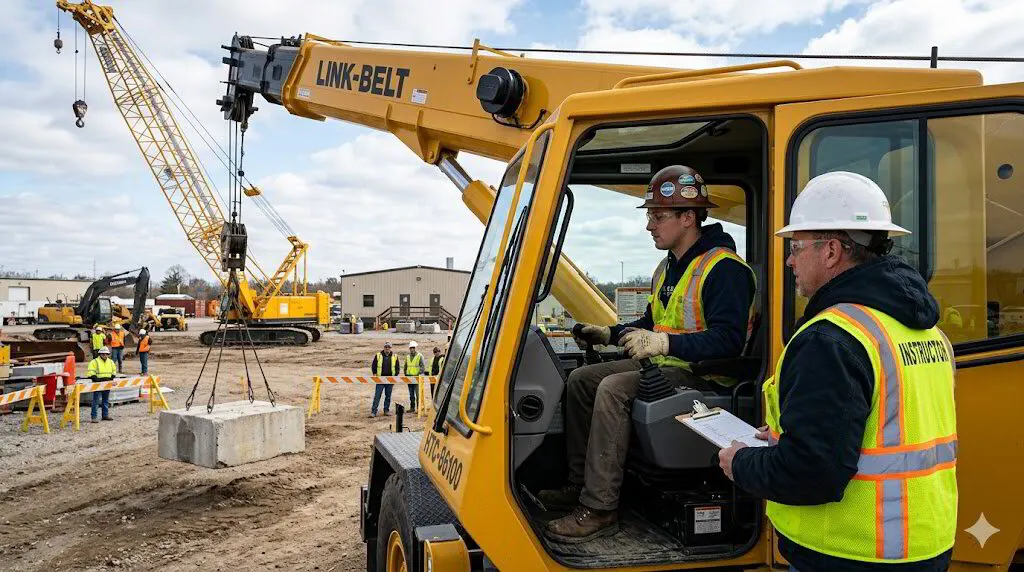
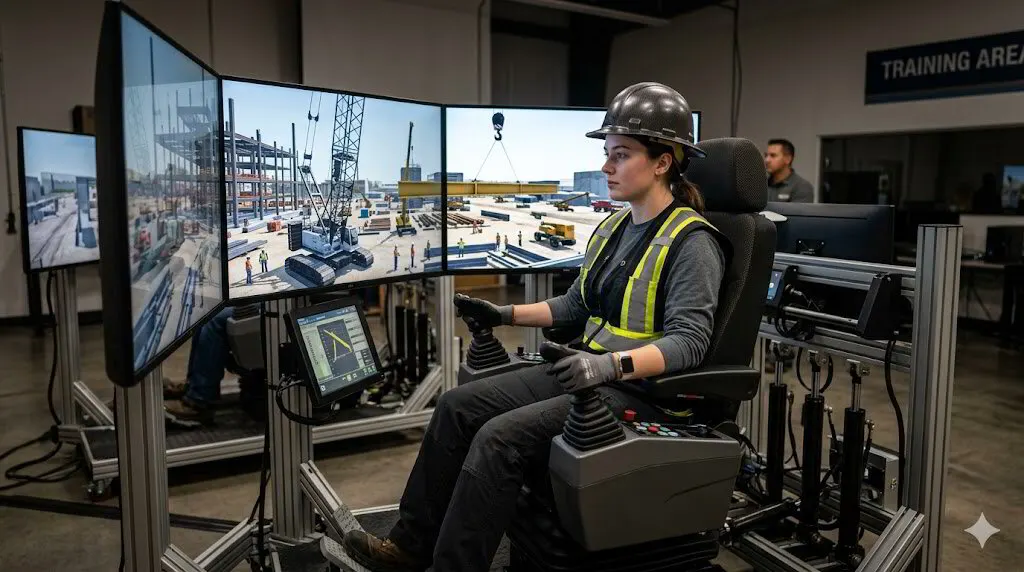
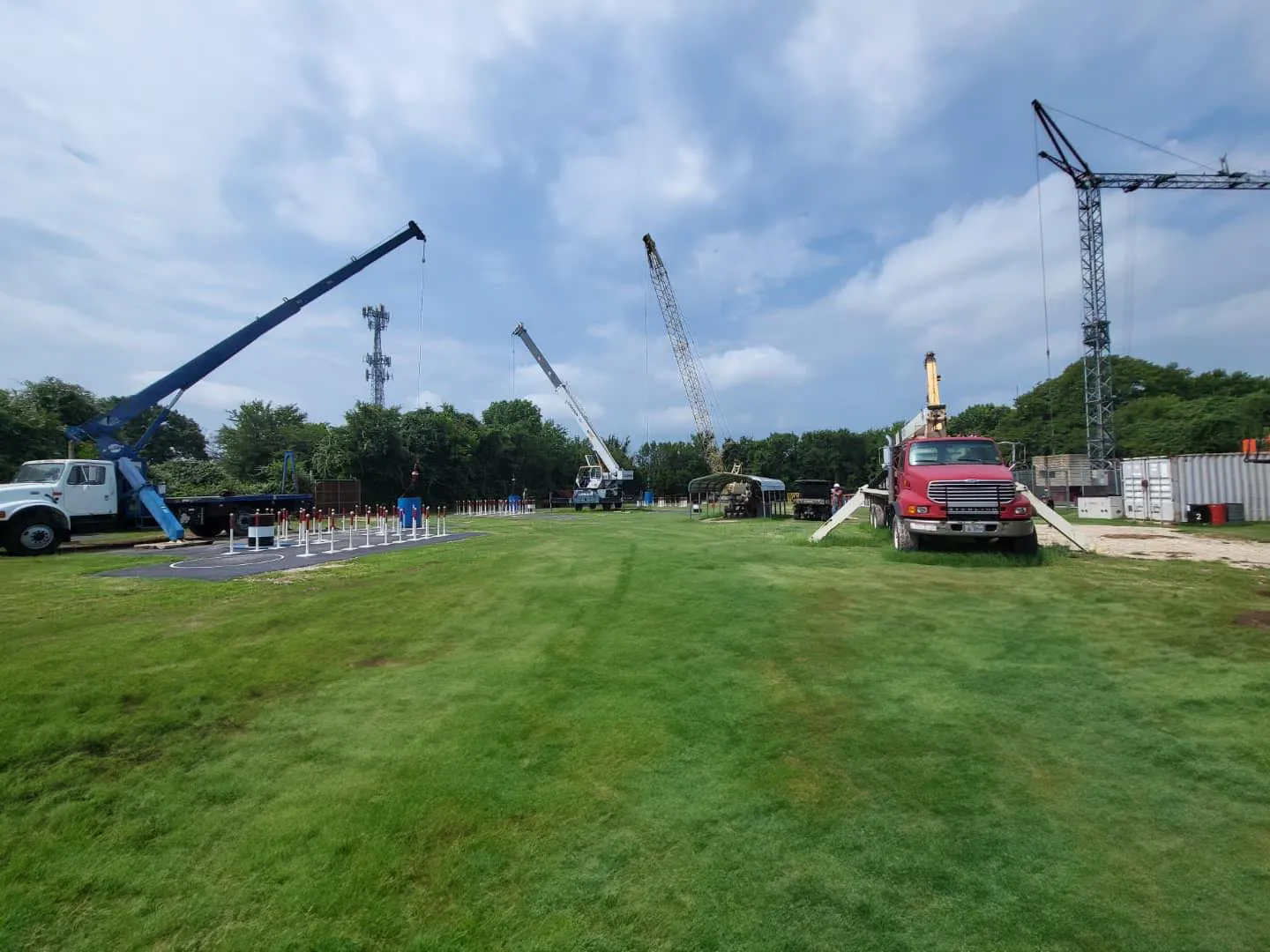
Every one of these challenges comes up in our classroom and yard in Seagoville, because they come up on real jobs. New operators get the most practice with set-up, charts and controlled swings in Mobile Crane Operations Fixed/Swing Cab 120 Hours. Ground crew members who handle signals and rigging can take Miller Crane Works Level I Rigger/Signal Person 4 Hours, a short Miller Crane Works qualification.
Questions about everyday crane hazards
Who is responsible for ground conditions under a crane?
Under OSHA 1926.1402, the controlling entity must ensure ground conditions are adequate and inform the operator of known hazards. The operator should still inspect the setup area.
How close can a crane get to a power line?
For lines up to 350 kV, OSHA requires planning and precautions whenever any part of the crane, load line or load could come within 20 feet. Higher voltages need more distance. See 29 CFR 1926.1408.
Is there one wind speed limit for all cranes?
No. Wind limits come from the crane manufacturer and vary by model and configuration. Large, flat loads may need to stop well below the published limit.