Passing your NCCCO exams proves you met the standard on the day you tested. The operators who stay safe for decades treat that card as the floor. Here's what ongoing learning looks like in practice once you're working.
Certification has an expiration date for a reason
NCCCO operator certifications are valid for five years. To recertify, you retake the written exams for your designations within the 12 months before your card expires. If you can document at least 1,000 hours of crane-related experience during the certification period, NCCCO does not require you to retake the practical exam; otherwise you test in the seat again.
That structure tells you something. The industry expects knowledge to fade and rules to change, and it checks. Operators who study a little every year walk into recertification without cramming.
Where the rules and standards keep moving
The documents behind crane work get revised. OSHA's construction crane rule, 29 CFR 1926 Subpart CC, was amended in 2018 to clarify operator certification and add the employer evaluation requirement in 1926.1427. ASME B30 volumes, including B30.5 for mobile cranes, are reissued on a regular cycle. Manufacturers issue service bulletins and updated charts.
You don't need to read every revision. You do need a habit of asking, once or twice a year, whether anything changed for the cranes you run. Toolbox talks, your company's safety staff and recertification study are all good moments to check.
Learning a new machine is learning, not paperwork
Moving from a small telescopic crane to a larger one, or from a fixed cab to a swing cab, means new charts, new counterweight setups and different behavior at long radius. Moving from hydraulic to lattice boom is a bigger jump: assembly, boom inserts, and charts that depend on the exact configuration. Tower cranes add trolley control and blind lifts on a radio.
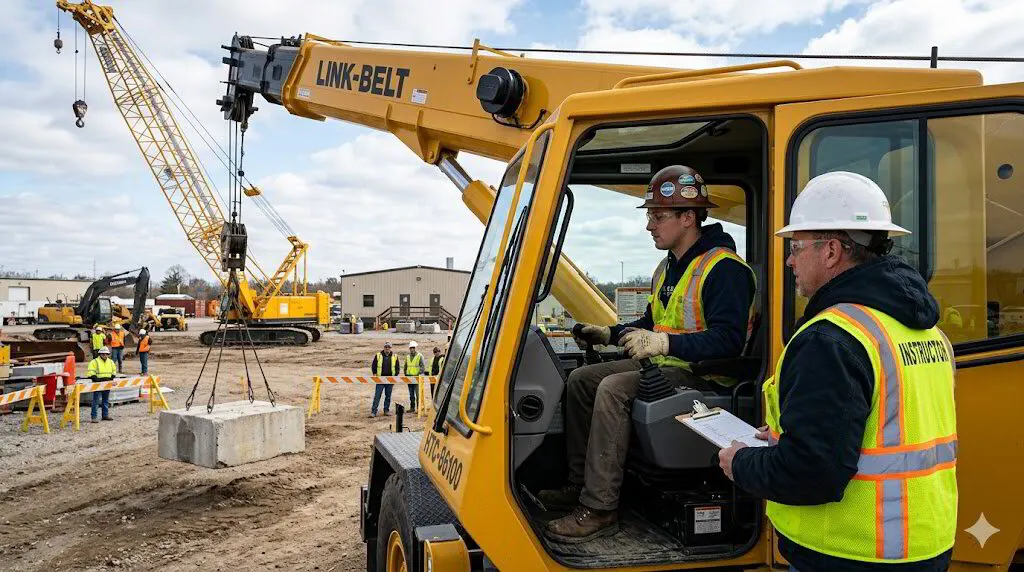
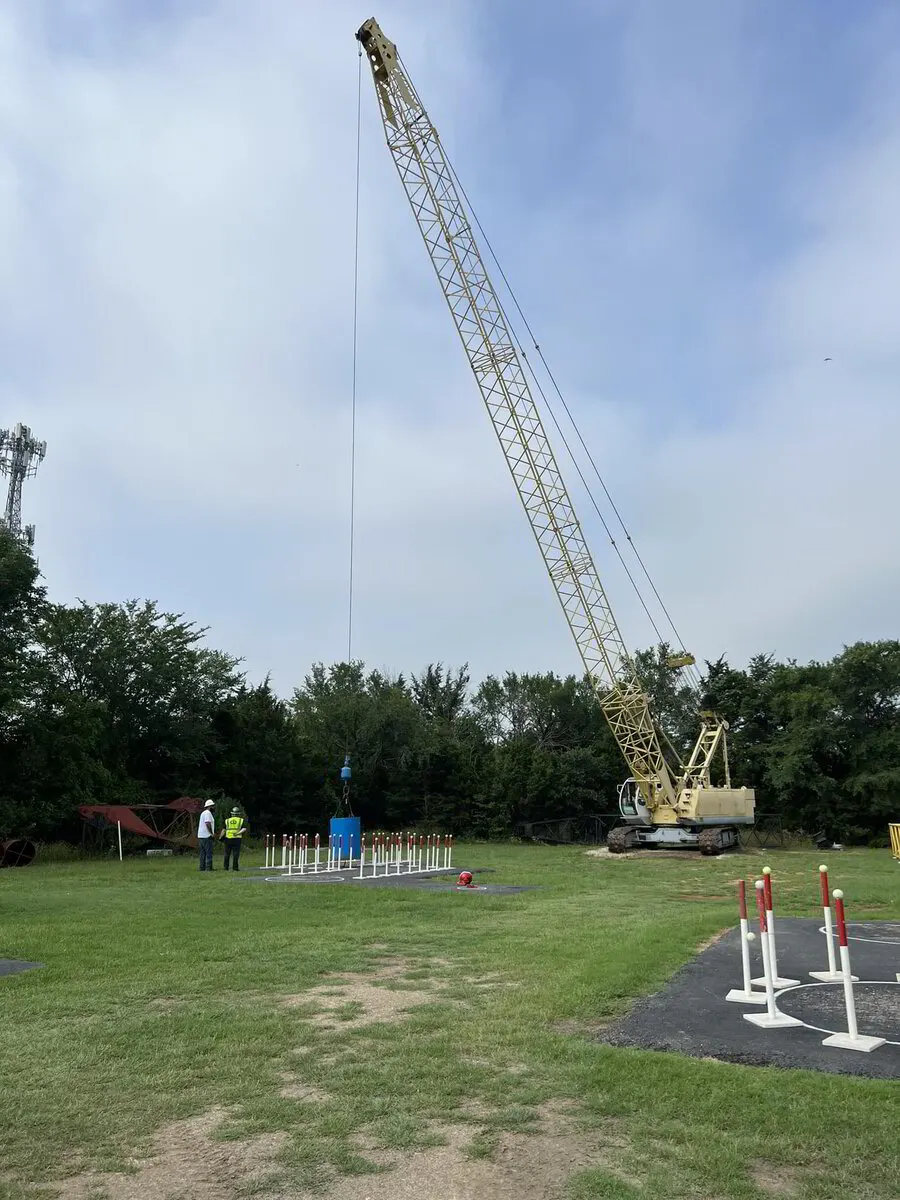
Each new type needs familiarization on that specific crane, and adding a crane type to your NCCCO certification requires passing the matching specialty written exam and practical exam. Treat each step up as a short course, not a weekend favor from a coworker.
Habits that keep skills sharp between courses
- Work the chart every lift. Even routine picks. The day you skip the math is the day the configuration changed.
- Debrief after hard lifts. Five minutes with the signal person and rigger: what was tight, what would you change.
- Keep a log. Hours by crane type help with recertification and show you where your experience is thin.
- Learn the ground crew's job. Rigging and signaling knowledge makes you better at spotting a bad hitch or an unclear signal before the load leaves the ground.
- Ask about incidents. When a near miss happens on your site, find out what actually caused it.
None of this takes much time. A few minutes a week spent on a chart you rarely use, or on the signal chart in the Subpart CC appendix, adds up over a five-year certification period. It also makes you the operator a crew lead trusts with the awkward pick, because you have already thought it through.
Going back to school for a new credential
Working operators come back to our Seagoville facility for a few reasons: adding a crane type, preparing for recertification, or getting rigging and signal person credentials. Shorter courses suit people with experience. Mobile Crane Operations Lattice 20 Hours and Tower Crane Operations 20 Hours focus on exam preparation for experienced hands, and Rigger/Signal Person Certification Level I 28 Hours prepares you for NCCCO Rigger Level I and Signalperson. Check the training schedule for start dates.
Questions about staying certified
How long is NCCCO crane operator certification valid?
Five years. Recertification requirements must be completed within the 12 months before your certification expires.
Do I have to retake the practical exam to recertify?
Not if you can document at least 1,000 hours of crane-related experience during your certification period. Without that, NCCCO requires the practical exam again. Check NCCCO's current recertification requirements for your designation.
Can I add a crane type to my existing certification?
Yes. You pass the specialty written exam and the practical exam for the new crane type. Your recertification date is set by NCCCO, so check how the new designation lines up with it.