People use "trained," "certified" and "qualified" as if they meant the same thing. Under OSHA's crane rule they don't. Knowing the difference explains why training is the piece that holds the other two together.
Three separate requirements
OSHA's construction crane standard, 29 CFR 1926 Subpart CC, sets out three things for anyone who operates a crane covered by the rule:
| Requirement | What it means | Who provides it |
|---|---|---|
| Training (1926.1430) | Instruction in the topics needed to operate the equipment safely | The employer, often through a training provider |
| Certification (1926.1427) | Passing written and practical tests for the crane type and capacity | An accredited testing organization such as NCCCO |
| Evaluation (1926.1427(f)) | A documented check that the operator can run the specific equipment and tasks | The employer |
Certification sits in the middle. It is the portable credential that follows you from job to job. Training builds the knowledge that certification tests, and evaluation confirms you can apply it on a particular machine.
What training gives you that a test can't
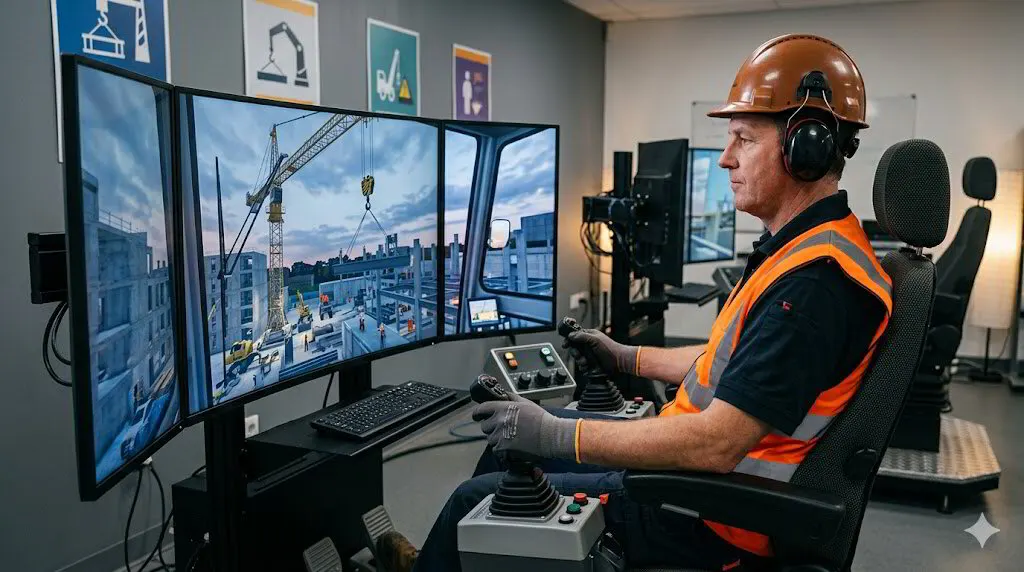
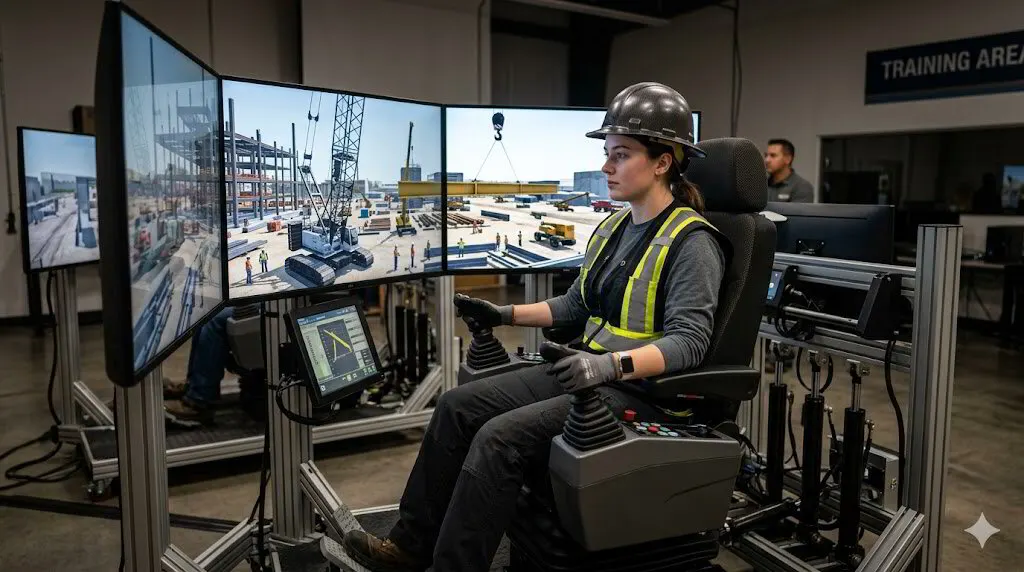
An exam samples what you know. It asks a set of questions and watches you complete a set course. A job asks everything else. Good training covers the situations that rarely show up on a test but show up on sites:
- A load that weighs more than the paperwork says.
- Soft ground under one outrigger after a rain.
- A signal person you can't hear over the noise.
- Wind picking up in the middle of a long, slow lift.
- A power line closer than it looked from the cab.
Training is where you think those through with an instructor before they happen with a crew watching.
Operators in training are allowed, with rules
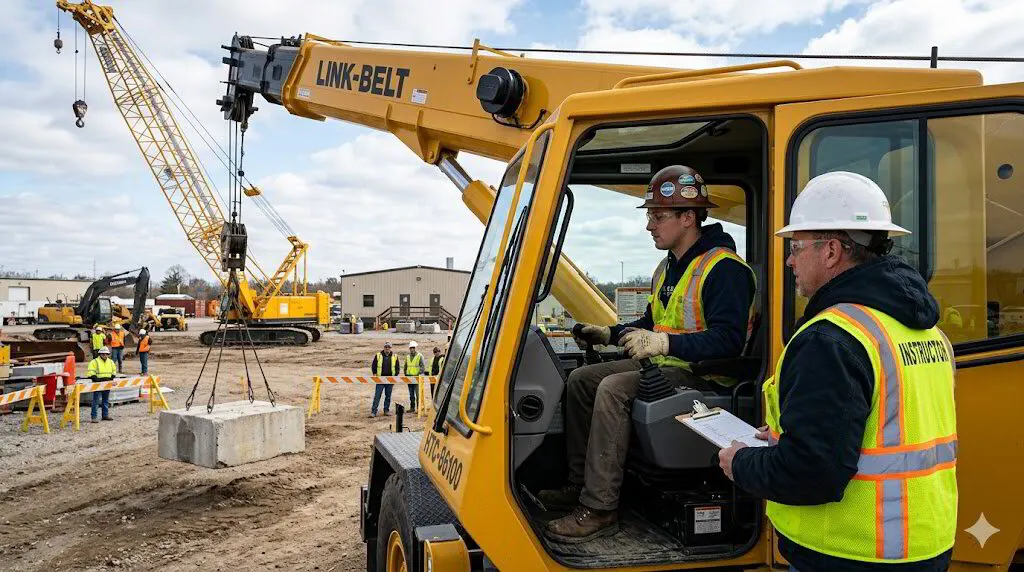
OSHA lets someone who is not yet certified operate a crane as an operator in training, but only under the operator-in-training conditions in the training section of the rule (1926.1430). The student must be supervised by a trainer who stays in direct line of sight and in communication, the tasks must be within the student's ability, and some operations are off limits, such as hoisting personnel and multiple-crane lifts. That provision exists because people have to learn somewhere. It also shows how seriously the rule treats the gap between learning and operating alone.
For someone who hasn't passed the certification exams yet, any seat time on a real job falls under those limits. Employers who hire uncertified students need a trainer available and a plan for which tasks the student may do.
The rest of the lift team needs training too
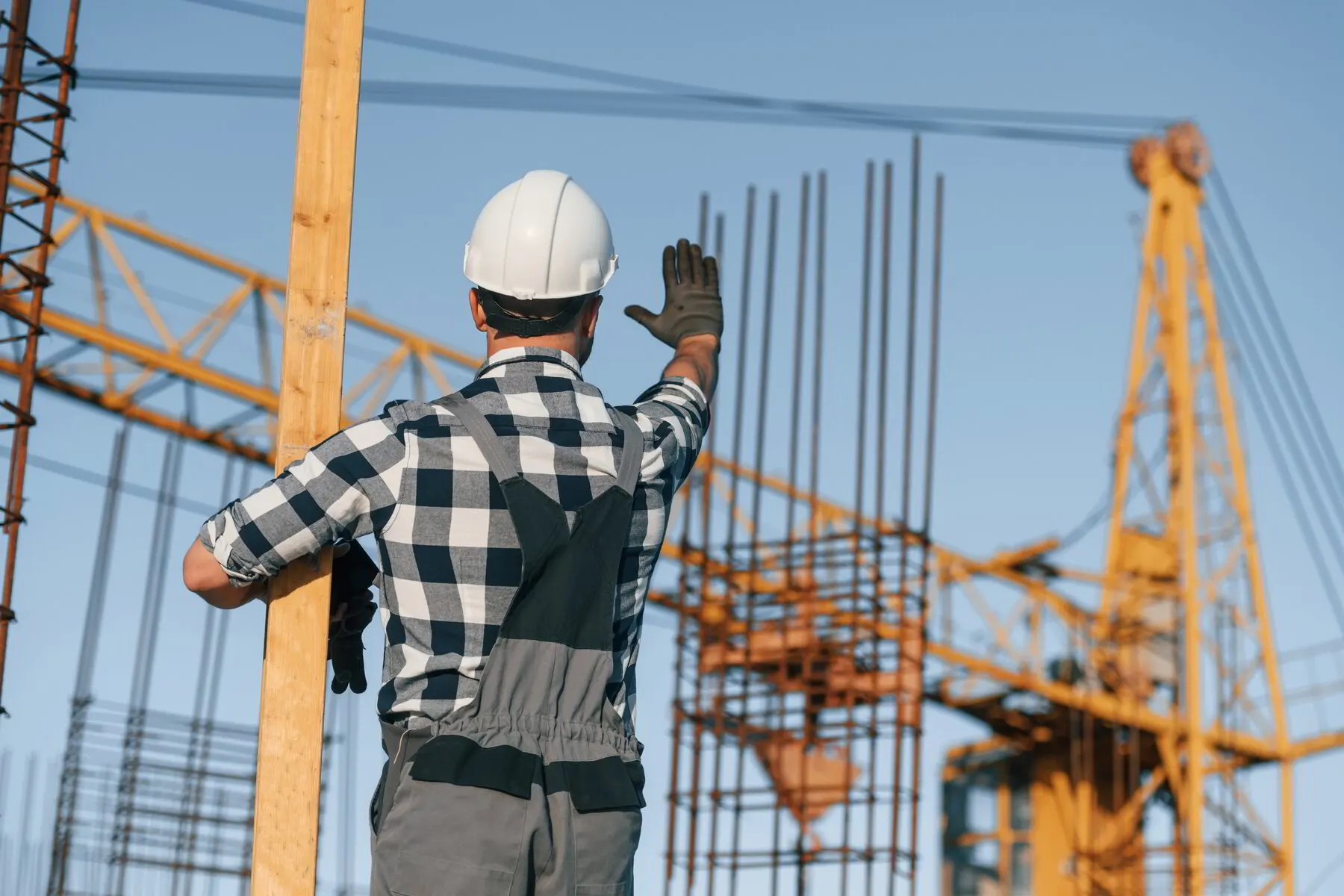
An operator is one person on a team. Riggers decide how the load is attached. Signal persons tell the operator where it goes. Under Subpart CC, signal persons must be qualified (1926.1428) and certain rigging must be done by qualified riggers. When every role is trained, the operator gets accurate weights, sound hitches and clear signals. When one role isn't, the operator inherits the mistake.
Where our courses fit
Our courses provide the training piece and prepare students for NCCCO certification. As a CCO EDU Accredited Training Provider with an NCCCO practical exam site in our Seagoville yard, we can put both under one roof. NCCCO administers and scores the exams; your employer handles the evaluation on its equipment.
New operators usually start with Mobile Crane Operations Fixed/Swing Cab 120 Hours. For a ground crew, Miller Crane Works Level I Rigger/Signal Person 4 Hours covers basic rigging and signals, and is a Miller Crane Works qualification rather than an NCCCO certification. Those who want the NCCCO credentials can take Rigger/Signal Person Certification Level I 28 Hours.
Training and certification questions
If I'm NCCCO certified, does my employer still have to evaluate me?
Yes. Under 29 CFR 1926.1427(f), the employer must evaluate and document that you can safely operate the equipment you'll be assigned. Certification alone doesn't satisfy that requirement.
Does Miller Crane Works issue the NCCCO certification?
No. NCCCO awards certification after you pass its written and practical exams. We prepare you for those exams and host the practical exam site in our yard.
Is the 4-hour rigger/signal person course an NCCCO certification?
No. It's a Miller Crane Works Level I qualification. The 28-hour course prepares you for the NCCCO Rigger Level I and Signalperson exams.