The career growth prospects for certified crane operators are brighter than ever, fueled by a booming construction industry and an increasing demand for skilled professionals. Did you know that the construction sector alone is expected to add nearly 300,000 jobs by the end of the decade? As infrastructure projects expand and the need for specialized lifting equipment rises, certified crane operators play a pivotal role in ensuring these projects are completed safely and efficiently. This blog post will explore the various avenues for career advancement in crane operation, the importance of continued education, and how embracing technology can set you apart in this rewarding field. Whether you're just starting or looking to elevate your career, understanding the landscape of crane operations will equip you with the knowledge to thrive.
Understanding the Role of a Certified Crane Operator
Certified crane operators play a crucial role in the construction and industrial sectors, ensuring the safe and efficient operation of heavy machinery. Their responsibilities extend beyond merely operating cranes; they are integral to maintaining safety standards and optimizing workflow on job sites.
Key Responsibilities and Skills To be effective, crane operators must possess a blend of technical skills and industry knowledge. Here are some key responsibilities and skills associated with this role:
- Operation of Heavy Machinery: Understanding how to operate various types of cranes safely and efficiently.
- Safety Compliance: Adhering to local safety regulations and ensuring all safety protocols are followed.
- Load Handling: Assessing loads to determine placement and ensuring proper rigging is utilized.
- Problem-Solving: Addressing issues such as equipment failure or site-specific challenges that arise during operation.
- Communication: Coordinating with ground personnel and other operators to ensure seamless operations.
Importance of Crane Operators in Various Industries The demand for certified crane operators spans multiple sectors, including:
- Construction: Leading the way in new building projects and renovations.
- Shipping and Logistics: Facilitating the safe loading and unloading of goods.
- Energy: Supporting infrastructure in sectors like wind and solar by lifting heavy components.
With the increasing complexity of construction projects and a looming skilled labor shortage, the career growth prospects for certified crane operators are on the rise.
Overview of NCCCO Certification
The National Commission for the Certification of Crane Operators (NCCCO) plays an essential role in establishing and maintaining industry standards for crane operation.
What is NCCCO?
NCCCO certifies crane operators, ensuring they meet rigorous standards of safety and skill.
This certification is recognized across the United States and is often a requirement for employment in many states, including Texas.
Benefits of Obtaining NCCCO Certification Earning an NCCCO certification offers several advantages:
- Improved Job Prospects: Many employers prioritize hiring certified operators, making certification a valuable asset.
- Enhanced Safety Knowledge: The training provided equips operators with crucial safety procedures, reducing accident risks.
- Career Advancement Opportunities: Certified operators are often considered for higher-level positions and management roles.
For more information on certification and training, check out the NCCCO official website NCCCO.
Current Job Market for Crane Operators
Demand for Certified Crane Operators in Texas The construction industry in Texas is booming, which translates into a strong demand for certified crane operators. According to industry reports, there is a significant push for skilled labor in this field, making it a lucrative career choice.
Industries Hiring Certified Operators Beyond construction, various sectors are actively seeking certified crane operators. These include:
- Heavy Civil Construction
- Renewable Energy Projects
- Manufacturing and Warehousing
- Public Infrastructure Development
The expanding job market underscores the promising career growth prospects for certified crane operators, paving the way for long-term employment opportunities.
Career Growth Prospects for Certified Crane Operators The career growth prospects for certified crane operators are increasingly promising as industries evolve and demand for skilled professionals rises. Those looking to advance their careers can explore various pathways that leverage their training and experience.
Entry-Level Positions vs. Advanced Opportunities Starting as a certified crane operator often means beginning in entry-level positions, but this role can quickly evolve. Here’s a breakdown of potential career stages:
- Entry-Level Operator: Typically involves operating cranes under supervision and following established safety guidelines.
- Mid-Level Operator: As experience builds, operators may take on greater responsibilities, including leading teams and training new employees.
- Specialized Roles: Many operators choose to specialize in areas such as tower cranes, mobile cranes, or heavy lifting, which can lead to increased pay and job security.
Potential Career Paths Within the Industry Certified crane operators can pursue a variety of career paths, including:
- Superintendent: Overseeing construction projects and managing crane operations.
- Safety Officer: Implementing safety protocols and conducting training sessions for operators and crew members.
- Heavy Equipment Manager: Managing a fleet of machinery and ensuring operational efficiency.
These paths not only offer personal and professional growth but also significantly enhance the career growth prospects for certified crane operators within the industry.
Factors Influencing Career Advancement
Several factors can significantly impact career progression for certified crane operators.
Understanding these can help individuals maximize their potential.
Additional Certifications and Specialized Training Continued education plays a vital role in enhancing career prospects. Some valuable certifications may include:
- Rigging and Signalperson Certification
- Advanced Crane Operator Certification
Pursuing additional credentials not only displays commitment to the profession but also opens doors to higher-paying and more specialized roles.
Networking and Professional Development Building a professional network can lead to new job opportunities and advancements. Operators can engage in:
- Industry Conferences: Attending events to connect with peers and industry leaders.
- Professional Organizations: Joining groups such as the Associated General
Contractors of America (AGC) or the Crane & Rigging Safety Conference.
Utilizing these resources can enhance career growth prospects for certified crane operators by providing access to valuable insights and job leads.
Salary Expectations for Certified Crane Operators
Average Salary Range The financial benefits of becoming a certified crane operator are substantial. According to the Bureau of Labor Statistics, the average salary for crane operators in the U.S. varies based on location, experience, and specialization.Pay is set by the employer. This school does not state or promise wages.
Salary Growth with Experience and Certifications As with many professions, experience and certifications can lead to salary increases. Operators who pursue advanced training and take on leadership roles often see considerable financial advancement in their careers.
For more insights on salary and job outlooks, refer to the Bureau of Labor Statistics.
The Future of Crane Operation Careers
As technology advances and the construction industry evolves, the future for crane operators looks bright. The career growth prospects for certified crane operators hinge on several emerging trends and innovations that are reshaping the landscape.
Emerging Trends and Technologies Several key trends are influencing the future of crane operation, creating new opportunities in the field:
- Automation in Machinery: The integration of automated systems in cranes is becoming more common, which may change the skill sets required for operators.
- Drone Technology: Drones are being utilized for site surveys and load monitoring, offering crane operators new tools for efficiency and safety checks.
- Telematics: The use of telematics for real-time data tracking can help operators improve decision-making and maintenance scheduling.
These advancements are not only enhancing operational efficiency but also driving the need for skilled operators who can adapt to new technologies.
The Impact of Automation on Job Prospects While automation presents exciting opportunities, it also raises questions about job security.
However, the consensus is that skilled certified crane operators will remain in demand due to the complexities of operating heavy machinery that automation cannot fully replicate.
- Human Oversight: Operators will still be necessary to oversee automated systems, ensuring safe and efficient operation.
- Skill Development: Continuous learning will be essential as the industry adopts new technologies, further enhancing career growth prospects for certified crane operators.
By embracing these advancements, operators can position themselves for long-term success in their careers.
Conclusion: Making the Most of Certified Crane Operator Opportunities
To fully capitalize on the career growth prospects for certified crane operators, individuals should focus on continuous learning and professional development.
Continuous Learning and Professional Growth Engaging in ongoing education and training can lead to significant advantages:
- Stay Updated: Keep abreast of industry trends and technological advancements.
- Expand Your Network: Engage with fellow professionals to share insights and opportunities.
Operators should seize every chance to grow in their roles, whether through additional certifications or specialized training. Employers value adaptability, which is crucial in an ever-evolving industry.
Encouragement to Pursue NCCCO Certification Finally, obtaining NCCCO certification remains a valuable step for aspiring operators. This credential enhances job prospects and demonstrates commitment to safety and professionalism. By investing in their future, certified crane operators will be well-positioned to thrive in an industry poised for growth.
For more information on local training opportunities, visit Miller Crane Works.
Career Growth Prospects for Certified Crane Operators: A Summary
With the construction industry rapidly evolving, the career growth prospects for certified crane operators have become more enticing than ever. Understanding the dynamics of the field is crucial for those looking to make informed decisions about their careers.
Key Takeaways 1. High Demand for Skilled Personnel: The need for certified crane operators is expected to continue rising due to ongoing construction projects and infrastructure development across various sectors.
2. Diverse Career Pathways: Certified operators have numerous opportunities for advancement, from entry-level positions to specialized roles that command higher salaries.
3. Continual Skill Development: To remain competitive, operators must commit to lifelong learning, including keeping up with the latest industry standards, technologies, and safety practices.
Essential Factors for Success To ensure a successful career as a certified crane operator, consider the following factors:
- Networking: Building connections within the industry can lead to job opportunities and mentorship.
- Certification and Training: Pursuing additional qualifications can unlock new career possibilities and increase earning potential.
- Adaptability: Be prepared to embrace new technologies and processes that can streamline operations.
Resources for Aspiring Crane Operators For those seeking training and certification, consider reaching out to reputable organizations and training facilities, such as:
- National Commission for the Certification of Crane Operators (NCCCO): A key resource for obtaining certification and staying updated on industry standards. Visit their official page at NCCCO.
- Local Training Providers: Research training facilities, such as Miller Crane Works, which provide hands-on experience and specialized courses.
In conclusion, the career growth prospects for certified crane operators are robust, offering numerous pathways for advancement and professional development. By staying committed to continual learning and adapting to industry changes, operators can secure their place in a demanding and rewarding field.
Challenges and Opportunities in the Crane Operator Industry
As with any profession, the career growth prospects for certified crane operators come with both challenges and opportunities. Understanding these factors will help aspiring operators navigate their careers effectively.
Common Challenges Faced by Crane Operators Navigating the career of a crane operator can present several challenges, including:
- Physical Demands: The job requires physical strength and stamina, as operators may work long hours in various weather conditions.
- Safety Risks: Operating heavy machinery involves inherent risks, making thorough training and adherence to safety protocols crucial.
- Regulatory Compliance: Keeping up with changing regulations and certifications can be time-consuming and require ongoing education.
Opportunities for Advancement Despite these challenges, numerous opportunities exist that can enhance the career growth prospects for certified crane operators:
- Leadership Roles: With experience, operators may transition into supervisory positions, allowing them to lead teams and manage projects.
- Specialization: Operators can specialize in specific equipment or techniques, increasing their marketability and potential salary.
- Networking: Joining professional organizations and attending industry events can lead to new job opportunities and valuable connections.
Embracing Change and Innovation To thrive in the rapidly evolving landscape of crane operation, certified operators must embrace change. This includes:
- Adapting to Technological Advancements: Familiarizing oneself with new equipment and operational technologies can give operators a competitive edge.
- Pursuing Continuous Education: Engaging in ongoing training can enhance skills and prepare operators for emerging trends in the industry.
For additional insights on industry trends and professional resources, refer to reputable organizations such as the American Society of Mechanical Engineers (ASME).
By acknowledging the challenges while actively seeking opportunities, certified crane operators can significantly boost their career growth prospects and secure a rewarding future in this dynamic field.
The Importance of Safety and Compliance in Crane Operations
In the field of crane operation, safety and compliance are paramount. These elements not only protect workers on the site but also significantly influence the career growth prospects for certified crane operators. Understanding the regulatory environment and prioritizing safety can lead to better job opportunities and advancement.
Understanding Safety Protocols Certified crane operators must be well-versed in various safety protocols to minimize risks associated with operating heavy machinery. Key safety practices include:
- Regular Equipment Inspections: Conducting thorough checks before operating cranes to identify any potential malfunctions.
- Adhering to Safety Standards: Following guidelines set by organizations such as the
Occupational Safety and Health Administration (OSHA) to ensure safe work environments.
- Effective Communication: Maintaining clear communication with ground crew and site managers to coordinate lifting operations safely.
Compliance with Regulations Staying compliant with local and federal regulations is crucial for crane operators. This compliance includes:
- Keeping Certifications Up to Date: Regularly renewing NCCCO and other relevant certifications to meet industry standards.
- Understanding Local Laws: Being aware of state regulations that govern crane operations to ensure lawful practices at all times.
- Participating in Training Programs: Engaging in continuous training on changes in safety regulations and best practices.
Impact on Career Growth Prospects Prioritizing safety and compliance can lead to enhanced career growth prospects for certified crane operators:
- Increased Job Security: Employers favor operators who are knowledgeable about safety and compliance, leading to more employment opportunities.
- Promotion Opportunities: Operators demonstrating a strong commitment to safety may be considered for leadership roles, such as site supervisors or safety officers.
- Reputation in the Industry: A solid track record of safety compliance can enhance an operator's reputation among employers, opening doors to higher-paying positions.
For more information about safety standards and regulations, operators can refer to the OSHA official website.
By emphasizing safety and compliance, certified crane operators not only protect their own well-being but also position themselves for favorable career growth prospects in an ever-evolving industry.
Networking and Professional Development for Crane Operators
One of the most effective ways to enhance the career growth prospects for certified crane operators is through networking and professional development. Building relationships within the industry and committing to continuous learning can lead to valuable opportunities and career advancement.
The Importance of Networking Establishing a solid professional network can open doors and provide support systems in various ways:
- Job Opportunities: Networking can often lead to unadvertised job openings and referrals, giving operators an edge in their job searches.
- Mentorship: Connecting with seasoned professionals can provide invaluable guidance and insights, helping newer operators navigate their careers.
- Industry Insights: Engaging in discussions with peers can help operators stay updated on industry trends and best practices.
Strategies for Effective Networking To build a robust network, certified crane operators can employ various strategies:
- Join Professional Associations: Organizations like the Associated General Contractors of America (AGC) offer resources and networking events.
- Attend Industry Conferences: Participating in events related to construction and crane operations can facilitate connections with potential employers.
- Utilize Social Media: Platforms like LinkedIn can help operators engage with industry professionals and showcase their skills and certifications.
Professional Development Opportunities Continuous education and training are essential for staying competitive in the crane operation field. Operators can take advantage of:
- Specialized Training Programs: Enroll in advanced courses that focus on specific types of cranes or operational techniques.
- Certification Renewals: Regularly renewing certifications like NCCCO ensures operators remain compliant with industry standards.
- Workshops and Seminars: Participating in local workshops or seminars can provide hands-on experience and knowledge on new technologies.
For further resources on networking and training opportunities, operators can explore the American Society of Civil Engineers (ASCE).
By actively engaging in networking and pursuing professional development, certified crane operators can significantly enhance their career growth prospects, leading to a successful and fulfilling career in an ever-evolving industry.
Leveraging Technology for Career Advancement in Crane Operation
The advancement of technology in the construction industry offers unique opportunities that can positively impact the career growth prospects for certified crane operators. Embracing these technological advancements not only enhances operations but also positions operators for future success.
Key Technologies Transforming Crane Operations Several technologies are reshaping the way crane operators work, leading to increased efficiency and safety. Important technologies to consider include:
- Telematics: Real-time tracking systems provide operators with data on crane performance, aiding in maintenance and operational efficiency.
- Remote Operation Systems: These allow operators to control cranes from a distance, enhancing safety and versatility in hazardous environments.
- 3D Modeling and Simulation: Utilizing software to simulate crane operation can improve job site planning and coordination, leading to more effective lifts.
Benefits of Adopting New Technologies Incorporating advanced technologies can offer numerous benefits to crane operators and enhance their career growth prospects:
- Improved Safety: Advanced safety features and monitoring systems help reduce accidents, which is a top priority for employers.
- Skill Enhancement: Familiarity with the latest technologies makes operators more valuable to potential employers and enhances job security.
- Increased Efficiency: Technology can lead to faster and more accurate lift operations, improving overall productivity on job sites.
Strategies for Integrating Technology To stay ahead in the crane operation field, certified operators should consider the following strategies:
- Seek Training on New Technologies: Operators should engage in training programs focused on emerging technologies to enhance their skill sets.
- Participate in Pilot Programs: Working with companies that are adopting new technologies can provide hands-on experience and insights into practical applications.
- Stay Informed on Industry Innovations: Following industry news and developments can help operators remain knowledgeable about technological advancements.
For comprehensive insights on construction technologies, operators can refer to the Construction Industry Institute (CII).
By leveraging technology, certified crane operators can significantly improve their career growth prospects, ensuring they remain competitive and prepared for the future challenges of the industry.
What qualifications do I need to become a certified crane operator?
To become a certified crane operator, you typically need to complete a training program that covers safety protocols, equipment operation, and industry regulations. After completing your training, you'll need to pass the NCCCO certification examination to demonstrate your competency in operating cranes.
How long does it take to get certified as a crane operator?
The time it takes to get certified as a crane operator can vary depending on the training program. Generally, most programs can be completed in a few weeks to several months, depending on whether you choose a full-time or part-time course. After that, additional time may be needed to prepare for and take the certification exam.
What is the average salary for certified crane operators?
The average salary for certified crane operators can vary widely based on experience, location, and the type of cranes operated.Pay is set by the employer. This school does not state or promise wages.
Are there opportunities for career advancement in crane operation?
Yes, there are numerous opportunities for career advancement in crane operation. Certified crane operators can move into supervisory roles, specialized positions focusing on specific types of cranes, or even management positions within construction companies. Continuous skill development and additional certifications can further enhance these advancement opportunities.
How can I enhance my career growth prospects as a certified crane operator?
Enhancing your career growth prospects as a certified crane operator involves continuous education and skill development. Pursuing additional certifications, participating in workshops, networking with industry professionals, and staying updated on technological advancements are effective ways to improve your marketability and job security in the field.
Climbing the Ranks: Career Growth Opportunities for Certified Crane
Operators
At Miller Crane Works, we believe that certification is just the beginning of a successful journey for crane operators. As the construction and industrial sectors continue to grow, certified crane operators are in high demand — not just for their technical skills, but for their leadership potential. With the right training and hands-on experience, operators can climb the career ladder into roles such as lead operator, site supervisor, safety coordinator, or even training instructor. At Miller Crane Works, we're committed to supporting that growth through industry-recognized training programs, continued education, and real-world opportunities that help our operators take their careers to the next level.

-
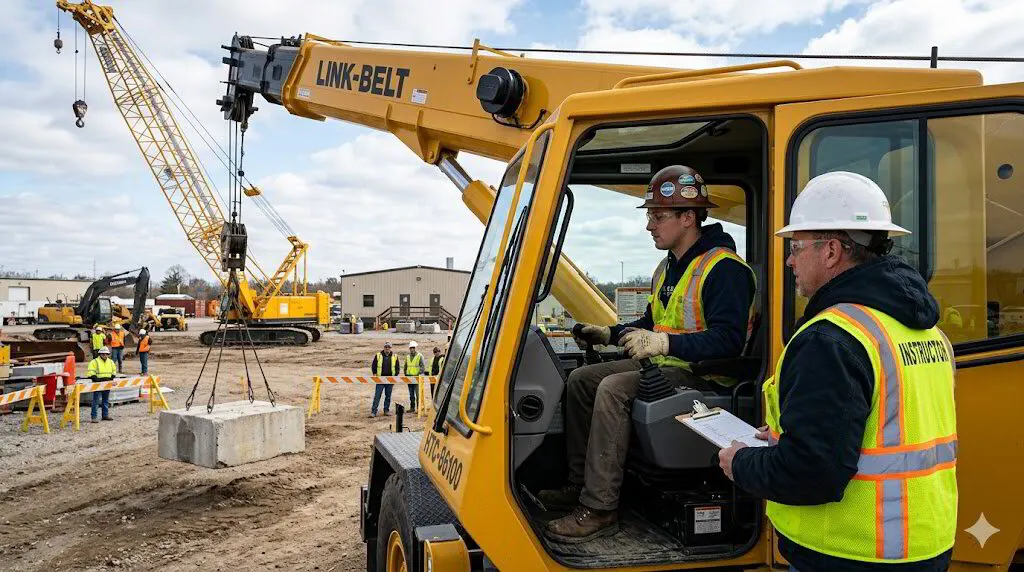 The Ultimate Guide to Crane Operator Field Training Programs: Certification & Career SuccessIn the ever-evolving construction industry, the need for certified crane operators is paramount, making effective…
-
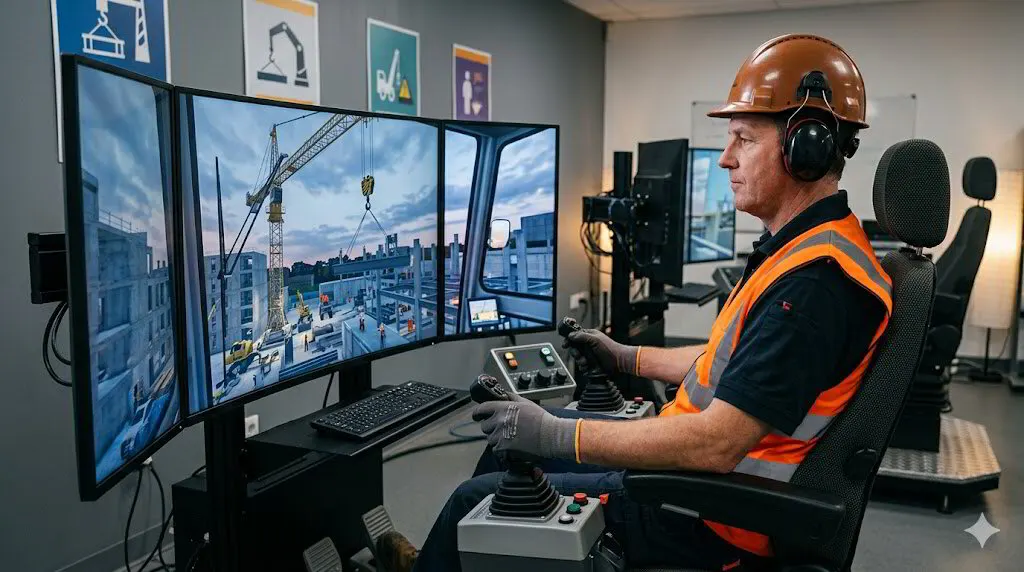 How Crane Simulators Enhance Operator Skills for Safer Construction PracticesAs the construction industry increasingly embraces technology, crane operator training has evolved significantly,…
-
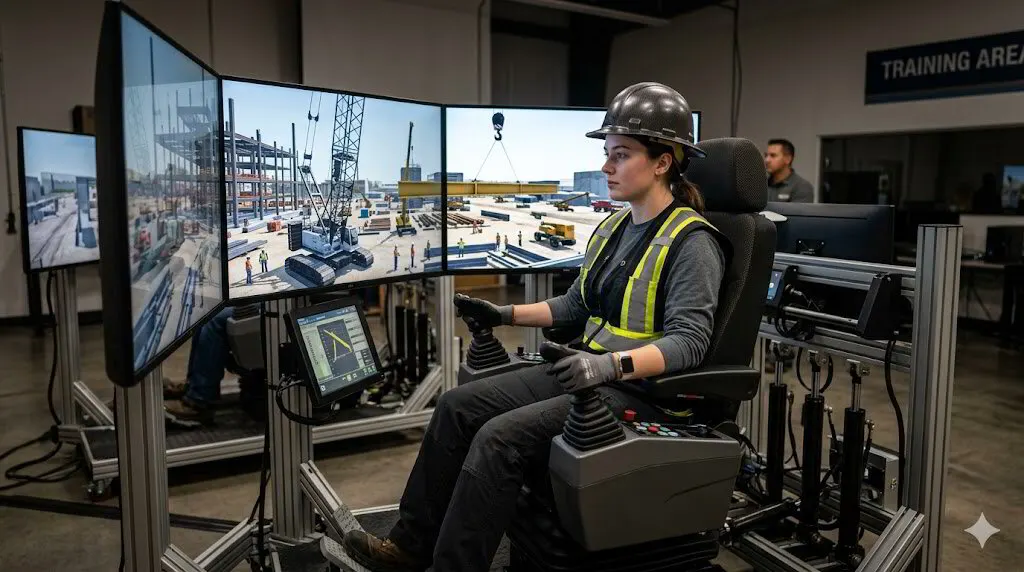 Unlocking Efficiency: The Benefits of Crane Simulator Training for Aspiring OperatorsCrane simulator training is revolutionizing the skill development of aspiring crane operators, offering a safe and…