People who get through the NCCCO exams on schedule tend to prepare the same way: steady study, lots of load chart work, and enough seat time that the practical course feels familiar. None of it is a secret. It just takes planning.
Know what you are actually being tested on
For a mobile crane certification, NCCCO uses a written core exam that every candidate takes, one specialty written exam for each crane type you want, and a practical exam where you operate a crane. NCCCO's overview page lists the current question counts and time limits, and the candidate handbook explains the rules for timing between the written and practical parts. Read both early. Candidates who skip the handbook sometimes find out about a deadline or document requirement too late.
The core covers site set-up, operations, technical knowledge and the regulations. The specialty exam leans heavily on reading the load chart for that crane type.
Habits for the written exams
Work load charts every day
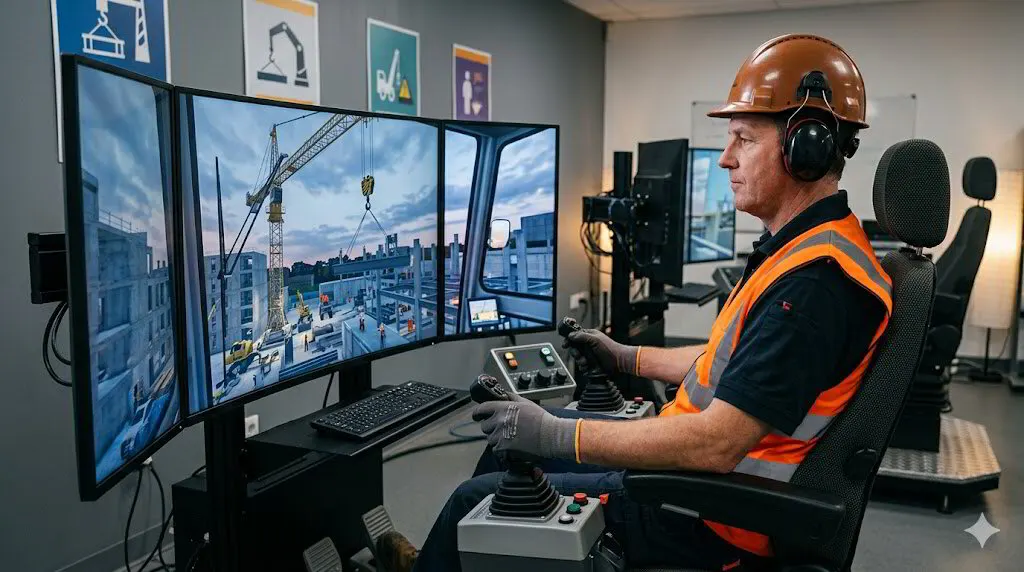
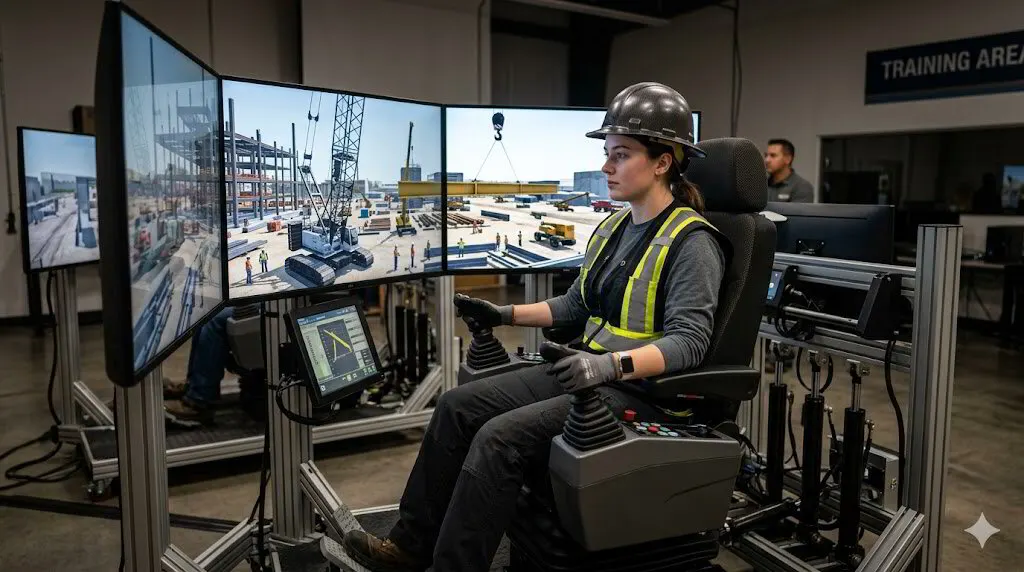
Load chart problems are where many candidates lose points. Practice them until the steps are automatic: find the configuration, confirm radius and boom length, read the gross capacity, then subtract every deduction (hook block, rigging, stowed or erected attachments) to get the net. Write each step on scratch paper instead of doing it in your head.
Read the whole question
Questions often hinge on one word: "except", "maximum", "over the side", "on rubber". Slow down enough to catch it.
Study in short blocks
An hour a night over several weeks sticks better than a long cram the weekend before. Mix rules questions with chart problems so you don't tire of either.
Use practice questions honestly
When you miss a practice question, find out why before moving on. Our practice page is a good place to start.
Habits for the practical exam
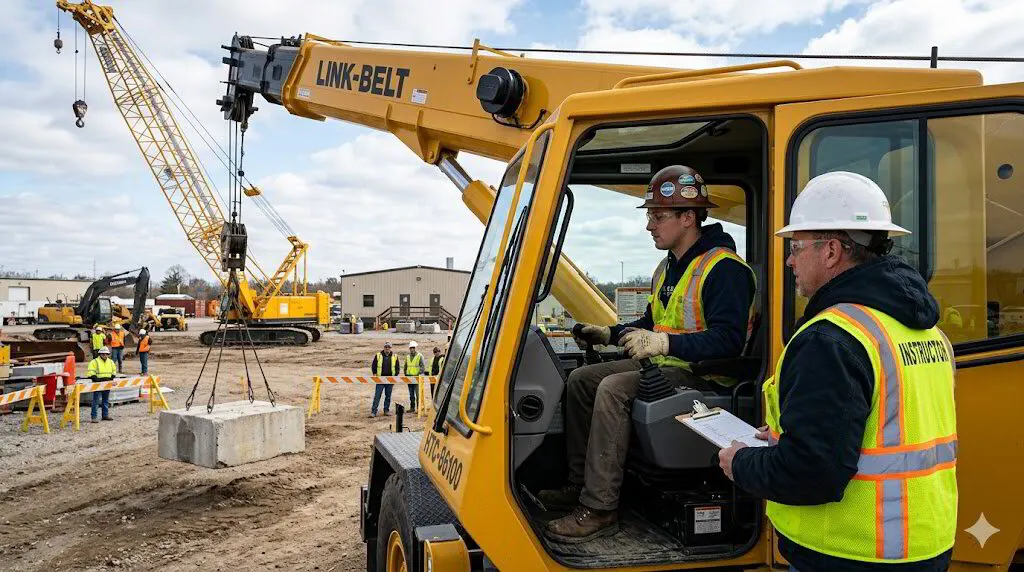
The practical exam is timed and scored by an examiner who watches how you handle the crane through a set course. The habits that help:
- Do your walk-around for real. Treat the pre-operation inspection as part of the test, because it is part of the job.
- Smooth beats fast. Jerky control inputs swing the load and cost time to correct. Feather the controls and let the load settle.
- Watch the load, not the levers. Your hands should know where the controls are by exam day.
- Know the hand signals cold. You will be responding to signals, and hesitation shows.
- Practice on the same course. Familiarity with the layout lets you concentrate on control instead of figuring out where to go.
Texas-specific things to plan for
Training in North Texas means planning around heat for much of the year. Practical exam days in summer can be hot in the cab and on the ground, so drink water the day before, not just the morning of, and eat a real breakfast. In winter, an early cold morning can mean stiff controls until the hydraulics warm up, which is normal and something you'll practice in the yard.
If you're driving in from another part of the state, don't plan a long drive on the morning of the exam. Students who travel in can look at our premium courses with optional room and board, which put you close to the yard during training.
The night before and the morning of
- Pack ID and any paperwork the handbook lists for your exam.
- Get real sleep. A tired candidate makes rough control inputs.
- Arrive early enough to settle down, not just on time.
- On the written exam, answer the questions you know first, mark the hard ones and come back.
- On the practical, take one breath before each task and plan the move before you touch a control.
How we prepare students in Seagoville
We are a CCO EDU Accredited Training Provider, and NCCCO practical exams are given in the same yard where our students train, so you practice on the course you'll be tested on. The Mobile Crane Operations Fixed/Swing Cab 120 Hours course gives new operators the most seat time before testing. Operators who already have hours and mainly need exam preparation often choose Mobile Crane Operations Fixed/Swing Cab 40 Hours. NCCCO grades the exams and issues certification.
Questions we hear
Where do Miller Crane Works students take the NCCCO practical exam?
In our yard at 304 Tunnell St in Seagoville, Texas, which is an NCCCO practical exam site. Students practice on the same course before testing.
What is the most common weak spot on the written exams?
Load chart problems, especially remembering every deduction before finding net capacity. Daily practice with charts is the best fix.
How should I prepare for heat on a summer practical exam day?
Hydrate the day before and the morning of, eat a proper breakfast, and wear light work clothes along with your required protective gear.