
The importance of safety protocols in crane operation cannot be overstated, as statistics show that crane-related accidents can lead to significant injuries, property damage, and even fatalities. With cranes being essential for heavy lifting in various industries, understanding and adhering to safety protocols is crucial for protecting the lives of operators and those working in close proximity. In an environment where multiple risks are present—from mechanical failures to adverse weather conditions—ensuring that every team member is aware of and follows established safety procedures is key to fostering a secure working atmosphere. This blog post delves into the critical aspects of crane operation safety, highlighting the necessity of protocols that safeguard both personnel and equipment while enhancing overall operational efficiency.
Understanding Crane Operations
Types of Cranes Cranes come in various types, each designed for specific lifting tasks. Understanding the differences can help in recognizing the unique safety protocols required for each type. Here are some common types of cranes used in the industry:
- Mobile Cranes
- Tower Cranes
- Crawler Cranes
- Rough Terrain Cranes
Each type has its own operational requirements, which directly influence the importance of safety protocols in crane operation.
The Necessity of Safety Protocols Safety protocols in crane operation are essential to ensure the safety of operators, ground personnel, and the equipment itself. These guidelines help to reduce the risk of accidents and ensure compliance with industry regulations.
Defining Safety Protocols Safety protocols are established procedures designed to minimize risks during crane operations. They outline the steps to follow before, during, and after the lifting process to ensure a safe working environment.
Regulations and Standards in Crane Operation Adhering to national and local regulations is crucial for safe crane operation. The Occupational Safety and Health Administration (OSHA) and the National Commission for the Certification of Crane Operators (NCCCO) set standards that outline required safety measures. For more detail on these regulations, you can visit OSHA's official site.
Key Safety Protocols in Crane Operation
Implementing robust safety protocols is essential for effective crane operation. Below are some key measures:
- Pre-Operation Safety Checks: Inspect the crane and surrounding area for hazards before operation.
- Operator Training and Certification: Ensure all operators are properly trained and certified according to NCCCO standards.
- Site Assessment and Planning: Evaluate the worksite to identify potential risks and establish a safe lifting plan.
By following these protocols, operators can significantly enhance safety and mitigate risks associated with crane operations.
The Role of the Crane Operator The crane operator plays a pivotal role in ensuring the safety and efficiency of crane operations.
Their responsibilities include:
- Conducting pre-operation inspections
- Being aware of site conditions
- Communicating effectively with ground personnel
Effective communication is vital; it ensures that everyone on site is aware of ongoing operations and potential hazards.
Common Hazards in Crane Operation Understanding the potential hazards inherent to crane operation can help crews to implement effective safety measures. Some common hazards include:
- Overloading the crane
- Poor ground conditions
- Weather conditions such as high winds
Establishing a thorough risk assessment procedure can minimize these risks significantly.
Consequences of Ignoring Safety Protocols Failing to adhere to the importance of safety protocols in crane operation can lead to severe consequences, including:
- Accidents and Injuries: Injuries can occur to operators or bystanders if safety is compromised.
- Legal and Financial Repercussions: Companies may face legal actions, fines, or increases in insurance premiums due to safety violations.
Best Practices for Implementing Safety Protocols To foster a safe operating environment, companies should focus on implementing the following best practices:
- Ongoing Training and Education: Regularly update training programs for all personnel involved in crane operations.
- Regular Equipment Maintenance: Conduct routine inspections and maintenance to keep equipment in optimal condition.
- Establishing a Safety Culture: Encourage open communication and proactive reporting of unsafe practices.
By focusing on these best practices, companies can greatly enhance compliance with safety protocols, ultimately protecting their workforce and equipment.
Common Hazards in Crane Operation
Identifying Potential Risks Identifying potential risks is a critical aspect of maintaining safety during crane operation.
Awareness of these hazards not only prepares the team for safer practices but also emphasizes the importance of safety protocols in crane operation. Here are some common risks associated with crane usage:
- Overloading the Crane: Exceeding the crane's weight capacity can lead to tipping or equipment failure.
- Environmental Conditions: Weather factors, such as high winds, rain, or snow, can affect crane stability and visibility.
- Poor Ground Conditions: Uneven, soft, or unstable ground can lead to crane tipping or sinking.
- Electrical Hazards: Cranes working near power lines may pose a significant risk of electrocution.
Mitigation Strategies To combat these hazards, it is crucial to implement effective mitigation strategies. These strategies help create a safer working environment, reinforcing the essential nature of safety protocols. Below are practical measures that can be taken:
- Conduct Regular Site Assessments: Before commencing work, evaluate the site for any dangers that could compromise safety.
- Follow Load Capacity Guidelines: Always adhere to the manufacturer’s load charts and never exceed the rated load capacity.
- Monitor Weather Conditions: Keep an eye on forecasts and assess wind gusts that could impact crane operations. It's advisable to halt work in adverse weather.
- Provide Comprehensive Training: Ensure all personnel receive thorough training on recognizing and managing potential hazards.
Implementing these strategies not only helps mitigate risks but also enhances the overall effectiveness of safety protocols in crane operations.
Conclusion Recognizing the common hazards in crane operation and implementing effective mitigation strategies is foundational to ensuring safety on site. The commitment to understanding and applying the importance of safety protocols in crane operation will lead to a safer workplace, reducing the likelihood of accidents and injuries.
Consequences of Ignoring Safety Protocols
Accidents and Injuries Neglecting the importance of safety protocols in crane operation can result in tragic consequences. Crane-related accidents are often preventable and can lead to severe injuries or even fatalities. Here are some of the potential outcomes of ignoring safety procedures:
- Injuries to Operators: Operators may face serious injuries due to equipment failure or accidents resulting from improper practices.
- Injuries to Ground Personnel: Bystanders or workers on the ground may be struck by falling objects or unsafe equipment operation.
- Property Damage: Accidents can cause significant damage to nearby structures, vehicles, or equipment, leading to costly repairs.
Legal and Financial Repercussions Beyond physical harm, companies that overlook safety protocols face substantial legal and financial risks. Some of the consequences include:
- Fines and Penalties: Regulatory bodies like OSHA can impose heavy fines on companies that fail to comply with safety regulations.
- Increased Insurance Costs: A history of accidents can lead to higher insurance premiums, impacting a company's financial health.
- Litigation: Companies may be held liable for negligence, resulting in costly lawsuits that can drain resources and damage reputations.
Importance of Compliance To prevent accidents and avoid legal repercussions, it is crucial for organizations to comply with safety protocols. Regular audits, training sessions, and reinforcement of best practices can drastically reduce risks. A commitment to safety is not just a regulatory requirement; it fosters a culture of care and responsibility, protecting both employees and equipment.
Conclusion The consequences of ignoring safety protocols in crane operation are severe and far-reaching.
By understanding these implications, organizations can emphasize the necessity of adhering to established safety guidelines, ultimately ensuring a safer, more efficient work environment.
Best Practices for Implementing Safety Protocols
Ongoing Training and Education A cornerstone of ensuring the importance of safety protocols in crane operation is continuous training and education for all personnel involved. This includes not only crane operators but also ground crew and supervisors. Some effective strategies include:
- Regular Training Sessions: Schedule ongoing training programs to keep everyone updated on new equipment, techniques, and safety protocols.
- Certification Refreshers: Encourage operators to renew their certifications regularly, ensuring they stay compliant with current regulations set by organizations like the National Commission for the Certification of Crane Operators (NCCCO).
Regular Equipment Maintenance Maintaining crane equipment is essential for safe operations. Regular checks can prevent mechanical failures and promote the safety of the crew. Key maintenance practices include:
- Daily Inspections: Conduct thorough checks of all crane components before operation, including brakes, controls, and safety devices.
- Scheduled Maintenance: Follow a preventive maintenance schedule in accordance with manufacturer recommendations, adhering to industry standards.
Establishing a Safety Culture Creating a strong safety culture within an organization is vital for effective implementation of safety protocols. Employees should feel empowered to speak up about safety concerns and practices. Here are some steps to instill a safety-first mindset:
- Open Communication: Foster an environment where workers can easily report potential hazards or unsafe practices without fear of retribution.
- Recognition Programs: Implement programs that recognize workers who promote safety, encouraging others to prioritize safe practices.
- Management Commitment: Leadership should consistently communicate the importance of safety and lead by example, demonstrating a sincere commitment to maintaining high safety standards Conclusion By focusing on ongoing training and education, regular equipment maintenance, and establishing a strong safety culture, organizations can effectively implement the importance of safety protocols in crane operation. These practices not only protect the workforce but also enhance overall operational efficiency and compliance with legal standards. For more insights on workplace safety, consider exploring resources from reputable organizations like National Safety Council.
Conclusion
The importance of safety protocols in crane operation cannot be overstated. As outlined throughout this blog post, adhering to these protocols is essential not only for regulatory compliance but also for ensuring the physical safety of operators and ground personnel. Here’s a quick recap of the key points discussed:
Key Takeaways
- Understanding Crane Operations: Familiarize yourself with different types of cranes and their operational peculiarities, as this forms the basis for effective safety protocols.
- Recognizing Hazards: Identify common risks associated with crane operation to mitigate potential accidents and prevent injuries.
- Consequences of Non-Compliance: Being aware of the possible legal and financial repercussions can motivate adherence to safety practices and protocols.
- Best Practices for Implementation: Focus on continual education, maintenance of equipment, and fostering a culture of safety to promote a safer working environment.
Call to Action For companies operating cranes, the emphasis on safety should be intrinsic to the organizational culture. Ensure that all personnel are equipped with the knowledge and tools they need to comply with safety protocols. Investing in safety education not only protects employees but also enhances overall productivity.
For more comprehensive guidelines and resources regarding crane safety, you can explore materials available from the American Society of Safety Professionals. By committing to the importance of safety protocols in crane operation, you ultimately safeguard lives and assets while maintaining operational efficiency.
The Role of the Crane Operator
Responsibilities and Duties The crane operator plays a crucial role in ensuring the safety and efficiency of crane operations. Understanding their responsibilities highlights the importance of safety protocols in crane operation. Key duties include:
- Conducting Pre-Operation Checks: Operators are responsible for performing thorough inspections of the crane and surrounding area to identify any potential hazards before commencing work.
- Understanding Load Limits: Operators must be knowledgeable about the crane's load capacity and ensure that it is not exceeded during lifts.
- Safe Maneuvering Techniques: Operators should be familiar with safe maneuvering techniques to avoid accidents, particularly in tight spaces or environments with obstacles.
Importance of Communication on Site Effective communication is vital in crane operations to ensure everyone has a clear understanding of the tasks being performed. This includes:
- Using Standard Hand Signals: Establishing and adhering to standard hand signals for communication between ground personnel and the crane operator can prevent misunderstandings during operations.
- Conducting Safety Meetings: Holding regular safety briefings helps reinforce the importance of safety protocols in crane operation and keeps everyone informed about potential changes or updates.
- Encouraging a Team Approach: Promoting a team-oriented environment enables all personnel to share safety concerns and suggestions, fostering a culture of safety.
Conclusion Understanding the role of the crane operator is essential for overall safety on the job site. By fulfilling their responsibilities and maintaining open lines of communication, operators can effectively reinforce the importance of safety protocols in crane operation, thereby minimizing risks and ensuring a safe working environment. To further enhance operational safety, resources from reputable organizations like the Crane Institute of America can provide valuable insights and training materials.
Common Hazards in Crane Operation
Identifying Potential Risks Identifying potential risks is crucial for maintaining safety on a job site where cranes are in operation. Understanding these hazards reinforces the importance of safety protocols in crane operation. Below are some common risks operators should be aware of:
- Overloading: Lifting more than the allowable weight can lead to crane instability and accidents.
- Weather Conditions: High winds, rain, or snow can negatively impact visibility and crane operation safety.
- Poor Ground Conditions: Uneven or unstable ground can increase the risk of crane tipping or sinking.
- Proximity to Power Lines: Operating too close to overhead electrical lines can pose serious risks of electrocution.
Mitigation Strategies Effective strategies for mitigating these hazards are essential for safe crane operations.
Implementing these protocols can greatly decrease risks on the job site:
- Conduct Regular Safety Audits: Regularly evaluate the worksite for hazards to ensure that safety practices are adhered to.
- Establish Load Limit Guidelines: Strictly follow manufacturer specifications regarding load limits, ensuring that the crane is never overloaded.
- Monitor Weather Conditions: Be aware of current and forecasted weather conditions and be prepared to suspend operations in adverse weather.
- Implement Safety Zones: Establish zones around the crane where personnel should not enter without permission, minimizing exposure to potential hazards.
Conclusion By recognizing and addressing common hazards associated with crane operation, organizations can significantly enhance the safety of their job sites. Emphasizing the importance of safety protocols in crane operation helps create awareness and encourages all personnel to actively participate in maintaining a secure working environment. For additional resources on crane safety, consider visiting the American National Standards Institute (ANSI) for comprehensive guidelines on safety standards.
The Necessity of Safety Protocols
Defining Safety Protocols Safety protocols in crane operation consist of established procedures aimed at minimizing risks associated with crane usage. These protocols are designed to protect operators and workers on site, thereby reinforcing the importance of safety protocols in crane operation. Key components include:
- Standard Operating Procedures (SOPs): Detailed, step-by-step instructions for various operations involving cranes.
- Emergency Response Plans: Clear guidelines on actions to take in the event of an accident, ensuring a swift and effective response.
- Training Programs: Mandatory educational programs for operators and crew members to ensure they are knowledgeable about equipment usage and safety measures.
Regulations and Standards in Crane Operation Adhering to local and national regulations is critical for all crane operations. Compliance with these regulations not only guarantees safety but also reduces liability for organizations.
Important standards include:
- OSHA Guidelines: Regulations from the Occupational Safety and Health Administration set forth requirements for safe crane operation.
- ANSI Standards: The American National Standards Institute provides safety standards that enhance operational safety, including equipment use and inspections.
Importance of Compliance Abiding by safety protocols is essential for several reasons:
- Protection of Lives: The primary aim of safety protocols is to prevent accidents and protect the health and safety of all workers involved in crane operations.
- Legal Liability: Non-compliance with safety regulations can lead to legal consequences that impact a company’s financial stability and reputation.
- Operational Efficiency: A strong safety culture improves overall efficiency, resulting in fewer accidents, fewer delays, and a smoother workflow.
Conclusion Understanding and implementing defined safety protocols is vital for safe crane operations. By recognizing the necessity of these protocols, organizations can emphasize the importance of safety protocols in crane operation, ultimately contributing to a safer work environment. For more detailed information on safety practices and compliance, visit the National Safety Council for a wealth of resources.
What are safety protocols in crane operation?
Safety protocols in crane operation are established procedures and guidelines designed to minimize risks during the use of cranes. These protocols cover various aspects, including equipment inspection, operator training, load limits, and emergency response plans, ensuring that all personnel are aware of safety practices to prevent accidents.
Why are safety protocols important?
The importance of safety protocols in crane operation lies in their ability to protect the lives of operators and those nearby while also preserving equipment and minimizing financial liability for companies. Adhering to these protocols helps prevent accidents, injuries, and legal repercussions, thereby enhancing overall operational efficiency.
How often should crane operators be trained on safety protocols?
Crane operators should undergo training on safety protocols regularly. This includes initial training upon obtaining certification and ongoing refresher courses at least annually or whenever there are changes in equipment, regulations, or site conditions. Continuous education ensures that operators remain aware of best practices and any new safety guidelines.
What should be included in a crane safety inspection?
A comprehensive crane safety inspection should include checks on critical components such as the crane’s braking system, controls, load indicators, and safety devices. Additionally, the inspection should evaluate the surrounding area for potential hazards, mechanical integrity, and the proper functioning of communication systems between the crane operator and ground personnel.
What are the consequences of ignoring safety protocols?
Ignoring safety protocols can lead to severe consequences, including accidents that result in injuries or fatalities, significant property damage, and legal liabilities for the company.
Non-compliance with established safety standards can also result in hefty fines and reputational damage, underscoring the importance of adhering to safety protocols in crane operation.
Crane Operation & Safety Protocols: Why
Training with Miller Crane Works Matters
Safety is the backbone of every successful crane operation. At Miller Crane Works, we prioritize teaching rigorous safety protocols as part of our certification programs in Texas. Proper training helps prevent costly accidents, protects lives, and ensures compliance with OSHA and NCCCO standards. Our instructors focus on real-world scenarios to build safe, confident operators who are job-site ready. With the right training, safety isn’t just a rule—it becomes second nature. Choose Miller Crane Works to gain the skills and mindset needed for safe crane operation across any work environment.

-
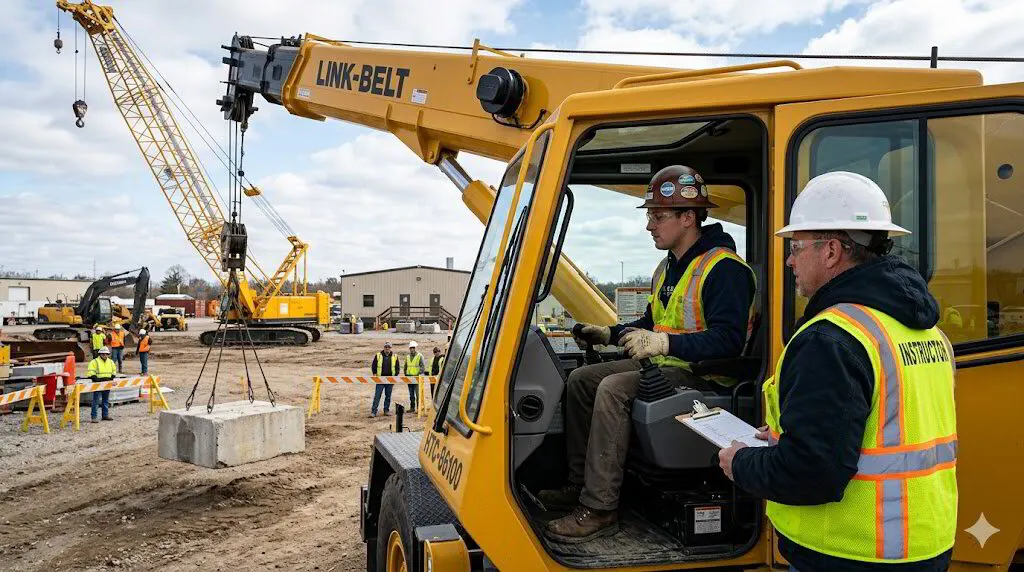 The Ultimate Guide to Crane Operator Field Training Programs: Certification & Career SuccessIn the ever-evolving construction industry, the need for certified crane operators is paramount, making effective…
-
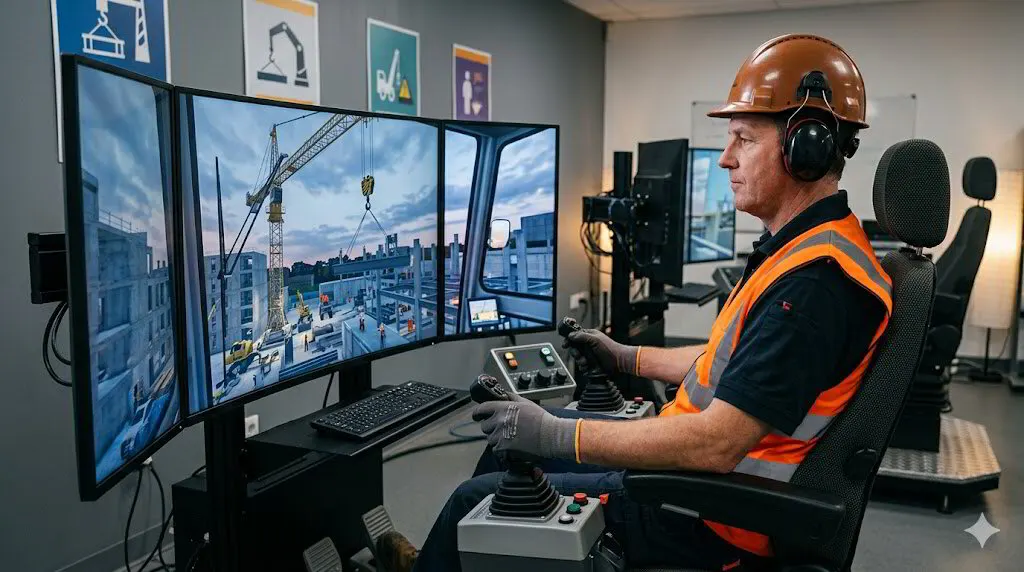 How Crane Simulators Enhance Operator Skills for Safer Construction PracticesAs the construction industry increasingly embraces technology, crane operator training has evolved significantly,…
-
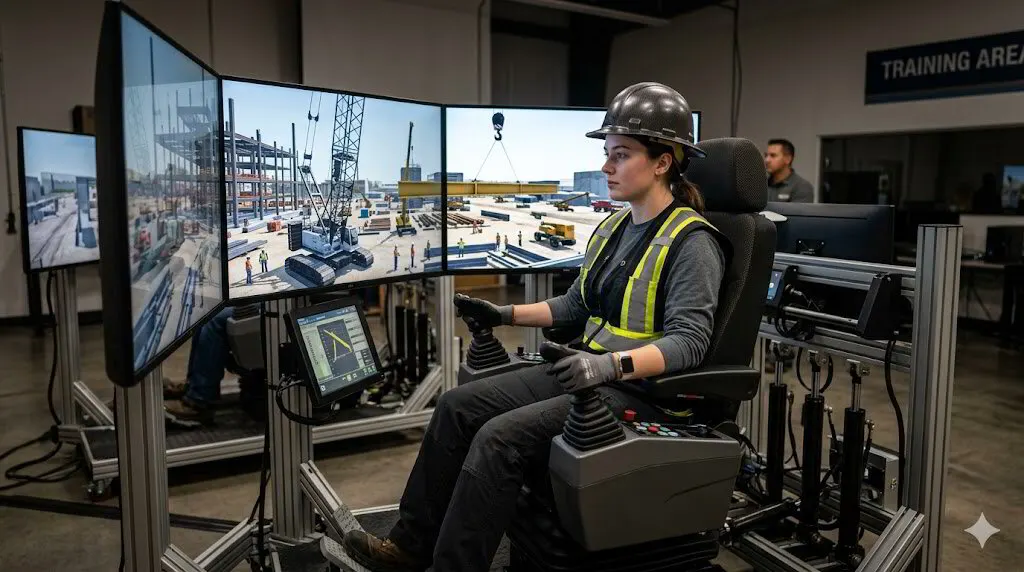 Unlocking Efficiency: The Benefits of Crane Simulator Training for Aspiring OperatorsCrane simulator training is revolutionizing the skill development of aspiring crane operators, offering a safe and…