The importance of safety protocols in crane operation cannot be overstated in an industry where precision, skill, and adherence to regulations are paramount. Imagine the complexities involved in lifting tons of materials high above ground level, where a single oversight could lead to disastrous consequences. In this blog post, we delve into the critical role that safety protocols play in ensuring the well-being of crane operators, workers, and the environment in construction settings.
Key Safety Protocols for Effective Crane Operation
Crane operators play a crucial role in construction projects, requiring strict adherence to safety protocols to ensure not only their own well-being but also the safety of everyone on the site. Let's delve into some key safety protocols that are essential for efficient crane operation.
Proper Equipment Inspection Before Operation Before embarking on any lifting tasks, it is imperative for crane operators to conduct a thorough inspection of the equipment. This includes checking for any signs of wear and tear on crucial components such as cables, hooks, and hydraulic systems. Additionally, ensuring that all safety devices like limit switches and overload sensors are in optimal working condition is vital to prevent accidents.
- Check for any corrosion or damage on structural components.
- Verify the functionality of emergency stop buttons and alarms.
Importance of Pre-Operation Planning A critical aspect of crane operation safety is meticulous pre-operation planning. This involves assessing the site conditions, establishing communication protocols with team members, and considering external factors such as wind speed and visibility. Proper planning sets the foundation for a smooth and safe lifting operation.
- Conduct a site assessment to identify potential hazards.
- Establish clear communication channels to relay commands effectively.
Operating Within Load Capacity Limits One of the most common causes of crane accidents is overloading the equipment beyond its capacity. It is paramount for operators to familiarize themselves with load charts specific to the crane being used and adhere to the prescribed weight limits. Exceeding these limits can lead to instability and catastrophic failures.
- Understand the implications of exceeding the crane's load capacity.
- Prioritize safety over speed when lifting heavy loads.
Utilizing Proper Lifting Techniques Safe lifting practices are pivotal in preventing accidents during crane operations. Operators should focus on ensuring that loads are evenly distributed and that sudden movements are avoided at all costs. A smooth and controlled lifting process not only safeguards the load but also protects the structural integrity of the crane.
- Ensure the load is secured and balanced before lifting.
- Avoid abrupt starts and stops during lifting and lowering processes.
By prioritizing these safety protocols and integrating them into daily operations, crane operators can significantly reduce the risk of accidents and create a safer working environment for all involved. Remember, the importance of safety protocols in crane operation cannot be overstated.
Training and Certification Requirements for Crane Operators
Crane operation is a specialized field that demands a high level of skill and knowledge to ensure the safety of everyone involved. Proper training and certification are essential for crane operators to perform their duties competently and responsibly.
Overview of NCCCO Certification Courses
The National Commission for the Certification of Crane Operators (NCCCO) offers comprehensive certification programs designed to assess the skills and knowledge of crane operators. These courses cover various aspects of crane operation, including safe lifting practices, equipment maintenance, and load calculations. Obtaining NCCCO certification demonstrates a commitment to safety and professionalism in the industry.
- NCCCO certification courses provide theoretical knowledge combined with practical training.
- Certification renewal may be required periodically to ensure operators stay updated with industry standards.
Significance of Hands-On Training
While theoretical knowledge is essential, hands-on training plays a crucial role in developing the practical skills needed for safe crane operation. Practical training enables operators to familiarize themselves with different types of cranes, practice lifting techniques, and simulate real-world scenarios to enhance their decision-making abilities.
- Hands-on training helps operators become proficient in operating specific crane models.
- Simulated exercises prepare operators to respond effectively to challenging situations.
Importance of Ongoing Education and Skill Development
The crane industry is constantly evolving, with new technologies and safety regulations shaping the landscape. Crane operators must engage in continuous education and skill development to keep pace with industry trends and best practices. Continuing education programs offer opportunities for operators to expand their knowledge and improve their proficiency in crane operations.
- Stay informed about the latest advancements in crane technology and safety protocols.
- Participate in training workshops and seminars to enhance operational skills and efficiency.
By investing in training and certification programs, crane operators not only enhance their own capabilities but also contribute to a safer work environment for all. Upholding the importance of safety protocols in crane operation through continuous education and skill development is paramount for the long-term success of crane operators and the construction industry as a whole.
Emergency Response Procedures and Crisis Management
In the high-risk environment of crane operation, preparedness for emergencies and effective crisis management are indispensable to mitigate potential risks and ensure the safety of personnel and property on site.
Preparing for Emergencies Before They Occur
Anticipation is key in emergency response planning. Conducting comprehensive risk assessments and identifying potential hazards in advance allow crane operators and site personnel to develop proactive strategies to address various emergency scenarios. Establishing clear protocols and communication channels for emergency situations is essential for a rapid and coordinated response.
- Perform regular safety drills to practice emergency response procedures.
- Ensure all personnel are familiar with evacuation routes and assembly points.
Communication Protocols During Emergency Situations
Effective communication is critical during emergencies to convey vital information and coordinate response efforts. Implementing a structured communication plan that outlines designated roles, emergency contacts, and primary channels of communication can help streamline response procedures and minimize confusion in high-pressure situations.
- Designate a communication coordinator to relay critical information to all team members.
- Use clear and concise language to ensure messages are easily understood.
Importance of Regular Drills and Readiness Assessments
Continuous readiness is essential in emergency preparedness. Regularly scheduled drills and exercises enable crane operators and site personnel to practice response protocols, identify areas for improvement, and enhance their ability to react swiftly and decisively in crisis scenarios. Periodic readiness assessments help evaluate the effectiveness of emergency plans and identify any gaps that require attention.
- Conduct debriefings after drills to analyze performance and discuss lessons learned.
- Update emergency response plans based on feedback and identified weaknesses.
By prioritizing emergency response procedures and crisis management protocols, crane operators can bolster their preparedness and resilience in the face of unforeseen events.
Adhering to stringent safety protocols and being proactive in emergency planning underscores the critical importance of safety protocols in crane operation for safeguarding lives and promoting a culture of safety on construction sites.
Accountability and Compliance in Crane Operations
Maintaining accountability and ensuring compliance with safety protocols are vital components of a successful crane operation. Integrating stringent accountability measures and upholding regulatory compliance not only fosters a culture of safety but also minimizes risks associated with crane operations.
Regulatory Requirements for Crane Operations
The crane industry is subject to a myriad of regulations and standards established by governing bodies to ensure the safety of workers and the public. Compliance with regulations such as OSHA (Occupational Safety and Health Administration) standards and ANSI (American National Standards Institute) guidelines is non-negotiable in crane operations. Failure to adhere to these regulatory requirements can lead to severe penalties and compromise the safety of all individuals involved in crane tasks.
- Stay informed about the latest regulatory updates and amendments.
- Implement regular audits to verify compliance with industry standards.
Ensuring Compliance with Safety Standards
In addition to regulatory mandates, adhering to internal safety standards and protocols is essential for maintaining a safe working environment. Crane operators and site personnel must rigorously follow established safety guidelines, conduct routine equipment inspections, and report any safety concerns promptly. Creating a culture of compliance where safety is prioritized at every level of the organization is paramount to mitigating risks and preventing accidents.
- Train employees on safety protocols and best practices.
- Encourage reporting of near misses and potential hazards to proactively address safety issues.
Implementing Consequences for Safety Protocol Violations
Accountability is a cornerstone of safety management in crane operations. Establishing clear consequences for safety protocol violations sends a strong message that non-compliance is unacceptable and can have serious repercussions. By enforcing accountability measures consistently and fairly, organizations reinforce the importance of safety protocols and foster a culture of responsibility among all team members.
- Educate employees on the consequences of safety violations through training programs.
- Implement a disciplinary policy that addresses safety infractions effectively and transparently.
Upholding accountability and compliance in crane operations goes hand in hand with prioritizing the importance of safety protocols in crane operation. By instilling a culture of responsibility and fostering adherence to regulations and internal standards, organizations can create a safer working environment and protect the well-being of their workforce.
Continuous Improvement and Safety Culture in Crane Operations
Fostering a culture of continuous improvement and emphasizing the significance of safety protocols are fundamental aspects of ensuring the long-term safety and efficiency of crane operations. By promoting a commitment to ongoing learning and prioritizing safety at every step, organizations can cultivate a culture that values the well-being of its employees and the integrity of its operations.
Encouraging a Safety-First Mindset Among Operators
Safety should always be the top priority in crane operations. Encouraging operators to adopt a safety-first mindset involves instilling a heightened awareness of potential risks, emphasizing the importance of adhering to safety protocols, and fostering a proactive approach to identifying and addressing safety hazards. By empowering operators to prioritize safety in their decision-making processes, organizations can significantly reduce the likelihood of accidents and incidents.
- Provide regular safety training and workshops to reinforce best practices.
- Recognize and reward employees who demonstrate exemplary safety behaviors.
Regular Safety Meetings and Discussions
Open communication channels are essential for maintaining a strong safety culture within an organization. Conducting regular safety meetings and discussions allows team members to voice their concerns, share insights, and collaborate on implementing safety improvements. By creating a platform for dialogue and feedback, organizations can harness the collective knowledge and experience of their workforce to continuously enhance safety protocols and practices.
- Schedule weekly or monthly safety meetings to address current safety issues and trends.
- Facilitate open discussions that encourage honest feedback and idea-sharing among team members.
Feedback Mechanisms for Improving Safety Protocols
Feedback mechanisms play a crucial role in driving continuous improvement in safety protocols. Encouraging employees to provide feedback on existing safety measures, report near misses, and suggest enhancements enables organizations to identify areas for improvement and implement targeted safety initiatives. By listening to feedback and taking proactive steps to address safety concerns, organizations demonstrate their commitment to creating a safe and secure work environment for all.
- Implement anonymous safety suggestion boxes for employees to share suggestions.
- Establish a formal process for evaluating and implementing safety-related feedback.
Promoting a culture of continuous improvement and safety consciousness not only enhances the overall effectiveness of crane operations but also upholds the core values of prioritizing safety and well-being. By embedding these principles into the fabric of daily operations, organizations can reinforce the critical importance of safety protocols in crane operation and strive towards achieving excellence in safety performance.
Conclusion: Upholding Safety Standards for Sustainable Crane Operations
In conclusion, prioritizing safety protocols is paramount for sustainable and efficient crane operations. The adherence to stringent safety regulations and the implementation of comprehensive safety measures not only safeguard crane operators but also protect the surrounding environment and all individuals on-site.
By emphasizing the importance of safety protocols in crane operation and integrating these protocols into everyday practices, organizations can significantly reduce the risks associated with crane operations and enhance overall workplace safety. Continuous improvement efforts, ongoing training, and a strong safety culture are key drivers that support the achievement of safety excellence in crane operations.
As we move forward, let us reaffirm our commitment to safety, accountability, and continuous learning in the crane industry. By working together to uphold the highest safety standards and instilling a safety-first mindset among all personnel, we can create a safer and more efficient working environment for current and future crane operations.
For more information on safety protocols and best practices in the crane industry, visit Big Crane Training for valuable insights and resources.
Remember, safety is not just a priority; it is a core value that should guide every action and decision in crane operations. Thank you for joining us on this journey towards safer and more secure crane operations.
Incorporating Safety Protocols into Crane Training Programs
Crane training programs play a pivotal role in shaping the skills and behaviors of crane operators. It is crucial that these programs integrate comprehensive safety protocols to instill a culture of safety from the very beginning. By emphasizing the importance of safety protocols in crane operation during training, operators can develop the necessary mindset and habits to prioritize safety throughout their careers.
Integrating Safety Curriculum into Training Modules
One effective way to reinforce safety protocols is to seamlessly incorporate safety topics into the regular curriculum of crane training programs. From basic safety principles to advanced risk assessment techniques, operators should receive thorough guidance on adhering to safety standards and protocols in various scenarios.
- Include modules on equipment inspection, emergency response, and load handling safety.
- Engage students in practical exercises that simulate real-world safety challenges.
Practical Application of Safety Procedures
Hands-on training is an indispensable component of crane operator education. During practical sessions, students should apply safety protocols in a controlled environment under the guidance of experienced instructors. This experiential learning approach allows operators to understand the real-world implications of safety protocols and practice safe behaviors under supervision.
- Demonstrate proper lifting techniques and load distribution practices.
- Emphasize the importance of clear communication and situational awareness during operations.
Certification Assessments Emphasizing Safety Compliance
Certification assessments in crane training programs should place a strong emphasis on safety compliance and adherence to protocols. Evaluating operators' understanding of safety regulations, their ability to identify and mitigate hazards, and their commitment to following established safety procedures is essential to ensuring that certified operators are well-equipped to prioritize safety on the job.
- Include safety-related questions in certification exams to assess knowledge and understanding.
- Require practical demonstrations of safe operating practices as part of the certification process.
By embedding safety protocols into crane training programs and certification assessments, industry stakeholders can proactively cultivate a safety-oriented mindset among crane operators. Investing in comprehensive safety training not only benefits individual operators but also contributes to a safer and more productive workplace environment for all.
FAQ Section
Can safety protocols really prevent accidents in crane operations?
Absolutely. Safety protocols are designed to minimize risks and ensure that crane operations are conducted in a safe and controlled manner. By following established safety procedures, operators can significantly reduce the likelihood of accidents and protect the well-being of all individuals involved.
How often should crane operators undergo safety training?
Crane operators should undergo regular safety training sessions to stay updated on industry best practices, regulations, and emerging safety trends. Ongoing education and skill development are crucial for enhancing the safety consciousness of operators and promoting a culture of continuous improvement.
What role does communication play in maintaining safety during crane operations?
Effective communication is vital in crane operations to relay critical information, coordinate tasks, and respond promptly to emergencies. Clear communication channels ensure that all team members are aware of safety protocols and can collaborate seamlessly to enhance safety on the job site.
Why is it important for crane operators to conduct equipment inspections?
Equipment inspections are essential to identify potential hazards, verify the functionality of safety devices, and ensure that the crane is in optimal working condition. Regular inspections help prevent equipment failures, minimize downtime, and uphold safety standards in crane operations.
How can a strong safety culture impact the overall success of crane operations?
A strong safety culture fosters a shared commitment to safety among all personnel, promotes accountability, and instills a safety-first mindset in crane operations. By prioritizing safety as a core value, organizations can enhance operational efficiency, reduce accidents, and create a secure working environment for everyone involved.
Mastering Safety: Essential Protocols for Efficient Crane Operation at
Miller Crane Works
At Miller Crane Works, safety is the foundation of every successful crane operation.
Following strict safety protocols isn’t just about compliance — it’s about protecting lives, equipment, and project timelines. From pre-operation inspections and proper load handling to communication procedures and emergency preparedness, every step plays a critical role in ensuring both efficiency and safety on the job site.
Our team is dedicated to training operators not only in technical skills but also in the discipline of maintaining high safety standards, helping them work smarter, safer, and more confidently every day.

-
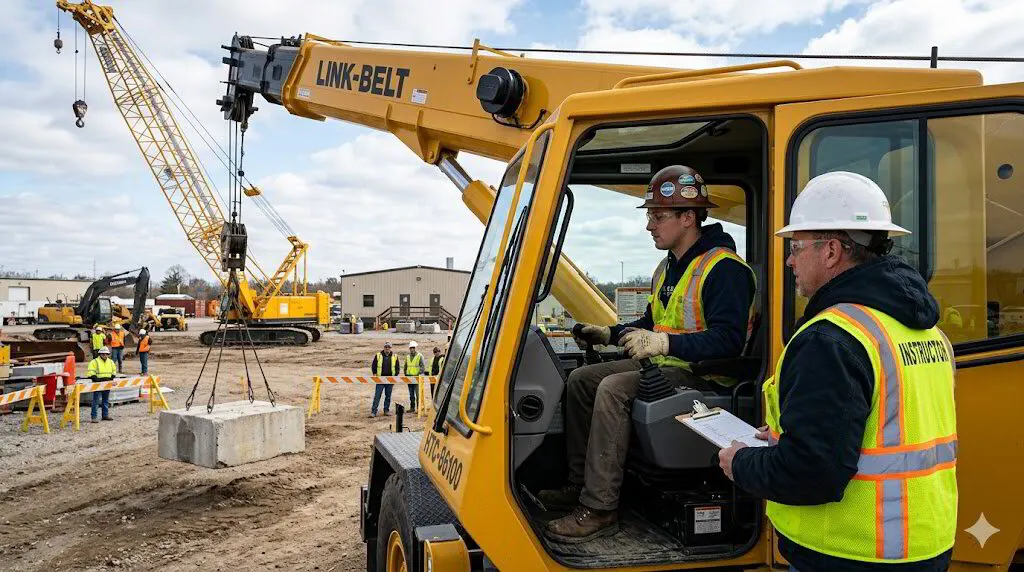 The Ultimate Guide to Crane Operator Field Training Programs: Certification & Career SuccessIn the ever-evolving construction industry, the need for certified crane operators is paramount, making effective…
-
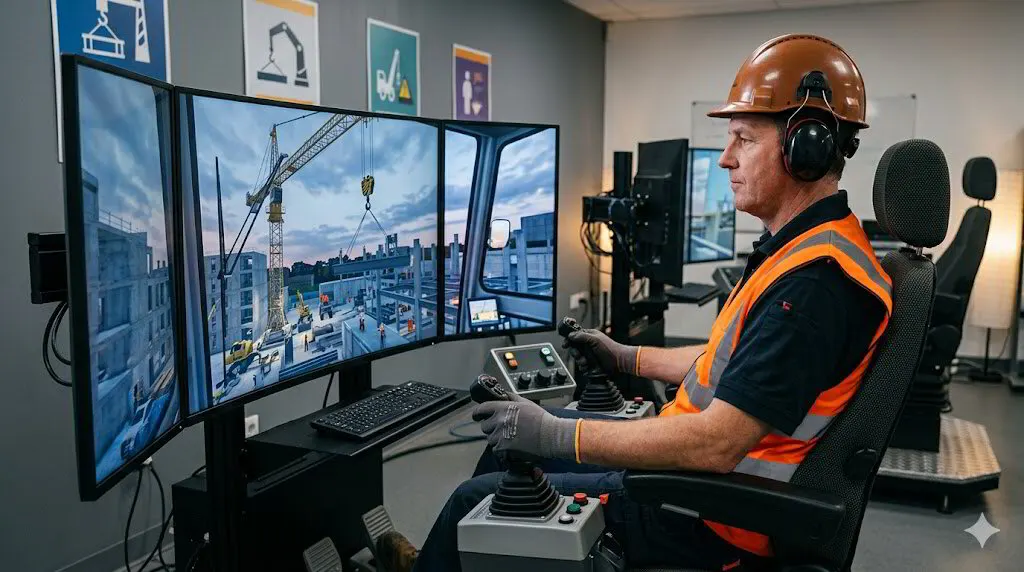 How Crane Simulators Enhance Operator Skills for Safer Construction PracticesAs the construction industry increasingly embraces technology, crane operator training has evolved significantly,…
-
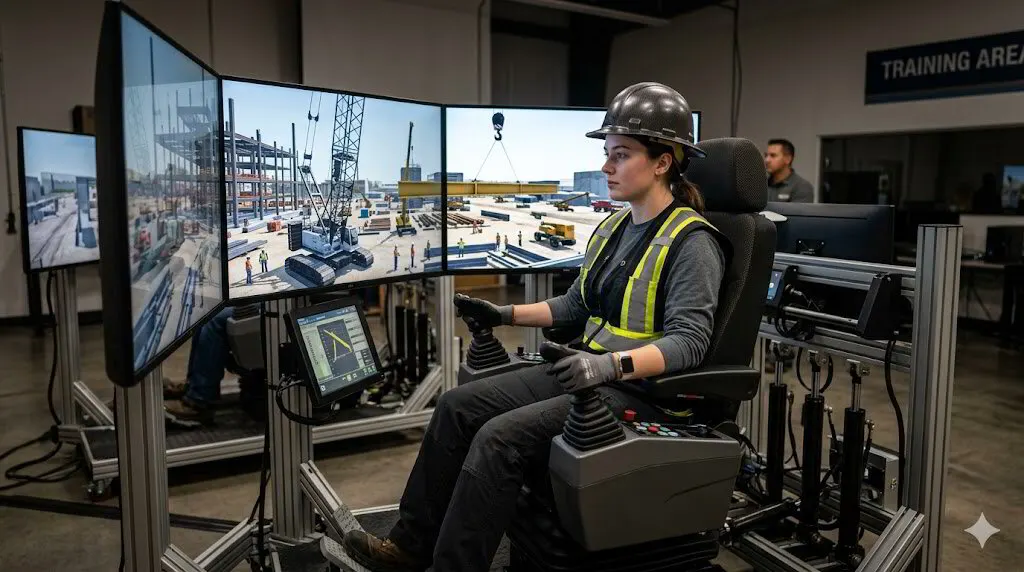 Unlocking Efficiency: The Benefits of Crane Simulator Training for Aspiring OperatorsCrane simulator training is revolutionizing the skill development of aspiring crane operators, offering a safe and…