
Career growth prospects for certified crane operators are more promising than ever in today’s booming construction and industrial sectors. As urbanization accelerates and infrastructure projects expand, the demand for skilled crane operators is reaching new heights. Did you know that the Bureau of Labor Statistics projects significant job growth for crane operators over the next decade? This trend highlights the vital role that certified professionals play in ensuring the safety and efficiency of operations across various industries. In this blog post, we'll explore the myriad opportunities available for crane operators, uncovering the pathways to advancement, the impact of technological innovations, and the skills needed to succeed in this dynamic field.
Understanding
the Role of Certified Crane Operators
Crane operators play a critical role in various construction and industrial projects. They are responsible for the safe and efficient movement of materials using various types of cranes, including tower and mobile cranes. To ensure safety and operational efficiency, certification is essential.
Importance of Certification Certification not only validates an operator's skills but also enhances their credibility in the industry. The National Commission for the Certification of Crane Operators (NCCCO) offers a widely recognized program that equips operators with necessary knowledge and safety protocols. Certified crane operators often enjoy better job security and a competitive edge in the job market.
The Demand for Certified Crane Operators The construction industry is experiencing significant growth, leading to an increasing demand for certified crane operators. Here are a few factors contributing to this trend:
- Expansion of infrastructure projects
- Growing reliance on heavy machinery in various sectors
- Increasing complexity of construction sites
Key Sectors Hiring Crane Operators Certified crane operators are sought after in multiple sectors, which broadens their career growth prospects. Notable sectors include:
- Construction: Both residential and commercial projects rely heavily on crane operators.
- Manufacturing: Crane operators are crucial for moving heavy materials in factories and warehouses.
- Shipping and Logistics: Ports and shipping companies need skilled operators for loading and unloading cargo.
Career Growth Prospects for Certified Crane Operators Once certified, crane operators can expect a variety of career growth prospects. Opportunities range from entry-level positions to specialized roles within the industry.
Entry-Level Opportunities Many certified crane operators begin their careers in entry-level positions. These roles often involve working alongside experienced operators to gain practical knowledge and skills.
Promotion Opportunities and Career Pathways With experience and continued education, certified crane operators can advance to higher positions. Possible career paths include:
- Senior Crane Operator: Taking on more complex lifts and responsibilities.
- Site Supervisor: Overseeing crane operations at construction sites.
- Safety Coordinator: Ensuring compliance with safety regulations and protocols.
Skill Development and Continued Education In the competitive landscape of crane operation, continuous learning is vital for career advancement. Consider the following options:
- Additional Certifications: Pursuing further certifications can open new avenues for employment and advancement.
- Workshops and Training Programs: Regular training sessions can help operators stay updated on the latest industry practices and technologies.
Salary Potential for Certified Crane Operators Certified crane operators enjoy competitive salaries influenced by various factors. Understanding
these can help you make informed career decisions.
On average, certified crane operators can earn a substantial income. Factors contributing to salary variations may include:
- Location of employment
- Type of crane operated
- Level of experience and expertise
Comparative salary analysis can be found at BLS.gov.
Conclusion The career growth prospects for certified crane operators are promising, offering numerous opportunities for advancement and specialization. By obtaining certification and continuously developing their skills, operators can enhance their career trajectories and secure their places in this thriving industry.
The Impact of Experience on Career Growth Experience plays a significant role in shaping the career growth prospects for certified crane operators. As operators accumulate years in the field, their opportunities for advancement and specialization increase significantly.
How Years of Experience Enhance Opportunities The more experience a crane operator has, the more competencies they develop. This experience translates into greater job security and potential for higher pay. Here are some ways experience impacts career growth:
- Skill Mastery: Experienced operators have a deeper understanding of machinery and operations.
- Problem-Solving Abilities: Veterans are better equipped to handle unexpected challenges on job sites.
- Leadership Roles: With experience, many operators transition into supervisory or mentorship roles, guiding new recruits.
Benefits of Networking within the Industry Networking is another crucial element that can enhance career growth prospects for certified crane operators. Building strong relationships within the industry can lead to new job opportunities and collaborations.
- Professional Organizations: Joining industry groups such as the Crane Operators' Association can provide valuable resources and connections.
- Industry Events: Attending trade shows, seminars, and workshops opens up paths for networking and professional development.
- Online Platforms: Engaging in professional networks like LinkedIn can broaden reach and increase visibility to potential employers.
Future Trends Affecting Crane Operations As the construction industry evolves, so do the career growth prospects for certified crane operators. Staying ahead of trends can position operators for future success.
Technological Advancements The integration of technology in crane operations is rapidly changing the landscape. Enhanced equipment, remote operation capabilities, and automation are becoming more prevalent. Embracing these technologies will be crucial for operators looking to advance their careers.
Sustainability and Green Practices in Crane Operations There is an increasing focus on sustainability in the construction industry. Certified crane operators who understand and implement eco-friendly practices will be highly valued.
- Using alternative fuel sources
- Incorporating energy-efficient machinery
- Participating in sustainability training programs
Conclusion In summary, the career growth prospects for certified crane operators are significantly influenced by experience, networking, and the ability to adapt to industry trends. By focusing on these areas, operators can maximize their potential and secure fulfilling career paths in an evolving market.
Salary Potential for Certified Crane Operators
When considering the career growth prospects for certified crane operators, understanding salary potential is essential. Certified professionals typically enjoy competitive incomes that reflect their skills, experience, and the sectors they work in.
Average Salaries and Factors Influencing Pay The average salary for certified crane operators can vary widely based on several factors, which can impact their overall career trajectories. Here are some key aspects that influence salary:
- Geographic Location: Salaries are often higher in urban areas or locations with a high demand for crane operations.
- Type of Crane Operated: Operators certified to operate specialized cranes, such as tower cranes, may command higher wages compared to those operating smaller machines.
- Level of Experience: As with many professions, operators with more years of experience typically earn higher salaries.
According to Bureau of Labor Statistics, the median annual wage for crane and tower operators is competitive, with many earning well above the national average.
Comparison of Salaries in Different Sectors The salary landscape for certified crane operators can also differ significantly across various sectors. Here’s a brief comparison:
- Construction: Generally offers competitive wages and benefits, especially for operators specializing in heavy lifting.
- Manufacturing: Often provides steady hours and a stable salary, although it may not be as high as construction.
- Shipping and Logistics: Port crane operators may earn higher wages due to the complexities and demands of the role.
In addition, certified crane operators who pursue roles in project management or specialized technical fields may see their earning potential rise even further.
Conclusion Understanding the salary potential for certified crane operators is vital for those looking to maximize their career growth prospects. By considering factors such as location, type of crane operated, and level of experience, operators can strategically plan their careers and seek opportunities that align with their financial and professional goals.
Skill Development and Continued Education
To fully realize the career growth prospects for certified crane operators, ongoing skill development and education are crucial. The construction industry is constantly evolving, and operators must keep pace with new technologies, regulations, and best practices.
Importance of Additional Certifications Pursuing additional certifications can significantly enhance an operator's qualifications. Certifications from recognized organizations, such as the National Commission for the Certification of Crane Operators (NCCCO), can open doors to new opportunities and improve earning potential.
Benefits of pursuing additional certifications include:
- Increased Employability: Employers prioritize operators with diverse certifications that demonstrate advanced skills.
- Higher Salary Potential: Specialized certifications often correlate with higher wages.
- Enhanced Safety Awareness: Training in advanced safety protocols minimizes risks at job sites.
Workshops and Training Programs In addition to certification courses, participating in workshops and training programs can provide valuable knowledge and skills. Operators can learn about cutting-edge technologies, safety practices, and industry standards. Here are some options to consider:
- Hands-On Workshops: Practical, in-person training that focuses on the latest equipment and techniques.
- Online Courses: Flexible learning options covering topics such as safety regulations, equipment maintenance, and advanced crane operations.
- Seminars and Conferences: Opportunities to network with industry professionals and learn about emerging trends and technologies.
Staying Updated on Industry Innovations As technology continues to advance, staying informed about innovations in crane operations is essential.
- Industry Publications: Reading trade magazines and journals keeps operators updated on new equipment, safety procedures, and operational techniques.
- Professional Associations: Joining associations, like the Associated General Contractors (AGC) or the Crane and Rigging Safety Association (CRSA), can provide resources and information on latest developments.
Conclusion Emphasizing skill development and continued education is vital for enhancing career growth prospects for certified crane operators. By actively pursuing additional certifications, attending training programs, and staying abreast of industry innovations, operators can position themselves for success in a competitive job market.
The Demand for Certified Crane Operators
In today’s thriving construction and logistics sectors, the demand for certified crane operators plays a crucial role in shaping career growth prospects for these professionals. As industries ramp up their operations, the need for skilled operators who can safely and efficiently manage crane functions is on the rise.
Industry Growth Trends Several factors contribute to the increasing demand for certified crane operators:
- Infrastructure Development: Government-sponsored projects and infrastructure investments lead to a surge in construction activities.
- Urbanization: As cities expand and populate, the need for residential and commercial buildings increases, directly impacting crane operations.
- Heavy Machinery Use: Various sectors rely on heavy machinery for efficiency and safety, necessitating skilled operators.
Key Sectors Hiring Crane Operators Certified crane operators find opportunities across multiple industries, each presenting unique advantages and growth potential. Notable sectors include:
- Construction: The primary employer for crane operators, offering varied roles and projects.
- Energy: Wind and solar energy installations require skilled operators for equipment transportation and setup.
- Manufacturing: Factories often utilize cranes for moving heavy materials, creating steady job opportunities.
Job Security and Stability One of the most appealing aspects of pursuing a career as a certified crane operator is the inherent job security and stability the profession offers. Factors that contribute to job security include:
- Regulatory Requirements: Many states and industries require certified operators, creating a constant demand.
- Retirement of Current Operators: As experienced operators retire, there is a growing need for new talent to fill their roles.
- Diverse Opportunities: With skills applicable to multiple industries, certified operators can transition between sectors, providing additional job security.
Conclusion The demand for certified crane operators is both a reflection of and a contributor to the robust growth in the construction and logistics industries. With opportunities spread across various sectors, operators can capitalize on career growth prospects by continuously honing their skills and pursuing relevant certifications.
Entry-Level Opportunities For newcomers to the industry, understanding the various entry-level opportunities is essential for mapping out career growth prospects for certified crane operators. While many operators start at the ground level, the potential for advancement is substantial with the right training and experience.
Types of Entry-Level Positions New crane operators typically begin their careers in various roles that offer valuable on-the-job experience. Common entry-level positions include:
- Crane Operator Student: Working under the supervision of experienced operators while gaining practical skills.
- Groundman: Assisting crane operators with minor tasks on the job site, helping to understand the complexities of crane operations.
- Rigger: Responsible for ensuring that loads are secure and correctly rigged for lifting, providing insight into operational safety practices.
Building a Foundation for Advancement Starting in these roles can lay the groundwork for future career growth prospects. New operators should focus on the following to enhance their chances of advancement:
- Networking: Building relationships with experienced operators and supervisors can lead to mentorship opportunities and job references.
- Learning on the Job: Actively engaging in training and seeking additional responsibilities can help operators develop a broader skill set.
- Seeking Certifications: Acquiring additional certifications can set candidates apart, demonstrating commitment to professional development.
Opportunities for Promotion Once established in entry-level positions, certified crane operators can look forward to various promotional pathways. Potential advancements include:
- Senior Crane Operator: Taking on more complex lifting operations and responsibilities.
- Supervisor or Site Foreman: Transitioning to roles that manage other operators and oversee job site safety protocols.
- Safety Manager: Focusing on compliance with safety standards and training procedures for new operators.
Conclusion Starting as a certified crane operator can lead to a rewarding career with numerous entry-level opportunities that facilitate career growth. By leveraging these initial positions and striving for continuous learning and certification, operators can enhance their career growth prospects significantly as they advance within the industry.
Promotion
Opportunities and Career Pathways

As certified crane operators gain experience and demonstrate their skills, they open the door to various promotion opportunities within the industry. Understanding the potential pathways for advancement is crucial for maximizing career growth prospects for certified crane operators.
Common Career Advancement Paths Career progression for crane operators often follows a structured path, with roles becoming increasingly specialized and managerial. Key advancement options include:
- Lead Crane Operator: Supervising other operators and managing crane operation schedules, ensuring safe and efficient workplace practices.
- Crane and Rigging Inspector: Focusing on evaluating and ensuring the compliance of cranes and rigging equipment with safety standards.
- Operations Manager: Overseeing multiple projects and ensuring both operational efficiency and compliance with regulations.
Factors Affecting Promotion Opportunities Several factors influence promotion opportunities for crane operators:
- Experience and Expertise: Accumulating years of relevant experience and demonstrating proficiency with different types of cranes boosts chances for advancement.
- Continued Education: Pursuing workshops, additional certifications, and training keeps operators updated on industry trends and safety protocols, making them more competitive for promotions.
- Leadership Skills: Developing strong communication and leadership abilities can position operators favorably when opportunities for supervisory roles arise.
Benefits of Advancing Your Career Advancing within the crane operation field not only enhances career satisfaction but also has tangible benefits, including:
- Increased Earning Potential: As operators move up the career ladder, their salaries typically reflect their new responsibilities and expertise.
- Greater Job Security: Higher-level positions often provide more job stability, as they are critical to project success and operation functionality.
- Expanded Professional Network: Moving into management roles allows operators to build broader professional connections, which can lead to future opportunities.
Conclusion Understanding the promotion opportunities and career pathways available to certified crane operators is essential for individuals aiming to enhance their career growth prospects. By excelling in their current roles, pursuing ongoing education, and developing leadership skills, operators can strategically advance within the industry and achieve their long-term career goals.
Future Trends Affecting Crane Operations
As the construction and industrial sectors continue to evolve, several trends are poised to impact the career growth prospects for certified crane operators. Staying informed about these developments can help operators position themselves for success in a changing landscape.
Technological Advancements The integration of advanced technology into crane operations is transforming how work is conducted. Key technological trends include:
- Automation: The rise of automated cranes and remote operation technologies enhances efficiency and safety, shifting the skill set required for operators.
- Telematics: Digital tracking systems allow for real-time monitoring of equipment performance, impacting maintenance schedules and operational decision-making.
- Advanced Safety Features: New technologies aimed at improving safety, such as load monitoring systems and anti-collision devices, demand that operators learn to operate and utilize these systems effectively.
Sustainability and Green Practices in Crane Operations The growing emphasis on sustainability is influencing construction practices and, in turn, the operations of certified crane operators. Key factors include:
- Eco-Friendly Equipment: The adoption of cranes that utilize alternative fuel methods reduces the carbon footprint, creating a niche for operators skilled in using this machinery.
- Waste Reduction Techniques: Operators are encouraged to implement practices that minimize waste and ensure efficient material handling on job sites.
Emphasis on Safety and Compliance As regulatory bodies continue tightening safety regulations, there is an increasing focus on safety training for crane operators. Key considerations include:
- Regular Safety Training: Ongoing education on safety protocols is essential for certified operators to maintain compliance with industry standards.
- Certification Renewals: Operators need to stay updated on renewing certifications as regulations change and new safety practices are introduced.
Conclusion Understanding the future trends affecting crane operations is vital for enhancing career growth prospects for certified crane operators. By adapting to technological advancements, embracing sustainability practices, and prioritizing safety and compliance, operators can position themselves effectively in an ever-evolving industry landscape. Staying proactive in professional development is crucial for achieving long-term career success.
What qualifications do I need to become a certified crane operator?
To become a certified crane operator, you typically need to complete a specialized training program and pass both written and practical examinations offered by organizations such as the National Commission for the Certification of Crane Operators (NCCCO). Most programs also require candidates to have a high school diploma or equivalent and may recommend having some experience in construction or heavy machinery operation.
How long does it take to get certified as a crane operator?
The time it takes to get certified as a crane operator can vary based on the training program. Generally, comprehensive programs can range from a few weeks to several months, depending on the intensity of the coursework and the amount of hands-on experience provided. Candidates should also account for the time needed to prepare for the certification exams.
What types of cranes can I operate with certification?
Specific certifications may be required for operating different types of cranes, so it's essential to verify the requirements based on the type of equipment you want to operate.
Are there continuing education requirements for crane operators?
Yes, continuing education is often required to maintain certification. This includes renewing certifications typically every five years or as mandated by local regulations. Operators are encouraged to participate in ongoing training to stay current with safety practices, technology updates, and industry standards.
What is the average salary for certified crane operators?
The average salary for certified crane operators can vary widely based on factors such as location, experience level, and the type of crane operated.Pay is set by the employer. This school does not state or promise wages.
Team up with Miller Crane Works for exceptional exterior transformations
Enhancing your home’s curb appeal with smart exterior upgrades is an investment that boosts both beauty and value. At Miller Crane Works, we’re committed to turning your vision into reality with expert services and top-quality materials. Whether you’re interested in refreshing your landscaping, updating your siding, or improving your outdoor lighting, our experienced team is ready to assist. For more details or to schedule a consultation, contact Miller Crane Works today. Transform your home’s exterior into a stunning, inviting space you’ll enjoy for years to come.

-
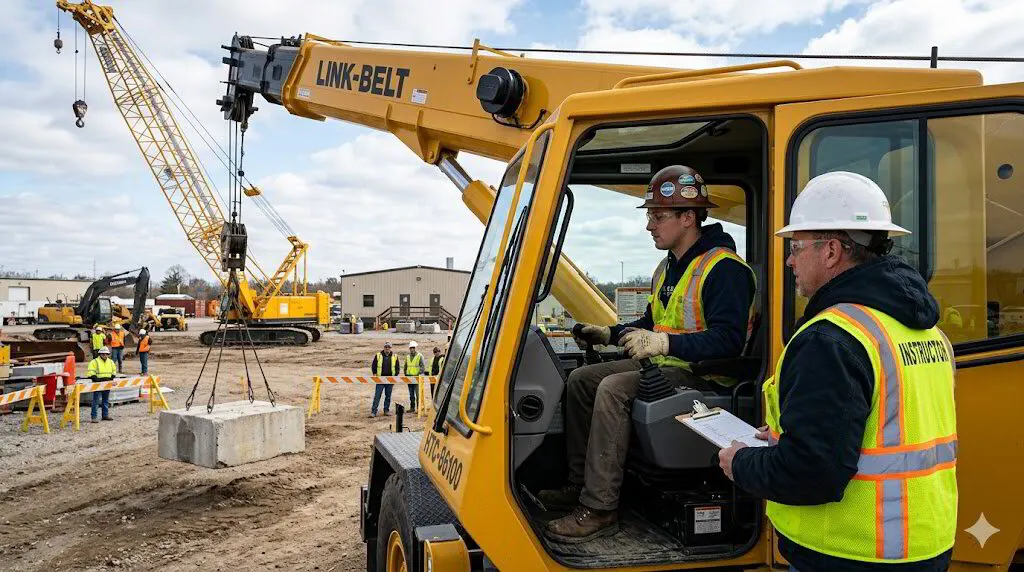 The Ultimate Guide to Crane Operator Field Training Programs: Certification & Career SuccessIn the ever-evolving construction industry, the need for certified crane operators is paramount, making effective…
-
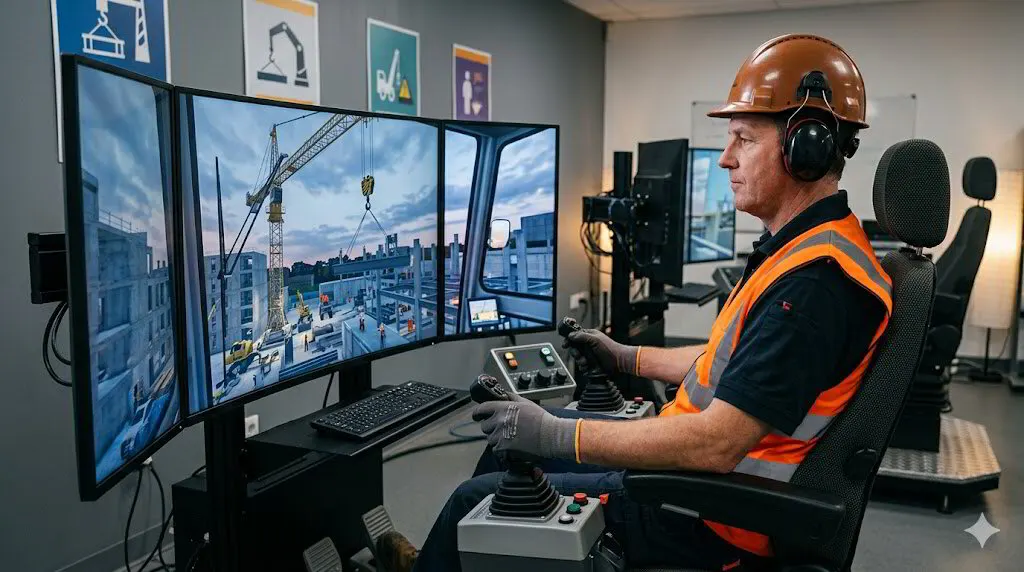 How Crane Simulators Enhance Operator Skills for Safer Construction PracticesAs the construction industry increasingly embraces technology, crane operator training has evolved significantly,…
-
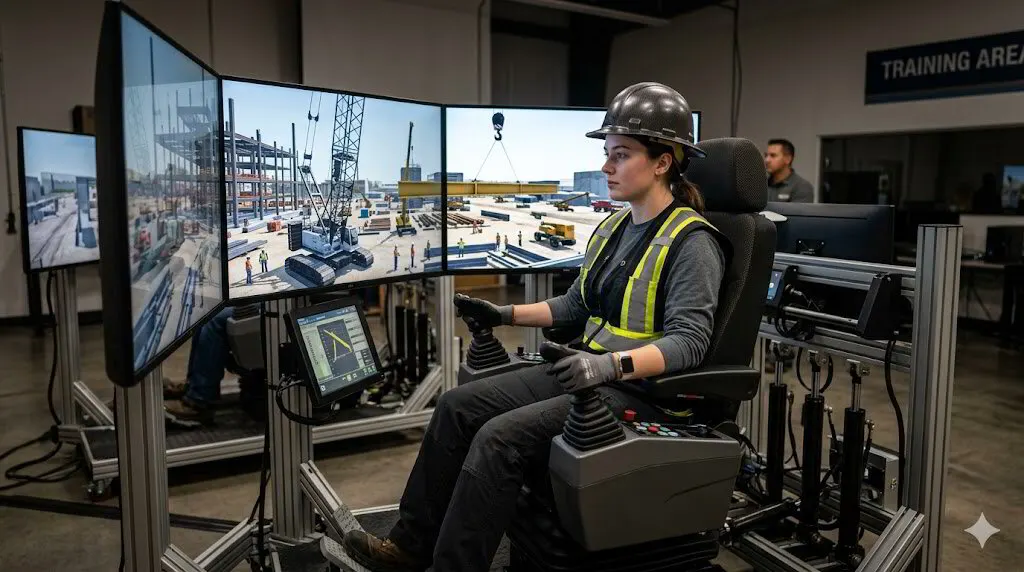 Unlocking Efficiency: The Benefits of Crane Simulator Training for Aspiring OperatorsCrane simulator training is revolutionizing the skill development of aspiring crane operators, offering a safe and…