
Crane operator training in Houston is more than just a certification—it's a gateway to a lucrative and exciting career in one of the fastest-growing job markets in the construction industry. Did you know that as the city continues to expand with new commercial and residential projects, the demand for skilled crane operators is skyrocketing? This booming industry not only offers numerous job opportunities but also emphasizes safety and innovation, making it essential for aspiring operators to receive comprehensive training. Whether you're looking to enter the workforce or seeking to enhance your skills, understanding the ins and outs of crane operator training in Houston will equip you for success in this dynamic field.
Understanding the Importance of Crane Operator Training in Houston
Crane operator training in Houston is not just a compliance requirement—it's a necessity for anyone looking to establish a successful career in the construction and heavy machinery industries. The role of a crane operator is critical, as it directly impacts the safety and efficiency of construction projects.
Safety and Compliance Requirements
In Houston, and across the United States, there are stringent safety regulations that govern crane operations. The National Commission for the Certification of Crane Operators (NCCCO)
sets forth guidelines that ensure crane operators are well-trained and competent in their responsibilities. Adhering to these regulations is essential for:
- Reducing workplace accidents
- Ensuring compliance with OSHA regulations
- Protecting workers and the public
Impact on Job Performance and Employability
Investing in comprehensive crane operator training significantly enhances job performance.
Well-trained operators can anticipate challenges, make informed decisions, and operate machinery efficiently. This not only boosts productivity but also improves your employability in a competitive job market. Employers look for candidates with valid certifications and recognized training, making crane operator training a valuable asset on your resume.
Types of Crane Operator Training Available
In Houston, various training programs are offered to cater to different needs. Understanding the types of training available can help you choose the right course for your goals.
- NCCCO Certification Courses: These are essential for becoming a certified crane operator.
- Specialized Training Programs: Facilities like Miller Crane Works offer unique courses, including tower crane training.
- Continuing Education: Refresher courses ensure that operators stay updated on the latest techniques and safety standards.
For more information on industry standards and training resources, visit the NCCCO's official website here.
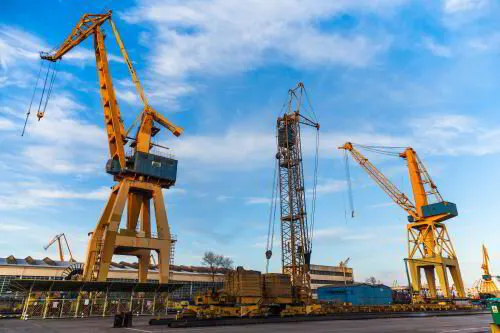
Choosing the Right Training Facility in Houston
Selecting a reputable crane operator training facility is critical to your success. Here are key factors to consider:
- Certification: Ensure that the facility is accredited to provide NCCCO courses.
- Experience: Look for instructors with real-world experience in crane operations.
- Curriculum: A comprehensive curriculum covering all necessary aspects of crane operation is vital.
- Industry Reputation: Research reviews and testimonials from past students to gauge the facility's standing.
By choosing the right training program, you'll be well on your way to becoming a certified crane operator in Houston and advancing your career in the construction industry.
Benefits of Completing Crane Operator Training in Houston
Engaging in crane operator training in Houston offers numerous benefits that extend beyond simply acquiring a certification. These advantages can significantly impact your career trajectory and overall job satisfaction.
Enhanced Skills and Knowledge
One of the primary benefits of undergoing crane operator training is the enhancement of your operational skills and technical knowledge. Participants learn about:
- Equipment Familiarization: Understanding different types of cranes and their operational capabilities.
- Safety Protocols: Mastering safety practices to minimize accidents and injuries on the job.
Technical Skills: Gaining hands-on experience in crane operation, rigging, and load management.
Increased Safety Awareness
Safety is paramount in crane operations. Training programs focus heavily on risk assessment and safety measures, helping aspiring operators to develop a culture of safety in their workplaces. Key points include:
- Recognizing Hazards: Learning to identify potential risks in the work environment.
- Implementing Safety Measures: Understanding how to apply safety protocols and emergency procedures.
- Legal Compliance: Staying updated on local and national safety regulations, including
- OSHA standards.
Better Job Opportunities in the Region
Completing crane operator training in Houston not only certifies your skills but also enhances your employability. Employers are actively seeking certified crane operators due to:
- High Demand: The construction industry is booming in Texas, creating a growing need for qualified operators.
- Competitive Edge: Certification distinguishes candidates in a crowded job market.
- Career Advancement: Certified operators often have better chances for promotions and higher salaries.
For further insights into the crane operation job market and resources, check out the Bureau of Labor Statistics here.
By completing crane operator training, you position yourself for a rewarding career with ample opportunities in Houston's expanding construction landscape.
The Training Process: What to Expect
When you enroll in crane operator training in Houston, understanding the training process can help you prepare for what lies ahead. This process typically consists of three key components: classroom instruction, hands-on training, and assessment.
Classroom Instruction
The initial phase of crane operator training involves classroom-based learning where participants gain foundational knowledge. Important elements covered include:
- Theory of Crane Operations: Understanding the mechanics and physics behind crane operations.
- Safety Regulations: Detailed insights into OSHA requirements and industry standards.
- Operational Procedures: Learning about pre-operation inspections and operational controls of various crane types.
This educational segment is crucial for preparing students to handle real-world scenarios effectively.
Hands-On Training Experience
Following classroom instruction, participants engage in hands-on training. This component allows students to apply their theoretical knowledge in practical settings. Key features include:
- Equipment Familiarization: Operating different types of cranes under supervision to gain competence.
- Simulations: Utilizing simulators for complex maneuvers to build confidence before working with actual equipment.
- Rigging Practices: Learning the best practices for rigging loads safely and efficiently.
This hands-on experience is vital for developing muscle memory and ensuring that students can perform their duties accurately and safely.
Assessment and Certification
The final step in the crane operator training process includes assessments to evaluate participants' understanding and operational skills. This phase typically features:
- Written Exams: Testing knowledge acquired during classroom instruction.
- Practical Skills Assessment: Demonstrating crane operation skills in real-world scenarios.
- Certification: Upon successful completion, participants receive their NCCCO certification, validating their qualifications as crane operators.
By understanding these stages, you can better prepare for your crane operator training in Houston, ensuring a smooth transition from training to a rewarding career in the crane operation field. For more information on certification requirements, visit the NCCCO website here.
Choosing the Right Training Facility in Houston
Selecting the right facility for crane operator training in Houston is critical for your career development. With various options available, knowing what to look for can help ensure you receive quality education and training.
Factors to Consider
When evaluating potential training facilities, consider the following important factors:
- Accreditation: Ensure the facility is accredited to provide NCCCO certification courses, which are recognized industry-wide.
- Instructor Experience: Check the credentials and industry experience of instructors. Experienced trainers can provide valuable insights and real-world scenarios.
- Curriculum Quality: Review the curriculum offerings to ensure they cover essential aspects of crane operations, including safety protocols and hands-on training.
- Student-to-Instructor Ratio: A lower ratio can provide more personalized instruction and support throughout the training process.
- Facility Features: Inspect the training facility’s equipment and environment to assess whether they are up-to-date and conducive to learning.
Reputation and Reviews
Researching a facility’s reputation is equally important. Look for:
- Online Reviews: Browse testimonials on websites and social media platforms to gauge past students’ experiences.
- Word of Mouth: Ask industry professionals or colleagues for recommendations based on their experiences with local training centers.
- Graduation and Placement Rates: Inquire about the success rates of previous students, which can indicate the effectiveness of the training program.
By conducting thorough research and considering these factors, you can make an informed decision about which crane operator training facility in Houston will best meet your needs. Many training facilities, such as Miller Crane Works, offer comprehensive programs that prepare you for a successful career in crane operation, ensuring you are equipped with the skills needed in today's competitive job market.
For more information on evaluating training programs, you can refer to the American Society of Safety Professionals here.

Frequently Asked Questions about Crane Operator Training
As you consider enrolling in crane operator training in Houston, you may have a variety of questions. Below are some common inquiries that prospective students often have regarding the training process, costs, and certification.
How Long Does the Training Take?
The duration of crane operator training programs in Houston can vary based on several factors:
- Program Type: NCCCO certification courses typically require several weeks of instruction, while specialized programs may take less or more time.
- Class Structure: Programs that offer intensive, full-time training may be completed more quickly than those with part-time schedules.
Most training courses range between 4 to 12 weeks, including both classroom instruction and hands-on practice.
What Are the Costs Associated with Training?
Investing in crane operator training involves several costs, which may include:
- Tuition Fees: These vary widely depending on the facility and the comprehensiveness of the program.
- Materials and Equipment: Some programs may require additional fees for textbooks and safety gear.
- Certification Fees: NCCCO certification often requires payment for exams and processing fees.Pay is set by the employer. This school does not state or promise wages. It's advisable to contact local training facilities for specific pricing and potential financial aid options.
Is Financial Aid Available for Training Programs?
Many training facilities in Houston offer financial aid or flexible payment options to support candidates. Consider the following:
- Scholarships: Some organizations may provide scholarships for training, especially for veterans and active military members.
- Payment Plans: Many facilities offer structured payment plans that allow students to pay in installments.
- Workforce Development Programs: Check state and local workforce development programs that may assist with funding training for in-demand fields.
Conclusion
Choosing to undergo crane operator training in Houston is a significant step toward a rewarding career in the construction industry. By addressing these frequently asked questions, you can make informed decisions about where to train and what to expect. For additional resources, the NCCCO provides comprehensive information on certifications and industry standards on their official website here.
Conclusion: Taking the Next Steps in Your Crane Operator Training Journey Completing crane operator training in Houston is a vital step toward advancing your career in the construction industry. With the increasing demand for skilled operators, investing in your training not only enhances your expertise but also positions you for greater job opportunities.
Key Takeaways
As you contemplate your next steps, keep these essential points in mind:
- Certification Matters: Obtaining NCCCO certification is crucial for career advancement and compliance with industry regulations.
- Hands-On Experience: Choose a training program that emphasizes hands-on experience, as it is essential for developing operational skills.
- Research Facilities: Spend time researching various training facilities to find one that meets your needs and offers comprehensive training.
Next Steps to Consider
To embark on your crane operator training journey, consider the following actions:
- Research Local Facilities: Look for training centers in Houston that offer NCCCO certification and specialized courses.
- Schedule a Tour: Visit potential training facilities to observe their equipment and speak to instructors about the curriculum.
- Prepare for Enrollment: Gather necessary documents, financial resources, and identify your preferred training schedule.
By taking these steps, you can ensure you are well-prepared to enter the world of crane operations confidently and competently. As you move forward, remember that the skills and knowledge gained from crane operator training in Houston will not only enhance your career prospects but also contribute to safer, more efficient construction practices.
For more information on career development and training resources, consider visiting the Associated General Contractors of America here.

Understanding the Job Market for Crane Operators in Houston
The job market for crane operators in Houston is robust and continually evolving, driven by the city's rapid expansion in construction and infrastructure projects. Understanding the demand for skilled crane operators can help you make informed decisions about pursuing crane operator training in Houston.
Current Demand for Crane Operators
Houston is experiencing a construction boom, with a variety of projects underway, including:
- Commercial and Residential Developments: New buildings, housing complexes, and mixed-use spaces are on the rise.
- Infrastructure Upgrades: Ongoing improvements to highways, bridges, and public transportation systems are essential for the region's growth.
- Industrial Projects: The oil and gas sector requires skilled operators for the construction of refineries, pipelines, and industrial facilities.
This surge in construction activity creates a strong demand for certified crane operators.
Salary Expectations and Career Advancement
The earning potential for crane operators in Houston is substantial. Key factors influencing salaries include:
- Experience Level: Entry-level operators may start at a lower wage, while experienced, certified operators can earn significantly more.
- Certification Type: Specialized certifications, such as those for tower or mobile cranes, can lead to higher-paying positions.
- Industry Sector: Operators in sectors with high safety standards, like oil and gas, often receive better compensation due to the demanding nature of the work.Pay is set by the employer. This school does not state or promise wages.
Future Outlook for Crane Operators
The future outlook for crane operators in Houston appears promising, as construction demand is expected to remain strong. Essential aspects to consider include:
- Technological Advances: Staying updated on new technologies and equipment can enhance your employability and skills.
- Continued Education: Participating in refresher courses and specialized training can lead to career advancement opportunities.
- Networking Opportunities: Engaging with industry professionals through seminars and workshops can provide valuable connections and job leads.
By understanding the job market dynamics and the importance of crane operator training in Houston, you can better position yourself for a successful and rewarding career. For further insights into career opportunities in construction, visit the Bureau of Labor Statistics here.
What is the typical duration of crane operator training in Houston?
The duration of crane operator training in Houston varies depending on the program and the type of certification being pursued. Generally, courses can last anywhere from 4 to 12 weeks, which includes both classroom instruction and hands-on training. Some programs use a set class schedule, so participants know how long the course will take.
What certifications are available after completing the training?
Upon successful completion of crane operator training in Houston, participants can obtain various certifications, most notably the National Commission for the Certification of Crane Operators (NCCCO) certification. This certification is widely recognized in the industry and may cover multiple crane types, allowing operators to work with different equipment based on their training and skills.
How much does crane operator training cost?
The cost of crane operator training in Houston can vary significantly depending on the training facility and the type of program.Pay is set by the employer. This school does not state or promise wages. It's advisable to inquire about specific costs from training centers to better understand their pricing structures.
Is financial aid available for crane operator training programs?
Many training facilities in Houston offer financial aid options to help alleviate the costs associated with crane operator training. This can include scholarships for eligible students, payment plans that allow for installment payments, and financial assistance programs through local workforce development agencies. Prospective students should inquire about these options when researching different training facilities.
What are the job prospects for crane operators in Houston?
The job prospects for crane operators in Houston are promising due to the city's vibrant construction market. With ongoing commercial, residential, and infrastructure projects, skilled and certified crane operators are in high demand. Operators with specialized training and certifications can expect better job opportunities and competitive salaries, making it an attractive career choice in the region.
-
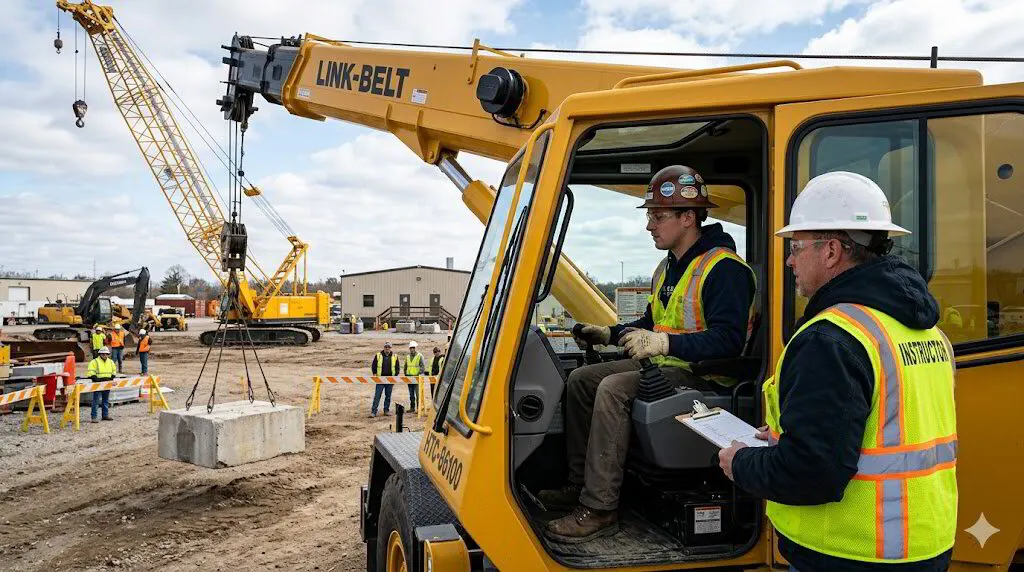 The Ultimate Guide to Crane Operator Field Training Programs: Certification & Career SuccessIn the ever-evolving construction industry, the need for certified crane operators is paramount, making effective…
-
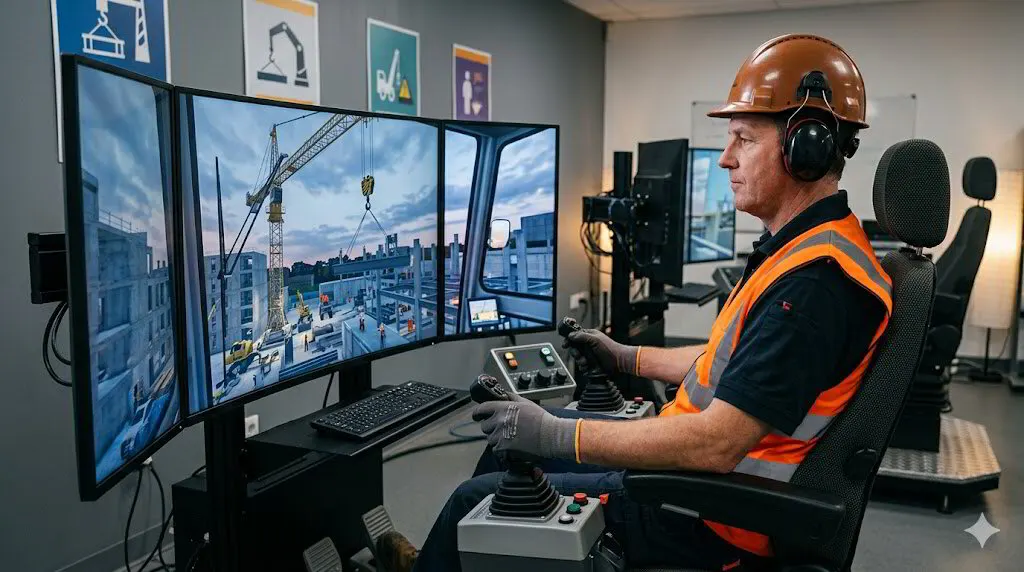 How Crane Simulators Enhance Operator Skills for Safer Construction PracticesAs the construction industry increasingly embraces technology, crane operator training has evolved significantly,…
-
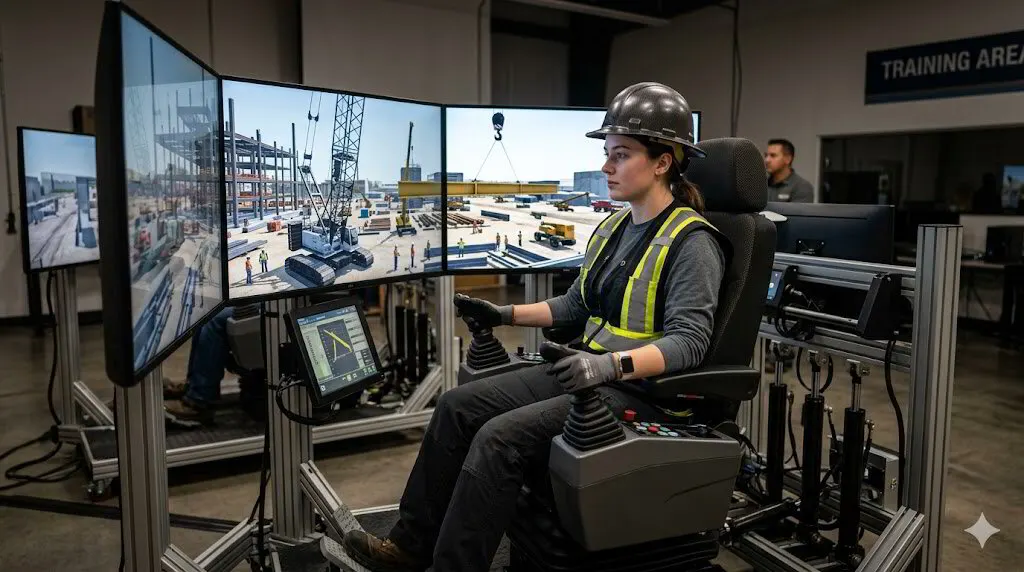 Unlocking Efficiency: The Benefits of Crane Simulator Training for Aspiring OperatorsCrane simulator training is revolutionizing the skill development of aspiring crane operators, offering a safe and…