
Mobile crane operation stands as one of the most critical and highly regulated professions in the construction industry. The complexity and inherent risks associated with operating heavy lifting equipment demand rigorous training and certification standards to ensure workplace safety and operational excellence.
Professional certification in mobile crane operation serves multiple purposes beyond regulatory compliance. It demonstrates competency to employers, enhances career advancement opportunities, and significantly reduces liability risks for both operators and construction companies. Industries ranging from commercial construction and infrastructure development to oil and gas operations rely heavily on certified crane operators to execute complex lifting operations safely and efficiently.
The National Commission for the Certification of Crane Operators (NCCCO) has established itself as the gold standard for crane operator certification in North America. NCCCO certification provides comprehensive validation of an operator's knowledge and practical skills, covering theoretical understanding of load dynamics, safety protocols, and hands-on operational competency. This certification system ensures that mobile crane operators possess the expertise necessary to handle sophisticated equipment while maintaining the highest safety standards in dynamic construction environments.
Understanding mobile crane operation certification requirements represents the first crucial step toward building a successful career in this specialized field, opening doors to lucrative opportunities across diverse industrial sectors.
Understanding the Certification Process
The mobile crane operation certification process follows a structured pathway designed to evaluate both theoretical knowledge and practical application skills. Prospective operators must navigate several distinct phases, each building upon previous learning to create comprehensive competency in crane operation fundamentals.
Prerequisites for obtaining certification typically include a minimum age requirement of 18 years, basic literacy and numeracy skills, and the ability to understand and follow complex safety instructions. Many certification programs also require candidates to demonstrate physical fitness adequate for operating heavy machinery and working at elevated heights. Some employers may mandate additional requirements such as a clean driving record or successful completion of drug and alcohol screening procedures.
Preparation for certification exams requires dedicated study of crane operation principles, load calculation methods, safety regulations, and equipment-specific operational procedures.
Candidates should allocate approximately 40-80 hours of study time, depending on their existing mechanical knowledge and experience with construction equipment. Effective preparation strategies include reviewing NCCCO candidate handbooks, attending preparatory courses, and participating in practice sessions with experienced operators.
The certification timeline typically spans 4-8 weeks from initial enrollment to final certification, though this can vary based on training schedule availability and individual learning pace. The process includes written examinations covering theoretical knowledge, followed by practical assessments demonstrating operational competency on actual crane equipment. Candidates must achieve passing scores on both components to receive full certification, with opportunities for retesting available for those who initially fall short of requirements.
Mobile Crane Operation Certification Requirements
Mobile crane operation certification requirements encompass several fundamental criteria designed to ensure operator competency and workplace safety. Age requirements universally mandate that candidates be at least 18 years old, reflecting the serious responsibility and potential liability associated with crane operation. While formal education requirements are typically minimal, candidates must demonstrate sufficient literacy to comprehend technical manuals, safety procedures, and regulatory documentation.
Training program participation represents the most substantial requirement for certification eligibility. Comprehensive crane operation training encompasses theoretical instruction covering load dynamics, rigging principles, safety protocols, and equipment maintenance procedures. Practical training components focus on hands-on operation of various mobile crane configurations, including telescopic boom cranes, lattice boom cranes, and specialized lifting equipment. Training duration typically ranges from 40-120 hours, depending on the specific certification level and equipment types covered.
Physical and medical requirements ensure that operators can safely perform demanding job functions. Vision standards mandate adequate visual acuity for precise equipment operation and load positioning, while hearing requirements ensure operators can effectively communicate with ground personnel and respond to audible warning signals. Physical fitness assessments may include evaluation of manual dexterity, coordination, and the ability to work at heights or in confined spaces.
Additional requirements often include successful completion of background checks, particularly for operators working on government projects or sensitive industrial sites. Some certification programs also mandate completion of first aid training or occupational safety courses to enhance overall workplace safety competency.
Types of Mobile Crane Certifications Available
The mobile crane certification landscape offers several distinct pathways, each tailored to specific equipment types and operational requirements. Understanding these differences enables prospective operators to select certification programs aligned with their career objectives and target employment sectors.
NCCCO certification represents the most widely recognized and respected credential in the crane operation industry. Each certification requires separate examination and demonstration of equipment-specific competencies, allowing operators to specialize in particular crane types while maintaining flexibility for career advancement.
Alternative certification organizations include the International Association of Operating Engineers (IUOE) and various state-specific programs. While these certifications may satisfy certain employment requirements, NCCCO certification generally provides broader recognition and acceptance across different geographic regions and industry sectors. Some employers specifically mandate NCCCO certification for their crane operators, making this credential particularly valuable for career advancement.
Specialized certifications extend beyond basic crane operation to include rigging certification and signal-person certification. Rigging certification validates expertise in load preparation, sling selection, and lifting hardware configuration. Signal-person certification ensures competency in crane operation communication protocols and load guidance procedures. Many construction projects require crane operators to hold multiple certifications, creating additional career opportunities for comprehensively trained professionals.
Choosing the appropriate certification pathway depends on specific career goals, target employment sectors, and regional industry preferences. Consulting with potential employers and industry professionals can provide valuable guidance for certification selection decisions.
Recertification and Continuing Education
Recertification serves as a cornerstone of professional crane operation, ensuring that certified operators maintain current knowledge of evolving safety standards, technological advances, and regulatory requirements. The dynamic nature of construction technology and safety protocols necessitates regular updates to operator competency through structured continuing education programs.
NCCCO certification requires recertification every five years, maintaining the credential's validity and demonstrating ongoing professional commitment. The recertification process typically involves completing continuing education credits, passing updated examinations, or demonstrating continued operational competency through employer verification. This timeline ensures that operators remain current with industry best practices while allowing sufficient time for practical experience development between recertification cycles.
Continuing education for crane operators encompasses various learning opportunities designed to enhance professional competency and career advancement potential.
Options include manufacturer-specific training programs covering new equipment technologies, advanced rigging techniques workshops, and specialized courses addressing unique lifting challenges in specific industry sectors. Many operators pursue additional certifications during their recertification period, expanding their qualifications and employment opportunities.
Professional development opportunities extend beyond mandatory recertification requirements to include leadership training, project management courses, and safety instructor certification programs. These additional qualifications position experienced operators for advancement into supervisory roles, training positions, or specialized consulting opportunities within the construction industry.
Maintaining active certification status requires proactive engagement with continuing education opportunities and careful tracking of recertification deadlines. Many successful operators develop long-term professional development plans that align continuing education activities with their career advancement objectives and emerging industry trends.
Practical Training and Equipment Practice Time
Hands-on experience forms the foundation of competent crane operation, bridging the gap between theoretical knowledge and real-world operational expertise. Practical training sessions provide essential opportunities for aspiring operators to develop muscle memory, spatial awareness, and the intuitive understanding of equipment behavior that characterizes skilled professionals.
Comprehensive practical training encompasses multiple crane configurations and operational scenarios. Telescopic boom mobile cranes offer versatility for general construction applications, while lattice boom cranes provide specialized capabilities for heavy lifting operations. Training programs should include experience with various boom lengths, counterweight configurations, and attachment options to prepare operators for diverse job site requirements. Additionally, exposure to different manufacturer models ensures adaptability across equipment brands commonly encountered in professional practice.
Equipment practice time allows operators to develop proficiency in critical operational skills including load estimation, rigging inspection, precise load positioning, and emergency response procedures. Structured practice sessions typically progress from basic equipment familiarization through increasingly complex lifting scenarios, culminating in comprehensive operational assessments that simulate real-world job site conditions.
The integration of practical training with certification preparation enhances learning effectiveness and retention. Hands-on experience reinforces theoretical concepts while revealing practical applications that pure classroom instruction cannot adequately convey. This comprehensive approach ensures that newly certified operators possess both the knowledge and practical skills necessary for safe and efficient job performance.
Quality practical training programs provide access to well-maintained equipment, experienced instructional staff, and realistic training environments that mirror actual construction job sites, maximizing the educational value of hands-on learning experiences.
Conclusion and Next Steps
Mobile crane operation certification requirements represent a comprehensive framework designed to ensure operator competency, workplace safety, and professional excellence in the construction industry. The certification process encompasses theoretical knowledge validation, practical skill demonstration, and ongoing professional development through recertification and continuing education programs.
Success in mobile crane operation begins with selecting appropriate certification pathways aligned with career objectives and industry requirements. NCCCO certification provides the most widely recognized credential, while specialized certifications in rigging and signal-person operations enhance employment opportunities and professional versatility. The investment in comprehensive training and certification pays dividends through enhanced career prospects, increased earning potential, and professional recognition within the construction industry.
The path forward requires commitment to excellence in both initial certification achievement and ongoing professional development. Prospective operators should research training programs thoroughly, ensuring access to quality instruction, modern equipment, and comprehensive practical training opportunities that prepare them for real-world operational challenges.
Ready to advance your career in mobile crane operation? Miller Crane Works offers comprehensive training programs covering all aspects of mobile crane operation certification requirements, including NCCCO certification preparation, hands-on practical training, and continuing education opportunities. Visit https://millercraneworks.com/ to explore our training schedule and take the first step toward professional certification in mobile crane operation.
-
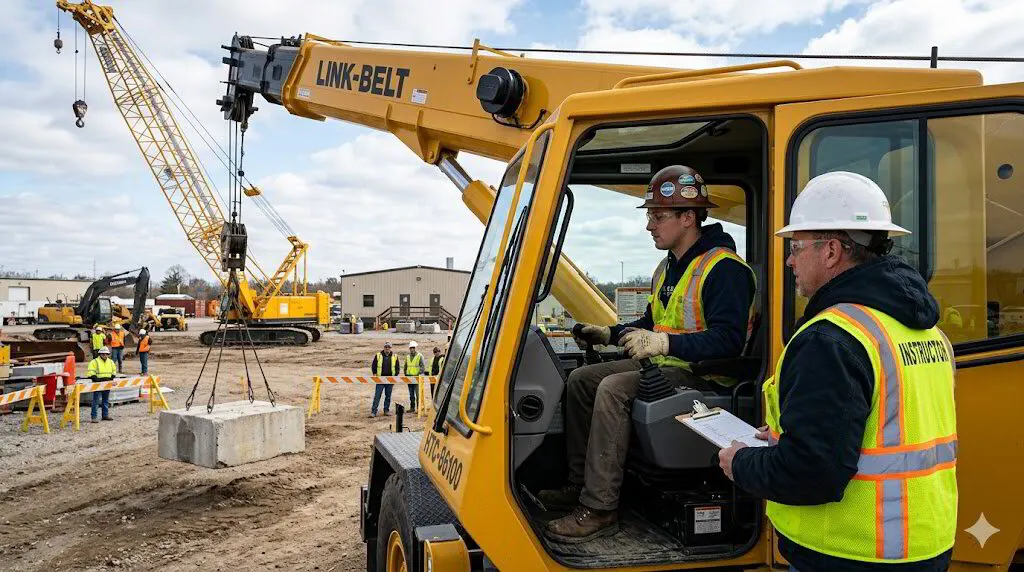 The Ultimate Guide to Crane Operator Field Training Programs: Certification & Career SuccessIn the ever-evolving construction industry, the need for certified crane operators is paramount, making effective…
-
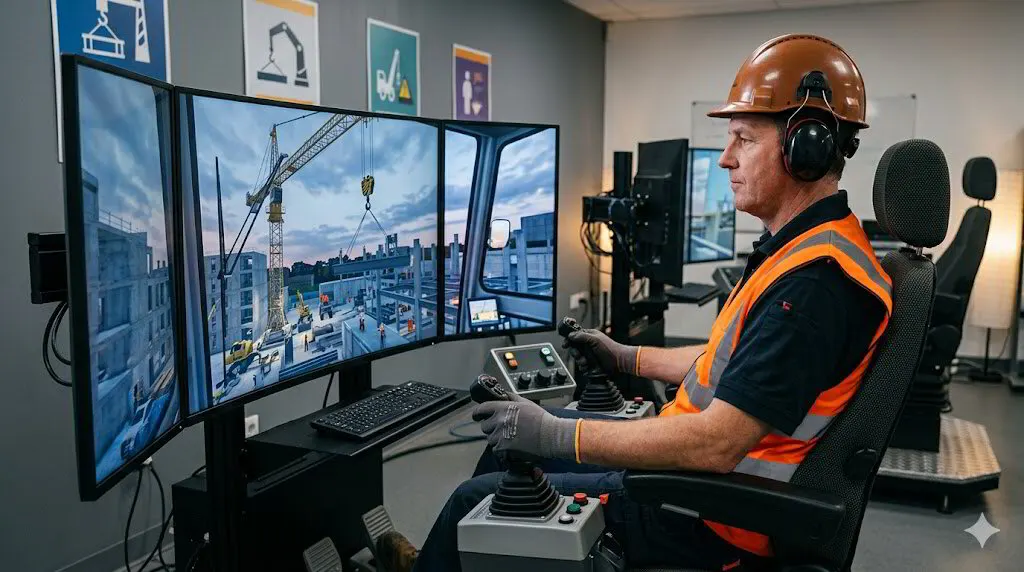 How Crane Simulators Enhance Operator Skills for Safer Construction PracticesAs the construction industry increasingly embraces technology, crane operator training has evolved significantly,…
-
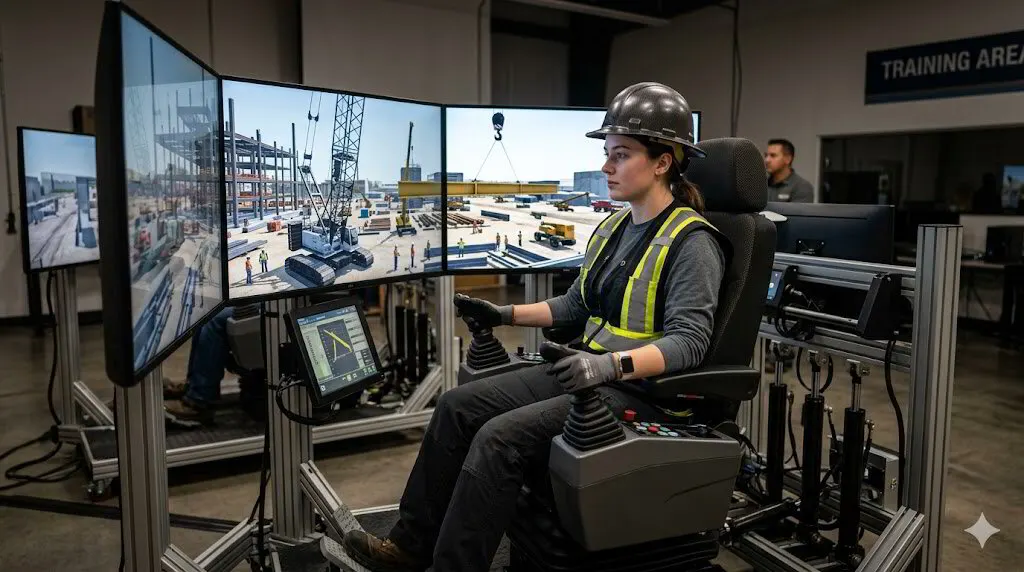 Unlocking Efficiency: The Benefits of Crane Simulator Training for Aspiring OperatorsCrane simulator training is revolutionizing the skill development of aspiring crane operators, offering a safe and…