
Mobile crane operator certification is not just a credential; it's a vital necessity in an industry where safety and precision are paramount. Did you know that, according to the Occupational Safety and Health Administration (OSHA), crane accidents account for approximately 22% of fatalities in the construction industry? This staggering statistic highlights the critical role that certified operators play in mitigating risks and ensuring safety on job sites. As the demand for skilled crane operators continues to rise, understanding the intricacies of obtaining certification becomes essential. In this essential guide, we will delve into everything you need to know about mobile crane operator certification, from the training requirements to the benefits and beyond.
Whether you're just starting your career or looking to enhance your qualifications, this guide serves as your roadmap to success in the field of crane operations.
Overview of Mobile Crane Operator Certification
Mobile crane operator certification is vital for professionals looking to build a successful career in the heavy equipment industry. This certification not only demonstrates a mastery of crane operations but also ensures that operators understand safety protocols and regulations, minimizing the risk of accidents on job sites. Below, we explore the importance of certification and its benefits.
Importance of Certification in the Crane Industry
The crane industry is inherently high-risk, and certified operators play a crucial role in maintaining safety standards. Certification serves multiple purposes:
- Regulatory Compliance: Certification is often mandated by state and federal regulations, ensuring that crane operators meet industry standards.
- Risk Mitigation: A certified operator is trained to recognize and manage risks, leading to safer job sites.
- Job Opportunities: Many employers prefer or require certification, significantly increasing employment prospects for certified operators.
Benefits of Being a Certified Mobile Crane Operator
Obtaining your mobile crane operator certification can open doors to numerous career advancement opportunities. Some of the key benefits include:
- Increased Earning Potential: Certified operators typically earn higher wages compared to non-certified counterparts.
- Enhanced Skillset: Certification courses cover a broad range of topics, including safety practices, equipment maintenance, and load management.
- Professional Recognition: Holding a certification sets you apart in the job market, showcasing your commitment to professionalism and safety.
With a comprehensive understanding of the importance of mobile crane operator certification, aspiring operators are well on their way to ensuring their careers are built on a solid foundation of safety and competence. For more resources on crane safety and certification, check out the National Commission for the Certification of Crane Operators (NCCCO) website.
Understanding Mobile Cranes
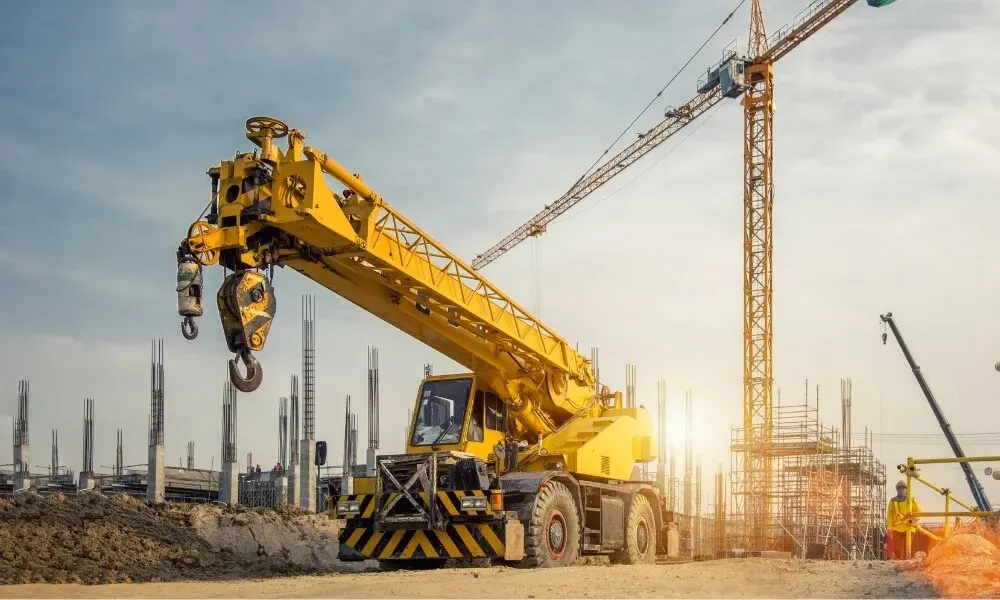
Mobile cranes are versatile equipment used in various construction and industrial applications.
To become a certified mobile crane operator, it's essential to understand the different types of mobile cranes as well as their components.
Types of Mobile Cranes
Mobile cranes come in various forms, each designed for specific tasks. Here are some common types:
- Truck-mounted Cranes: These cranes are mounted on a truck chassis for mobility. They are ideal for highway transportation and construction work.
- Crawler Cranes: Equipped with tracks instead of wheels, crawler cranes provide enhanced stability and are ideal for rough terrain.
- Rough Terrain Cranes: Designed specifically for off-road conditions, these cranes have large, rubber tires and can navigate uneven surfaces.
- Slewing Cranes: This type features a rotating platform and is often used for heavy lifting in confined spaces.
Key Components of Mobile Cranes
Understanding the key components of mobile cranes is critical for safe operation. Here are some essential elements:
- Boom: The long arm that extends to lift and move loads.
- Counterweights: These provide stability by balancing the load being lifted.
- Cab: The enclosed space where the operator controls the crane.
- Outriggers: Extendable supports that stabilize the crane during operation.
Having a solid understanding of the types and components of mobile cranes is a crucial first step in pursuing your mobile crane operator certification. This knowledge ensures that operators are well-prepared for both training and real-world scenarios. For further insights on crane operations, visit the American Crane & Tractor Parts website.
Certification Requirements
To obtain your mobile crane operator certification, you must meet specific eligibility criteria and complete necessary training. Understanding these requirements is vital for aspiring operators.
Eligibility Criteria for Certification
Before enrolling in a mobile crane operator certification program, candidates should ensure they meet the following basic requirements:
- Age: Typically, you must be at least 18 years old.
- Physical Fitness: Operators must pass a medical examination to ensure they are physically capable of operating heavy machinery.
- Background Check: Some companies and certification bodies may require a clean driving record or criminal background check.
Necessary Training and Experience
The road to becoming a certified mobile crane operator involves both formal training and hands-on experience. Consider the following:
- Formal Training: Enroll in an accredited training program that covers safety protocols, operational techniques, and technical knowledge about cranes.
- Hands-On Experience: Gain practical experience under the supervision of a certified operator. Many programs require a set number of hours operating a crane before applying for certification.
- Study for the Exam: Invest time in studying for the certification exam, which typically encompasses both written and practical components.
Meeting these certification requirements is crucial for ensuring professionalism and safety within the industry. By understanding what is needed to obtain mobile crane operator certification, yo u can better prepare yourself for a successful and fulfilling career in crane operations. For more detailed information on certification requirements, visit the Occupational Safety and Health Administration (OSHA) website.

The Certification Process
The process of obtaining your mobile crane operator certification involves several crucial steps, from training through to examination. Understanding this journey is essential for ensuring that you are well-prepared at each stage.
Steps to Obtain Mobile Crane Operator Certification
Here’s a streamlined approach to navigating the certification process:
1. Choose a Certified Training Program:
Select an accredited program that offers comprehensive training tailored to mobile crane operations. Look for programs with a good reputation and qualified instructors.
2. Complete Training Requirements:
Participate in both classroom and hands-on training sessions. Key topics usually include:
○ Safety regulations ○ Load calculations ○ Rigging techniques and signals 3. Gain Practical Experience:
Work under a certified operator to accumulate the necessary hours of operational experience. This step is essential for practical understanding and confidence behind the controls.
4. Prepare for the Examination:
Make use of study materials, practice tests, and review courses to prepare for the certification exam, which often includes both written and practical assessments.
5. Pass the Certification Exam:
Successfully complete the examination to demonstrate proficiency in mobile crane operations.
Overview of the Examination Process The certification examination typically consists of two parts:
- Written Exam: Tests your knowledge of safety, regulations, and technical information related to crane operation.
- Practical Exam: Assesses your ability to operate a mobile crane safely and efficiently in a real-world scenario.
Understanding the certification process for mobile crane operator certification not only equips you with the knowledge necessary to succeed but also enhances your employability in this competitive field. For more information about certification standards and training programs, check the National Commission for the Certification of Crane Operators (NCCCO) website.
Courses Available for Mobile Crane Operator Certification
Selecting the right training course is one of the most critical steps in obtaining your mobile crane operator certification. Various options are available, each catering to different learning preferences and schedules.
Types of Training Programs Offered
When it comes to mobile crane operator certification, training programs can be categorized into several types:
- Classroom Training:
In this format, participants learn about safety regulations, operational techniques, and technical aspects of crane operation through lectures and discussions.
- Hands-On Training:
This type focuses on practical skills, allowing students to operate cranes under supervision. It often takes place in controlled environments to simulate real-world conditions.
- Hybrid Training:
Combining classroom and hands-on training, hybrid programs provide a well-rounded educational experience, allowing for flexibility in learning.
- Online Courses:
While less common for hands-on skills, some foundational theoretical knowledge can be learned through online platforms, making it accessible for those with scheduling constraints.
In-Person vs. Online Training Options
While online courses can offer convenience, in-person training is often recommended for mobile crane operator certification due to the complexity and risks associated with crane operations. Consider the following:
- In-person Benefits:
○ Direct supervision from experienced instructors.
○ Immediate feedback and personalized instruction.
○ Opportunities for networking and group learning.
- Online Benefits:
○ Flexibility in scheduling.
○ Accessibility from any location.
While both options have their advantages, the depth of learning and practical application offered in in-person training is crucial for mastering mobile crane operation. For a comprehensive list of accredited training providers, check out the Crane Institute of America website, which offers various courses tailored to mobile crane operation.

Duration and Cost of Certification Courses
Understanding the duration and cost of mobile crane operator certification courses is essential for planning your journey toward certification. These factors can vary significantly based on the type of program and training institution.
Typical Timeframes for Certification Courses
The time it takes to complete a certification course can vary based on the format and intensity of the program:
- Intensive Training Programs:
○ Duration: 1 to 2 weeks of full-time training.
○ Ideal for individuals looking to quickly acquire certification.
- Part-Time Courses:
○ Duration: 4 to 8 weeks, depending on the weekly schedule.
○ Suitable for those who may have job commitments or other obligations.
- Self-Paced Online Courses:
○ Flexible timeline based on individual progress.
○ Useful for learners who prefer more control over their study pace.
Breakdown of Costs Involved
Understanding the financial commitment involved in mobile crane operator certification is also crucial.Pay is set by the employer. This school does not state or promise wages.
- Additional Materials:
○ Manuals, textbooks, and safety gear can add $300 to $800 to the overall cost.
- Examination Fees:
○ Written and practical examination fees range from $300 to $600, often not included in the training tuition.
- Renewal Costs:
○ Ongoing education and certification renewal costs should also be considered, generally ranging from $200 to $500 every few years.
By evaluating the duration and costs associated with mobile crane operator certification, prospective operators can make informed decisions about their training investments. For further insights into training costs and options, visit the United States Department of Labor website for resources that outline funding opportunities and financial assistance for vocational training.
Maintaining Your Certification
Once you achieve your mobile crane operator certification, understanding how to maintain it is essential for a successful career in the field. Certification isn’t just a one-time achievement; it requires ongoing commitment to safety and skill enhancement.
Continuing Education Requirements
To keep your mobile crane operator certification valid, most governing bodies and employers require continued education and training. Key elements include:
- Periodic Training:
○ Some organizations mandate refresher courses every 3 to 5 years to ensure operators stay updated on new technologies and regulations.
- Safety Seminars and Workshops:
○ Participation in relevant safety training sessions helps reinforce best practices and emerging trends in crane operation.
- Online Courses:
○ Many institutions offer online courses that can be completed at your convenience, making it easier to fulfill continuing education requirements.
Renewal Process Explained
The renewal process for mobile crane operator certification generally involves the following steps:
1. Review Training Requirements:
○ Check with your certifying organization for specific renewal criteria, including any required training hours.
2. Submit Required Documentation:
○ Prepare and submit any necessary paperwork, including proof of completed continuing education courses.
3. Pay Renewal Fees:
○ Be prepared to pay a renewal fee, which usually falls between $200 and $500 depending on the certifying body.
4. Take the Renewal Exam (if required):
○ Some organizations may require you to pass a renewal exam as part of the certification maintenance process.
Maintaining your mobile crane operator certification not only ensures compliance with regulations but also enhances your skills and value in the industry. Staying prepared and engaged in continued learning will help you remain a safe and competent operator. For more information on certification maintenance and updates, visit the National Commission for the Certification of Crane Operators (NCCCO) website.
Common Challenges in Certification
Navigating the path to mobile crane operator certification can present various challenges for aspiring operators. Recognizing and understanding these obstacles can help you prepare better and increase your chances of success.
Overcoming Exam Anxiety
One of the most significant challenges candidates face is anxiety related to examinations. Here are some strategies to manage this:
- Preparation:
○ Study thoroughly in advance, focusing on both practical skills and theoretical knowledge.
○ Take practice exams to familiarize yourself with the format and types of questions you may encounter.
- Relaxation Techniques:
○ Engage in deep breathing exercises or mindfulness techniques before the exam to calm your nerves.
○ Visualize success to build confidence and reduce anxiety.
- Understand the Exam Process:
○ Familiarize yourself with the examination process and structure. Knowing what to expect can lessen fear of the unknown.
Dealing with Practical Skills Assessment
In addition to theoretical understanding, a practical skills assessment is often part of the certification process. Here’s how to prepare for this challenge:
- Hands-On Training:
○ Engage in extensive hands-on training under the guidance of an experienced operator to build your confidence and skills in real-world scenarios.
- Seek Feedback:
○ Request feedback from instructors after practice sessions to identify areas of improvement and make necessary adjustments.
- Practice Under Pressure:
○ Simulate test conditions by practicing with a time limit and following specific protocols to acclimate to the pressures of the assessment.
By recognizing these common challenges and implementing strategies to overcome them, prospective crane operators can confidently pursue their mobile crane operator certification. For more resources on managing exam anxiety and improving skills, visit the American Society of Safety Professionals (ASSP).
Resources for Aspiring Mobile Crane Operators
Building a successful career in crane operation requires access to a variety of resources.
Whether you are preparing for mobile crane operator certification or looking to further your skills, the following resources can be tremendously beneficial.
Recommended Study Materials
When studying for the mobile crane operator certification exam, consider utilizing these materials:
- Textbooks and Manuals:
○ Look for textbooks specifically focused on crane operations, including safety regulations and technical information. Recommended authors often include industry experts and training organizations.
- Practice Exams:
○ Utilize practice exams to assess your knowledge and readiness for the certification test. These can help familiarize you with the exam format and identify areas for improvement.
- Online Learning Platforms:
○ Websites that offer video tutorials and interactive courses can enhance your understanding of complex topics.
Professional Organizations and Networking Opportunities
Joining professional organizations can also provide invaluable resources and networking opportunities:
- National Commission for the Certification of Crane Operators (NCCCO):
○ This organization helps maintain standards in crane operation and offers resources for certification. Their website contains a wealth of information about training resources and upcoming events.
- American Society of Safety Professionals (ASSP):
○ This organization focuses on safety and health in the workplace, offering valuable educational content and networking events that can support your career.
- Local Trade Associations:
○ Many states have trade associations that provide local training opportunities, seminars, and access to industry professionals.
By utilizing a combination of study materials and networking opportunities, aspiring crane operators can significantly enhance their preparation for mobile crane operator certification and their overall career prospects. Engaging with the community and staying informed about industry developments is essential for continuous growth within this essential field.
Conclusion: The Future of Mobile Crane Operator Certification
The landscape of the construction and heavy equipment industries is continually evolving, making mobile crane operator certification increasingly relevant. As technology advances and safety regulations become more stringent, the need for well-trained and certified operators has never been greater.
Emerging Trends in Crane Operations
Staying updated on current trends is essential for aspiring mobile crane operators. Here are some trends shaping the industry:
- Increased Automation:
○ Many cranes are now equipped with advanced technology that enhances precision and safety. Operators must be familiar with these systems to remain competitive.
- Sustainability Practices:
○ There is a growing emphasis on environmentally friendly practices within the construction industry, including the use of eco-friendly cranes and sustainable operational methods.
- Focus on Safety:
○ The emphasis on safety training and certifications continues to rise, prompting more employers to seek operators with up-to-date mobile crane operator certification.
The Importance of Staying Updated with Industry Standards
To succeed in this dynamic environment, certified crane operators should prioritize continuous education and skill enhancement:
- Ongoing Training:
○ Participate in refresher courses and seek new certifications to broaden your skill set.
- Networking Events:
○ Attend industry conferences and seminars to connect with experts, share knowledge, and learn about the latest technologies and trends.
- Professional Development:
○ Engage in professional organizations that provide resources for ongoing education and career advancement.
By committing to professional growth and staying informed about industry advancements, mobile crane operators can secure their place in the evolving job market. Embracing the future of mobile crane operator certification ensures that operators are not only compliant with current regulations but also prepared to meet the ever-changing demands of the industry. For more insights on industry trends and training resources, consider exploring the Associated General Contractors of America (AGC) website.

Frequently Asked Questions
What is mobile crane operator certification?
Mobile crane operator certification is a credential that verifies an individual's competence and knowledge in operating mobile cranes safely and effectively. This certification is essential for ensuring that crane operators are skillful in using the equipment and adhering to industry safety regulations.
How long does it take to obtain mobile crane operator certification?
The time required to obtain mobile crane operator certification can vary based on the training program. Generally, intensive training courses may take 1 to 2 weeks, while part-time courses can last anywhere from 4 to 8 weeks. Additionally, some online courses may allow for a self-paced approach.
What are the prerequisites for becoming a certified mobile crane operator?
To pursue mobile crane operator certification, candidates typically need to be at least 18 years old, pass a medical examination, and have some form of practical experience. Completing an accredited training program is also a requirement before taking the certification exam.
What is included in the certification exam?
The certification exam usually consists of two parts: a written test and a practical skills assessment. The written exam evaluates the candidate's knowledge of safety practices, crane operations, and regulations, while the practical assessment tests the candidate's ability to operate the crane safely and efficiently in real-world scenarios.
How often does mobile crane operator certification need to be renewed?
Mobile crane operator certification generally needs to be renewed every 3 to 5 years, depending on the certifying organization. Renewal may involve completing continuing education courses, submitting documentation, and possibly retaking the certification exam to ensure that operators remain updated on new regulations and safety practices.
-
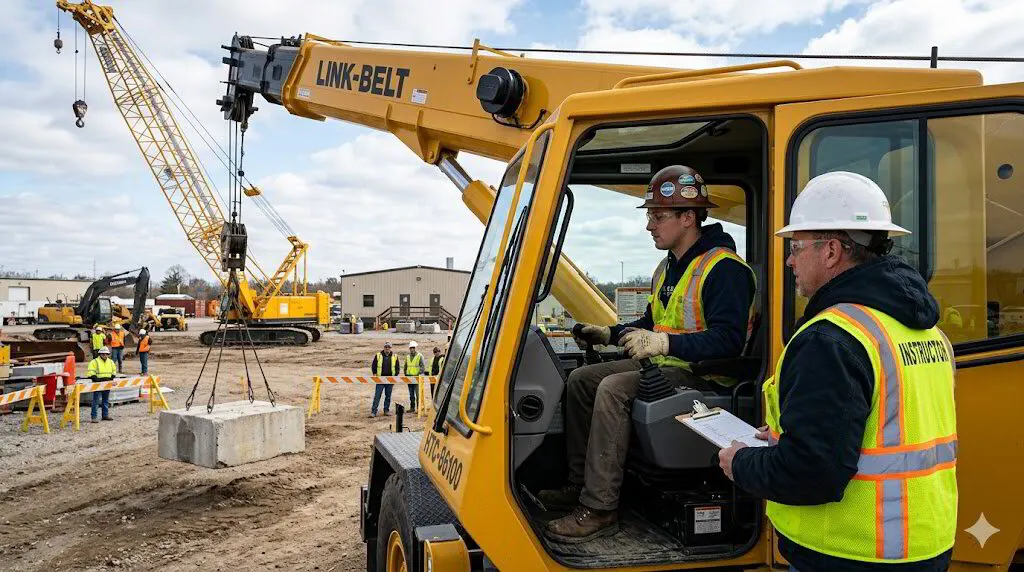 The Ultimate Guide to Crane Operator Field Training Programs: Certification & Career SuccessIn the ever-evolving construction industry, the need for certified crane operators is paramount, making effective…
-
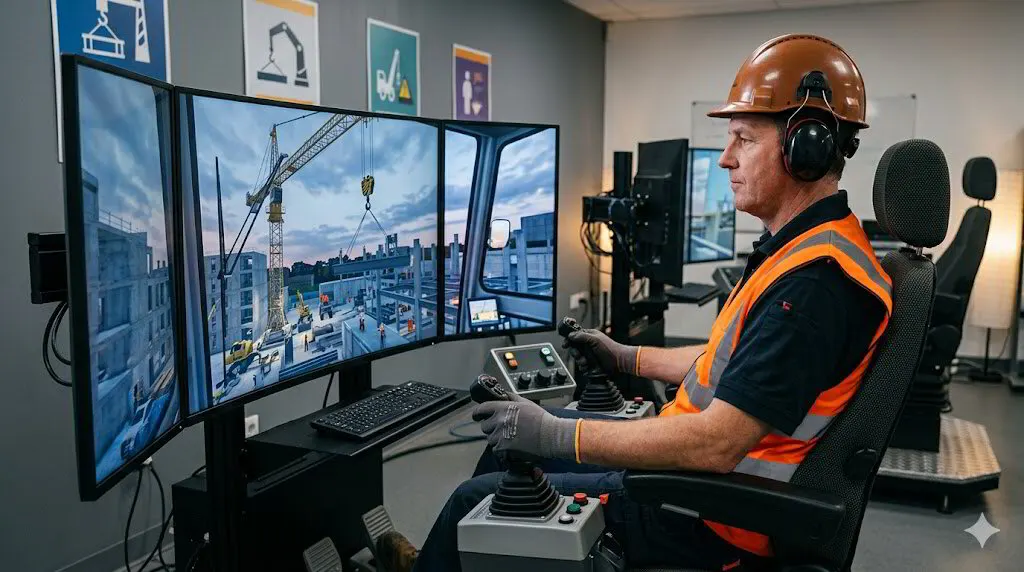 How Crane Simulators Enhance Operator Skills for Safer Construction PracticesAs the construction industry increasingly embraces technology, crane operator training has evolved significantly,…
-
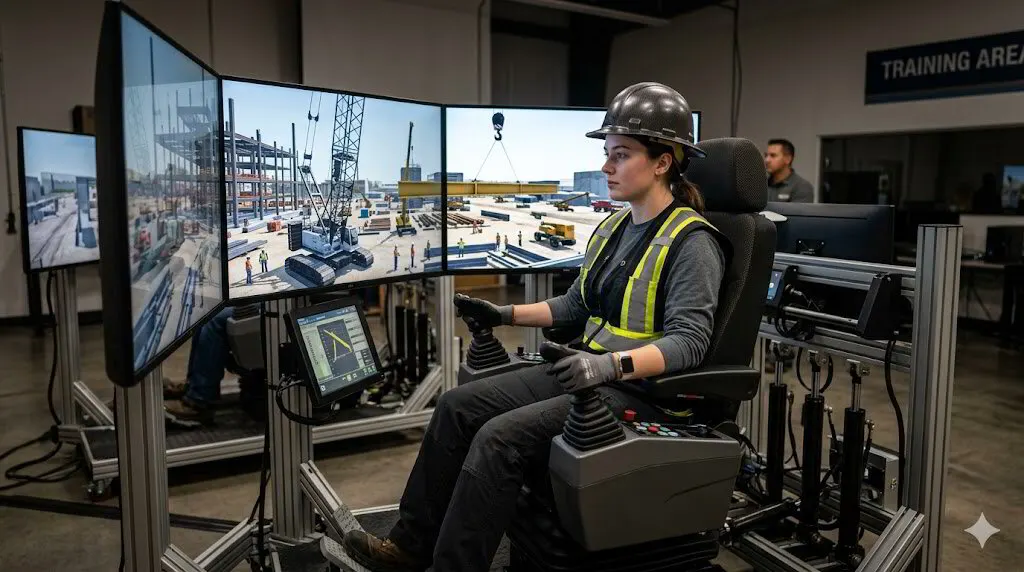 Unlocking Efficiency: The Benefits of Crane Simulator Training for Aspiring OperatorsCrane simulator training is revolutionizing the skill development of aspiring crane operators, offering a safe and…