
The construction industry stands as one of the most hazardous work environments, with crane and lifting operations presenting particularly significant risks. Every day, thousands of construction professionals rely on cranes to move heavy materials and equipment, making safety protocols not just recommendations but absolute necessities. The difference between a successful project and a catastrophic accident often lies in the implementation of proper lifting operations safety practices.
Recent industry statistics reveal that crane-related incidents account for approximately 42 fatalities and 83 injuries per year in the United States alone. These sobering figures underscore the critical importance of comprehensive safety training and adherence to established protocols. When we examine successful construction projects versus those plagued by accidents, the distinguishing factor consistently emerges as the quality and consistency of safety practices implemented throughout lifting operations.
The complexity of modern construction projects demands a sophisticated approach to safety that goes beyond basic precautions. Today's crane operators, riggers, and signal persons must navigate increasingly challenging environments while maintaining the highest safety standards. This comprehensive comparison guide explores the essential elements of effective lifting operations safety practices, examining different approaches, methodologies, and their real-world applications to help construction professionals make informed decisions about their safety protocols and training investments.
Introduction to Lifting Operations Safety Practices
Lifting operations safety practices form the foundation of successful crane operations in construction environments. These comprehensive protocols encompass everything from pre-operational inspections to post-lift procedures, creating a systematic approach that minimizes risk while maximizing operational efficiency. The importance of these practices cannot be overstated, as they directly impact worker safety, project timelines, and overall construction success.
The regulatory landscape governing lifting operations is both complex and constantly evolving. The Occupational Safety and Health Administration (OSHA) provides the primary framework for crane safety in the United States through its Subpart CC standards, which mandate specific requirements for crane operations, operator qualifications, and safety protocols. These regulations work in conjunction with industry standards developed by organizations such as the American Society of Mechanical Engineers (ASME) and the Association of Equipment Manufacturers (AEM).
NCCCO certification has emerged as the gold standard for crane operator competency, providing a nationally recognized benchmark for operator skills and safety knowledge. This certification system ensures that operators possess both theoretical understanding and practical expertise necessary for safe crane operations. The certification process rigorously tests operators on load calculations, crane dynamics, safety protocols, and emergency procedures, establishing a consistent baseline of competency across the industry.
Beyond regulatory compliance, effective lifting operations safety practices create a culture of safety that permeates every aspect of construction operations. This culture emphasizes proactive risk identification, continuous improvement, and shared responsibility among all team members involved in lifting operations. When properly implemented, these practices not only prevent accidents but also improve operational efficiency, reduce equipment wear, and enhance overall project quality.
Common Safety Practices in Lifting Operations
Identifying and mitigating risks represents the cornerstone of effective lifting operations safety practices. Risk assessment begins long before any crane arrives on site, starting with comprehensive site surveys that evaluate ground conditions, overhead obstacles, weather considerations, and proximity to power lines. Professional risk assessment involves analyzing load characteristics, determining appropriate crane capacity, and establishing safe working zones around the crane's operational area.
Environmental risk factors require particular attention in lifting operations. Wind conditions can dramatically affect crane stability and load control, with specific wind speed thresholds requiring operational modifications or complete work stoppages. Ground conditions must be thoroughly evaluated to ensure adequate bearing capacity for crane outriggers and tracks. Proximity to electrical hazards demands careful planning and coordination with utility companies to ensure safe clearance distances are maintained throughout operations.
The use of proper equipment and personal protective equipment (PPE) forms another critical component of comprehensive safety protocols. Hard hats, high-visibility clothing, steel-toed boots, and safety glasses represent minimum PPE requirements for all personnel involved in lifting operations. Specialized equipment such as tag lines, load blocks, and rigging hardware must meet specific load ratings and undergo regular inspections to ensure continued safe operation.
Communication equipment plays a vital role in maintaining safety during lifting operations. Two-way radios, hand signals, and electronic communication systems ensure clear, consistent communication between crane operators, riggers, and signal persons. Standardized communication protocols eliminate confusion and ensure that all team members understand their roles and responsibilities throughout each lift.
Pre-lift safety checks constitute perhaps the most critical daily safety practice in crane operations. These comprehensive inspections cover crane mechanical systems, hydraulic components, electrical systems, and safety devices. Operators must verify proper operation of load moment indicators, anti-two-block systems, and boom angle indicators before beginning any lifting operations. Documentation of these inspections provides accountability and creates a historical record of equipment condition and maintenance needs.
Rigging inspections form an integral part of pre-lift safety procedures. All slings, shackles, hooks, and rigging hardware must be inspected for signs of wear, damage, or deformation before each use. Load calculations must be verified to ensure that rigging components can safely handle the intended loads with appropriate safety factors. Proper rigging techniques, including sling angles and load distribution, must be carefully planned and executed to prevent rigging failure or load shifting during lifts.
Comparative Analysis of Safety Practices
Standard safety practices versus advanced safety measures present construction companies with important decisions about their approach to lifting operations safety practices. Traditional safety approaches focus primarily on regulatory compliance, implementing minimum required safety protocols and relying heavily on operator experience and judgment. While these standard practices provide a foundation for safe operations, they may not address the complex challenges presented by modern construction environments and increasingly sophisticated lifting operations.
Advanced safety measures incorporate cutting-edge technology, enhanced training protocols, and proactive risk management strategies that go beyond minimum regulatory requirements. These sophisticated approaches utilize real-time monitoring systems, predictive analytics, and advanced communication technologies to create comprehensive safety ecosystems. The investment in advanced safety measures often yields significant returns through reduced accident rates, improved operational efficiency, and enhanced project outcomes.
Case studies from major construction projects demonstrate the tangible benefits of implementing comprehensive lifting operations safety practices. The construction of One World Trade Center in New York City exemplifies advanced safety implementation, where project managers implemented sophisticated crane monitoring systems, enhanced operator training programs, and rigorous safety protocols that resulted in zero crane-related incidents throughout the project's duration. This success story highlights how investment in advanced safety measures can achieve exceptional safety outcomes while maintaining project schedules and budgets.
Conversely, projects that rely solely on standard safety practices often experience higher incident rates and associated costs. A comparative analysis of highway construction projects in California revealed that projects implementing advanced safety measures experienced 60% fewer crane-related incidents compared to those using only standard safety protocols. The cost savings from reduced accidents, insurance claims, and project delays more than offset the initial investment in enhanced safety measures.
Expert opinions from industry safety professionals consistently emphasize the importance of comprehensive approaches to lifting operations safety practices. Leading safety consultants recommend implementing layered safety systems that combine traditional practices with modern technology and enhanced training. This approach creates redundant safety measures that provide multiple opportunities to prevent accidents and protect workers.
The International Association of Crane Safety Professionals advocates for proactive safety management that anticipates potential hazards rather than simply reacting to incidents. This philosophy emphasizes continuous improvement, regular safety audits, and ongoing training to maintain high safety standards. Industry experts consistently point to the correlation between investment in safety training and overall project success, noting that well-trained crews not only work more safely but also more efficiently.
Technology integration represents a significant differentiator between standard and advanced safety approaches. Modern crane safety systems incorporate load moment indicators, anti-collision systems, and real-time monitoring capabilities that provide operators with enhanced situational awareness. These technological advances complement traditional safety practices by providing additional layers of protection and early warning systems for potential hazards.
Specific Safety Training for Crane Operations
NCCCO certification training provides the industry's most comprehensive approach to crane operator safety education, establishing standardized competency requirements that ensure operators possess the knowledge and skills necessary for safe crane operations. This certification program covers theoretical knowledge, practical skills, and safety protocols specific to different types of cranes and lifting operations. The certification process rigorously evaluates operators' understanding of load charts, crane dynamics, rigging principles, and emergency procedures.
Each certification category addresses specific safety considerations and operational requirements unique to that crane type. This specialization ensures that operators receive targeted training that directly applies to their specific work environments and equipment types.
Practical training forms an essential component of effective crane safety education, providing operators with hands-on experience in controlled environments before they encounter real-world challenges. Practical training sessions allow operators to practice complex lifting scenarios, emergency procedures, and equipment operation under the guidance of experienced instructors. This experiential learning approach reinforces theoretical knowledge while building confidence and competency in actual crane operations.
Training programs must address both technical skills and safety awareness to create well-rounded crane operators. Technical modules cover crane mechanics, hydraulic systems, electrical components, and maintenance requirements. Safety modules focus on hazard recognition, risk assessment, emergency procedures, and regulatory compliance. The integration of these components creates comprehensive training programs that prepare operators for the full spectrum of challenges they will encounter in their careers.
Ongoing education and recertification requirements ensure that crane operators maintain current knowledge of evolving safety standards and technological advances. The construction industry continuously evolves, with new equipment, techniques, and regulations requiring operators to update their skills and knowledge regularly. Recertification programs provide structured opportunities for operators to refresh their knowledge, learn about new developments, and demonstrate continued competency.
Specialized training modules address unique aspects of lifting operations safety practices, including working near power lines, operating in confined spaces, and handling specialized loads. These focused training sessions provide operators with the specific knowledge and skills needed to safely navigate challenging operational environments. Advanced training modules may cover topics such as multiple crane lifts, precision lifting operations, and emergency response procedures.
Roles and Responsibilities in Lifting Operations
Crane operator responsibilities encompass far more than simply operating crane controls, extending to comprehensive safety oversight throughout all lifting operations. Operators serve as the primary safety decision-makers during lifts, with ultimate responsibility for ensuring that all operations are conducted safely and in accordance with established protocols. This responsibility includes pre-operational equipment inspections, load capacity verification, environmental assessment, and continuous monitoring of changing conditions throughout operations.
The crane operator must maintain situational awareness of all activities within the crane's operational area, monitoring for potential hazards such as personnel movement, equipment interference, and changing weather conditions. Operators must be prepared to immediately stop operations if unsafe conditions develop or if they lose clear communication with ground personnel. This authority and responsibility require operators to possess not only technical skills but also strong judgment and decision-making capabilities.
Rigger responsibilities focus on the critical task of properly securing loads and ensuring safe load handling throughout lifting operations. Qualified riggers must possess comprehensive knowledge of rigging hardware, load calculations, and rigging techniques appropriate for different load types and lifting scenarios. Riggers are responsible for inspecting all rigging equipment before use, calculating appropriate rigging configurations, and properly securing loads to prevent shifting or failure during lifts.
The rigger's role extends beyond initial load attachment to include monitoring rigging throughout the entire lifting operation. Riggers must be positioned to observe rigging behavior during lifts and communicate any concerns to the crane operator immediately. This ongoing oversight ensures that rigging remains secure and that loads are handled safely from initial attachment through final placement.
Signal person certification ensures clear, consistent communication between crane operators and ground personnel throughout lifting operations. Certified signal persons must demonstrate proficiency in standardized hand signals, radio communication protocols, and visual communication techniques. Signal persons serve as the operator's eyes and ears on the ground, providing critical information about load position, clearance distances, and potential hazards.
Communication protocols during lifts must be clearly established and consistently followed to prevent misunderstandings that could lead to accidents. Standard signals and terminology eliminate confusion and ensure that all team members understand instructions and status updates. Emergency communication procedures must be established to enable immediate response to developing hazards or equipment malfunctions.
The coordination between crane operators, riggers, and signal persons requires careful planning and clear role definition. Pre-lift meetings should establish communication methods, define individual responsibilities, and review lift plans to ensure all team members understand their roles. This collaborative approach creates a cohesive team that can safely execute complex lifting operations while maintaining constant awareness of safety considerations.
Challenges and Solutions in Lifting Operations Safety
Common challenges faced by crane operators in implementing effective lifting operations safety practices include time pressures, complex job sites, and evolving project requirements that can compromise safety protocols. Construction schedules often create pressure to expedite operations, potentially leading to shortcuts in safety procedures or inadequate planning time. Experienced operators must balance efficiency demands with safety requirements, maintaining unwavering commitment to safe practices regardless of schedule pressures.
Site congestion presents another significant challenge in modern construction environments, where multiple trades work simultaneously in confined spaces. Crane operations must be carefully coordinated with other construction activities to prevent conflicts and ensure safe working conditions. This coordination requires extensive planning, clear communication, and flexible scheduling to accommodate the needs of all trades while maintaining safety standards.
Weather conditions create ongoing challenges for lifting operations, with wind, rain, and temperature extremes affecting both equipment performance and operator safety. Operators must continuously monitor weather conditions and be prepared to modify or suspend operations when conditions exceed safe operating parameters. Establishing clear weather-related work stoppage criteria helps ensure consistent decision-making and prevents pressure to operate in unsafe conditions.
Innovative solutions to enhance safety include the integration of advanced monitoring systems that provide real-time feedback on crane performance and environmental conditions. Load moment indicators, wind speed monitors, and proximity sensors create comprehensive safety systems that alert operators to potential hazards before they become critical. These technological solutions complement traditional safety practices by providing additional layers of protection and early warning capabilities.
Training simulation systems offer innovative approaches to safety education, allowing operators to practice complex scenarios and emergency procedures in controlled environments. Virtual reality training systems can replicate dangerous situations without exposing students to actual risks, providing valuable learning opportunities that would be impossible to create safely in real-world settings. These simulation technologies enhance traditional training methods while providing consistent, repeatable learning experiences.
The role of technology in improving safety practices continues to expand as new innovations emerge in the construction industry. Automated safety systems can prevent unsafe operations by monitoring crane conditions and automatically stopping operations when predetermined safety limits are exceeded. GPS tracking systems enable precise positioning and can alert operators to proximity hazards or unauthorized personnel in danger zones.
Communication technology advances include digital communication systems that provide clear, interference-free communication between crane operators and ground personnel. These systems can integrate with other safety technologies to provide comprehensive information displays that enhance operator situational awareness. Advanced communication systems also enable remote monitoring and support, allowing safety supervisors to observe operations and provide guidance when needed.
Conclusion and Call to Action
The comprehensive examination of lifting operations safety practices reveals that successful crane operations depend on far more than basic regulatory compliance. Effective safety programs require systematic approaches that integrate advanced training, comprehensive protocols, and ongoing commitment to safety excellence. The comparison between standard and advanced safety measures demonstrates that investment in enhanced safety practices yields significant returns through reduced accident rates, improved operational efficiency, and better project outcomes.
The critical importance of proper training cannot be overstated, with NCCCO certification providing the foundation for competent, safety-conscious crane operators. However, certification represents just the beginning of a career-long commitment to safety education and skill development. Ongoing training, recertification, and exposure to new technologies and techniques ensure that operators remain current with evolving industry standards and best practices.
The collaborative nature of lifting operations requires clear role definition and excellent communication among crane operators, riggers, and signal persons. Each team member plays a crucial role in maintaining safety throughout lifting operations, and the effectiveness of safety practices depends on the competency and coordination of the entire team. Investment in comprehensive training for all team members creates cohesive crews capable of safely executing complex lifting operations.
Technology integration offers exciting opportunities to enhance traditional safety practices while creating new capabilities for hazard prevention and risk management. However, technology should complement, not replace, fundamental safety knowledge and practices. The most effective safety programs combine technological advances with solid training foundations and experienced judgment.
Miller Crane Works offers comprehensive crane operator training programs, including NCCCO certification courses, rigger and signal person certification, and specialized safety training sessions. Our expert instructors provide hands-on practical training with real equipment, ensuring your operators develop both theoretical knowledge and practical skills necessary for safe, efficient crane operations. Visit https://millercraneworks.com/ to explore our complete range of training programs and take the first step toward enhanced safety and operational excellence in your lifting operations.
-
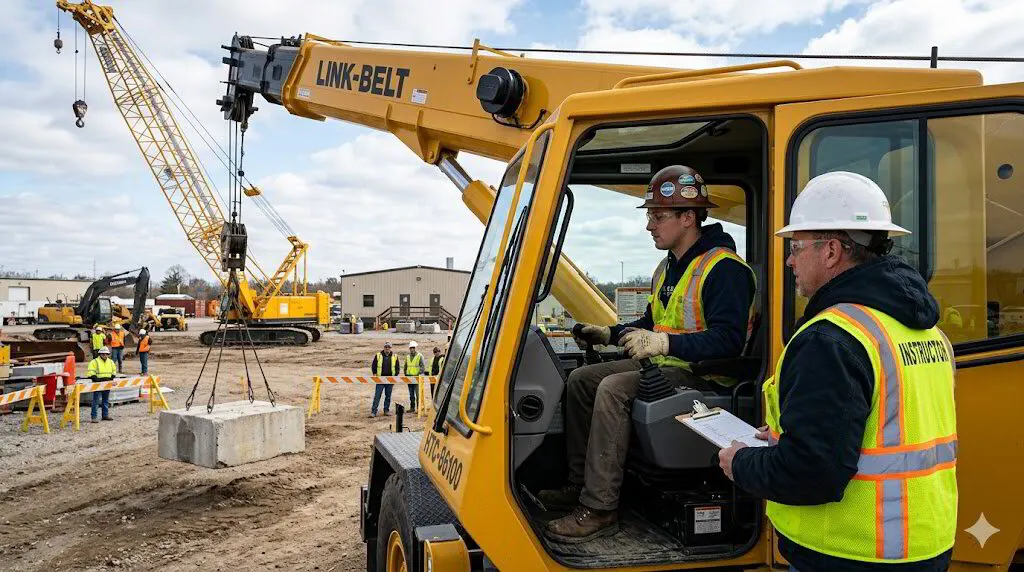 The Ultimate Guide to Crane Operator Field Training Programs: Certification & Career SuccessIn the ever-evolving construction industry, the need for certified crane operators is paramount, making effective…
-
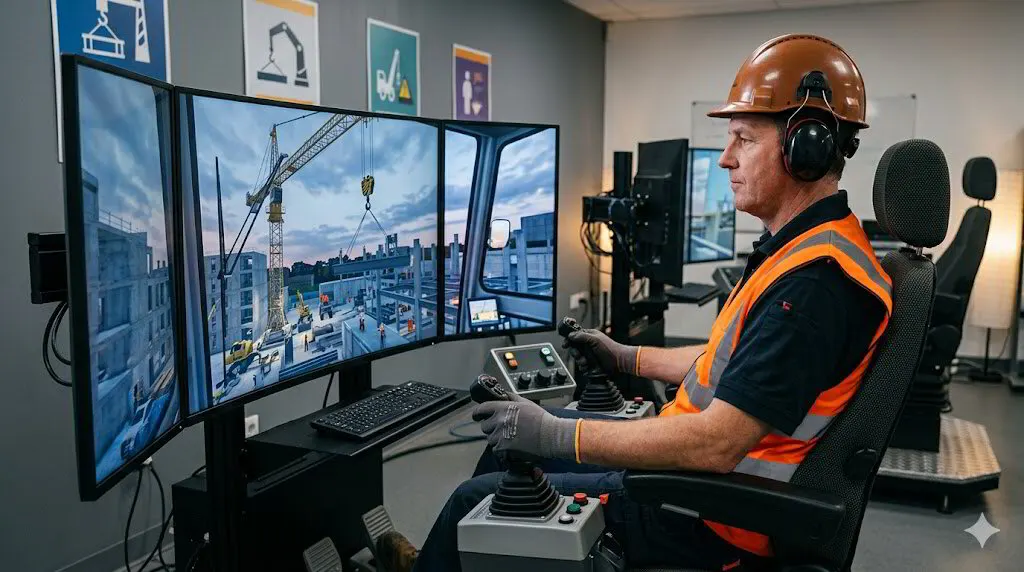 How Crane Simulators Enhance Operator Skills for Safer Construction PracticesAs the construction industry increasingly embraces technology, crane operator training has evolved significantly,…
-
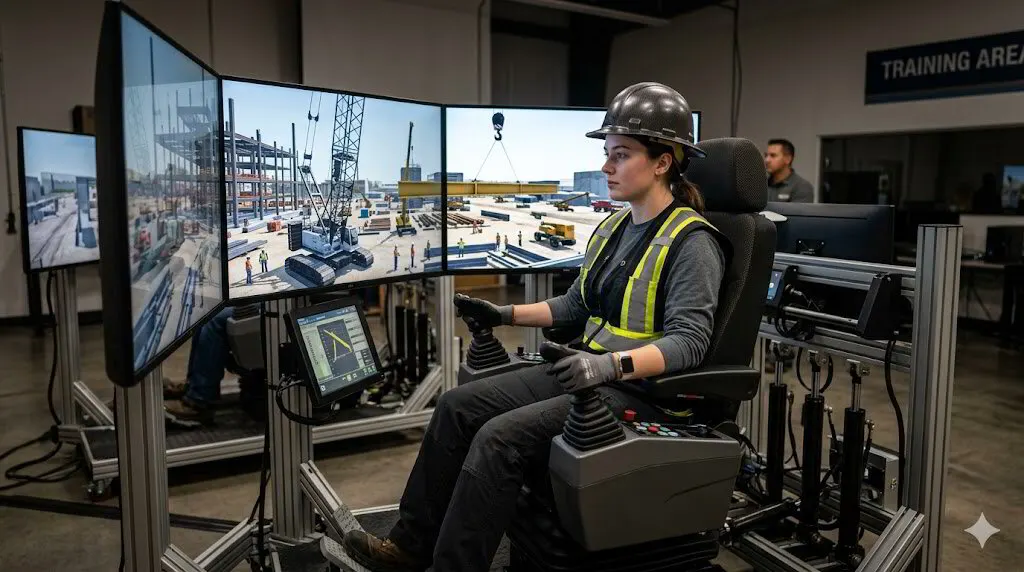 Unlocking Efficiency: The Benefits of Crane Simulator Training for Aspiring OperatorsCrane simulator training is revolutionizing the skill development of aspiring crane operators, offering a safe and…