For anyone looking to establish a successful career in the construction industry, the NCCCO training program in Texas is not just beneficial; it's essential. Did you know that certified crane operators are increasingly sought after due to their role in enhancing workplace safety and efficiency? As construction sites become more complex, the demand for highly trained professionals who can navigate these challenges safely has never been greater. In Texas, the NCCCO training program offers a comprehensive curriculum that equips participants with the knowledge and skills needed to excel in this high-stakes field. Whether you're an aspiring crane operator or looking to enhance your credentials, understanding the intricacies of this training program is key to unlocking your potential in the construction sector.
Understanding the NCCCO Training Program in Texas
The NCCCO training program in Texas is an essential pathway for individuals aspiring to become certified crane operators. This certification, overseen by the National Commission for the Certification of Crane Operators (NCCCO), validates a crane operator's skills and knowledge necessary for safely operating cranes on job sites. It is crucial for maintaining high safety standards in the construction industry, ensuring that operators are not only skilled but also aware of safety protocols.
Key Components of the NCCCO Training Program The NCCCO training program in Texas encompasses several vital components designed to prepare participants for the certification exam. These components include:
- Hands-On Training vs. Theoretical Knowledge: Participants engage in a combination of practical training and theoretical lessons to gain a comprehensive understanding of crane operations.
- Specific Courses Offered: The program covers various crane types, including mobile cranes and specialized training for tower cranes, which is unique among many training facilities.
- Safety Protocols and Best Practices: Emphasizing safety, the program includes essential training on OSHA regulations and proper safety measures.
Benefits of the NCCCO Training Program in Texas Participating in the NCCCO training program provides numerous benefits that can significantly enhance a participant's career:
- Enhanced Career Opportunities: Certification can open doors to better job prospects and potentially higher wages.
- Compliance with State and Federal Regulations: Proper training ensures that operators meet legal requirements, reducing the likelihood of fines or penalties for non-compliance.
- Improved Safety Standards on Job Sites: Certification leads to better awareness of safety protocols, contributing to a safer working environment for all.
Finding the Right Training Facility in Texas Choosing the right facility for your NCCCO training program in Texas is essential for success.
Consider the following factors:
- Credentials: Ensure the facility is accredited and recognized by the NCCCO.
- Experience: Look for a facility with experienced instructors who have extensive knowledge of crane operations.
- Location: Choose a facility that is conveniently located to allow easy access for training sessions.
Miller Crane Works stands out as a premier training facility in Texas, offering personalized instruction and a state-of-the-art learning environment. With their comprehensive curriculum, including an emphasis on tower crane training, they adequately prepare students for the challenges they will face in the field.
For more information on NCCCO certification and ongoing training, visit the official NCCCO website.
The Training Process: What to Expect
Enrolling in the NCCCO training program in Texas provides a structured path toward becoming a certified crane operator. Understanding the training process is vital to prepare for the journey ahead. Here’s what participants can expect:
Duration of the Program The NCCCO training program typically spans several weeks, depending on the course type and participant pace. Most programs include both classroom instruction and practical hands-on training to ensure a well-rounded educational experience.
Prerequisites for Enrollment Before enrolling, it's important to meet certain prerequisites, which may include:
- Being at least 18 years old
- Having a valid driver's license
- Possessing a basic understanding of cranes and their operations (which can be developed during the course)
Assessment and Evaluation Methods Assessment is a critical component of the NCCCO training program. Participants undergo various evaluations, such as:
- Written Examinations: These tests cover theoretical knowledge of crane operations, safety regulations, and best practices.
- Practical Evaluations: Hands-on assessments ensure that participants can demonstrate their operational skills under real-world conditions.
By successfully completing these assessments, participants will be better prepared to take the NCCCO certification exam, positioning them for a successful career as crane operators.
Preparing for the NCCCO Certification Exam Preparation is key to success in the NCCCO certification exam. Here are some tips to enhance your study efforts:
- Utilize Study Resources: Make use of the materials provided during training, such as manuals and guides.
- Practice Tests: Taking practice exams can familiarize you with the exam format and help identify areas that may require further study.
- Study Groups: Collaborate with fellow students to share knowledge and perspectives, reinforcing your understanding of key concepts.
Understanding the exam format and content will give you the confidence needed to excel. The NCCCO training program in Texas is designed not just to prepare you for the exam but to instill a comprehensive skill set essential for safe and effective crane operation.
For further resources on NCCCO certification, the official NCCCO website offers valuable information and guidance.
Benefits of the NCCCO Training Program in Texas
The NCCCO training program in Texas offers numerous advantages that can significantly impact your career as a crane operator. Below are some of the primary benefits of enrolling in this certification program:
Enhanced Career Opportunities Obtaining NCCCO certification opens up a wealth of career opportunities in the construction and heavy equipment industries. Employers often require certified operators due to the increased safety and efficiency that certified personnel bring to job sites.
Benefits include:
- Higher Earning Potential: Certified crane operators typically earn higher wages compared to their non-certified counterparts.
- Job Security: As regulations around crane operation tighten, certified operators are less likely to face unemployment.
Compliance with State and Federal Regulations By completing the NCCCO training program, participants ensure they meet both state and federal regulations governing crane operations. Compliance is crucial, as non-compliance can lead to significant fines or legal issues for both operators and employers.
Improved Safety Standards on Job Sites Safety is a paramount concern in the construction industry, and certified crane operators help raise safety standards. The NCCCO training program focuses heavily on:
- Understanding Safety Protocols: Participants learn essential safety measures and regulations.
- Implementing Best Practices: Training emphasizes real-world applications of safety practices to minimize risks on job sites.
The skills acquired through the NCCCO training program not only bolster individual operator competency but contribute to safer work environments for all personnel on site.
For additional details on the importance of certification in the construction field, consider visiting the Occupational Safety and Health Administration (OSHA) website.
Finding the Right Training Facility in Texas
Choosing the right training facility for the NCCCO training program in Texas is crucial to your success as a crane operator. A well-established facility can make a significant difference in the quality of your training and overall preparedness for certification. Here are some important factors to consider when selecting a training facility:
Credentials Ensure that the training facility is accredited and recognized by the NCCCO. Accreditation confirms that the program meets industry standards, which is essential for your certification.
- Check for NCCCO Approval: Look for facilities that have been officially approved by the
National Commission for the Certification of Crane Operators.
- Instructor Qualifications: Research the qualifications and experience of the instructors to ensure they possess the necessary expertise in crane operations.
Experience A facility with a strong track record in crane training is more likely to provide high-quality education. Look for programs that have been in operation for several years and have produced successful graduates.
- Alumni Success Stories: Consider reaching out to past students to learn about their experiences and job placements after completing the program.
- Industry Partnerships: Facilities with partnerships in the construction industry often provide better networking opportunities for students.
Location While the quality of training is paramount, the location of the facility should also be convenient for you. Consider the travel time and accessibility of the training center.
- Local Facilities: Searching for training centers close to your home or workplace can save time and make attendance more manageable.
- Availability of Courses: Ensure the facility offers the specific courses you need, including mobile and tower crane training.
Miller Crane Works is a leading training facility in Texas, offering a comprehensive NCCCO training program that includes specialized courses for tower crane operation. Their experienced instructors and hands-on training approach equip participants with the skills needed for success in the field.
For more information on other training options and industry standards, visit the National Safety Council (NSC) website.
Preparing for the NCCCO Certification Exam
Preparation for the NCCCO certification exam is a critical step for participants in the NCCCO training program in Texas. With the right strategies and resources, you can boost your confidence and increase your chances of passing the exam on your first attempt. Here are some effective preparation tips:
Study Resources and Materials Make the most of the resources provided during the NCCCO training program. Key materials include:
- Course Manuals: These contain essential information on crane operations, safety regulations, and inspection processes.
- Online Resources: Many reputable websites and platforms offer additional materials and study aids specifically for NCCCO certification.
Tips for Success: Practice Tests and Study Groups Engaging in active study techniques can greatly enhance your understanding and retention of the material. Consider the following:
- Practice Tests: Taking practice exams simulates the test experience and helps identify areas that may require further study.
- Form Study Groups: Collaborating with fellow students allows you to share knowledge, clarify doubts, and strengthen your grasp of complex topics.
Understanding the Exam Format and Content Familiarize yourself with the format and content of the NCCCO certification exam. The exam typically includes:
- Multiple-Choice Questions: These assess your knowledge of crane safety, operation, and regulations.
- Practical Evaluation Components: Depending on your crane type, you might be required to demonstrate specific operational skills.
By actively preparing for the certification exam and utilizing the tools and resources available through the NCCCO training program in Texas, you can approach the exam fully equipped for success.
For further insights on studying and preparing for exams, the American Society of Safety Professionals (ASSP) website provides a wealth of resources.
Continuous Learning and Recertification
Engaging in continuous learning and ongoing education is vital for maintaining best practices and adapting to industry changes. Here's what you should know about continuous learning and recertification as part of the NCCCO training program in Texas.
Importance of Staying Updated in the Industry The construction and crane operation sectors are constantly evolving, with new technologies, regulations, and safety standards emerging regularly. Staying current helps operators:
- Enhance Skill Sets: Ongoing training allows for skill enhancement and the acquisition of new competencies.
- Adapt to New Equipment: Familiarity with the latest cranes and technological advances increases operating efficiency and safety.
Recertification Requirements and Process NCCCO certification is not permanent; it requires recertification every five years. The process includes:
- Continued Education: Completing additional courses or training programs that pertain to crane operations and safety.
- Reassessment: Demonstrating knowledge and skills through retesting or practical assessments.
To ensure a smooth recertification process, keep track of your certification's expiration date and start planning for renewal well in advance.
Opportunities for Advanced Training and Skill Enhancement Beyond recertification, crane operators can pursue advanced training programs to elevate their careers. Consider exploring:
- Specialized Courses: Programs focusing on specific crane types or advanced operational techniques that can make you more competitive in the job market.
- Leadership and Supervisory Skills: Training that develops management skills can position you for roles with greater responsibility.
By engaging in continuous learning and utilizing the NCCCO training program in Texas, crane operators can ensure their skills remain sharp and relevant, ultimately benefiting their careers and contributing to safer job sites.
For more resources on ongoing education in safety standards and certifications, visit the National Safety Council (NSC) website.
Conclusion: Taking the Next Steps in Your Crane Operating Career
Participating in the NCCCO training program in Texas is a significant step toward advancing your career as a crane operator. With the knowledge and skills gained through this comprehensive training, you position yourself as a qualified professional within the construction industry. Here are key takeaways to consider as you chart your path forward:
Encouragement to Enroll in an NCCCO Training Program If you are looking to begin or enhance your career in construction, enrolling in the NCCCO training program should be a top priority. The benefits of certification, such as enhanced job security, increased earning potential, and heightened safety awareness, are invaluable.
- Start Your Journey: The program provides not only theoretical knowledge but also practical skills that will serve you throughout your career.
- Networking Opportunities: Connecting with instructors and fellow students can open doors to job opportunities in the industry.
Final Thoughts on the Value of Certification in Texas Obtaining NCCCO certification is more than just a piece of paper; it represents a commitment to safety, professionalism, and continuous learning. As you embark on this journey, remember:
- Stay Committed to Learning: The construction landscape is dynamic, and continuous education will keep you ahead.
- Contribute to Safety: Well-trained operators play a crucial role in ensuring safe job sites, protecting not only themselves but their colleagues as well.
By choosing to pursue the NCCCO training program in Texas, you are investing in your future and the safety of those who work alongside you. Take the next step today, and secure your place in this vital and rewarding field.
For additional resources on crane safety and best practices, you can visit the Occupational Safety and Health Administration (OSHA) website.
FAQs About the NCCCO Training Program in Texas
As potential participants consider enrolling in the NCCCO training program in Texas, many common questions arise. Addressing these queries can help prospective students make informed decisions about their path toward certification.
What is the Duration of the NCCCO Training Program?
The duration of the NCCCO training program varies based on the specific course and participant’s pace. Typically, the program lasts anywhere from a few weeks to several months. A structured curriculum, combining both classroom instruction and hands-on training, prepares candidates effectively.
What Are the Costs Involved?
Costs for the NCCCO training program in Texas can vary widely depending on the training facility, course selections, and included materials. It's essential to inquire about:
- Tuition Fees: Understand the base cost for the program.
- Additional Expenses: Consider costs for books, materials, or certification exams.
Are There Any Prerequisites for Enrollment?
To enroll in the NCCCO training program, participants generally must meet certain prerequisites, including:
- Age Requirement: Candidates must be at least 18 years old.
- Basic Understanding of Crane Operations: While not compulsory, having a foundational knowledge of crane operation can be beneficial.
What Job Opportunities are Available After Certification?
Completing the NCCCO training program opens up various career paths in the construction sector. Graduates can seek roles such as:
- Crane Operator: Operating various types of cranes in construction environments.
- Site Safety Officer: Monitoring compliance with safety regulations on job sites.
- Crane Inspector: Assessing cranes for safety and operational readiness.
How Do I Keep My Certification Current?
NCCCO certification requires recertification every five years. Operators are encouraged to:
- Engage in Continuous Education: Attend additional courses to stay updated on safety standards and crane operation techniques.
- Plan for Recertification: Start the recertification process at least a few months before your certification expires.
For more detailed information about training and certification, consider visiting the National Commission for the Certification of Crane Operators (NCCCO) website, which offers comprehensive resources and guides for prospective crane operators.
What is the NCCCO training program in Texas?
The NCCCO training program in Texas is a certification course designed for individuals who want to become qualified crane operators. This program covers essential topics such as safety protocols, crane operations, and regulatory standards, ensuring participants are fully prepared for the certification exam and real-world job scenarios.
How long does it take to complete the NCCCO training program?
The duration of the NCCCO training program can vary based on the specific facility and course structure. Typically, participants can expect to spend several weeks to a few months in training, which includes a blend of classroom instruction and hands-on practical experience to ensure comprehensive skill development.
Are there any prerequisites to enroll in the NCCCO training program?
While there are no strict prerequisites, most training programs recommend that participants be at least 18 years old and possess a basic understanding of crane operations. Some facilities may also require a valid driver’s license, as this may be necessary for practical training sessions.
What types of cranes are covered in the NCCCO training program?
The NCCCO training program addresses various types of cranes, including mobile cranes, hydraulic cranes, and tower cranes. This breadth of coverage ensures that participants gain the necessary skills and knowledge to operate different crane types safely and efficiently, preparing them for a diverse range of job opportunities.
How often do I need to renew my NCCCO certification?
NCCCO certification is valid for five years, after which certified operators must undergo recertification to maintain their credentials. The recertification process typically involves completing continuing education courses and passing an assessment to demonstrate that operators still meet the industry standards and safety protocols.
Get Certified with Confidence: Essential NCCCO Training Programs in Texas by
Miller Crane Works
At Miller Crane Works, we understand that earning your NCCCO certification is a critical step toward a successful and rewarding career in crane operation. That’s why our training programs in Texas are designed to not only meet NCCCO standards but to exceed expectations in both quality and support. With experienced instructors, hands-on training, and up-to-date equipment, we prepare our students with the knowledge and confidence needed to pass their exams and perform safely and effectively in the field. Whether you're just starting out or looking to upgrade your skills, Miller Crane Works is your trusted partner in professional crane operator certification.

-
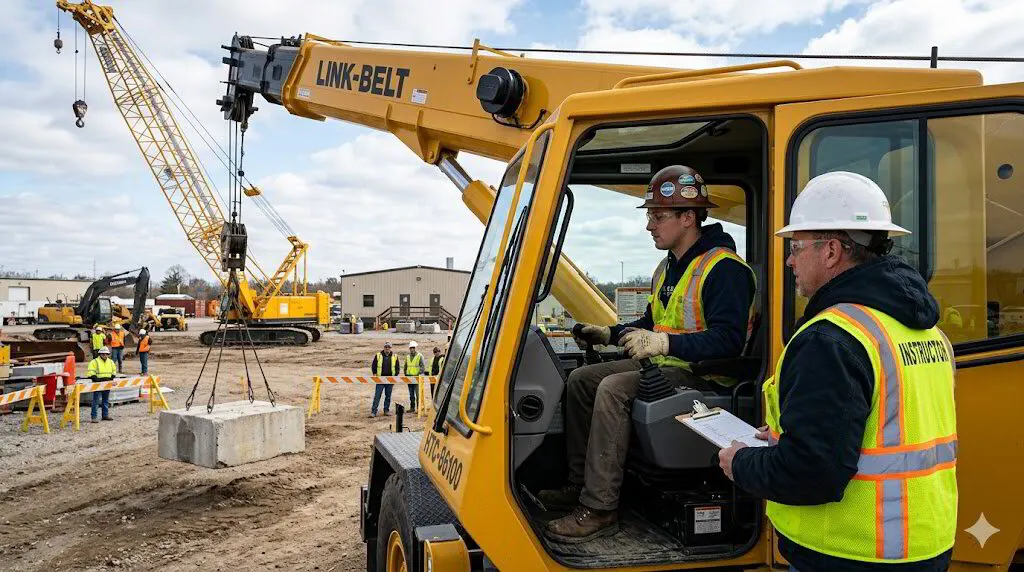 The Ultimate Guide to Crane Operator Field Training Programs: Certification & Career SuccessIn the ever-evolving construction industry, the need for certified crane operators is paramount, making effective…
-
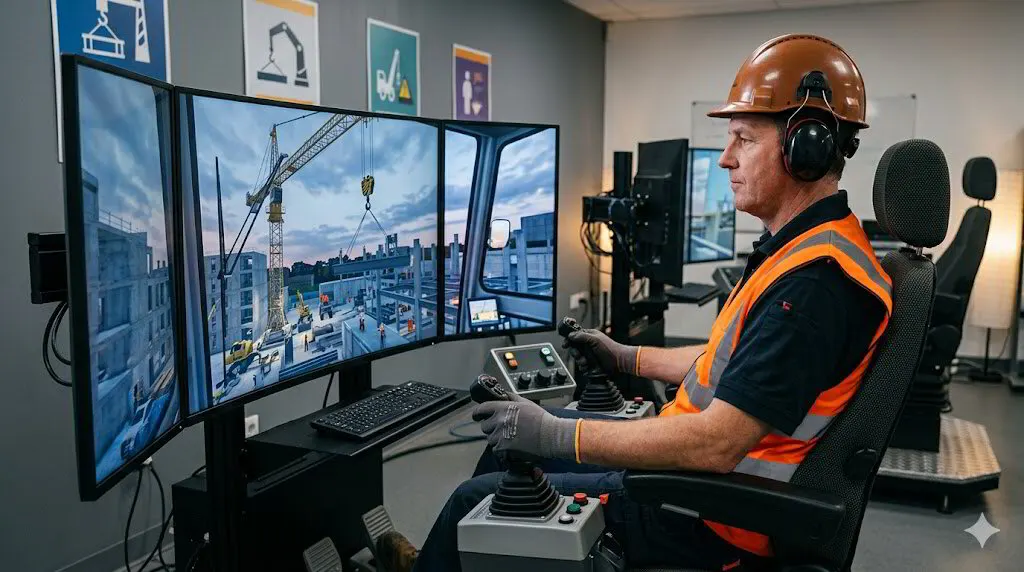 How Crane Simulators Enhance Operator Skills for Safer Construction PracticesAs the construction industry increasingly embraces technology, crane operator training has evolved significantly,…
-
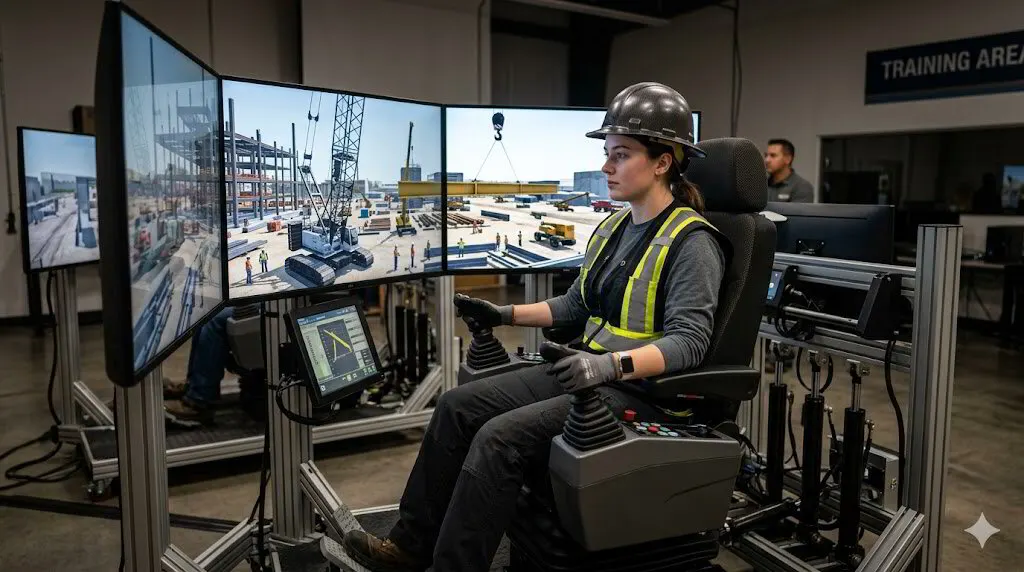 Unlocking Efficiency: The Benefits of Crane Simulator Training for Aspiring OperatorsCrane simulator training is revolutionizing the skill development of aspiring crane operators, offering a safe and…