
Passing the written and practical exams changes your status overnight. The work you're trusted with changes more slowly. Here is what the first year usually looks like, and how to make the most of it.
The day the card arrives
Once NCCCO processes your results, you hold a credential that OSHA recognizes for the crane type you tested on. Legally, that means an employer can put you in the seat of that kind of crane on a construction site without treating you as an operator-in-training. That is a real change. Before, someone had to stand over you. Now you can be dispatched.
Keep a photo of your card on your phone and the physical card in your wallet. Superintendents and safety staff will ask to see it on a new site, sometimes before you're allowed past the gate.
The employer evaluation is still coming
Many new operators are surprised by this part. OSHA's operator rule (29 CFR 1926.1427) requires the employer to evaluate each operator's skill and judgment on the equipment they'll actually use, and to keep a written record of it. Your certification shows you know the material and passed a standardized test. The evaluation shows your employer you can run their crane, with its configuration and attachments, on their kind of work.
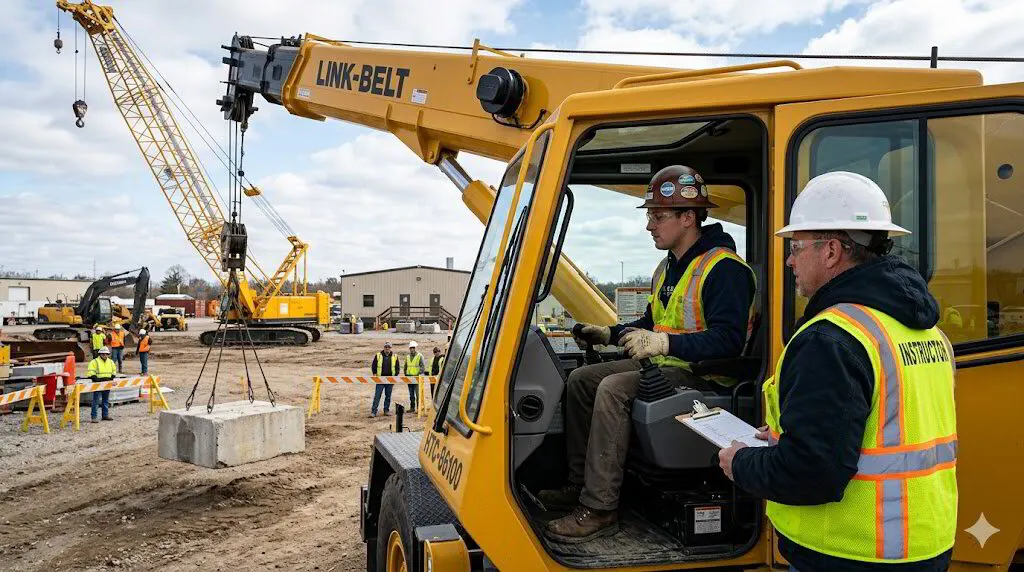
Expect someone experienced to watch you set up, run through functions and make a few lifts. Treat it like a second practical exam: inspection first, careful set-up, smooth controls and clear communication with the signal person.
What the first months often look like
Every company is different, but common patterns for newly certified operators include:
- Smaller cranes and simpler picks first. Unloading trucks, setting materials, routine lifts with lots of room.
- Time as an oiler or rigger. Working beside an experienced operator teaches you how set-up decisions get made on a real site with real ground conditions.
- Gradually larger lifts as the crew sees how you handle the machine and how well you follow the lift plan.
None of this is a step backward. The habits you build here, such as walking the site before setting outriggers or double-checking the load chart, matter more over a career than how fast you reach the bigger crane.
Keep a logbook from day one
Write down every day you operate: date, crane make and model, configuration, type of work and approximate hours. It takes two minutes at the end of a shift. A logbook helps in three ways:
- It gives you specifics for a résumé or a conversation with a new employer.
- It helps when you recertify, since NCCCO recertification looks at whether you have kept operating.
- It shows you which machines you have little time on, so you can ask for more.
Staying certified and adding designations
NCCCO operator certifications run for five years. Put the expiration date in your phone calendar with a reminder a year ahead, so you have time to schedule recertification exams without a gap.
The first year also shows you where to go next. If your company keeps renting crawler cranes for a certain type of job, a lattice designation could make you the person they call. If they start bidding high-rise work, tower crane certification may fit. Ask your supervisor which designation would be most useful to the company; employers often sponsor training that fills a gap in their own crews.
How our courses help before and after
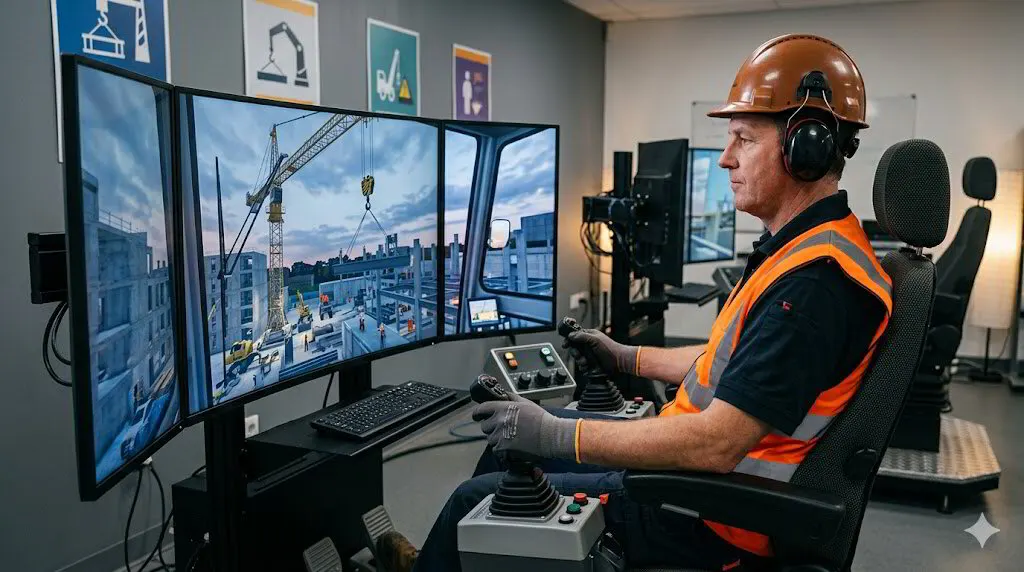
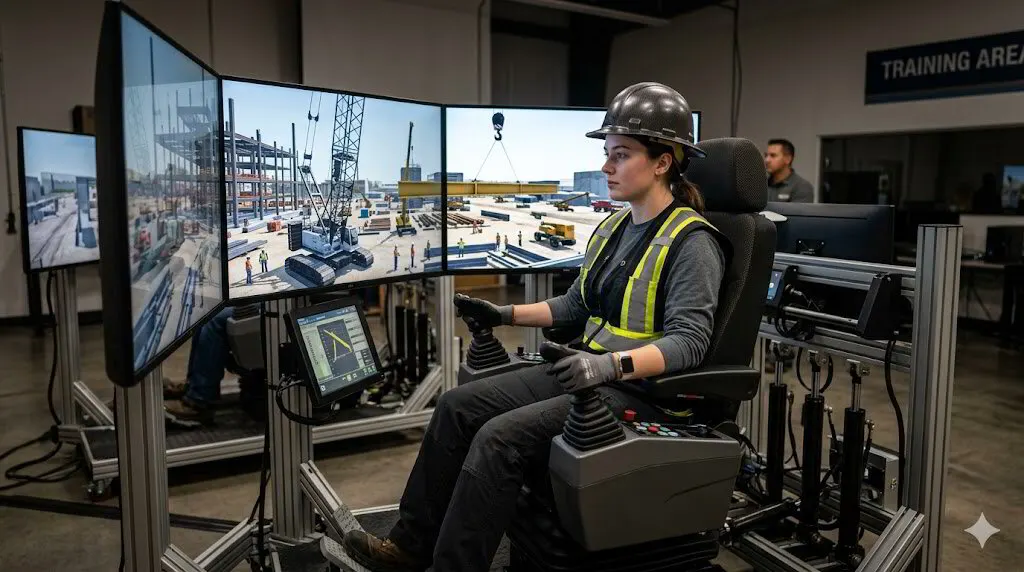
Our Mobile Crane Operations Fixed/Swing Cab 120 Hours course is built for people heading into their first certification, with classroom, simulator and yard time before the NCCCO exams. For operators who already have a card and want another crane type, Tower Crane Operations 40 Hours and Mobile Crane Operations Lattice 40 Hours are the usual next steps. Training and practical exams are held at our Seagoville yard; see what to expect before your first day.
Questions we hear
Can my employer still require an evaluation if I'm NCCCO certified?
Yes. OSHA requires employers to evaluate operators on the equipment they'll use and document it. Certification and employer evaluation are two separate requirements.
What should I record in an operator logbook?
The date, crane make and model, configuration, type of work and approximate hours operated. Keep it simple and consistent.
When should I start planning recertification?
Set a reminder about a year before your card expires. That leaves time to schedule exams without letting the certification lapse.