
How to become a certified crane operator in Texas is a question on the minds of many aspiring professionals looking to enter a rewarding and exciting field. With Texas experiencing a construction boom driven by infrastructure development, commercial projects, and renewable energy initiatives, the demand for skilled crane operators is at an all-time high. These professionals play a crucial role in ensuring that heavy materials are lifted and moved safely and efficiently, making them indispensable on job sites across the state.
However, the pathway to certification can seem daunting without proper guidance. Whether you’re starting your career or looking to switch fields, this blog post will provide you with valuable insights into the certification process, training requirements, and vital steps needed to excel in this dynamic industry. Join us as we explore everything you need to know to embark on your journey towards becoming a certified crane operator in Texas!
Understanding the Role of a Crane Operator
Crane operators play a vital role in the construction and heavy lifting industries. They are responsible for operating various cranes to lift, move, and position heavy materials on construction sites, ensuring the safety and efficiency of the entire operation. Understanding the intricacies of this role is essential for those considering a career in crane operation.
Importance of Certification in Texas
Becoming a certified crane operator in Texas is crucial for several reasons:
- Safety: Certification ensures that operators are trained in safety protocols, reducing the risk of accidents and injuries on the job site.
- Compliance: Texas law requires crane operators to hold appropriate certifications, helping companies meet regulatory requirements.
- Career Advancement: Certified operators are more likely to secure higher-paying positions and opportunities for career growth.
The Benefits of Becoming a Certified Crane Operator in Texas
Pursuing a certification in crane operation opens various doors in the construction industry. Here are some significant benefits:
Job Opportunities and Demand
With the construction industry booming in Texas, the demand for certified crane operators continues to rise. Crane operators can find job opportunities in various sectors, including:
- Construction companies
- Shipping and logistics
- Manufacturing plants
- Oil and gas industries
Safety and Compliance
Holding a certification not only verifies your skills but also shows your commitment to safety.
This can enhance your reputation among employers and colleagues, positioning you as a valuable asset to any team.
Prerequisites for Crane Operator Certification
Before diving into how to become a certified crane operator in Texas, it’s essential to understand the prerequisites involved.
Age and Physical Requirements
- You must be at least 18 years old.
- You should meet physical requirements to operate cranes safely.
Necessary Education and Experience
While a high school diploma is generally preferred, industry experience is highly valuable. Many training programs may not require formal education, but practical experience will enhance your understanding of crane operations.
Overview of NCCCO Crane Certification
The National Commission for the Certification of Crane Operators (NCCCO) is the leading certification organization for crane operators in the United States. They offer formal certifications that validate a crane operator's competency.
What is NCCCO?
NCCCO provides an independent assessment of a crane operator’s skills, ensuring that certified individuals meet recognized safety and performance benchmarks.
Different Types of Certification
NCCCO offers various crane operator certifications, including:
- Mobile Crane Operator
- Tower Crane Operator (unique to select training facilities like Miller Crane Works)
For more details on NCCCO certification, you can visit their official website.
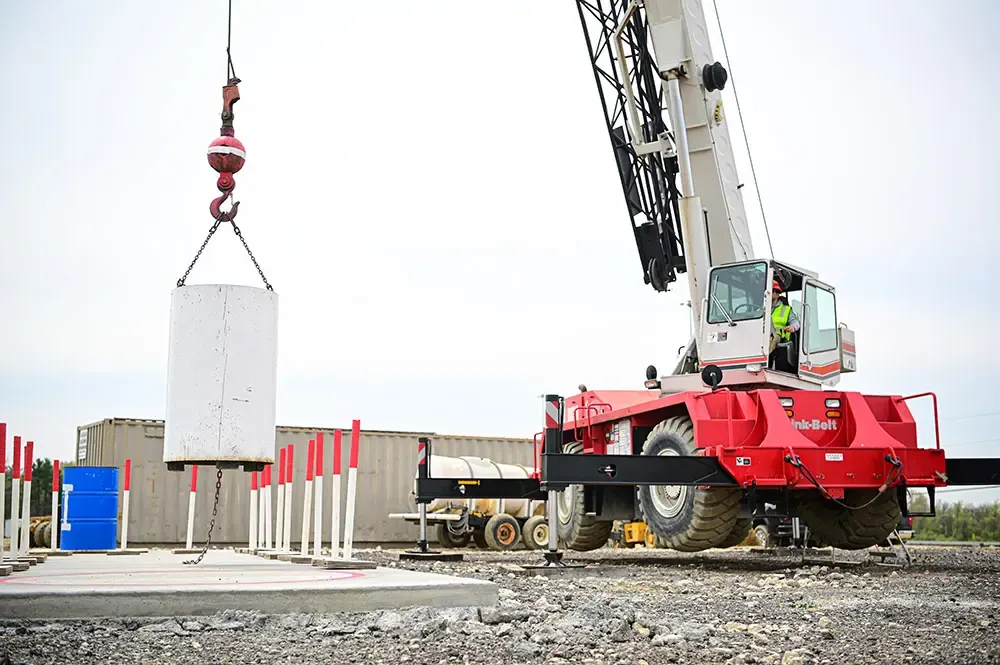
How to Become a Certified Crane Operator in Texas
Taking the first step toward becoming a certified crane operator in Texas involves several key actions:
Selecting a Training Facility
Choosing the right training facility is essential for your success. Look for a facility that offers:
- In-Person Training: Hands-on experience at the Seagoville yard is crucial for developing skills.
- Specialized Courses: Ensure they provide a variety of courses, including tower crane training if interested.
Completing Required Training
Training generally includes:
- Classroom Instruction: Covers safety regulations, operational procedures, and equipment knowledge.
- Hands-On Operation: Involves practical training with actual crane equipment.
Scheduling the Certification Exam
Once you’ve completed your training, the next step is to schedule your certification exam. This may involve:
- Understanding the exam format and structure.
- Utilizing study resources to prepare effectively.
Navigating the Certification Exam
Preparation for the certification exam is vital. Here’s how you can successfully navigate this process:
Tips for Preparing for the Exam
- Review Study Materials: Utilize training manuals and NCCCO's resources.
- Attend Review Sessions: Many training facilities offer refresher courses before the exam.
What to Expect on Test Day
Be prepared for both written and practical assessments. Understanding what the exam entails will help reduce anxiety and increase your chances of passing.
Maintaining Your Crane Operator Certification
Renewal Process and Requirements
Staying certified requires periodic renewal. Be sure to:
- Keep up with re-certification deadlines.
- Complete necessary continuing education courses if required.
Importance of Continuing Education
Engaging in continuous learning is vital to stay updated with safety regulations, technology, and industry practices.
In conclusion, learning how to become a certified crane operator in Texas is a structured process that involves understanding job requirements, completing necessary training, and maintaining certification. With a commitment to safety and ongoing education, you can build a successful career in this vital industry.
The Benefits of Becoming a Certified Crane Operator in Texas
Becoming a certified crane operator in Texas opens a wide array of opportunities in various industries. Let's explore some key benefits that come with this certification.
Job Opportunities and Demand
The construction industry in Texas is consistently growing, leading to an increasing demand for skilled crane operators. Here are some of the fields where certified operators are highly sought after:
- Construction Companies: Major projects require crane operators for lifting heavy materials.
- Manufacturing Plants: Used for moving goods and materials within the facility.
- Shipping and Logistics: Essential for loading and unloading cargo, especially in ports.
- Oil and Gas Industries: Operators are needed for installing or maintaining equipment on drilling sites.
Safety and Compliance
Certification is a testament to your knowledge and skills, particularly concerning safety practices. This has several benefits:
- Reduces Accident Risks: Proper training leads to safer job environments.
- Meets Legal Requirements: Ensures compliance with federal and state regulations.
- Enhances Employability: Employers prefer certified operators because they have proven their capabilities to work safely and competently.
Prerequisites for Crane Operator Certification
Before venturing into how to become a certified crane operator in Texas, it’s important to understand the prerequisites involved in obtaining this certification.
Age and Physical Requirements
To qualify for certification, candidates generally need to meet the following criteria:
- Minimum Age: You must be at least 18 years old.
- Physical Fitness: Ability to perform job-related tasks, including lifting and maneuvering equipment.
Necessary Education and Experience
While formal education isn't always required, relevant experience can significantly boost your skills and employability. Consider the following:
- High School Diploma: Recommended for foundational knowledge.
- Industry Experience: Practical experience is invaluable and often preferred by training facilities.
Overview of NCCCO Crane Certification
The National Commission for the Certification of Crane Operators (NCCCO) is a key player in certifying crane operators across the United States. Their certification holds weight in the industry and is recognized by employers nationwide.
What is NCCCO?
NCCCO establishes safety and performance standards that operators must meet to ensure competency in crane operations. This certification demonstrates your professional qualifications to potential employers.
Different Types of Certification
NCCCO offers a variety of certifications, which may include:
- Mobile Crane Operator: For operators using mobile cranes.
- Tower Crane Operator: Specific training that is less commonly offered, making it a niche skill.
For a complete overview of NCCCO certifications, visit their official website.
How to Become a Certified Crane Operator in Texas
The process of becoming a certified crane operator in Texas involves several vital steps, which are integral in ensuring you are well-prepared for a successful career in this field.
Selecting a Training Facility
Choosing the right training facility is crucial for your development as a crane operator. Consider the following factors:
- in-person training: Look for programs that offer hands-on experience with actual cranes.
- Specialized Courses: A facility that provides a variety of courses, including tower crane training, can be beneficial.
Completing Required Training
Training typically consists of two main components:
- Classroom Instruction: This covers crucial elements like safety protocols, equipment familiarity, and operational procedures.
- Hands-On Operation: Practical training allows you to apply classroom knowledge and gain real-world experience.
Scheduling the Certification Exam
After successfully completing your training program, the next step is to prepare for and schedule your certification exam. Important things to keep in mind include:
- Exam Format: Familiarize yourself with the structure of the exam.
- Study Resources: Utilize manuals, online materials, and practice tests to prepare effectively.
Navigating the Certification Exam
Successfully passing the certification exam is a pivotal step in your journey. Here’s how to navigate this crucial part of the process:
Tips for Preparing for the Exam To maximize your chances of success:
- Review Study Materials: Go over all training manuals and guides.
- Participate in Review Sessions: Many training facilities will hold review classes before the exam date.
What to Expect on Test Day
Be prepared for both written and practical assessments, which will test your knowledge and skills. Arriving well-prepared is key to overcoming any nerves.
Maintaining Your Crane Operator Certification
Certification is not a one-time achievement; it requires ongoing compliance and renewal.
Renewal Process and Requirements
To keep your certification active:
- Stay Updated on Renewal Dates: Know when your certification is due for renewal.
- Complete Continuing Education: Engage in required training to maintain your certification status.
Importance of Continuing Education
Continuing education is essential for staying aware of industry advancements and regulatory changes, allowing you to maintain your competitiveness in the job market.
In summary, with the right training, dedication, and understanding of the certification process, you can achieve your goal of becoming a certified crane operator in Texas, ultimately leading to a fulfilling career in a rapidly growing industry.
Navigating the Certification Exam
Successfully passing the certification exam is a significant step in your journey to becoming a certified crane operator in Texas. Understanding the exam structure and effective preparation strategies can significantly impact your performance.
Tips for Preparing for the Exam
Preparation is key to succeeding on the certification exam. Here are some effective tips to ensure you're ready:
- Review Study Materials: Utilize your training manuals and other resources provided by your training facility. These materials will cover essential topics that will be on the exam.
- Take Practice Tests: Completing practice exams can help you familiarize yourself with the question formats and identify areas where you might need further review.
- Attend Review Sessions: If your training facility offers review classes or sessions, make it a priority to attend. These sessions often provide valuable insights and tips from instructors.
- Form Study Groups: Collaborating with fellow students can enhance your understanding of the material, as you can share knowledge and clarify difficult concepts together.
What to Expect on Test Day
Understanding what happens on test day can help reduce any anxiety you may have. Here’s what you can expect:
- Written Exam: Typically consists of multiple-choice questions evaluating your knowledge of crane operations, safety protocols, and regulations. Ensure you're rested and mentally sharp for this section.
- Practical Exam: This hands-on assessment evaluates your ability to operate a crane safely and effectively. You will be tested on various maneuvers and safety procedures.
- Equipment Familiarity: Be prepared to demonstrate your understanding of the crane equipment, including operational controls and safety features.
- Communication Skills: Expect to showcase your ability to communicate effectively, as this is crucial for coordinating lifts and ensuring a safe work environment.
To ensure you are fully prepared, investing in study tools and resources is essential. For additional insights and information about crane operation standards, visit the OSHA website.

Maintaining Your Crane Operator Certification
Achieving your certification is just the beginning; maintaining it involves several important steps to ensure you remain qualified and competitive in the industry.
Renewal Process and Requirements
To keep your certification current:
- Track Renewal Dates: Certifications typically need to be renewed every five years, so note these dates and plan accordingly.
- Complete Continuing Education: Many certification bodies, including NCCCO, require ongoing education to keep you updated on the latest technologies, safety procedures, and regulations.
- Stay Informed: Engage with industry newsletters, updates, and webinars to remain informed about changes in regulations or best practices.
Importance of Continuing Education
Continuing education is vital for:
- Staying Competent: As technology and regulations evolve, ongoing training helps you stay qualified and informed.
- Improving Skills: Additional courses can enhance your operational skills, making you more valuable to potential employers.
- Expanding Job Opportunities: Continuous learning opens the door to various specialized roles, further advancing your career.
By thoroughly preparing for the certification exam and understanding the steps required to maintain your certification, you will be well on your way to a successful career as a certified crane operator in Texas. Taking proactive measures ensures you remain a sought-after professional in this growing field.
Conclusion
In summary, understanding how to become a certified crane operator in Texas involves a series of well-defined steps, including selecting a reputable training facility, completing required coursework, and successfully passing certification exams. This process not only enhances your skills but also opens up a wealth of job opportunities within a thriving industry.
Recap of Steps to Certification
To ensure you have a clear roadmap, here’s a quick recap of the essential steps involved:
- Research and Select a Training Facility: Look for facilities that offer comprehensive training programs, including hands-on experience.
- Complete Required Training: Engage in both classroom instruction and practical operation to develop the necessary skills.
- Prepare for and Pass the NCCCO Exam: Utilize study materials, attend review sessions, and take practice tests to ensure your readiness.
- Maintain Certification: Stay up-to-date with renewal requirements and partake in continuing education to enhance your skills.
Final Thoughts on a Career as a Crane Operator in Texas
Becoming a certified crane operator in Texas is not just about passing exams; it’s about committing to safety, professionalism, and continuous learning. The skills you gain will serve as a solid foundation for a successful career. With the growing demand for skilled operators and the importance of safety in construction, now is a tremendous time to embark on this rewarding journey.
For more insights into crane operations and certifications, consider exploring resources from well-established organizations such as the American Society of Safety Professionals.
By taking proactive steps and investing in your education, you can build a successful career as a certified crane operator, contributing significantly to the safety and efficiency of the construction industry in Texas.
Additional Resources for Aspiring Crane Operators
As you embark on your journey to learn how to become a certified crane operator in Texas, leveraging additional resources can enhance your understanding and preparedness. Here are some valuable materials and organizations to consider:
Training Programs and Courses
- Local Community Colleges: Many community colleges in Texas offer crane operation courses that include both classroom learning and practical experience. Look for accredited programs in your area.
- Online Training Platforms: Several online courses provide flexible learning options.
Make sure to select programs that offer certification upon completion.
Industry Associations and Organizations
Engaging with professional organizations can provide networking opportunities, resources, and industry insights. Consider joining:
- National Commission for the Certification of Crane Operators (NCCCO): A key resource for certification guidelines and testing. More information can be found on their official website.
- Crane Institute of America: Provides training and resources for crane operators, as well as safety standards and certification information.
Safety Guidelines and Best Practices
Staying informed on the latest safety protocols is crucial for any crane operator. You can refer to:
- OSHA (Occupational Safety and Health Administration): Their website offers extensive resources on safety regulations and guidelines relevant to crane operations.
- ANSI (American National Standards Institute): They publish standards that govern equipment operation and safety, serving as a valuable reference for best practices in the field.
Books and Manuals
Utilizing textbooks and operational manuals can provide a wealth of knowledge about crane mechanics, safety protocols, and operational procedures. Some recommended titles include:
- "Crane Operator's Manual" by H. Lee McCords
- "Modern Crane Operation: A Guide" by David Ruede
Networking and Community
Connecting with experienced crane operators and industry professionals can provide insights beyond training. You can find networking opportunities through:
- Construction Trade Shows: These events often feature exhibitors showcasing the latest crane technology and provide chances to meet potential employers.
- Social Media and Online Forums: Join groups focused on cranes and construction to learn from others in the field.
By utilizing these additional resources as you pursue how to become a certified crane operator in Texas, you'll be well-equipped with the knowledge and connections needed to succeed in this rewarding career. Take advantage of all available tools to enhance your expertise and safety awareness in crane operations.
Frequently Asked Questions About Crane Operator Certification
As you explore how to become a certified crane operator in Texas, you may have several questions about the process, requirements, and opportunities. Below are some common inquiries and answers to guide you through your journey.
What are the costs associated with crane operator training and certification?
The costs can vary significantly based on the training facility, course materials, and exam fees.Pay is set by the employer. This school does not state or promise wages.
- Certification Exam Fees: Typically around $250 - $500 per exam, depending on the type of certification.
- Additional Expenses: Include textbooks, travel, and personal protective equipment.
How long does it take to become certified?
The timeline can vary by individual circumstances, but typically, the process may take:
- Training Duration: Between a few weeks to several months, depending on the course.
- Preparation Time for the Exam: 2-4 weeks of dedicated study after completing the course.
- Certification Processing: Once you pass the exam, receiving your certification may take a few weeks.
Is prior experience necessary to enroll in a training program?
Most training programs do not require prior experience, as they are designed to teach newcomers the foundational skills necessary to operate cranes safely. However, having some experience in construction or heavy machinery can be beneficial and may enhance your understanding of the material.
What types of cranes will I be trained to operate?
Training programs typically cover a variety of cranes, including:
- Mobile Cranes: Common in construction sites for lifting and moving materials.
- Tower Cranes: Often used in high-rise building projects, requiring specialized training.
Can I operate a crane in Texas with certification from another state?
In most cases, yes. However, it’s essential to check with your employer and the Texas Workforce Commission, as they may have specific requirements or additional training needed to comply with state regulations.Miller Crane Works does not offer job placement.Miller Crane Works does not offer job placement. Here are resources you might consider:
- Networking Events: Attend job fairs and industry events to connect with potential employers.
- Online Job Boards: Websites like Indeed and LinkedIn frequently list openings for certified crane operators.
For further guidance and resources, you can visit the National Commission for the Certification of Crane Operators (NCCCO), which offers detailed information about certification processes and industry standards.
By addressing these frequently asked questions, it’s easier to clarify and navigate the necessary steps in your journey to becoming a certified crane operator in Texas. Being well-informed will empower you to make the best choices for your career path in this essential industry.
Final Tips for Success as a Crane Operator
Becoming a certified crane operator in Texas is a significant achievement that can lead to a rewarding career in the construction industry. Here are some final tips to ensure your success in this field.
Stay Committed to Continuous Learning
The construction and machinery industry is constantly evolving. To maintain your edge, consider the following:
- Stay Updated on Regulations: Regularly review changes in OSHA regulations or state laws affecting crane operations.
- Take Advanced Courses: Enroll in specialized training programs that cover advanced crane operation techniques or new technologies.
- Participate in Workshops: Engage in hands-on workshops to keep your practical skills sharp.
Focus on Safety
Safety should always be your top priority as a crane operator. Here are essential safety practices to remember:
- Conduct Pre-Operation Inspections: Thoroughly check your equipment before each job to identify any potential issues.
- Communicate Effectively: Use clear communication signals with ground crew members to coordinate lifts and movements safely.
- Follow Safety Protocols: Adhere strictly to established safety procedures and guidelines to mitigate risks.
Build a Professional Network
Networking can open doors to job opportunities and enhance your career. Consider these strategies:
- Join Professional Associations: Become a member of associations such as the
American Society of Safety Professionals or the NCCCO to connect with other professionals.
- Attend Industry Events: Participate in trade shows and conferences to meet industry leaders and potential employers.
- Engage on Social Media: Utilize platforms like LinkedIn to connect with other crane operators and industry professionals.
Prepare for Various Job Conditions
Crane operators often work in diverse environments and conditions. To adapt effectively:
- Familiarize Yourself with Different Sites: Be prepared to operate on construction sites, warehouses, or outdoor settings.
- Understand the Equipment: Gain experience with different types of cranes, as each may have unique operational characteristics.
- Be Flexible: Be willing to adjust to varying work hours and respond to the needs of different job sites.
By applying these tips and remaining proactive in your career development, you will enhance your prospects in becoming a successful certified crane operator in Texas. Continuous learning, safety diligence, networking, and adaptability are vital components that will support your long-term success in this dynamic field. For further information and resources, refer to organizations like the National Commission for the Certification of Crane Operators, which can provide valuable insights and support as you progress in your career.
Understanding the Job Outlook for Crane Operators in Texas
As you navigate how to become a certified crane operator in Texas, it's essential to consider the job outlook and industry trends that will shape your career path. Knowing what to expect can help you make informed decisions as you embark on this journey.
Demand for Crane Operators
The construction industry in Texas is experiencing robust growth, leading to an increased demand for skilled crane operators. Several factors contribute to this rising demand:
- Infrastructure Development: Various state-funded projects aim to improve roads, bridges, and public facilities.
- Commercial and Residential Construction: As Texas continues to expand, new construction projects for homes and businesses are underway, fueling the need for crane operations.
- Renewable Energy Projects: The shift towards renewable energy sources, such as wind and solar power, often requires crane operators for installation and maintenance.
Salary Expectations
Understanding salary expectations can provide insight into the earning potential associated with being a certified crane operator in Texas.Pay is set by the employer. This school does not state or promise wages.Pay is set by the employer. This school does not state or promise wages.Pay is set by the employer. This school does not state or promise wages.
Career Advancement Opportunities
Becoming a certified crane operator can open doors to various career advancement opportunities. Consider the following paths:
- Specialized Certifications: Obtaining additional certifications for different types of cranes or advanced operational techniques can enhance your expertise and marketability.
- Supervisory Roles: With experience, you may progress into roles such as crane supervisor or site manager, leading teams and overseeing operations.
- Training and Instruction: Experienced operators may choose to transition into teaching, sharing their knowledge and skills with new students at training facilities or vocational schools.
Job Market Resources
To stay informed about job opportunities and industry trends, utilize the following resources:
- Online Job Boards: Websites like Indeed and Glassdoor continuously list openings for crane operators in Texas, making it easier to find suitable positions.
- Networking Platforms: Use LinkedIn to connect with industry professionals and learn about job openings or industry events.
- Local Unions and Associations: Joining local unions can provide access to job listings, training resources, and networking opportunities.
In conclusion, understanding the job outlook as you learn how to become a certified crane operator in Texas will empower you to make informed decisions about your career. With a strong demand for skilled operators, competitive salaries, and numerous opportunities for advancement, the future appears bright for those entering this essential field. Stay proactive in seeking out resources and networking opportunities to maximize your success in the industry.
For more information on industry standards and opportunities, visit the Associated General Contractors of America (AGC).

Frequently Asked Questions
What are the eligibility requirements to become a certified crane operator in Texas?
To become a certified crane operator in Texas, you must be at least 18 years old, possess a high school diploma or equivalent, and meet the physical requirements necessary for operating equipment safely. Additionally, you will need to complete a training program that covers both theoretical knowledge and practical skills before sitting for the certification exam.
How long does it take to complete crane operator training?
The duration of crane operator training can vary, but most programs typically last anywhere from a few weeks to several months, depending on the training facility and the depth of the program.Classes are held only at the Seagoville yard, and only the TWC-approved courses are offered.
What type of certification is required for crane operators in Texas?
In Texas, crane operators are required to obtain certification from the National Commission for the Certification of Crane Operators (NCCCO) or an equivalent recognized body. This certification process includes passing both a written exam and a practical assessment to demonstrate proficiency in crane operation and safety protocols.
Can I operate cranes in Texas with a certification from another state?
Yes, generally you can operate cranes in Texas with a certification from another state, as long as it meets the standards set by the NCCCO or similar recognized organizations. However, it’s important to verify any specific requirements with potential employers or the Texas Workforce Commission to ensure compliance with state regulations.
What are the job prospects for certified crane operators in Texas?
The job prospects for certified crane operators in Texas are strong, with the state experiencing significant growth in the construction and energy sectors. As infrastructure developments and new projects continue to emerge, the demand for skilled operators is expected to rise, resulting in numerous job opportunities and competitive salaries in the field.
-
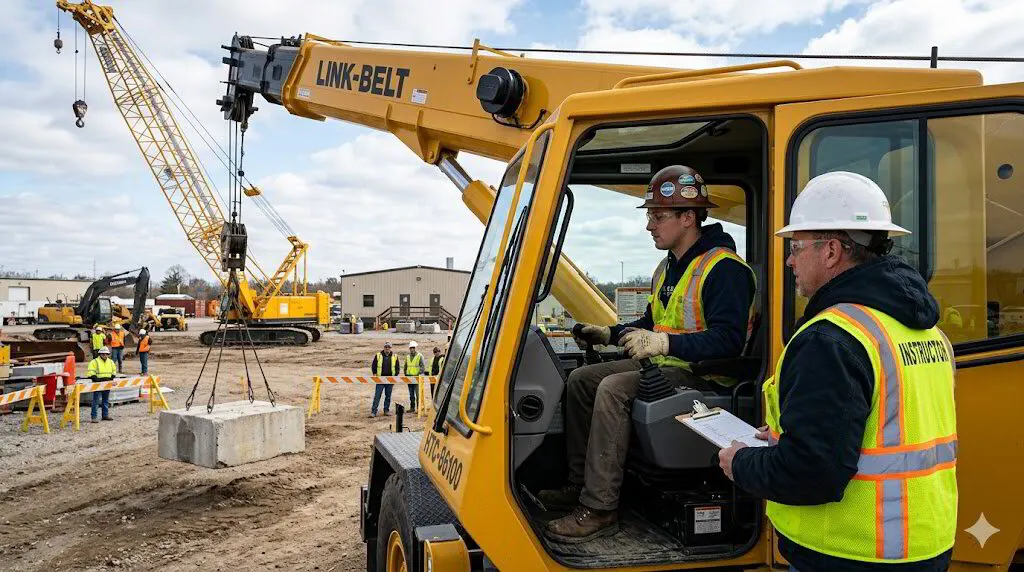 The Ultimate Guide to Crane Operator Field Training Programs: Certification & Career SuccessIn the ever-evolving construction industry, the need for certified crane operators is paramount, making effective…
-
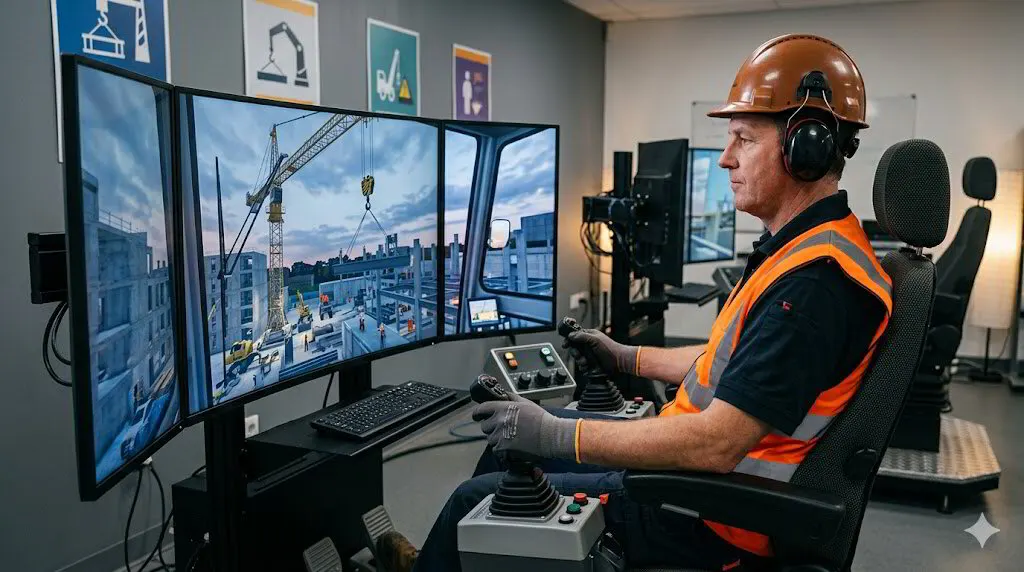 How Crane Simulators Enhance Operator Skills for Safer Construction PracticesAs the construction industry increasingly embraces technology, crane operator training has evolved significantly,…
-
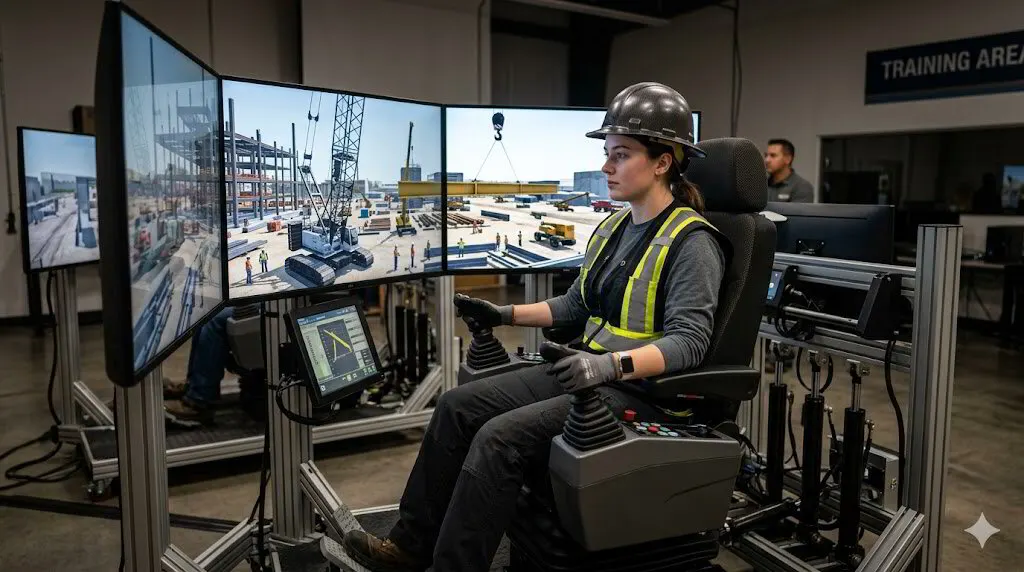 Unlocking Efficiency: The Benefits of Crane Simulator Training for Aspiring OperatorsCrane simulator training is revolutionizing the skill development of aspiring crane operators, offering a safe and…