Texas doesn't issue its own crane operator license, which makes the path simpler than in some states, but it also leaves people unsure what is actually required. Here is the sequence, from eligibility to your first day running a crane.
What "certified" means in Texas
Some states and cities run their own crane operator licensing. Texas doesn't. Private-sector construction in Texas falls under federal OSHA, so the rule that matters is 29 CFR 1926.1427: operators of most cranes on construction sites must be certified by an accredited testing organization for the type and capacity of crane they run. NCCCO is the organization most Texas contractors recognize.
So in Texas, "certified crane operator" in practice means holding NCCCO certification for your crane type, plus your employer's evaluation on its equipment.
Steps 1 and 2: Check eligibility, then choose a crane type
NCCCO candidates must be at least 18 years old and must meet NCCCO's medical requirements and comply with its substance abuse policy. You'll attest to these when you apply. Read the current candidate handbook for your crane type so nothing surprises you.
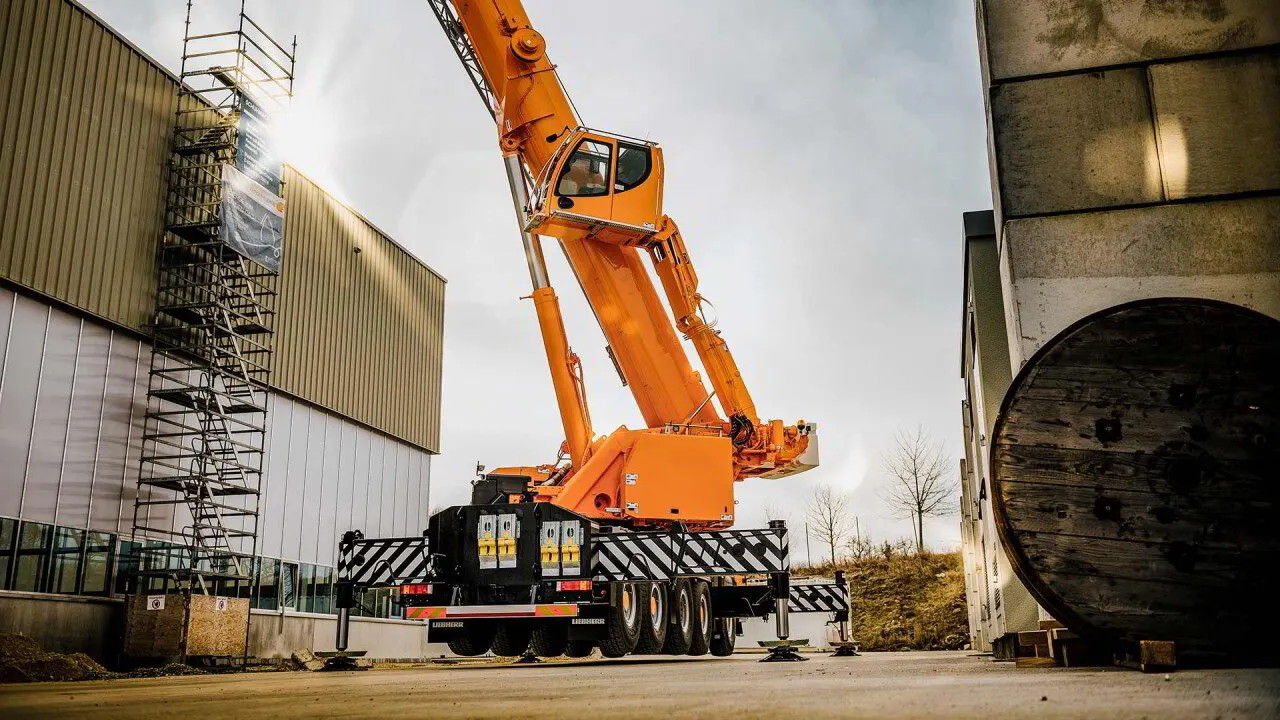
Certification is by crane type. Most Texas commercial, industrial and highway work runs on telescopic cranes, so a fixed cab or swing cab designation is the most common starting point. Downtown high-rise work in Dallas, Houston and Austin calls for tower crane operators. Refineries, plants and heavy civil jobs often use lattice boom crawlers.
Step 3: Train at a TWC-approved school
Training isn't optional in practice: OSHA requires operators to be trained, and the exams assume you know load charts, set-up and the rules. In Texas, look for a program approved by the Texas Workforce Commission. That approval also matters if you hope to use workforce funding, which is handled by the 28 local Workforce Solutions boards around the state. Veterans can ask about GI Bill® benefits.
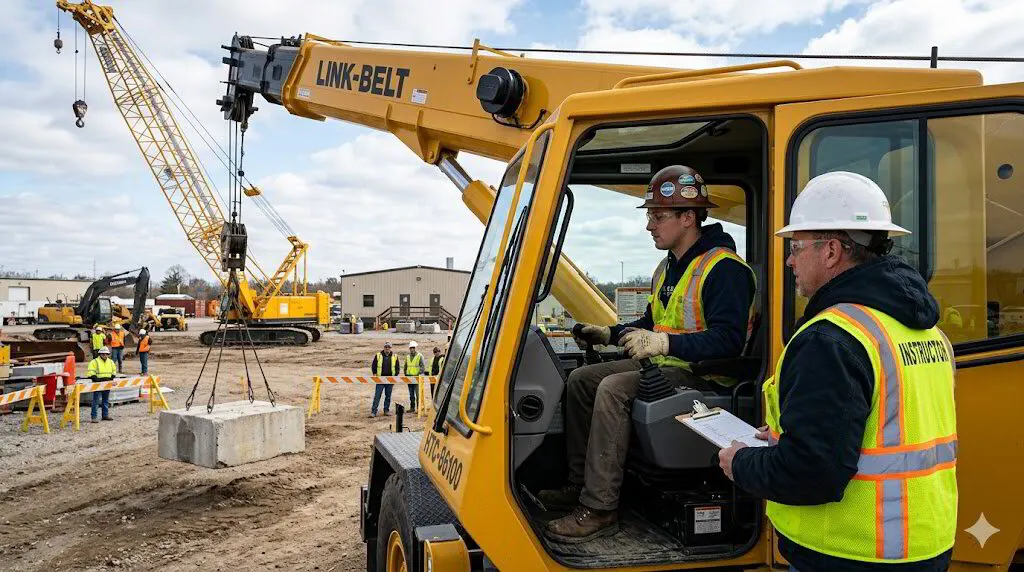
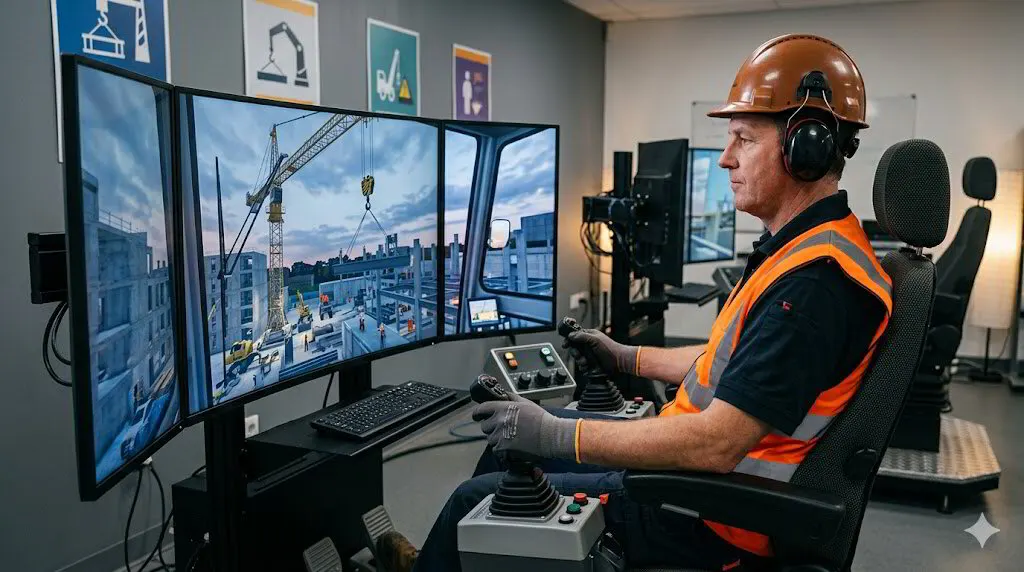
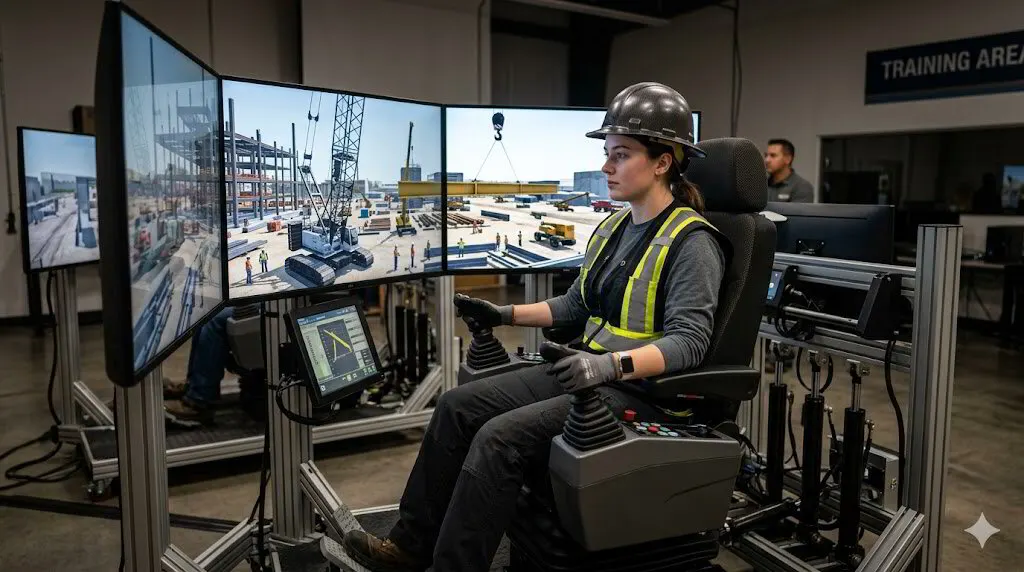
When you compare programs, ask which crane you'll actually operate, how much seat time you get, and whether the practical exam is given on site. A course built around the crane you'll test on, with plenty of load chart practice, makes the next two steps far less stressful. Ask too whether the school is a CCO Accredited Training Provider.
Steps 4 and 5: Pass the NCCCO written and practical exams
Written
Apply through your myCCO account. Mobile crane candidates take a core exam plus a specialty exam for each crane type. CCO delivers the exams by computer, online with a remote proctor, at a testing center, or at an authorized test site event.
Practical
The practical is a hands-on test on a crane of the type you're certifying for, given at an NCCCO practical exam site. NCCCO requires the written and practical to be passed within 12 months of each other. When both are done, NCCCO issues your certification.
Steps 6 and 7: Employer evaluation, then recertify
Before you operate alone, your employer must evaluate you on the specific equipment you'll use and document it. Many new operators work alongside an experienced operator at first.
NCCCO certification lasts five years. Track your hours by crane type: with at least 1,000 hours of crane-related experience in that period, NCCCO waives the practical exam for recertification.
Doing it all in Seagoville
Our school in Seagoville, southeast of Dallas, has 12 TWC-approved courses and is a CCO EDU Accredited Training Provider with an NCCCO practical exam site in our own yard. Students from across Texas drive in, and premium courses offer optional room and board for those coming from far away. New operators usually start with Mobile Crane Operations Fixed/Swing Cab 120 Hours; experienced hands often take Mobile Crane Operations Fixed/Swing Cab 40 Hours. See funding options to plan payment.
Texas certification questions
Does Texas require a state crane operator license?
No. Texas has no state crane operator license. Construction crane operators fall under federal OSHA's certification requirement in 29 CFR 1926.1427, which most employers meet with NCCCO certification.
Is NCCCO certification from Texas valid in other states?
NCCCO certification is a national credential. A few states and cities add their own licensing rules, so check local requirements before working there.
How old do I have to be to get NCCCO certified?
At least 18. You must also meet NCCCO's medical requirements and comply with its substance abuse policy.