
The construction and heavy lifting industries rely heavily on skilled crane operators who can safely and efficiently maneuver complex equipment. If you're wondering how to become a certified crane operator, you're entering a field that offers excellent career prospects, competitive wages, and the satisfaction of working with impressive machinery. Crane operator certification isn't just a professional advantage it's often a legal requirement for operating these powerful machines on construction sites.
The National Commission for the Certification of Crane Operators (NCCCO) sets the industry standard for crane operator certification, ensuring that professionals meet rigorous safety and competency requirements. This comprehensive certification process protects both operators and the construction teams they work alongside, reducing workplace accidents and ensuring projects run smoothly.
Understanding how to become a certified crane operator involves navigating training requirements, mastering both theoretical knowledge and practical skills, and successfully completing certification examinations. Whether you're starting your career in construction or looking to advance your current position, crane operator certification opens doors to specialized roles with higher earning potential and greater job security in an industry that continues to grow nationwide.
Understanding the Role of a Crane Operator
Crane operators serve as the backbone of construction, manufacturing, and heavy lifting operations across various industries. These skilled professionals are responsible for safely operating complex machinery that can lift, move, and position materials weighing thousands of pounds with precision accuracy. The role demands exceptional spatial awareness, mechanical understanding, and unwavering attention to safety protocols.
Key responsibilities include conducting pre-operational equipment inspections, interpreting load charts and capacity specifications, coordinating with ground crews and signal persons, and maintaining detailed operational logs. Crane operators must also assess weather conditions, ground stability, and surrounding hazards before beginning any lifting operation.
They work closely with project supervisors to understand lifting plans and ensure compliance with safety regulations.
Essential crane operator skills encompass both technical and soft competencies. Technical skills include understanding load dynamics, rigging principles, equipment maintenance, and emergency procedures. Operators must demonstrate proficiency in reading blueprints, calculating load weights, and operating various control systems. Equally important are communication skills, decision-making abilities, and the capacity to remain calm under pressure.
The construction industry utilizes several crane types, each requiring specialized knowledge.
Mobile cranes offer versatility for various job sites, while tower cranes provide height and reach for high-rise construction projects. Each crane type presents unique operational challenges and requires specific training to master safely and effectively.
Steps to Become a Certified Crane Operator
Learning how to become a certified crane operator requires following a structured pathway that combines education, training, and certification. The journey begins with researching specific requirements in your area, as some states have additional licensing requirements beyond NCCCO certification. Understanding these requirements early helps you plan your training timeline and budget accordingly.
The first step involves meeting basic eligibility requirements, which typically include being at least 18 years old, having a high school diploma or equivalent, and possessing a clean driving record. Some employers may require additional prerequisites, such as construction experience or completion of safety training programs. Physical fitness is also important, as crane operation can be physically demanding and requires good vision, hearing, and motor coordination.
Choosing the right crane training courses is crucial for success. Look for programs that offer comprehensive instruction covering both written and practical components of the NCCCO certification process. Quality training programs should provide hands-on experience with actual equipment, not just classroom instruction. Research training providers thoroughly, checking their success rates, instructor qualifications, and equipment availability.
Preparing for the NCCCO exam requires dedicated study and practice. The certification process includes both written and practical examinations that test your knowledge of crane operations, safety procedures, and equipment capabilities. Successful candidates typically spend several weeks studying technical materials, practicing with equipment, and reviewing safety protocols.
Consider your career goals when selecting certification types. Some operators begin with mobile crane certification before expanding to tower or lattice crane credentials. Others focus on becoming certified riggers or signal persons first, gaining valuable construction site experience before transitioning to crane operation. The path you choose should align with local job market demands and your long-term career objectives.
Types of Training Programs Available
Professional crane operator training encompasses various specialized programs designed to meet different career paths and industry needs. Mobile Crane Courses represent the most popular starting point for aspiring operators, covering hydraulic cranes commonly used in construction, utilities, and general lifting applications. These programs teach load chart interpretation, outrigger setup, boom operation, and safety procedures specific to mobile equipment. Students learn to operate cranes ranging from small carry decks to large rough terrain and all-terrain models.
Tower Crane Courses focus on the specialized equipment used in high-rise construction and urban development projects. These programs cover tower crane assembly, climbing procedures, load handling at height, and coordination with construction crews. Tower crane operation requires unique skills in managing loads over extended horizontal distances and working in confined urban environments. Training includes understanding weather limitations, communication protocols, and emergency procedures specific to tower crane operations.
Lattice Crane Courses prepare operators for heavy lifting applications using crawler cranes and conventional truck cranes. These powerful machines handle the heaviest loads in construction and industrial settings. Training covers boom assembly, counterweight configuration, ground preparation requirements, and specialized rigging techniques. Lattice crane operators often work on major infrastructure projects, requiring advanced planning and coordination skills.
Rigger & Signal Person Certification programs complement crane operator training by teaching essential support roles. Rigging certification covers proper sling selection, load attachment methods, and weight estimation techniques. Signal person training focuses on standard hand signals, radio communication protocols, and hazard recognition. Many crane operators pursue these additional certifications to increase their versatility and job opportunities.
Practical Training Sessions provide hands-on experience with actual equipment under instructor supervision. These sessions allow students to apply classroom knowledge in realistic scenarios, building confidence and competency before certification testing. Quality training programs offer extensive equipment practice time, ensuring students feel prepared for both certification exams and real-world job responsibilities.
The Certification Process
The NCCCO certification process consists of comprehensive written and practical examinations designed to verify operator competency and safety knowledge. Written exams cover crane operations theory, load charts, safety regulations, and equipment specifications. These computer-based tests include multiple-choice questions that assess understanding of fundamental principles and industry standards. Candidates must achieve a minimum passing score to proceed to practical testing.
Practical assessments evaluate hands-on operating skills using actual crane equipment. Test candidates perform various maneuvers including equipment inspection, load handling exercises, and emergency procedures. Certified evaluators score performance based on safety practices, operational smoothness, and adherence to proper procedures. The practical exam typically takes several hours and covers multiple operational scenarios.
Different crane types require separate certifications, allowing operators to specialize in their preferred equipment categories. Each certification has specific testing requirements tailored to that equipment type's unique operational characteristics and safety considerations.
Preparation for certification testing should include thorough study of NCCCO reference materials, hands-on practice with qualified instructors, and review of relevant safety standards.
Many candidates benefit from structured construction safety training that covers OSHA regulations and industry best practices. Mock examinations and practice sessions help identify knowledge gaps before actual testing.
Recertification requirements ensure operators maintain current knowledge and skills throughout their careers. NCCCO certifications remain valid for five years, after which operators must complete recertification testing or continuing education requirements. Some certifications offer recertification options through approved training programs, while others require retesting. Staying current with certification requirements is essential for maintaining employment eligibility and professional credibility.
Benefits of NCCCO Certification
NCCCO certification opens significant career advancement opportunities in construction, manufacturing, and industrial sectors. Certified operators typically earn higher wages than non-certified workers, with many positions requiring certification as a minimum qualification.
The credential demonstrates professional competency to employers, often leading to supervisory roles, specialized assignments, and increased job responsibilities. Many certified operators advance to become crane inspectors, training instructors, or project supervisors.
Workplace safety improvements represent perhaps the most important benefit of proper certification. Certified operators understand load dynamics, equipment limitations, and hazard recognition principles that prevent accidents and equipment damage. This knowledge protects not only the operator but also ground crews, bystanders, and property. Insurance companies often provide better coverage rates for projects using certified operators, recognizing the reduced risk profile.
Employer recognition of NCCCO certification continues to grow as industry standards become more stringent. Many major construction companies, utilities, and manufacturing facilities now require certification for all crane operators. Government contracts frequently specify certified operators as project requirements. This widespread acceptance ensures certified operators have access to the best job opportunities and most stable employment situations.
The certification also provides professional credibility and personal confidence. Operators who have successfully completed rigorous testing know they possess the knowledge and skills necessary for safe, efficient crane operation. This confidence translates into better job performance and career satisfaction. Additionally, the portable nature of NCCCO certification allows operators to work across state lines and with different employers without additional testing requirements.
Conclusion
Understanding how to become a certified crane operator involves commitment to professional development, safety excellence, and continuous learning. The pathway from initial interest to NCCCO certification requires dedication, proper training, and thorough preparation for both written and practical examinations. However, the investment in certification pays dividends through improved career prospects, higher earning potential, and the satisfaction of working in a skilled trade that builds America's infrastructure.
The crane operation field offers stability and growth opportunities for dedicated professionals.
As construction activity continues expanding and infrastructure projects increase nationwide, demand for certified crane operators remains strong. Whether you're entering the workforce or advancing your construction career, crane operator certification provides a solid foundation for long-term success.
Success in crane operation depends on choosing quality training programs that provide comprehensive instruction and adequate hands-on practice time. The combination of theoretical knowledge and practical experience ensures operators can handle real-world challenges safely and efficiently.
Ready to start your journey toward crane operator certification?
Miller Crane Works offers comprehensive training programs including Mobile Crane Courses, Tower Crane Courses, Lattice Crane Courses, and Rigger & Signal Person Certification. Our experienced instructors provide the hands-on training and exam preparation you need to succeed. Visit https://millercraneworks.com/ to learn more about our practical training sessions and schedule your path to certification today.
-
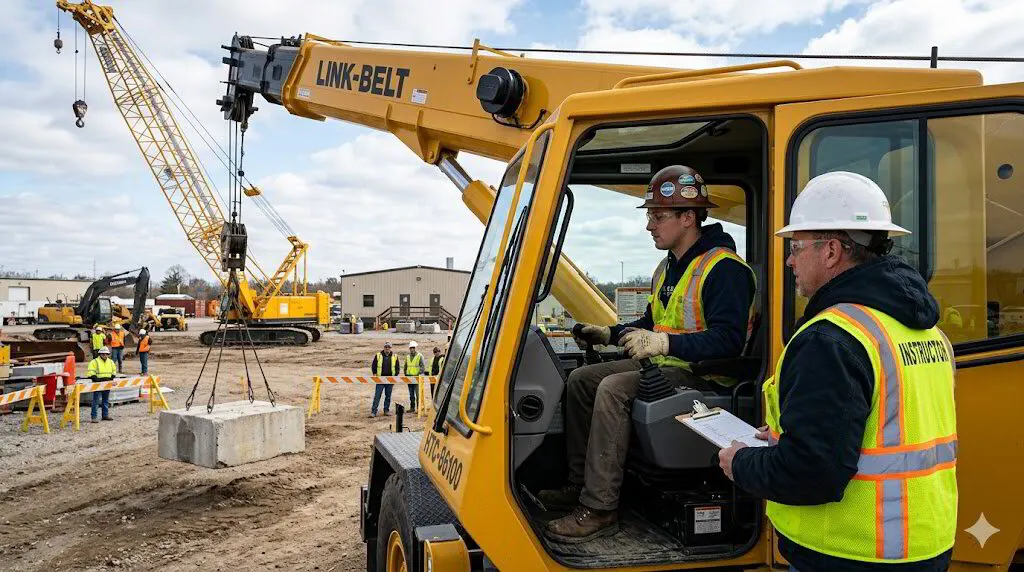 The Ultimate Guide to Crane Operator Field Training Programs: Certification & Career SuccessIn the ever-evolving construction industry, the need for certified crane operators is paramount, making effective…
-
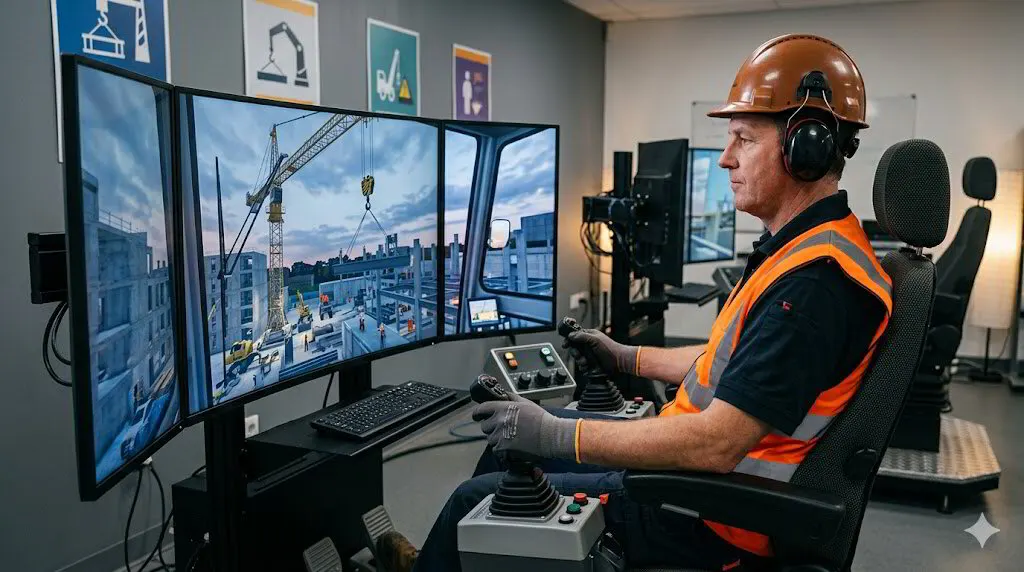 How Crane Simulators Enhance Operator Skills for Safer Construction PracticesAs the construction industry increasingly embraces technology, crane operator training has evolved significantly,…
-
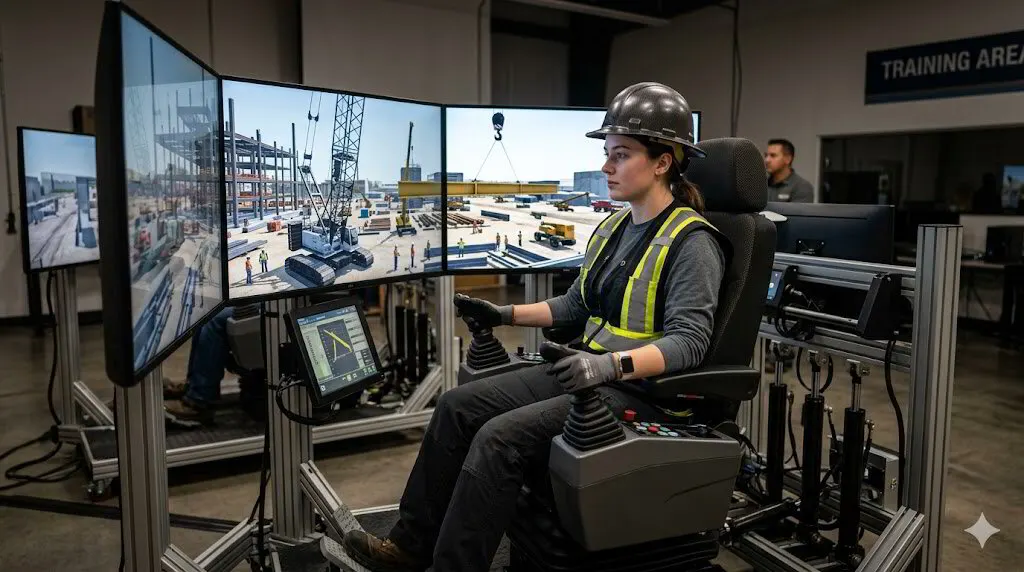 Unlocking Efficiency: The Benefits of Crane Simulator Training for Aspiring OperatorsCrane simulator training is revolutionizing the skill development of aspiring crane operators, offering a safe and…