
The importance of safety protocols in crane operation cannot be overstated, especially considering that a significant percentage of workplace accidents involve cranes. With the complexity of crane operations and the potential hazards associated with lifting heavy loads, adhering to stringent safety measures is not just a regulatory requirement but a moral imperative. Each year, thousands of workers are injured or even lose their lives due to preventable accidents related to crane usage. So, how can organizations mitigate these risks? By understanding and implementing well-defined safety protocols, companies can not only protect their employees but also enhance productivity and reputation in the industry. In this blog post, we will delve into the critical aspects of crane operations, the pivotal role of safety protocols, and the myriad benefits they bring to both workers and organizations alike.
Understanding Crane Operation and Its Risks
Crane operation is an essential component of various industries, including construction, manufacturing, and logistics. However, it comes with inherent risks that can lead to serious accidents and fatalities. Understanding these risks is crucial for ensuring safety on job sites.
Common hazards associated with crane operation include:
- Overloading: Exceeding the crane's lifting capacity can result in tipping and structural failure.
- Improper setup: Not stabilizing the crane correctly can lead to accidents.
- Electrical hazards: Working near power lines can cause electrocution.
- Poor communication: Inadequate signaling between operator and crew can lead to miscalculations during lifts.
The Role of Safety Protocols Safety protocols serve as the foundation for a culture of safety within crane operation. These guidelines are designed to minimize risks and ensure that all personnel on the job site are aware of their responsibilities and the safety measures in place.
- Definition and Purpose: Safety protocols are established rules and procedures that govern how equipment is operated and maintained safely. They are vital in promoting awareness and adherence to safe work practices.
- Enhancing Operational Efficiency: By implementing safety protocols, companies can streamline operations, reduce downtime, and foster an environment where workers feel secure.
Key Safety Protocols in Crane Operation To ensure the effectiveness of crane operations, certain safety protocols must be followed diligently. These include:
- Pre-operation Safety Checks:
○ Conduct thorough equipment inspections to identify any potential issues before operation.
○ Perform site assessments to ensure a safe operating environment.
- Operator Training and Certification:
○ Importance of obtaining proper NCCCO certification, which signifies that operators
have met recognized safety standards.
○ Encourage continuous education on the latest safety practices and technologies in
crane operation.
- Use of Personal Protective Equipment (PPE):
○ Ensure all personnel wear appropriate PPE, such as hard hats, gloves, and steel-toed boots, to enhance safety during operations.
- Effective Communication Methods On-site:
○ Establish a clear communication system among crew members, utilizing hand signals and radios
to minimize confusion.
Legal and Regulatory Requirements Compliance with legal and regulatory requirements is critical for crane operation. The Occupational Safety
and Health Administration (OSHA) outlines regulations that govern the safe use of cranes. Understanding
and adhering to these regulations not only protects workers but also helps companies avoid costly penalties.
For more information on OSHA regulations, you can visit OSHA Crane Regulations.
Benefits
of Implementing Safety Protocols
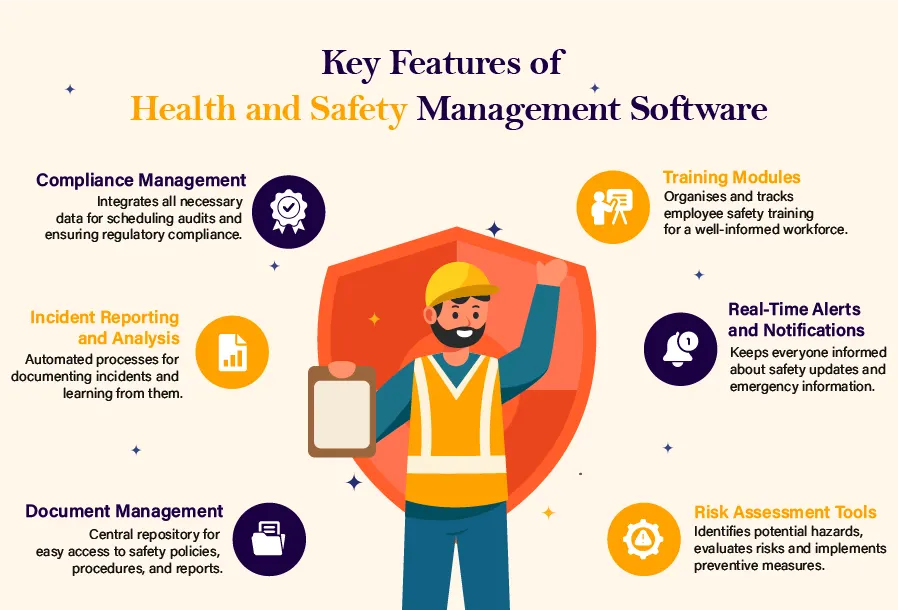
The importance of safety protocols in crane operation extends beyond compliance. Implementing these protocols offers several benefits:
- Minimizing Accidents and Injuries: A strong focus on safety can significantly decrease the number of workplace accidents.
- Reducing Liability and Insurance Costs: Companies that prioritize safety may benefit from lower insurance premiums and reduced liability claims.
- Enhancing Workplace Morale and Productivity: A safe working environment leads to improved employee satisfaction and increased productivity.
By recognizing the importance of safety protocols in crane operation, companies can foster a safer work environment, ensuring the well-being of their employees and the success of their operations.
Benefits of Implementing Safety Protocols
The importance of safety protocols in crane operation cannot be overstated, as these protocols contribute significantly to the overall effectiveness and safety of crane operations. The adoption of robust safety measures leads to a safer workplace environment, not only for crane operators but also for all personnel present at the job site.
1.Minimizing Accidents and Injuries Establishing clear safety protocols significantly reduces the likelihood of accidents and injuries. By ensuring all workers are well-trained and aware of protocols, the chances of mishaps occurring during operations are greatly diminished.
2.Reducing Liability and Insurance Costs When safety protocols are effectively implemented, companies can expect a reduction in workplace accidents. This, in turn, can lead to lower liability claims and insurance premiums. Insurers often reward companies with better rates when they demonstrate a commitment to safety.
3.Enhancing Workplace Morale and Productivity Workers who feel safe are more likely to be productive and engaged. A workplace that prioritizes safety measures instills confidence in employees, leading to heightened morale and better overall performance. When workers know that they are protected, they can focus on their tasks without the distraction of potential hazards.
4.Improving Reputation and Trust Companies that adhere to safety protocols can build a reputation for reliability and care for their employees. This not only attracts talented workers but also builds trust with clients and stakeholders. A strong safety record is often viewed favorably during contract bids and project planning.
5.Contributing to Regulatory Compliance Following established safety protocols ensures compliance with local, state, and federal regulations. Staying current with OSHA and other safety standards minimizes the risk of legal repercussions and helps maintain smooth operations.
To explore more about safety measures and compliance in your industry, you can visit National Safety Council.
By acknowledging the importance of safety protocols in crane operation, companies can create a work environment that promotes safety, efficiency, and reliability, ultimately leading to enhanced operational success.
Legal and Regulatory Requirements Understanding the legal and regulatory landscape surrounding crane operations is essential for all companies engaged in this industry. The importance of safety protocols in crane operation is deeply intertwined with compliance to these regulations, ensuring not only the safety of personnel but also the legitimacy and trustworthiness of the operation itself.
1. Overview of OSHA Regulations
The Occupational Safety and Health Administration (OSHA) sets pivotal regulations that govern the safe use of cranes in various settings. Some key regulations include:
- 29 CFR 1926.550: This standard outlines the requirements for the safe operation of cranes, including equipment design, use, and maintenance.
- 29 CFR 1926.753: It covers the safety requirements for steel erection operations using cranes, aiming to ensure that these jobs are completed without incident.
2. Importance of Compliance
Adhering to OSHA regulations is not just a legal necessity; it also plays a crucial role in the operational integrity of crane-related tasks. Benefits of compliance include:
- Reducing Workplace Accidents: Following OSHA guidelines helps prevent injuries and fatalities by mandating safety measures and protocols.
- Avoiding Fines and Penalties: Companies that do not comply with OSHA regulations may face significant fines or legal action, which can impact their financial standing.
- Promoting a Culture of Safety: Compliance fosters a culture of safety, where all employees recognize the importance of following protocols to protect themselves and their coworkers.
3. Local and State Regulations
In addition to federal regulations, many states and local jurisdictions have additional safety requirements for crane operation. Companies should familiarize themselves with these regulations to avoid conflicts and ensure comprehensive safety practices.
4. Resources for Compliance
To help organizations navigate the complexities of crane operation regulations, various resources are available, including training programs, compliance checklists, and industry guidelines from recognized entities. One such resource is National Commission for the Certification of Crane Operators (NCCCO), which provides vital information on certification standards and safety practices.
By thoroughly understanding and adhering to the legal and regulatory requirements surrounding crane operation, companies can better appreciate the importance of safety protocols in crane operation, safeguarding their employees and enhancing overall operational efficiency.
Understanding Key Safety Protocols in Crane Operation To effectively mitigate risks in crane operation, it is essential to recognize and implement key safety protocols. The importance of safety protocols in crane operation becomes evident when we evaluate their impact on accident prevention, operational efficiency, and regulatory compliance.
1. Pre-operation Safety Checks
Before any crane operation begins, several critical safety checks must be conducted to ensure all systems are functioning correctly:
- Equipment Inspection: Inspecting cranes for mechanical issues, including hoists, rigging, and brakes. This should be done daily or before each shift.
- Site Assessments: Evaluating the worksite for hazards, such as overhead power lines, unstable ground, and nearby structures.
2. Operator Training and Certification
Proper training is fundamental in establishing safety protocols. This includes:
- NCCCO Certification: Operators should obtain certification from the National Commission for the Certification of Crane Operators (NCCCO). This ensures they possess the necessary skills and knowledge to operate cranes safely.
- Ongoing Education: Providing refresher courses and updates on new technologies and regulations helps maintain a high level of safety awareness.
3. Usage of Personal Protective Equipment (PPE)
Wearing appropriate PPE is critical in minimizing risks. Essential gear includes:
- Hard hats: Protect against falling objects.
- Safety glasses: Prevent injuries from debris.
- High-visibility clothing: Enhances visibility and safety on site.
4. Effective Communication Methods On-site
Clear and efficient communication is vital for safe crane operations. Implementing the following practices ensures everyone on the job site is informed:
- Hand Signals: Have standardized hand signals for operators and ground personnel to communicate effectively.
- Two-way Radios: Utilize radios to convey instructions and monitor conditions quickly.
5. Emergency Response Planning
Establishing protocols for emergencies is integral to crane operations. Ensure that:
- Emergency contacts: List of key personnel and emergency services is readily available.
- Drills and Procedures: Conduct regular training on emergency response procedures for accidents and equipment failure.
By adopting these key safety protocols, organizations can effectively address the importance of safety protocols in crane operation. Ultimately, these measures lead to safer working environments and improved operational outcomes.
For more detailed resources on crane safety and protocols, you can visit OSHA.
Conclusion: Prioritizing Safety in Crane Operation
In conclusion, the importance of safety protocols in crane operation cannot be overstated. These protocols are not merely recommendations; they are essential strategies that ensure the well-being of all workers involved in crane activities and the overall success of projects.
Key Takeaways:
- Accident Prevention: Implementing effective safety protocols significantly reduces the risk of accidents, protecting both operators and bystanders.
- Regulatory Compliance: Adhering to OSHA and local regulations helps avoid legal issues and fosters a culture of safety within organizations.
- Operational Efficiency: A strong focus on safety can enhance productivity and efficiency, as teams work with confidence and clarity when safety measures are in place.
Call to Action:
It is crucial for crane operators and companies to continually invest in training, equipment checks, and adherence to safety protocols. Emphasizing a safety-first culture is vital for achieving not only compliance but also fostering trust among clients and employees.
For more comprehensive information regarding crane safety practices and standards, resources such as National Safety Council provide valuable insights and guidelines that can help organizations strengthen their safety protocols.
By understanding and appreciating the importance of safety protocols in crane operation, everyone involved can contribute to safer, more successful job sites.
Case Studies: Demonstrating the Importance of Safety Protocols
Examining real-world examples of crane operation can provide critical insights into the importance of safety protocols in crane operation. Analyzing incidents that occurred due to inadequate safety measures can help reinforce the necessity of comprehensive safety practices.
1. Incident Analysis: Lack of Pre-Operation Checks
In one case, a construction company faced a significant accident when a crane malfunctioned during a lift. Upon investigation, it was revealed that proper pre-operation safety checks had not been performed. Key takeaways from this incident include:
Importance of conducting rigorous equipment inspections before operation.
Need for regular maintenance schedules to ensure machinery is in optimal condition.
2. Communication Breakdown Leading to Injury
In another scenario, a crane operator and a ground worker miscommunicated during a load lift, resulting in a serious injury. This incident highlighted:
The critical role of effective communication protocols among crew members on site.
The necessity of standard hand signals and use of radios to eliminate misunderstandings.
3. Training Deficiencies in Operator Skills
A recent incident in a manufacturing facility demonstrated the consequences of insufficient operator training. The crane operator, lacking the required NCCCO certification, caused an accident while maneuvering heavy materials. Key points from this case include:
Emphasizing the significance of comprehensive training and certification programs for crane operators.
Reviewing and updating training content regularly to reflect current best practices and technological advancements.
4. Resulting Benefits of Improved Safety Protocols
Following these incidents, many organizations began to reassess their safety practices. Implementing stricter protocols led to:
A marked decrease in accidents and injuries on job sites.
Enhanced employee morale as workers feel safer and more valued in a well-organized environment.
By analyzing these case studies, we can glean vital lessons regarding the importance of safety protocols in crane operation. Such insights not only promote a deeper understanding of potential risks but also encourage companies to prioritize safety measures proactively.
For additional information on safety practices within the industry, resources from American Crane & Tractor Equipment can offer guidance on best practices and emerging safety technologies.
Benefits of a Strong Safety Culture
The importance of safety protocols in crane operation extends beyond mere compliance with regulations; it fosters a robust safety culture within organizations. A strong safety culture encourages proactive measures that not only protect workers but also enhance overall operational effectiveness. Here are some key benefits of cultivating a safety-focused environment:
1. Enhanced Safety Awareness When organizations prioritize safety protocols, employees are more likely to recognize and report unsafe conditions. This heightened awareness leads to a culture where safety is ingrained in daily operations.
Regular Training: Ongoing training sessions help reinforce the significance of safety measures and equip employees with the skills necessary to identify potential hazards.
Safety Meetings: Conducting regular safety discussions encourages team members to share insights and experiences related to maintaining a safe work environment.
2. Improved Employee Retention and Satisfaction A culture of safety not only protects workers but also promotes job satisfaction.
Feeling Valued: Employees who perceive that their safety is a priority are more likely to feel valued and committed to their organization.
Lower Turnover Rates: Companies with strong safety records often experience lower employee turnover, leading to increased experience and expertise among the workforce.
3. Increased Operational Efficiency A well-implemented safety culture results in smoother operations.
Reduced Downtime: Fewer accidents mean less downtime for repairs and investigations, allowing operations to proceed without interruption.
Streamlined Processes: By adhering to established safety protocols, workers can perform their tasks more efficiently and confidently, leading to increased productivity.
4. Positive Reputation and Client Trust Organizations that prioritize safety protocols can build a positive reputation in the industry.
Enhanced Credibility: Clients and stakeholders are more likely to trust companies with a proven commitment to safety, which can lead to more business opportunities.
Competitive Advantage: A strong safety record can distinguish a company from its competitors, providing a valuable edge in the market.
Conclusion Fostering a strong safety culture is instrumental in recognizing the importance of safety protocols in crane operation. As organizations embrace these values, they not only ensure the safety of their workers but also contribute to greater productivity, employee satisfaction, and long-term success.
For further resources on developing safety culture in the workplace, consider visiting National Institute for Occupational Safety and Health (NIOSH).
What are safety protocols in crane operation?
Safety protocols in crane operation are established guidelines and procedures designed to ensure the safe and efficient use of cranes. These protocols encompass pre-operation checks, operator training, effective communication methods, and compliance with legal regulations, all aimed at minimizing risks and preventing accidents on job sites.
Why is operator training important for crane safety?
Operator training is crucial for crane safety as it equips individuals with the necessary skills and knowledge to operate cranes safely and efficiently. Proper training, such as obtaining NCCCO certification, ensures that operators understand the mechanics of the equipment, recognize potential hazards, and know how to execute emergency procedures when needed.
How can companies improve their safety culture?
Companies can improve their safety culture by actively promoting safety awareness among employees, providing regular training sessions, conducting safety meetings, and encouraging open communication about safety concerns. When safety becomes a core value, workers feel empowered to prioritize their well-being and that of their colleagues.
What are the consequences of ignoring safety protocols in crane operation?
Ignoring safety protocols in crane operation can lead to serious consequences, including accidents, injuries, and fatalities. Additionally, non-compliance with safety regulations may result in legal repercussions, financial losses due to fines, increased insurance premiums, and damage to a company's reputation.
How do safety protocols benefit companies beyond compliance?
Beyond compliance, safety protocols benefit companies by enhancing operational efficiency, reducing downtime due to accidents, improving employee morale and retention, and building trust with clients and stakeholders. A strong safety record can serve as a competitive advantage, attracting more business opportunities and fostering a positive workplace culture.
Team up with Miller Crane Works for exceptional exterior transformations.
Enhancing your home’s curb appeal with smart exterior upgrades is an investment that boosts both beauty and value. At Miller Crane Works, we’re committed to turning your vision into reality with expert services and top-quality materials. Whether you’re interested in refreshing your landscaping, updating your siding, or improving your outdoor lighting, our experienced team is ready to assist. For more details or to schedule a consultation, contact Miller Crane Works today. Transform your home’s exterior into a stunning, inviting space you’ll enjoy for years to come.

-
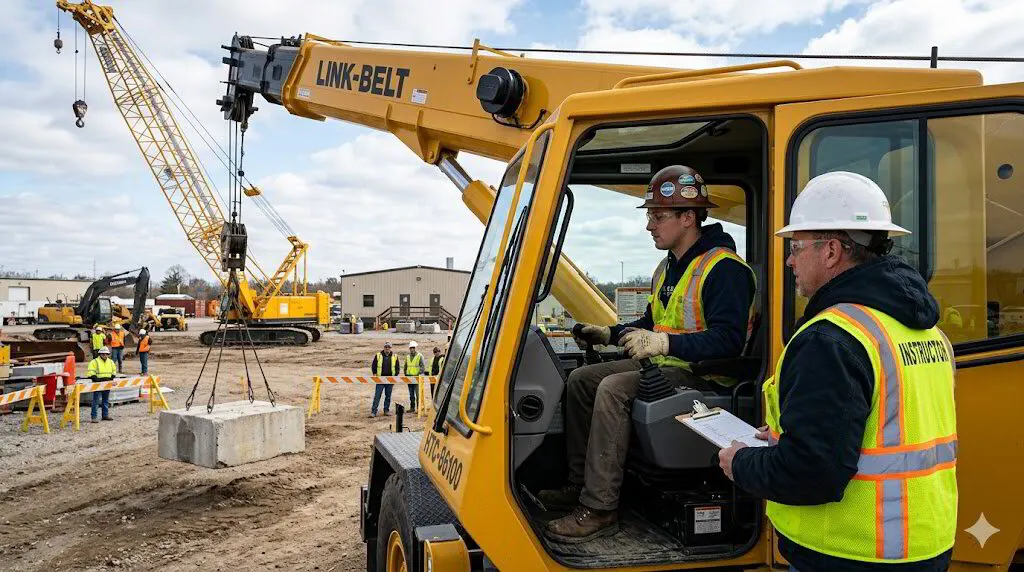 The Ultimate Guide to Crane Operator Field Training Programs: Certification & Career SuccessIn the ever-evolving construction industry, the need for certified crane operators is paramount, making effective…
-
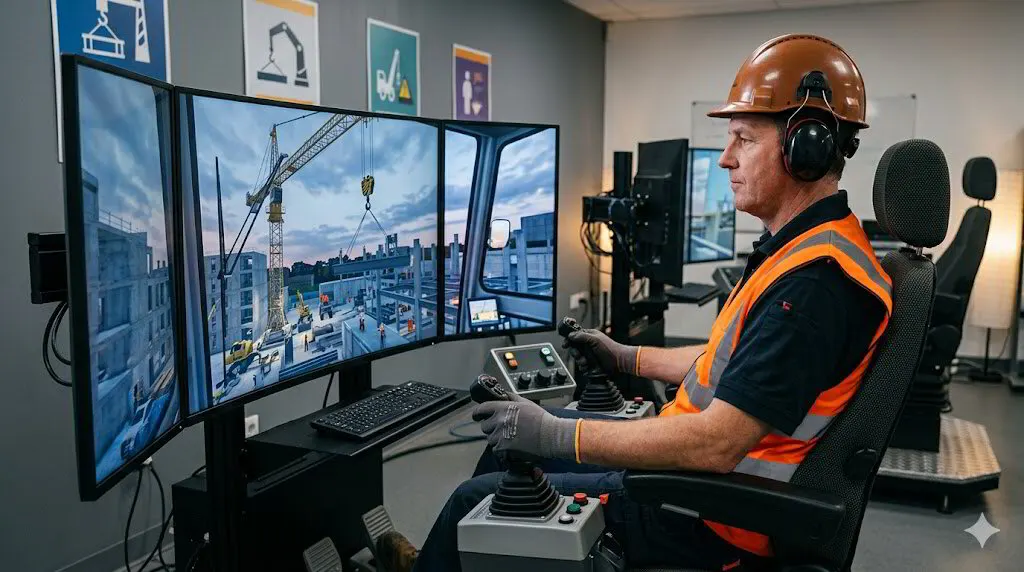 How Crane Simulators Enhance Operator Skills for Safer Construction PracticesAs the construction industry increasingly embraces technology, crane operator training has evolved significantly,…
-
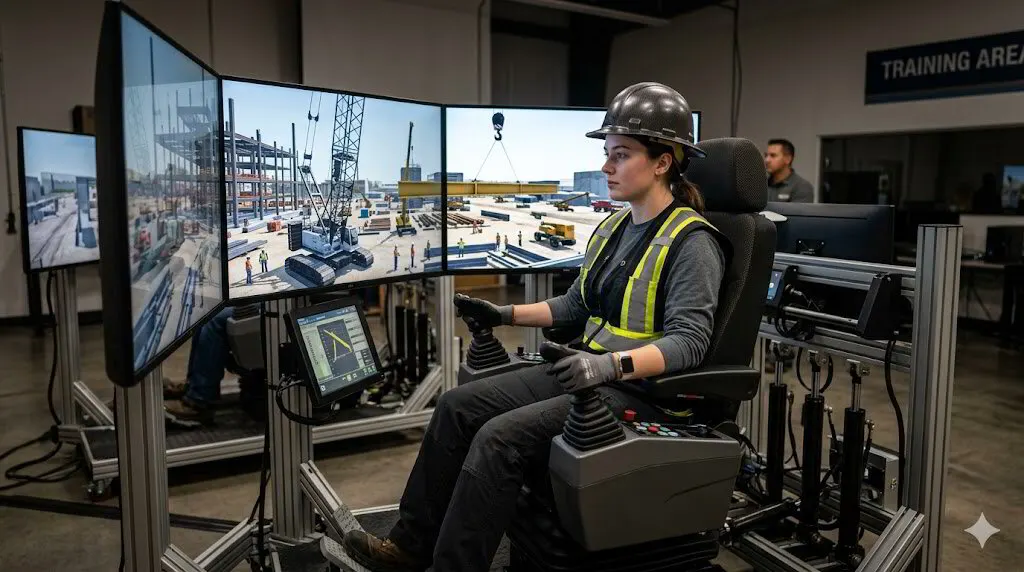 Unlocking Efficiency: The Benefits of Crane Simulator Training for Aspiring OperatorsCrane simulator training is revolutionizing the skill development of aspiring crane operators, offering a safe and…