
The importance of safety protocols in crane operation cannot be overstated, especially when considering that crane-related accidents can lead to severe injuries or even fatalities. Each year, numerous workers face life-altering consequences due to lapses in safety measures while operating these powerful machines. With construction sites becoming increasingly complex and busy, understanding and adhering to established safety protocols is not just a regulatory requirement but a moral obligation. So, how can crane operators and companies ensure a safer working environment? This blog post will delve into the critical elements of safety protocols, their significance, and practical best practices to minimize risks and enhance safety in crane operations.
Understanding Crane Operation Safety
Crane operation is a highly skilled profession that involves the precise handling of heavy loads.
Given the significant risks associated with operating cranes, understanding safety protocols is essential. By implementing effective safety measures, operators can mitigate hazards, protect themselves, and ensure the safety of those around them.
Common Crane Hazards
- Overloading and instability
- Electrical hazards
- Worker proximity to the crane
- Mechanical failures
Importance of Safety Protocols in Crane Operation The implementation of safety protocols in crane operation is critical for preventing accidents and injuries. These protocols not only comply with legal regulations but also establish a culture of safety among operators and workers on-site.
Legal Regulations and Compliance Compliance with safety regulations is not just advisable but required. Governing bodies, such as the Occupational Safety and Health Administration (OSHA), set strict guidelines for crane operations. Awareness of these regulations helps ensure that operators follow best practices, which can include:
- Conducting daily safety assessments
- Participating in regular safety meetings
- Keeping a log of inspections and maintenance
Elements of Effective Safety Protocols To be effective, safety protocols must encompass various elements that address both training and equipment readiness. Here are the key components:
Training and Certification Requirements Proper training is the cornerstone of safe crane operation. Certification programs such as the National Commission for the Certification of Crane Operators (NCCCO) provide essential education that covers:
- Equipment operation
- Safety procedures
- Risk assessment
Equipment Inspection and Maintenance Regular inspections and maintenance are vital to ensure that equipment operates safely.
Operators should be trained to conduct checks for:
- Operational integrity
- Hydraulic system functionality
- Structural integrity
Personal Protective Equipment (PPE)
Using appropriate PPE reduces risks during crane operation. Essential safety gear includes:
- Hard hats
- Steel-toed boots
- High-visibility vests
- Safety glasses
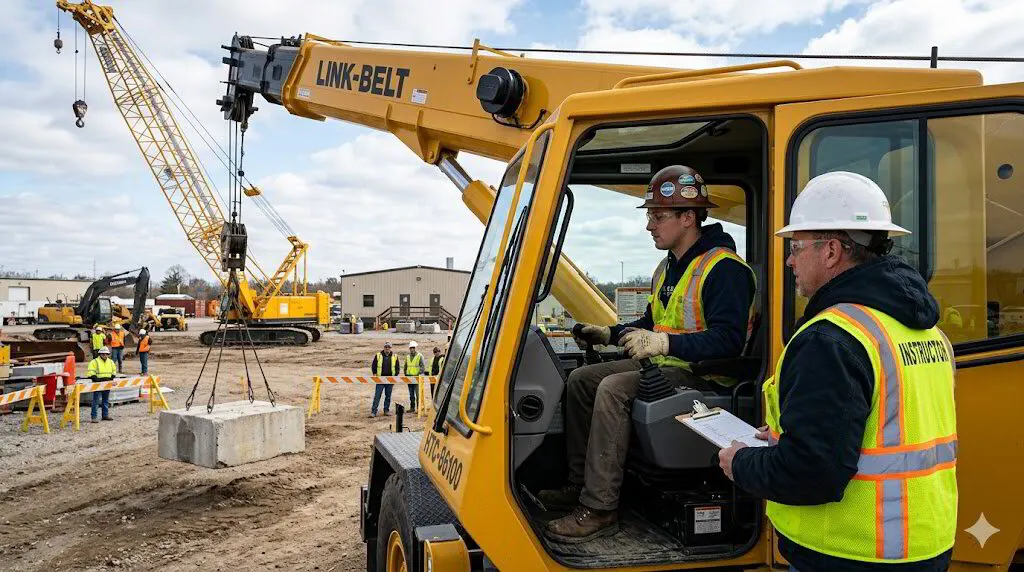
The Role of Training in Enhancing Safety In-person training at a yard, specifically tailored for crane operation, significantly increases safety standards.
Through programs such as NCCCO crane certification courses, operators are equipped with practical skills and knowledge that directly address workplace hazards.
For more detailed insights on crane safety practices, you can visit OSHA's Safety Guidelines.
Best Practices for Crane Operators
Incorporating best practices into daily routines fosters a safer work environment. Operators should focus on:
- Conducting daily safety checks before usage
- Fostering clear communication with team members
- Reporting incidents and near misses for continuous improvement
By prioritizing the importance of safety protocols in crane operation, companies not only uphold legal standards but also demonstrate a commitment to the well-being of their workforce. This commitment helps build a culture in which safety is a shared responsibility.
Consequences of Neglecting Safety Protocols The risks associated with inadequate safety protocols in crane operation can have severe consequences, not only for the operators but also for the entire job site. Ignoring the importance of safety protocols can lead to a variety of negative outcomes, including injuries, financial losses, and damage to company reputation.
Risks to Operators and Ground Personnel When safety protocols are neglected, the likelihood of accidents increases substantially.
Operators may face:
- Serious injuries or fatalities due to equipment failure
- Risks from falling objects or load slippage
- Injuries caused by improper communication among team members
Financial Implications of Accidents Neglecting safety protocols can have a significant financial impact on organizations. Costs associated with crane-related accidents may include:
- Medical expenses for injured workers
- Legal fees resulting from lawsuits
- Downtime due to equipment repair
- Increased insurance premiums
Impact on Project Timelines and Reputation Accidents can cause substantial delays in project timelines, leading to:
- Loss of client trust
- Damaged relationships with contractors and stakeholders
- Increased construction costs due to delays
Ultimately, the long-term effects of ignoring the importance of safety protocols in crane operation can jeopardize a company’s future in the industry. By investing in proper training and adhering to established safety standards, organizations can minimize these risks and promote a safer work environment.
For additional resources on crane safety and accident prevention, visit National Safety Council.
Continuous Improvement in Safety Protocols
To ensure ongoing safety in crane operation, a commitment to continuous improvement is essential. Regularly updating and refining safety protocols based on new information and technologies can significantly enhance workplace safety and efficiency. The importance of safety protocols in crane operation cannot be overstated, as they are dynamic and should evolve with changing conditions and best practices.
Regular Safety Audits Conducting systematic safety audits provides valuable insights into the effectiveness of current protocols. These audits help identify:
- Areas for improvement
- Compliance with regulatory standards
- Trends in incidents or near misses
Incorporating Feedback and Lessons Learned Creating a culture of openness regarding safety is crucial. Encouraging operators and workers to share their experiences leads to:
- Better identification of risks
- Development of new safety strategies
- Enhanced team collaboration
Advances in Technology for Safety Enhancement The integration of technology can play a vital role in improving safety protocols. Innovative solutions include:
- Load monitoring systems to prevent overloading
- Remote monitoring for crane operations
- Augmented reality (AR) training programs for operators
Establishing a proactive approach to the importance of safety protocols in crane operation not only protects workers but also contributes to a more efficient and compliant work environment.
By embracing improvements and advancements, organizations can ensure that they remain at the forefront of safety best practices.
For more information on workplace safety advancements, visit National Institute for Occupational Safety and Health (NIOSH).
Conclusion: Commitment to Safety in Crane Operation
In conclusion, the importance of safety protocols in crane operation is paramount for protecting workers, maintaining project integrity, and upholding company reputation. By prioritizing safety, organizations not only comply with regulations but also foster a culture of responsibility and care among their teams.
Summary of Key Safety Practices To encapsulate the core elements of effective safety protocols, consider the following best practices that should be ingrained in every crane operation:
- Comprehensive Training: Ensure that all crane operators are properly trained and certified, such as through NCCCO courses.Exam results depend on the candidate. This school does not promise a passing result or a job.
- Personal Protective Equipment (PPE): Enforce the use of adequate PPE to shield operators from potential hazards.
- Clear Communication: Establish robust communication systems between operators and ground personnel to avoid misunderstandings.
- Incident Reporting: Encourage a transparent culture where all incidents, even near misses, are reported and analyzed for future learning.
Encouragement for Ongoing Education and Training Investing in ongoing education and refresher training not only helps improve safety skills among crane operators but also empowers the entire workforce to recognize and mitigate risks. Keeping abreast of changes in technology, regulations, and best practices is essential for staying ahead in the industry.
For organizations looking to enhance their safety standards, continuous evaluation and improvement of protocols is crucial. This commitment ensures a safer working environment, bolsters productivity, and protects valuable resources. For further guidance on workplace safety, consider visiting American National Standards Institute (ANSI).
The Role of Training in Enhancing Safety
One of the most critical aspects of the importance of safety protocols in crane operation is the role of training. Effective training programs not only equip operators with the necessary skills but also instill a safety-first mindset that benefits everyone on the job site.
Importance of in-person training in-person training offers practical experience that classroom learning alone cannot provide.
Students can observe and practice in real-time under the guidance of experienced instructors.
Key benefits of in-person training include:
- Hands-On Experience: Operators can learn how to handle actual equipment and navigate real job site conditions.
- Immediate Feedback: Instructors can provide instant feedback, allowing students to correct mistakes on the spot.
- Relevance: Training can be tailored to specific equipment and project requirements, making it directly applicable to the students' day-to-day responsibilities.
Overview of NCCCO Crane Certification Courses One established program that highlights the importance of safety protocols is the National Commission for the Certification of Crane Operators (NCCCO). This comprehensive certification process ensures participants are qualified and knowledgeable in:
- Load management and stability
- Safety procedures and regulations
- Inspection protocols
The Value of Continuous Training Safety protocols are not static; they evolve as new technologies and regulations emerge.
Continuous training helps teams stay updated on best practices and enhances operational efficiency. Organizations should consider:
- Regular Refresher Courses: To keep skills sharp and remind operators of safety protocols.
- Awareness Programs: Educate all site personnel about hazards and safety practices, beyond just the operators.
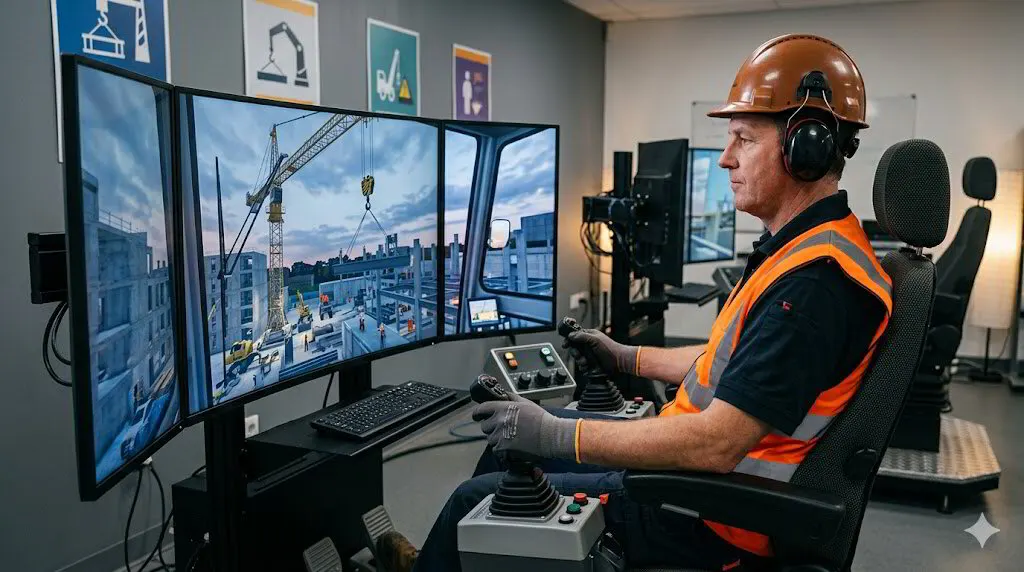
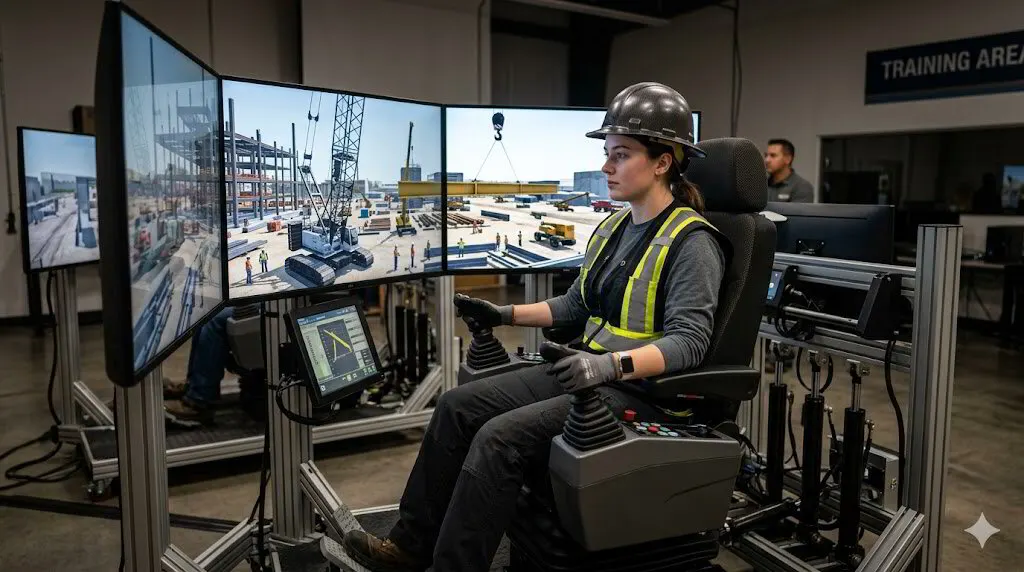
- Utilizing Technology: Incorporating simulation tools and virtual reality can further enhance the training experience.
By emphasizing the importance of safety protocols in crane operation through comprehensive and ongoing training, companies can ensure safer work environments and more competent operations. For further resources on certification and training, visit Cranes & Rigging.
Elements of Effective Safety Protocols
Establishing effective safety protocols is crucial for ensuring the importance of safety protocols in crane operation. A comprehensive approach encompasses several core elements that work together to create a safe working environment. By integrating these components, organizations can significantly reduce the likelihood of accidents and enhance overall operational safety.
Training and Certification Requirements A robust training program is essential for crane operators and ground personnel. Certification programs help ensure that individuals possess the knowledge and skills required for safe operation. Key aspects include:
- NCCCO Certification: Provides standardized training and assessment.
- Continuing Education: Involves regular updates to keep skills current with industry standards.
Equipment Inspection and Maintenance Routine inspections and proper maintenance of crane equipment can prevent mechanical failures that could lead to accidents. Essential practices include:
- Daily Pre-Operation Inspections: Check for any abnormalities or wear and tear.
- Scheduled Maintenance: Implement regular servicing by qualified technicians.
- Documentation: Keep detailed records of inspections and repairs for accountability.
Personal Protective Equipment (PPE)
Wearable safety gear is non-negotiable in crane operations. Proper use of PPE helps mitigate risks associated with working near heavy machinery. Important PPE includes:
- Hard Hats: Protect against head injuries from falling objects.
- High-Visibility Vests: Ensure visibility in busy job sites.
- Safety Goggles: Prevent eye injuries from dust and debris.
- Steel-Toed Boots: Offer protection against crushing injuries.
Emergency Protocols and Incident Reporting Having clear emergency procedures in place is vital. This involves:
- Emergency Response Plans: Outline step-by-step actions to take in the event of an incident.
- Drills: Regularly practice emergency procedures to ensure everyone knows their roles.
- Incident Reporting System: Encourage reporting of all accidents and near misses to facilitate analysis and improvement.
By establishing and maintaining these elements of effective safety protocols, organizations can underscore the importance of safety protocols in crane operation and foster a culture of safety.
For more resources on developing safety protocols, you can visit OSHA’s Safety Training.
Best Practices for Crane Operators
To maximize safety on the job site, adhering to best practices is essential. Understanding the importance of safety protocols in crane operation can dramatically reduce risks and improve operational efficiency. Each operator plays a vital role in fostering a safety-focused work environment.
Daily Safety Checks Before any crane operation begins, conducting daily safety checks is crucial. Operators should ensure that:
- All Safety Devices Function: Verify that alarms, lights, and other safety mechanisms are operational.
- Load Limits Are Clear: Confirm that load limits specified by the manufacturer are not exceeded.
- Fluid Levels Are Assessed: Check oil, hydraulic fluid, and fuel levels to prevent equipment malfunction during operation.
Effective Communication Strong communication practices are essential for safe crane operation. Operators should:
- Use Clear Signals: Adopt standardized hand signals and verbal commands to ensure clarity among workers.
- Conduct Pre-Operation Meetings: Hold briefings to discuss the day's operations and potential hazards.
- Encourage Open Lines: Promote an environment where team members feel comfortable reporting concerns or asking questions.
Incident Reporting and Analysis Prompt reporting of incidents, including near misses, is vital for improving safety protocols. Key actions include:
- Implementing a Reporting System: Establish a straightforward method for workers to report safety incidents.
- Conducting Incident Reviews: Analyze reported incidents to determine root causes and prevent recurrence.
- Fostering a No-Blame Culture: Encourage reporting without fear of punishment, focusing on learning and improvement.
Awareness of Surroundings Operators must stay vigilant and aware of their surroundings. This involves:
- Monitoring the Work Zone: Constantly assess the job site for changes and the presence of other workers or obstacles.
- Using Spotters: Designate ground personnel to assist in monitoring blind spots during operations.
- Staying Updated on Weather Conditions: Be aware of how weather may affect crane operation, such as high winds or rain.
By adopting these best practices, crane operators can reinforce the importance of safety protocols in crane operation, contributing to a safer and more efficient work environment. For additional resources, visit the National Safety Council.
Consequences of Neglecting Safety Protocols
Neglecting safety protocols in crane operation can have dire consequences, both for individuals and organizations. Understanding the importance of safety protocols in crane operation is essential to avoid these risks, which can range from severe injuries to significant financial losses.
Risks to Operators and Ground Personnel When safety measures are overlooked, the likelihood of accidents increases dramatically. Some common risks include:
- Injury or Fatality: Operators and nearby workers face the direct risk of injury from equipment failure or accidents.
- Falling Objects: Loads that are not secured can fall, endangering individuals on the ground and causing severe injuries.
- Overloading: Ignoring weight limits can compromise the crane's stability, leading to catastrophic failures.
Financial Implications of Accidents The financial repercussions of accidents can be substantial and far-reaching. Organizations may encounter:
- Medical Expenses: Costs related to treating injured employees can be overwhelming and detrimental to a company’s bottom line.
- Legal Fees: Liability claims stemming from accidents can lead to costly legal battles and settlements.
- Increased Insurance Premiums: Businesses may face hikes in insurance costs after incidents, affecting overall profitability.
Impact on Project Timelines and Reputation Beyond immediate risks and costs, neglecting safety protocols can have long-term effects on project success and organizational reputation. Specific impacts include:
- Delays in Project Completion: Accidents can halt work, leading to delayed project deadlines and increased operational costs.
- Loss of Client Trust: A history of safety violations can damage relationships with clients and stakeholders, potentially leading to lost contracts.
- Reputation Damage: Companies may find it tough to regain credibility within the industry after incidents related to safety negligence.
Implementing effective safety protocols not only protects the workforce but also safeguards the financial health and reputation of the organization. Regular training and adherence to best practices are essential in minimizing these risks. For further resources on workplace safety, consider visiting American Industrial Hygiene Association (AIHA).
What are safety protocols in crane operation?
Safety protocols in crane operation are a set of guidelines and procedures designed to ensure the safe use of cranes in various environments. These protocols encompass training requirements, equipment inspection, emergency procedures, and proper communication practices, all aimed at minimizing risks and preventing accidents on job sites.
Why is training important for crane operators?
Training is crucial for crane operators because it equips them with the knowledge and skills necessary to operate cranes safely and efficiently. Well-trained operators are better prepared to handle complex tasks, recognize hazards, and respond appropriately to emergencies, significantly reducing the likelihood of accidents and injuries.
How often should cranes be inspected for safety?
Cranes should be inspected regularly to ensure safety and compliance with regulations. Daily pre-operation inspections are essential, along with thorough inspections conducted by qualified professionals at scheduled intervals. Depending on the usage and operational environment, more frequent checks may be necessary to maintain equipment integrity and safety.
What role does personal protective equipment (PPE) play in crane operation?
Personal protective equipment (PPE) plays a vital role in protecting crane operators and ground personnel from potential hazards associated with crane operations. Essential PPE includes hard hats, safety goggles, high-visibility vests, and steel-toed boots, which help mitigate the risk of injury from falling objects, machinery, and environmental factors.
What are the consequences of neglecting safety protocols?
Neglecting safety protocols can lead to severe consequences, including workplace accidents, injuries, and fatalities. Financially, companies may face costly medical expenses, legal fees, and increased insurance premiums. Additionally, such negligence can harm a company's reputation and result in lost business opportunities, making it imperative to adhere to established safety measures.
The Importance of Safety Protocols in Crane Operation at Miller Crane Works
Safety protocols in crane operation are essential for ensuring both the safety of workers and the efficiency of construction projects. At Miller Crane Works, we prioritize strict adherence to safety guidelines to reduce the risk of accidents and injuries, which can have serious consequences for operators, ground crew, and the entire project. Crane operations involve heavy machinery and high-risk maneuvers, making safety protocols a vital aspect of every job. Proper training, regular maintenance, and the use of personal protective equipment (PPE) are just a few examples of how safety can be maintained on the job site. By following these safety protocols, Miller Crane Works ensures a secure working environment, boosts productivity, and prevents costly delays, making safety a cornerstone of successful crane operations.

-
 The Ultimate Guide to Crane Operator Field Training Programs: Certification & Career SuccessIn the ever-evolving construction industry, the need for certified crane operators is paramount, making effective…
-
 How Crane Simulators Enhance Operator Skills for Safer Construction PracticesAs the construction industry increasingly embraces technology, crane operator training has evolved significantly,…
-
 Unlocking Efficiency: The Benefits of Crane Simulator Training for Aspiring OperatorsCrane simulator training is revolutionizing the skill development of aspiring crane operators, offering a safe and…