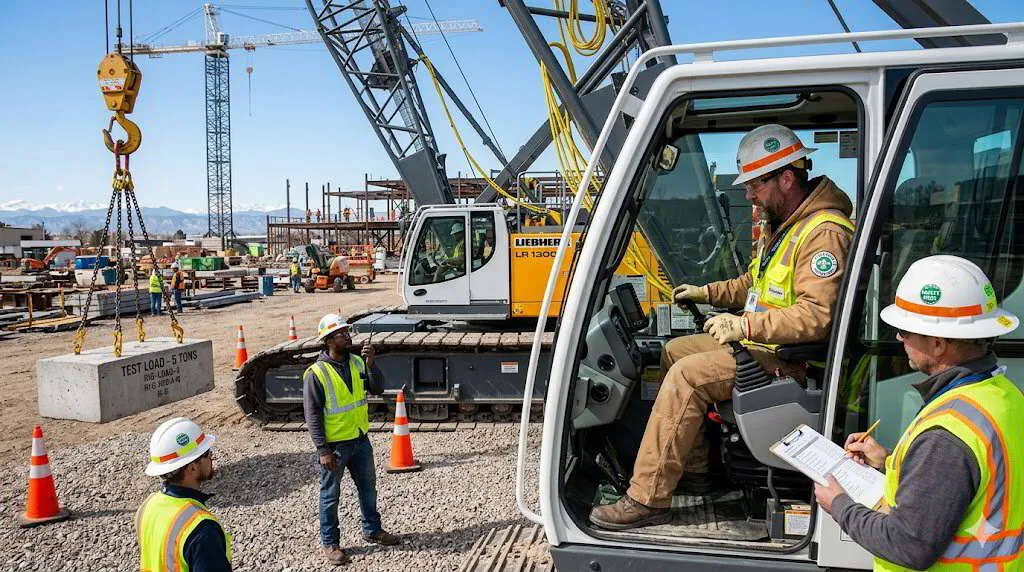
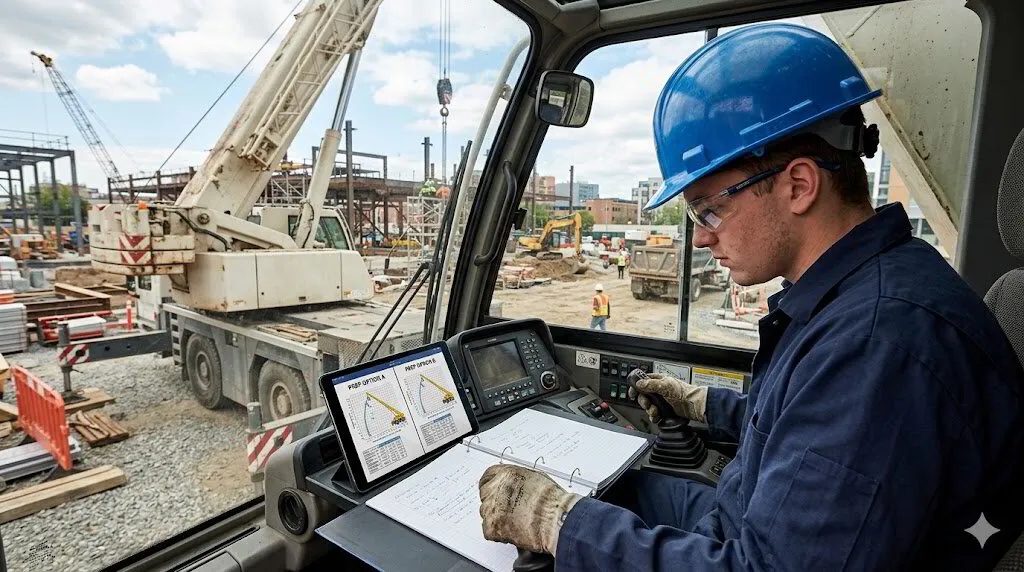
Inspiring Success Stories of Certified Crane Operators
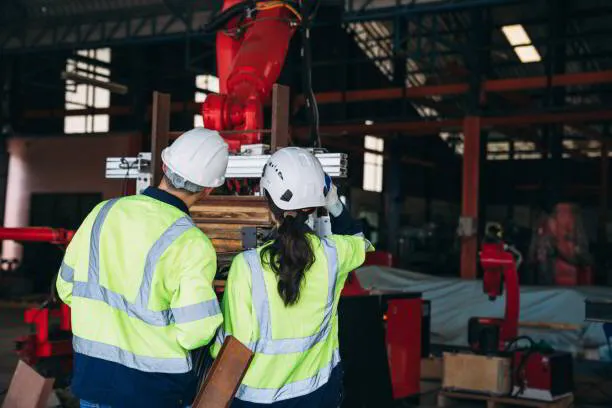
Stories from crane operators after certification show what steady training and professional development can do in the heavy machinery industry. In a trade where experience and skill count, these operators show why certification matters and encourage others to pursue careers in crane operation. This blog post covers personal stories, real-world impact, and the resources available to help new crane operators reach their goals and contribute to major projects in various sectors.
Building
Career
Opportunities

After certification, many crane operators share stories about how much it changed for them. For many, getting certified is a step toward better job prospects.
- Infrastructure Work: Certified crane operators work on infrastructure projects. Companies seek well-trained individuals capable of handling various types of cranes, including the specialized tower cranes.
- Diverse Industries: Fields such as construction, shipping, and heavy machinery all require skilled crane operators, allowing for flexibility and variety in career pathways.
Another significant aspect of the success stories of crane operators after getting certified is the financial impact.
- Benefits and Bonuses: Many companies offer additional incentives, including health benefits, retirement plans, and performance bonuses, which become attainable post-certification.
Achieving Job Security
Job security matters in any profession, and stories from crane operators show how certification supports a stable career.
- Reputation for Quality Work: Certified operators are considered more reliable and competent, which can lead to long-term employment opportunities.
- Strict Requirements: Certification has strict requirements, so certified operators have shown they can meet them.
Personal Growth and Development
Becoming a certified crane operator often leads to personal growth outside of work too.
- Confidence Building: Successfully completing the rigorous training and passing the certification exams instills a sense of accomplishment.
- Skill Advancement: Continuous education and training opportunities allow certified operators to expand their skill sets, positioning them for future advancements.
The success stories of crane operators after getting certified serve as powerful testimonials to the life-changing potential of certification. Those interested can explore resources from organizations such as the National Commission for the Certification of Crane Operators (NCCCO), which provides information on training and certification paths.
Operator Stories
Stories from crane operators after certification are full of personal wins and real change. Many operators have transitioned from various backgrounds, each carving out a successful career in the crane industry.
Transitioning from Other Professions
Diverse Backgrounds: Many certified crane operators come from disparate fields, such as automotive repair, military service, or general labor. Their stories show that with commitment and the right training, anyone can excel in crane operation.
Skill Transfer: Operators often find that skills from earlier careers, such as technical knowledge and teamwork, help them on the job.
Overcoming Challenges in Training
Getting crane certified can feel hard, but many operators have faced these challenges directly.
- Rigorous Training: Completing both theoretical and hands-on training prepares operators for real-world scenarios. Perseverance is key.
- Testing and Standards: The certification exams are demanding, and passing them shows an operator's ability and commitment to safety.
Personal Growth and Development
Success stories show how certification leads to career advancement and to significant personal growth.
- Emotional Resilience: Many operators experience increased self-esteem and resilience after overcoming the obstacles of training and certification.
- Lifelong Learning: The certification ignites a passion for continued education, driving operators to seek additional training and opportunities for growth.
Stories from crane operators after certification show what certification can mean in the crane industry, both at work and in life. If you are curious about a career in crane operation, look at the resources available at Sunbelt Rentals, which offers training programs for new operators.
Real-World Impact
The success stories of crane operators after getting certified extend beyond personal achievements to significant contributions in their respective industries. These operators work on large projects.
Contributions to Major Projects
- Infrastructure Development: Certified crane operators work on bridges, skyscrapers, and commercial buildings. Their skills let them handle heavy machinery and work on complex job sites.
- Specialized Operations: Many succeed in specialized areas such as tower crane operations, which require advanced skills and training. Their contributions ensure that projects are completed safely and efficiently.
Case Studies of Operators Making a Difference
Numerous certified crane operators have made a lasting impact in their communities and industries.
- Unique Projects: Some operators have successfully contributed to landmark projects that require technical proficiency and teamwork, showcasing the importance of certified training.
- Mentorship Roles: Many certified crane operators mentor newcomers to the field and share what they know, which raises industry standards.
Safety Records and Training Responsibilities
One of the most notable success stories revolves around safety and training responsibilities that certified operators embrace.
- Commitment to Safety: Certified operators often set an example for others by adhering to and exceeding safety standards. Their dedication leads to lower accident rates on job sites.
- Training Future Operators: Experienced crane operators often have opportunities to teach training courses, passing along their skills to the next generation of operators. This helps their careers and strengthens the industry as a whole.
Overall, the success stories of crane operators after getting certified highlight their essential role in shaping the future of construction and infrastructure. For those interested in a career in this field, companies like Caterpillar offer resources and support for new crane operators.
Community and Networking
The success stories of crane operators after getting certified also emphasize the importance of community and networking within the industry. Strong professional relationships can help an operator's career.
Building Relationships within the Industry
- These connections can lead to job opportunities and collaborations on significant projects.
- Peer Support: Networking events and industry seminars give operators a place to share their experiences, challenges, and success stories, and to support each other.
Participation in Industry Events and Workshops
Engaging in industry events can be instrumental in furthering one’s career, as many success stories illustrate.
- Skill Development: Workshops and seminars allow certified crane operators to hone their skills, learn the latest technologies, and stay updated on industry standards.
- Certification Renewal: Many associations host events that help operators maintain their certification. Participation fulfills requirements and keeps operators connected to industry best practices.
Stories from crane operators after certification show how much community and networking matter in their careers. Aspiring operators looking to build a successful career should actively seek opportunities to engage with industry leaders and peers. Organizations like United Rentals offer various networking events and resources, helping crane operators connect, grow, and share their success stories.
Long-Term Career Advancement
Success stories of crane operators after certification often highlight immediate benefits and the long-term career advancement that comes from holding the necessary credentials. Certification opens many doors for ongoing professional development.
Opportunities for Further Certifications
- Advanced Specialization: Many certified crane operators choose to pursue additional certifications in specialized areas, such as rigging or signalperson training. This builds their skills and makes them more attractive to employers.
- Diverse Equipment Operation: As operators continue their education, they can become certified to operate a wider range of cranes and equipment, including mobile cranes, boom trucks, and even aerial lifts.
Leadership Roles for Certified Operators
Certified crane operators often find themselves moving into leadership positions as they gain experience and expertise.
- Supervisor Opportunities: Many operators progress to supervisory or project management roles within their companies. Their in-depth knowledge of safety standards and equipment operation makes them ideal candidates for leadership.
- Mentorship and Training Responsibilities: Experienced operators are often tasked with training new hires, allowing them to pass along their knowledge and experiences. This builds their leadership skills and a sense of community at work.
In summary, the success stories of crane operators after getting certified illustrate how initial qualifications can lead to substantial long-term career growth. People starting out should consider programs offered by companies like Terex, which provide training and certification paths to help them advance in the crane industry.
Conclusion
The success stories of crane operators after getting certified illustrate the profound impact that certification can have on both personal and professional levels.
Recap of the Importance of Certification
- Career Advancement: Certification provides a foundation for career growth in several industries.
- Skill Acquisition: Certification training teaches operators the skills they need and prepares them to operate heavy machinery.
Encouragement for Aspiring Crane Operators
For those considering a career as a crane operator, the success stories serve as a source of motivation. With effort and the right training, people can do well in this field.
- Explore Training Options: Investigating local training facilities can help potential operators find the right program that suits their needs.
- Join a Community: Connecting with other operators and industry professionals can give you support and useful advice for what comes next.
Next Steps for Interested Learners
If you are ready to start a career in crane operation, take the first step today. Research certification programs from reputable organizations such as Manitowoc, which offers resources to help you plan your path. Put in the work, and your story may be the next one that helps future operators.
Additional Resources for Aspiring Operators
If these stories from certified crane operators interest you, you need the right resources and information to guide you. Various organizations and companies offer information and training programs for people who want to become crane operators.
Online Learning Platforms
- Virtual Training Sessions: Many educational platforms provide online training courses that cover the theory and practical skills necessary for crane operation. These can be particularly useful for those with busy schedules or who prefer self-paced learning.
- Webinars and Virtual Meetups: Attending webinars led by industry professionals can provide deeper insights into the crane operation field and the certification process.
Industry Associations
Membership Benefits: Joining industry associations can offer numerous benefits, including networking opportunities, access to training materials, and updates on the latest industry standards.
Certification Updates: These organizations often share valuable information regarding certification requirements and upcoming training programs, ensuring you stay informed about your qualifications.
Local Training Facilities
- Hands-On Training: Local training centers focused on crane operation can give you the hands-on practice you need to get certified. Many facilities, like National Crane, offer programs that focus on different types of cranes, including tower and mobile cranes.
- Mentorship Programs: Some facilities run mentorship programs where experienced operators guide newcomers through training and give advice and support.
Stories from crane operators after certification show room for growth in this field. With these resources and the right training, new operators can build their own success stories.
The Future of Crane Operations
As we explore the success stories of crane operators after getting certified, it’s important to look ahead and consider the future of the crane operation industry. New technologies and trends are changing the field and bringing new opportunities and challenges for certified operators.
Technological Advancements
- Automation and Robotics: The integration of automated machinery is changing how crane operators work. This technology emphasizes the need for skilled operators who can understand and interact with advanced systems.
- Remote Operation: With remote-controlled cranes, operators must learn to handle equipment from a distance, which can improve safety and efficiency in complex settings.
Sustainability Trends
- Green Construction Practices: The push for sustainable building practices offers certified crane operators the chance to work on environmentally-friendly projects, aligning their skills with industry demands for reduced carbon emissions.
- Energy-Efficient Equipment: Many companies are investing in energy-efficient cranes, requiring operators to learn how to operate and maintain these new, innovative machines.
Importance of Continued Education
- Staying Informed: As technologies and practices evolve, continuous education is critical for crane operators. Regular training ensures that they remain competitive and up-to-date with industry standards.
- Networking for Growth: Engaging in professional networks and attending workshops webinars can help operators stay informed about trends, technologies, and best practices in crane operation.
In short, the success stories of certified crane operators show individual accomplishments and reflect broader trends in the industry. By embracing technological advancements, sustainability practices, and ongoing education, aspiring crane operators can prepare for a successful future. Companies like Liebherr work on these innovations and offer resources and training to help operators keep up in this changing field.
What is the NCCCO certification for crane operators?
The National Commission for the Certification of Crane Operators (NCCCO) certification is a recognized credential that formally validates a crane operator's skills and knowledge. It shows that operators meet industry safety and operating standards, which matters to employers.
How can one become a certified crane operator?
To become a certified crane operator, individuals must complete a training program that includes both classroom instruction and hands-on practice. After that, they need to pass written examinations and practical assessments administered by an accredited organization like the NCCCO. This process equips candidates with essential skills and knowledge necessary for safe crane operation.
Are there different types of crane operator certifications available?
Yes, there are various types of crane operator certifications available, depending on the type of equipment used. Common certifications include those for mobile cranes, tower cranes, and overhead cranes. Operators can also pursue specialized certifications for rigging or signalperson training to add to their qualifications.
What are the career prospects for certified crane operators?
Certified crane operators work in a skilled trade in the construction and heavy machinery sectors.
How does certification improve safety in crane operations?
Certification improves safety in crane operations by confirming that operators have the knowledge and skills to handle heavy machinery. This formal training emphasizes safety protocols, hazard recognition, and best practices, significantly reducing the risk of accidents on job sites and creating a safer work environment for everyone involved.
 Operator Triumphs Crane Career Paths Success Chronicles