
The latest industry trends for crane operators in Houston reveal a rapidly evolving landscape shaped by technological advancements, increased safety regulations, and a growing emphasis on sustainability. Did you know that the demand for skilled crane operators in Houston has surged in response to the booming construction and infrastructure projects? With the city's skyline continuously changing and large-scale industrial developments on the rise, crane operators are vital players in ensuring these projects are completed safely and efficiently. As these trends unfold, staying informed and adaptable is crucial for operators looking to thrive in this dynamic environment. In this blog post, we will explore the current landscape of crane operations, emerging technologies, safety compliance updates, and the skills necessary to navigate the future of this essential profession.
Understanding the Current Landscape of Crane Operations in Houston
The crane industry in Houston plays a crucial role in various construction and industrial projects, ranging from skyscrapers to bridges and industrial facilities. With a booming economy and a growing demand for infrastructure development, crane operators find themselves at the forefront of exciting challenges and opportunities.
Overview of the Crane Industry in Houston Houston, known for its robust construction sector, is witnessing significant growth in crane operations. This includes:
- Commercial Construction: An increase in office buildings, retail spaces, and entertainment venues.
- Infrastructure Development: Expansion of roads, bridges, and public transportation.
- Energy Sector Projects: Oil and gas industries continue to require cranes for both onshore and offshore operations.
The Role of Crane
Operators in Construction and Industrial Projects
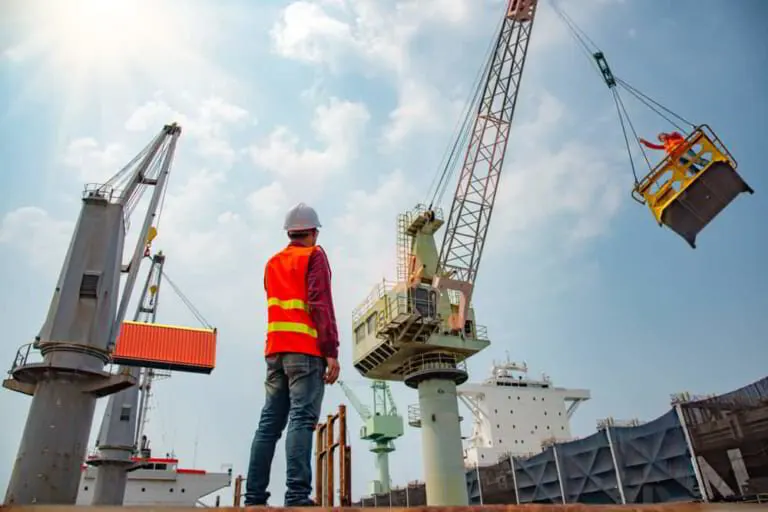
Crane operators are essential in ensuring that heavy materials are lifted and positioned safely and accurately. Their responsibilities include:
- Operating Equipment: Ensuring efficiency and adherence to safety standards while handling cranes.
- Safety Checks: Performing routine inspections of cranes to maintain operational safety.
- Collaboration: Working closely with construction teams to interpret plans and execute lifting operations.
Emerging Technologies Impacting Crane Operations As technology evolves, crane operations in Houston are undergoing significant changes. Crane operators must stay ahead of these developments to maintain a competitive edge in the industry.
Advancements in Crane Design and Automation Modern cranes are becoming increasingly sophisticated, incorporating advanced technologies that improve performance and safety. Key trends include:
- Automation Features: Enhanced operational precision through automated functions.
- Telematics Systems: Real-time monitoring of crane performance and condition.
The Rise of Remote-Controlled and Smart Cranes Remote-controlled cranes and smart technology are changing how operations are performed. Benefits include:
- Increased Safety: Operators can manage machines from a distance, reducing on-site hazards.
- Improved Efficiency: Enhanced control over crane movements leads to faster and more precise lifts.
Integration of Drones and Robotics in Lifting Operations Drones are increasingly being integrated into crane operations for inspection and surveying purposes. This development allows crane operators to:
- Conduct Pre-Lift Inspections: Assess site conditions safely before lifting operations begin.
- Enhance Communication: Use aerial footage to improve collaboration with on-ground teams.
Safety Regulations and Compliance Updates Keeping abreast of safety regulations and compliance is critical for crane operators in Houston. Changes in policies can directly influence training and operational protocols.
Changes to NCCCO Certifications and
Training Requirements
Staying updated with the National Commission for the Certification of Crane Operators (NCCCO) certifications ensures that operators meet industry standards. Recent modifications include:
- New Training Modules: Focus on emerging technologies and safety practices.
- Regular Recertification: Emphasis on continued education to maintain skills and knowledge.
Importance of Staying Updated with OSHA Guidelines The Occupational Safety and Health Administration (OSHA) continuously revises guidelines relevant to crane operations. Operators must remain compliant to:
- Enhance Workplace Safety: Implementing best practices reduces the likelihood of accidents.
- Minimize Legal Risks: Understanding and adhering to regulations protects both employees and employers.
For more resources and updates related to crane operation safety standards, you can visit the OSHA website here.
Enhanced Safety Protocols for Crane Operations The focus on safety has led to the adoption of more stringent protocols in crane operations. These may include:
- Regular Safety Training: Ongoing education about equipment and operational risks.
- Use of Personal Protective Equipment (PPE): Mandatory for all operators to minimize injuries.
As trends continue to evolve, the latest industry trends for crane operators in Houston highlight the importance of adaptability, continuous learning, and commitment to safety in enhancing operational efficiency and effectiveness.
Skills Development and Training Trends
As the crane industry evolves, so too do the skills required to operate effectively and safely in Houston's dynamic environment. Training has become paramount, ensuring that crane operators are equipped with the knowledge and expertise to tackle modern challenges.
Significance of In-Person Practical Training In-person training at a yard offers real-world experiences that are crucial for developing a competent workforce. Operators benefit from:
- Hands-On Experience: Learning to handle cranes in a controlled, simulated environment.
- Familiarity with Equipment: Gaining in-depth knowledge of the specific cranes they'll be operating on the job.
New Courses for Tower Crane Operators As construction projects in Houston grow in complexity, specialized training for tower crane operators is gaining prominence. Key aspects of these courses include:
- Advanced Operation Techniques: Focusing on lifting, swinging, and precision movements unique to tower cranes.
- Safety Protocols: Special training on the unique risks associated with tower cranes, including high-altitude operations.
Continuous Education and Upskilling Opportunities
In a rapidly changing industry, continuous education is vital for crane operators to remain relevant. Upskilling options can include:
- Workshops and Seminars: Focused on the latest technologies and operational strategies.
- Online Courses: Providing flexibility for operators to learn at their own pace, covering topics such as safety updates and new equipment.
Networking and Community Building for Crane Operators Networking plays a significant role in professional development for crane operators. Engaging with industry peers can lead to enhanced job opportunities and shared knowledge.
Importance of Professional Associations and Groups Being part of professional associations allows crane operators to:
- Stay Informed: Access to the latest industry news and regulatory changes.
- Attend Industry Events: Networking opportunities with employers, trainers, and fellow operators.
Events and Workshops in the Houston Area Houston hosts numerous events catering to crane operators, resulting in valuable networking and learning experiences. Benefits include:
- Hands-On Demonstrations: Opportunities to see new technologies and machinery in action.
- Certification Opportunities: Access to workshops that assist in gaining or renewing certifications.
Building Relationships for Career Advancement Strong professional relationships can open doors to new job opportunities and career growth in the crane industry. Crane operators are encouraged to:
- Share Experiences: Exchanging knowledge on best practices and challenges faced on job sites.
- Mentorship: Seek out experienced operators for guidance and support in career development.
In this evolving landscape, embracing the latest industry trends for crane operators in Houston emphasizes the importance of ongoing training, networking, and community engagement. These efforts not only improve individual skill sets but also contribute to a safer and more efficient crane operation environment.
Sustainability Trends in Crane Operations
The emphasis on sustainability is increasingly affecting industries across the globe, including crane operations. As environmental concerns rise, crane operators in Houston are adapting practices to promote sustainability while maintaining efficiency.
Environmentally Friendly Crane Practices Crane operators are adopting greener practices to minimize their environmental footprint. These may include:
- Reduced Emissions: Utilizing cranes with lower emissions to comply with environmental regulations.
- Routine Maintenance: Implementing preventive maintenance programs to ensure that cranes operate efficiently, reducing fuel consumption.
The Shift Towards Electric and Hybrid Cranes Electric and hybrid cranes are gaining popularity in Houston's construction sites, offering several advantages:
- Reduced Noise Pollution: Electric cranes operate quietly, making them ideal for urban areas where noise control is critical.
- Lower Operating Costs: Over time, electric and hybrid models can lead to significant savings in fuel and maintenance.
Role of Crane Operators in Promoting Sustainability Crane operators play a vital role in the implementation of sustainable practices. Their responsibilities include:
- Monitoring Operations: Keeping track of fuel usage and emissions during lifting operations to identify areas for improvement.
- Training and Awareness: Participating in training programs that focus on sustainability to promote environmentally friendly practices on-site.
Industry Collaborations and Partnerships To enhance sustainability efforts, crane operators and companies are forming partnerships with environmental organizations and local governments. These collaborations can lead to:
- Community Engagement: Involvement in initiatives aimed at reducing the overall environmental impact of construction projects.
- Sharing Best Practices: Joining forces to disseminate knowledge about eco-friendly operating methods.
For those interested in more sustainable construction technologies and practices, resources are available through organizations like the U.S. Green Building Council, which can be found here.
Embracing the latest industry trends for crane operators in Houston involves an ongoing commitment to sustainability. By integrating environmentally conscious practices, operators not only improve their operational efficiency but also contribute to a greener future for the construction industry.
Market Demand and Employment Trends
The job market for crane operators in Houston is experiencing dynamic shifts driven by economic growth, infrastructure developments, and industry demands. Understanding these trends is crucial for those looking to enter or advance in the field.
Increasing Need for Skilled Crane Operators in Houston As construction projects ramp up, the demand for skilled crane operators continues to grow. Factors contributing to this trend include:
- Urban Development: Ongoing investments in residential and commercial properties increase the need for efficient and safe lifting operations.
- Infrastructure Projects: As Houston focuses on improving public infrastructure, crane operators are essential for executing large-scale projects like bridges, roads, and public transportation facilities.
Impact of Economic Growth on Crane Operation Jobs Houston's economy remains resilient, supporting various sectors that rely heavily on crane operations. Key insights include:
- Job Growth: The construction sector is one of the fastest-growing in the region, creating more job opportunities for certified crane operators.
- Wages and Benefits: With rising demand, operators can expect competitive wages and improved benefits packages to attract skilled labor.
Trends in Wages and Job Security for Operators As the industry evolves, wages and job stability are crucial considerations for potential crane operators. Notable points include:
- Increasing Salary Ranges: Salaries for crane operators have shown consistent growth, reflecting market demands and the need for specialized skills.
- Job Security: Operators with certifications and training in the latest technologies are more likely to enjoy job security amid changes in the industry.
Networking Opportunities and Career Advancement For crane operators in Houston looking for growth and advancement, networking can play a significant role. Operators should consider:
- Professional Associations: Joining organizations such as the National Commission for the Certification of Crane Operators (NCCCO) can provide access to industry resources and networking opportunities.
- Job Fairs and Industry Events: Participating in local events allows operators to connect with potential employers and stay informed about job openings.
As the landscape of construction continues shifting, understanding the latest industry trends for crane operators in Houston is imperative for securing a successful career in this essential field. By capitalizing on growing demands and enhancing skills, operators can ensure their relevance and growth in the market. For more information on job opportunities, the CareerBuilder platform provides resources and listings for crane operators here.
Networking and Community Building for Crane Operators
Networking is a vital component for success in any profession, and for crane operators in Houston, it can lead to enhanced career opportunities and professional growth. Engaging with a supportive community allows operators to stay informed about the latest trends and best practices in the field.
Importance of Professional Associations and Groups Joining professional associations dedicated to crane operations provides numerous benefits, including:
- Access to Resources: Members receive valuable information on industry standards, safety regulations, and professional development opportunities.
- Representation: Associations often advocate for operator rights and improved working conditions within the industry.
Networking Opportunities at Local Events Houston hosts a variety of events where crane operators can connect with peers and industry leaders. These events may include:
- Workshops and Seminars: Focused on imparting knowledge about the latest technologies and safety practices in crane operations.
- Trade Shows: Opportunities to explore new equipment, technologies, and services that can enhance operational efficiency.
Building Relationships for Career Advancement Creating meaningful connections within the industry can lead to various opportunities for career advancement. Operators are encouraged to:
- Participate in Discussion Forums: Engage in both online and in-person forums to share knowledge and experiences with fellow operators.
- Seek Mentorship: Developing relationships with experienced professionals can provide guidance and insights into advanced career paths.
Engagement with the Local Crane Operator Community Active participation in the local crane operator community helps foster a supportive environment. Operators should take advantage of:
- Local Training Programs: Enroll in courses that enhance skill sets and ensure compliance with the latest safety regulations.
- Community Outreach Events: Involvement in local initiatives can foster goodwill and promote the importance of crane safety and operations.
As the landscape of the construction industry continues to change, understanding the latest industry trends for crane operators in Houston is essential. By investing in networking and community building, operators can enhance their careers while contributing to a safer and more efficient industry. For resources and event information, the Association of Equipment Manufacturers (AEM) is a valuable source here.
Conclusion: Preparing for the Future of Crane Operations in Houston
As we’ve explored throughout this blog post, the landscape for crane operators in Houston is rapidly changing due to advancements in technology, evolving safety protocols, and sustainability initiatives. Understanding and adapting to these latest industry trends for crane operators in Houston is essential for success in the field.
Adapting to Industry Changes Crane operators must be proactive in embracing emerging technologies and the newest methods of operation. This can be achieved by:
- Staying Informed: Regularly reading industry publications, attending seminars, and participating in workshops to keep abreast of innovations and regulatory changes.
- Adopting New Skills: Pursuing training opportunities that emphasize the latest technologies and operational techniques, from remote-controlled cranes to advanced safety measures.
Emphasizing Continuous Learning and Safety The safety and efficiency of crane operations hinge on the competency of operators. Therefore, an unwavering commitment to continuous learning is vital. Operators should focus on:
- Mandatory Certifications: Ensuring all required certifications, such as NCCCO, are current and reflect the latest industry standards.
- Regular Safety Training: Participating in ongoing safety workshops and reviews to stay updated on best practices and compliance regulations.
Engaging with the Local Crane Operator Community Building a strong network within the local crane operator community not only enhances professional relationships but also fosters a culture of shared knowledge and support. Operators can benefit by:
- Joining Professional Organizations: Engaging with groups that advocate for crane operators can provide access to important resources and networking opportunities.
- Participating in Community Initiatives: Collaborating on local outreach programs enhances the visibility of crane operations while promoting safety and best practices to the surrounding community.
In conclusion, the future of crane operations in Houston will rely on operators who are informed, engaged, and adaptable. By embracing the latest industry trends for crane operators in Houston, individuals can ensure they remain competitive while contributing positively to a thriving industry. For more insights on professional development, the American Society of Safety Professionals (ASSP) provides a wealth of resources available here.
The Role of Operators in Implementing New Technologies
As the crane industry moves forward with technological advancements, crane operators are positioned as key players in the implementation of these innovations. The integration of new technologies provides operators with tools necessary for enhanced efficiency and safety.
Leveraging Advanced Crane Technologies Today’s cranes are equipped with smart technologies that offer numerous advantages. Crane operators can leverage these technologies by:
- Utilizing Telematics Systems: These systems allow operators to monitor equipment performance in real-time, aiding in proactive maintenance and reducing downtime.
- Incorporating GPS and Mapping Tools: Enhanced positioning systems provide better accuracy in lifting operations, minimizing the risk of error.
Importance of Training on New Equipment With new technologies come the necessity for training. Operators must ensure they are thoroughly knowledgeable about:
- Manufacturer Guidelines: Understanding the specifications and operational protocols set forth by manufacturers for the latest crane models.
- Safety Features: Familiarization with advanced safety features, such as anti-collision systems and overload sensors, which are crucial for preventing accidents.
Fostering a Tech-Savvy Workforce Building a workforce that is adept at using new technologies is essential for improving overall operational efficiency. Operators can contribute to this effort by:
- Participating in Continuous Education: Engaging in training programs that focus on new technologies and the latest industry practices.
- Sharing Knowledge with Peers: Collaborating with fellow operators to discuss best practices and lessons learned concerning technology use on-site.
Networking Opportunities with Tech Companies Establishing connections with technology providers can also be beneficial. Operators are encouraged to:
- Attend Industry Trade Shows: Events often showcase the latest equipment and technology tailored for the construction and crane industry.
- Engage in Partnerships: Collaborating with tech companies can provide insight into upcoming trends and improve access to cutting-edge equipment.
As the landscape for crane operators in Houston evolves, understanding and adapting to the latest industry trends for crane operators in Houston is critical. By embracing these technological advancements and committing to ongoing training, operators can enhance their skill sets while ensuring a safer and more efficient work environment. For additional resources on crane technologies and training, the Construction Industry Institute (CII) offers valuable insights here.
Safety Regulations and Compliance Updates
In the ever-evolving landscape of crane operations, staying informed about safety regulations and compliance is paramount for crane operators in Houston. The latest industry trends for crane operators in Houston emphasize the increasing importance of adhering to established guidelines to ensure safety and operational efficiency.
Changes to NCCCO Certifications and Training Requirements The National Commission for the Certification of Crane Operators (NCCCO) constantly revises its training requirements to keep pace with industry developments. Important updates include:
- New Certification Exams: Introduction of updated exams designed to assess the skills required for modern crane operations.
- Increased Training Hours: Requirements for additional training hours to ensure operators are well-equipped to handle current technologies and safety protocols.
Importance of Staying Updated with OSHA Guidelines Understanding the Occupational Safety and Health Administration (OSHA) guidelines is critical for maintaining a safe work environment. Crane operators should focus on:
- Regular Refresher Courses: Participating in courses aimed at reinforcing the latest safety practices and compliance measures.
- Understanding New Regulations: Keeping informed about recent regulatory changes that impact crane operations, including safety standards and equipment usage.
Enhanced Safety Protocols for Crane Operations Implementing comprehensive safety protocols is essential for reducing accidents on job sites. Operators can contribute to safety by:
- Conducting Daily Safety Briefings: Starting each workday with discussions about potential risks and safety measures can enhance overall awareness among team members.
- Utilizing Checklists: Implementing inspection checklists for equipment before each operation ensures that all safety measures are adhered to.
Collaboration and Communication with Safety Teams Fostering a collaborative environment between crane operators and safety teams can enhance compliance and safety. Operators should consider:
- Engaging in Safety Committees: Participating in committees that focus on workplace safety can provide operators with a voice in safety protocol developments.
- Encouraging Open Communication: Establishing clear communication channels allows operators to report hazards and share safety concerns without hesitation.
For additional information regarding safety regulations and training resources, the OSHA website provides a comprehensive guide for crane operators here.
By remaining vigilant about safety regulations and compliance updates, crane operators can ensure not only their safety but also contribute to a culture of safety within the wider construction community. Embracing the latest industry trends for crane operators in Houston is key to paving the way for safer and more efficient construction practices.
What are the latest technology trends affecting crane operations?
The latest technology trends affecting crane operations include advancements in automation, such as remote-controlled cranes, and the integration of telematics systems that allow for real-time monitoring of equipment performance. These innovations enhance operational efficiency, improve safety measures, and provide operators with valuable data to streamline their work processes.
How can crane operators stay updated on safety regulations?
Crane operators can stay updated on safety regulations by actively participating in training programs and refresher courses that focus on the latest guidelines from organizations like OSHA and NCCCO. Additionally, subscribing to industry newsletters and joining professional associations can provide ongoing insights into regulatory changes and best safety practices.
What certifications are important for crane operators in Houston?
Crane operators in Houston should prioritize obtaining certifications from the National Commission for the Certification of Crane Operators (NCCCO), as these are essential for demonstrating competence and ensuring compliance with industry standards. Other relevant certifications may include safety training courses specific to the type of equipment being operated and any additional specialized training required by employers.
Why is networking important for crane operators?
Networking is important for crane operators as it facilitates professional relationships, opens up job opportunities, and allows for the sharing of experiences and best practices within the industry. Engaging with peers, attending industry events, and joining professional associations can enhance knowledge and provide support for career advancement.
What measures can operators take to promote sustainability in crane operations?
Operators can promote sustainability in crane operations by adopting eco-friendly practices such as using fuel-efficient or electric cranes, implementing routine maintenance to minimize emissions, and utilizing advanced technologies that reduce waste and energy consumption. Additionally, participating in community initiatives focused on environmental responsibility can further reinforce their commitment to sustainable practices.
Team up with Miller Crane Works for exceptional exterior transformations.
Enhancing your home’s curb appeal with smart exterior upgrades is an investment that boosts both beauty and value. At Miller Crane Works, we’re committed to turning your vision into reality with expert services and top-quality materials. Whether you’re interested in refreshing your landscaping, updating your siding, or improving your outdoor lighting, our experienced team is ready to assist. For more details or to schedule a consultation, contact Miller Crane Works today. Transform your home’s exterior into a stunning, inviting space you’ll enjoy for years to come.

-
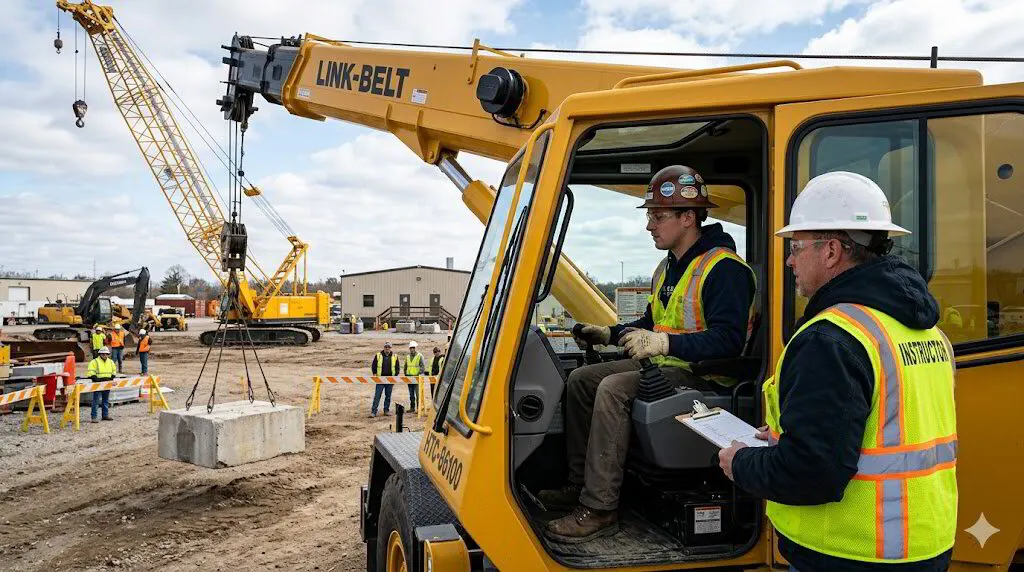 The Ultimate Guide to Crane Operator Field Training Programs: Certification & Career SuccessIn the ever-evolving construction industry, the need for certified crane operators is paramount, making effective…
-
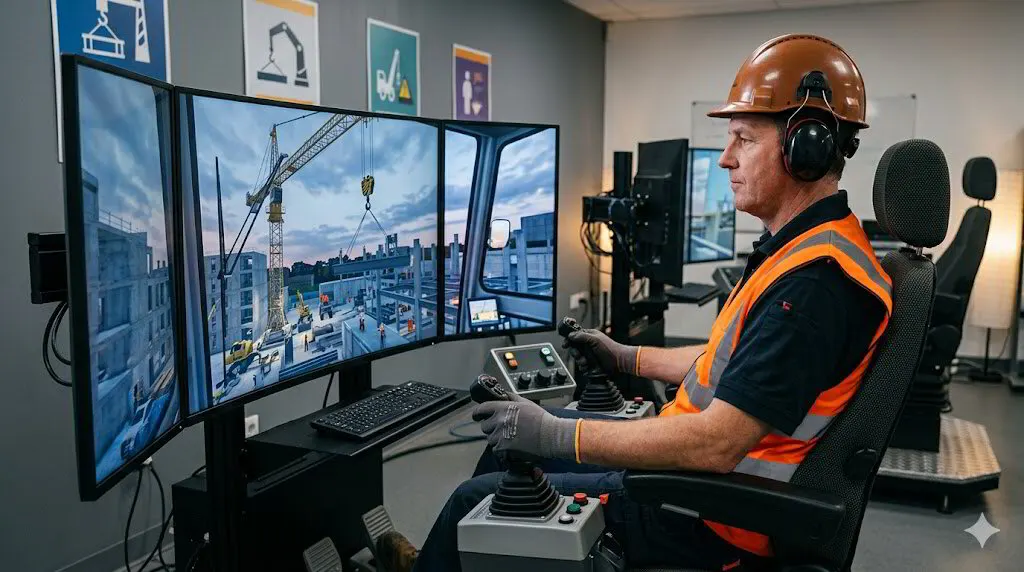 How Crane Simulators Enhance Operator Skills for Safer Construction PracticesAs the construction industry increasingly embraces technology, crane operator training has evolved significantly,…
-
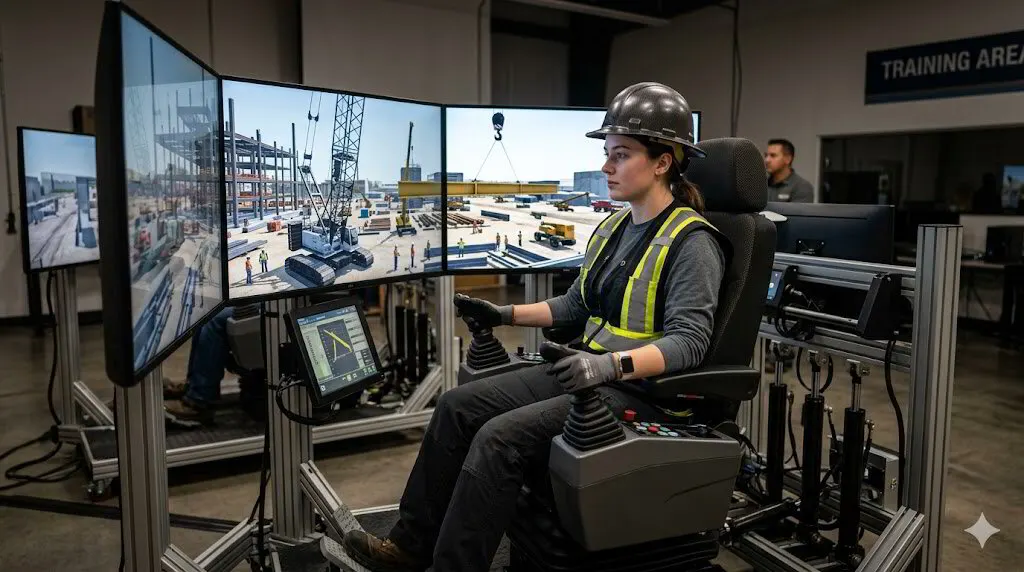 Unlocking Efficiency: The Benefits of Crane Simulator Training for Aspiring OperatorsCrane simulator training is revolutionizing the skill development of aspiring crane operators, offering a safe and…