Crane schools can look alike on paper: same certification, similar course lengths, similar promises. The differences that matter show up when you ask specific questions. Here are the ones we would ask if we were the student.
How many hours will I actually spend at the controls?
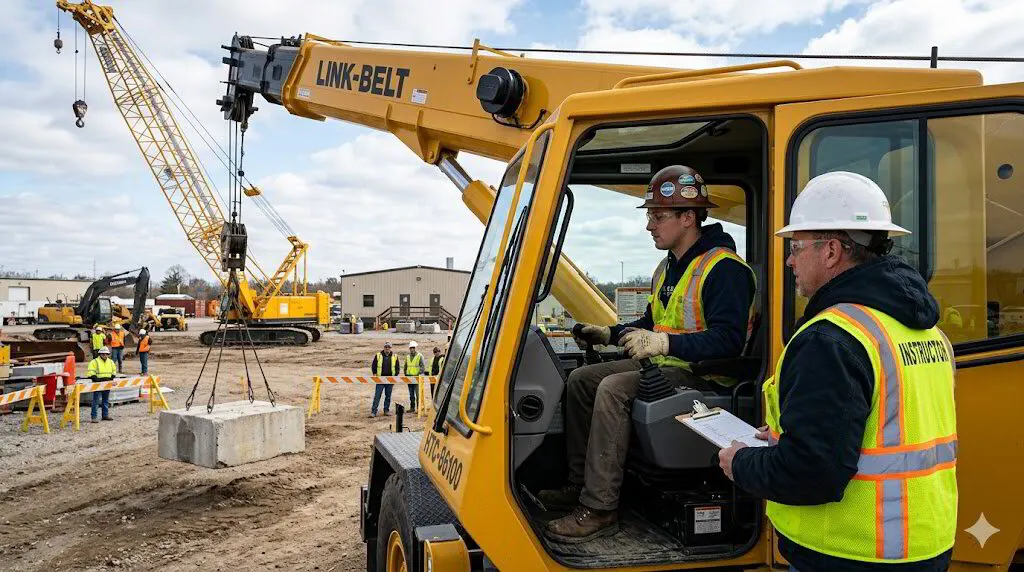
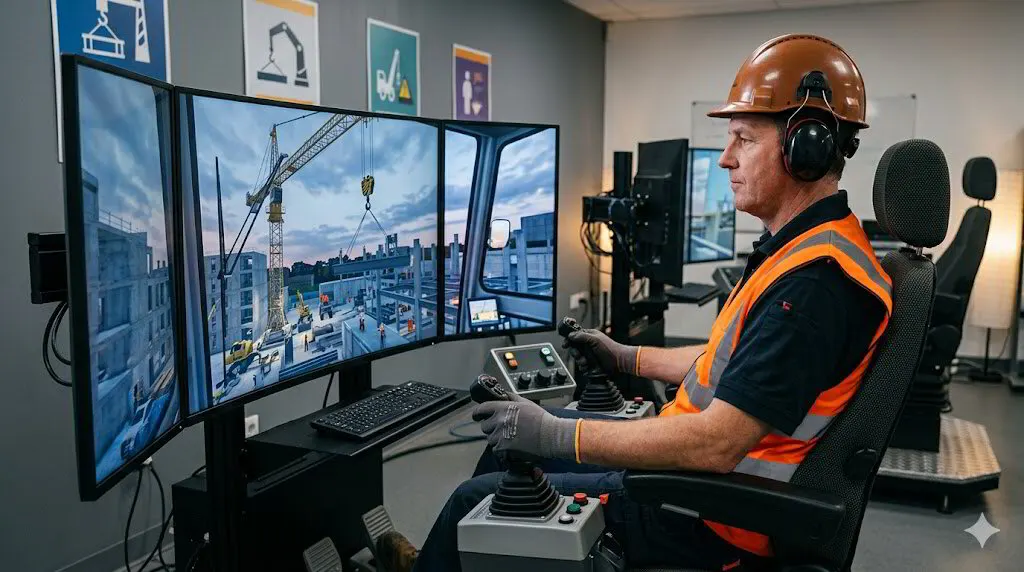
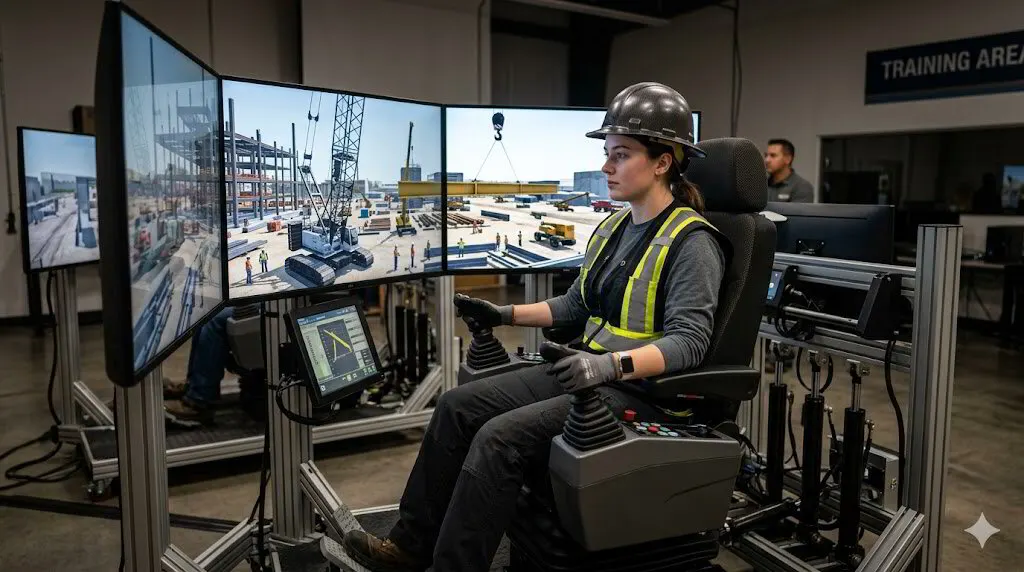
Course length tells you little on its own. A 40-hour course with a crowded yard can mean a few hours in the seat; a longer course with fewer students per crane means far more. Ask how many students share each crane, how the day splits between classroom, simulator and yard, and whether you practice on the same course layout the practical exam uses.
For someone who has never run a crane, seat time is what turns a passing written score into a passing practical. It is also what makes you useful on your first job.
Ask, too, who teaches the yard sessions and how feedback works. You learn fastest when someone is watching each move you make and telling you right away what to change.
Which cranes are in the yard?
Your practical exam has to be taken in the type of crane you are certifying for. If you want a swing cab telescopic certification, the school needs a swing cab telescopic crane you can train on. Ask what is in the yard and whether it is in working order. Lattice crawlers and tower cranes are less common at training sites, so if those are your goal, confirm the school has them before you enroll.
Where is the practical exam given?
NCCCO practical exams happen at approved test sites. Some schools send students elsewhere for the practical, which can mean a different crane, unfamiliar course markings and extra travel. Training and testing in the same yard removes a lot of that test-day uncertainty. Also ask whether the school is a CCO EDU Accredited Training Provider; that program recognizes providers that meet NCCCO's standards for preparation.
Is the course approved by the state?
In Texas, career schools are regulated by the Texas Workforce Commission. Approval matters to you for two practical reasons. First, Workforce Solutions boards generally fund training only through approved programs. Second, VA education benefits require the program to be approved for GI Bill use. Ask for the exact course name as approved; it should match what is on your enrollment agreement.
What will it cost, all in?
Get the full price in writing: tuition, exam fees, books and anything charged for retests. Then add your own costs, which are easy to forget:
- Fuel and daily driving, or a flight plus a rental car
- Lodging if you live too far to commute
- Meals and time away from work
- Work boots, gloves and outdoor clothing
Ask whether the school accepts GI Bill benefits, works with Workforce Solutions referrals, or bills employers directly. A school that answers these questions clearly up front will likely be just as clear when you are in class.
How Miller Crane Works answers these questions
Our classroom, crane simulator, training yard and NCCCO practical exam site are all at one address in Seagoville, southeast of Dallas. The yard has telescopic fixed and swing cab cranes, a lattice crawler and a tower crane. All 12 of our courses are approved by the Texas Workforce Commission, and we are approved for GI Bill benefits. Students who travel from far away can choose a premium course that offers optional room and board.
Most new operators start with Mobile Crane Operations Fixed/Swing Cab 120 Hours. If you are coming from out of town, compare it with the Premium Plus Mobile Crane Operations Fixed/Swing Cab Course. The location page explains how to get here, and tuition for every course is on the funding page.
Questions about picking a crane school
Is a longer crane course always better?
Not always. Experienced operators who only need exam preparation may do fine in a shorter course. Someone with no crane time usually needs the longer course for enough seat time.
How can I check whether a Texas crane school is state approved?
Ask the school for its Texas Workforce Commission approval and the exact course names covered. Your Workforce Solutions case manager can also confirm whether a program is on their approved list.
Should I train near home or travel to a school?
Train where you can get the most seat time on the crane type you need. If that means traveling, a course with optional room and board keeps the cost of a hotel from adding up.