
Did you know that tower cranes are essential for lifting and moving heavy materials on construction sites, crucial for executing complex building projects? If you’re looking to elevate your career in this dynamic industry, enrolling in a tower crane certification course may be your best investment. As the demand for skilled crane operators continues to rise, gaining the right certification not only enhances your employability but also equips you with the critical skills necessary to operate these machines safely and efficiently. In this blog post, we will explore the importance of tower crane certification, what to expect from the training program, and the numerous benefits awaiting those who obtain this vital credential.
Understanding the Importance of Tower Crane Certification
Tower cranes play a crucial role in modern construction projects, providing the lifting power necessary to raise heavy materials to significant heights. Given their complexity and the risks involved, it is essential for operators to be certified through a recognized program. This is where the tower crane certification course comes into play.
The Role of Tower Cranes in Construction
Tower cranes are indispensable in large-scale construction settings. They are specifically designed for:
- Lifting heavy tools and materials
- Moving components across the job site efficiently
- Facilitating vertical transport in high-rise buildings
Why Certification Matters for Safety and Compliance
Ensuring that crane operators are properly trained and certified is vital for maintaining safety and operational compliance. Certification helps ensure that:
- Operators understand the specific risks associated with tower cranes.
- They are aware of safety regulations and industry standards.
- Employers can reduce liability and enhance workplace safety.
Overview of the Tower Crane Certification Course The tower crane certification course offers comprehensive training designed to equip operators with both theoretical knowledge and practical skills. This course aims to prepare individuals for safe and efficient crane operation through a structured curriculum.
Course Objectives
Participants in the course can expect to cover:
- Identifying different types of tower cranes and their uses
- Understanding loads, balancing, and rigging requirements
- Operating cranes safely according to established protocols
Curriculum Breakdown
The training typically includes:
- Theoretical lessons covering safety regulations
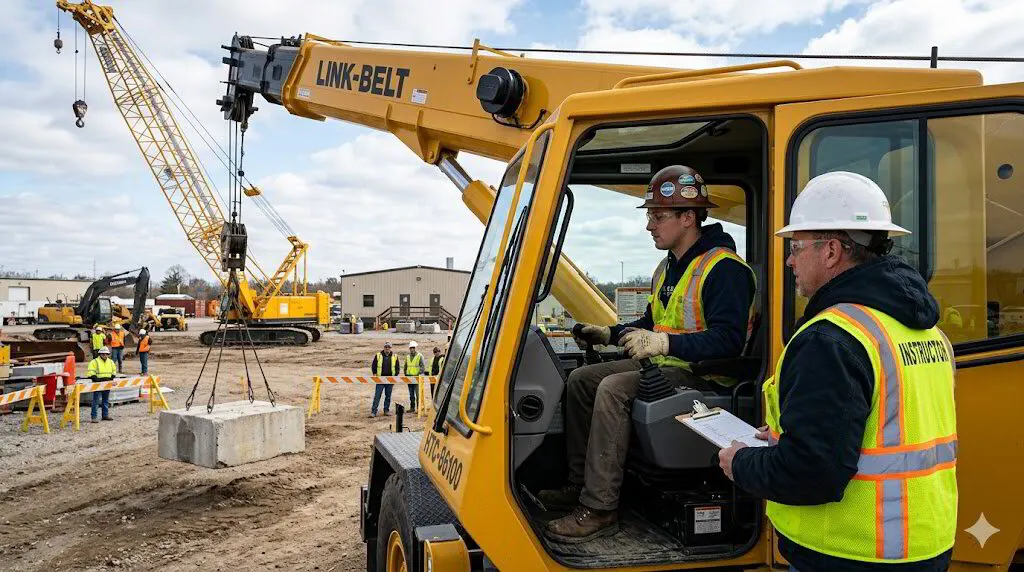
- Hands-on instruction on operating tower cranes
- Assessment through written and practical exams
Duration and Format of Training
Courses can vary in length, often ranging from a few days to several weeks, depending on the depth of training provided. Training can be conducted through in-person sessions, allowing students to engage directly with instructors and equipment.
For more detailed information on training programs, consider visiting industry leaders like United Rentals for insights on crane training services.
Prerequisites for Enrolling in the Course
Before enrolling in a tower crane certification course, it's essential to understand the prerequisites that ensure participants are adequately prepared for the training. These requirements help create a safe learning environment and maximize the effectiveness of the course.
Minimum Age and Experience Requirements
Most programs require participants to meet specific age and experience criteria, such as:
- Minimum Age: Typically, candidates must be at least 18 years old.
- Experience: Some programs may require prior experience in operating cranes or heavy machinery.
Documentation Needed
To secure a spot in the tower crane certification course, applicants usually need to provide certain documentation, including:
- A valid government-issued ID
- Proof of any previous crane operating experience
- Medical verification of fitness to operate heavy machinery, if required
Key Benefits of Completing the Tower Crane Certification Course
Investing in a tower crane certification course offers numerous advantages that can significantly impact your career trajectory in the construction industry.
Enhanced Job Opportunities
By becoming certified, participants improve their employability with:
- Access to more job listings specifically requiring tower crane certification
- Enhanced resumes that stand out to prospective employers
Increased Earning Potential
Certification often leads to better compensation, as employers recognize:
- The value of having trained professionals on-site
- The reduced risk of accidents and damage, which can save costs in the long run
Safety Expertise and Knowledge
Participants who complete the course gain critical skills that contribute to:
- Improved safety practices on job sites
- An understanding of how to read and interpret job site signals and communication
- Greater confidence in operating heavy machinery responsibly
For additional information on certification and career benefits, visit OSHA, where you can find resources related to workplace safety and training requirements.
What to Expect During the Training
Participating in a tower crane certification course ensures hands-on learning and practical experience, vital for mastering the skills required to operate tower cranes safely and efficiently.
Here’s an overview of what participants can expect during their training.
Hands-On Training Components
Hands-on experience is a cornerstone of the certification process. Participants will engage in practical exercises, including:
- Operating Real Equipment: Training typically includes access to actual tower cranes, allowing learners to practice under supervision.
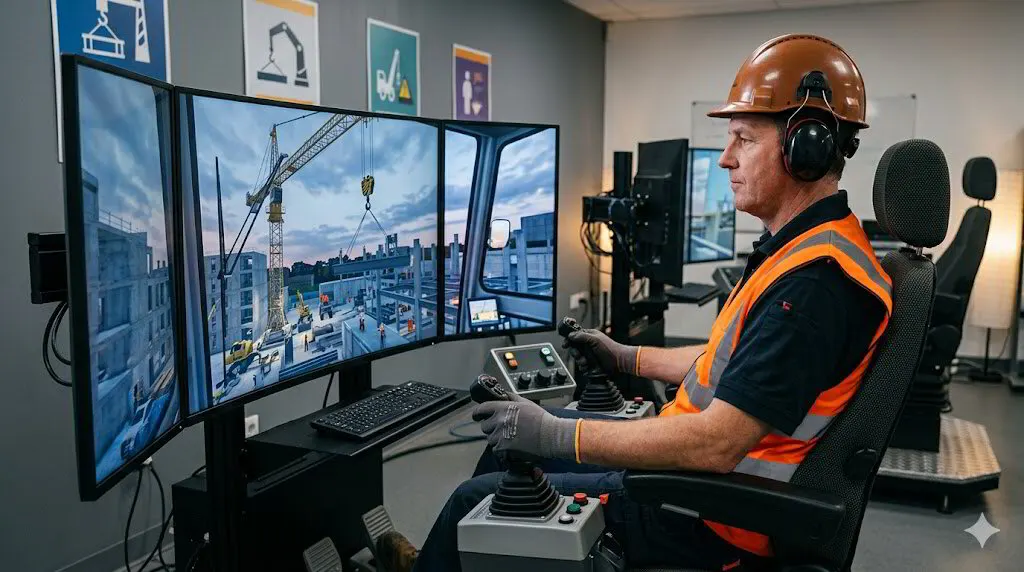
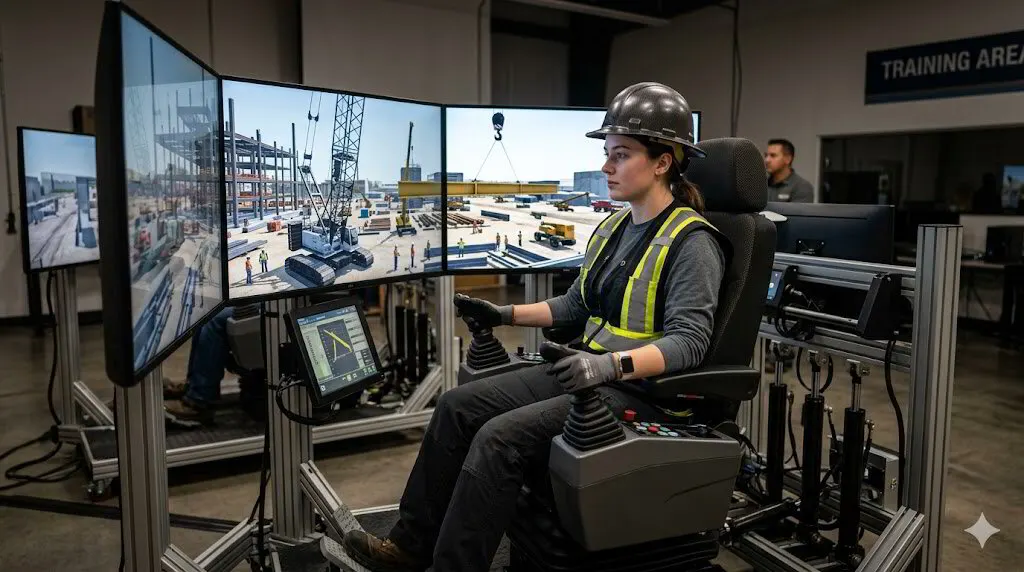
- Simulated Scenarios: Use of simulators can help reinforce skills in a controlled environment before actual operation.
Theoretical Knowledge and Assessments
In addition to hands-on training, the course also covers essential theoretical aspects, such as:
- Understanding Crane Specifications: Learning how different cranes work and their capabilities.
- Safety Protocols: Familiarization with safety guidelines, regulation standards, and emergency procedures.
Assessments will be conducted throughout the course to ensure comprehension and retention of the material.
Interaction with Experienced Instructors
Participants in the tower crane certification course will benefit from:
- Expert Guidance: Instructors with extensive industry experience will provide invaluable insights and tips.
- Q&A Sessions: Opportunities to ask questions and clarify doubts directly with skilled professionals enhance learning and understanding.
For those looking to further explore crane operation and safety training, a visit to Caterpillar can provide additional resources and training opportunities.
Preparing for the Tower Crane Certification Exam
The culmination of the tower crane certification course is the certification exam, which assesses both theoretical knowledge and practical skills acquired throughout the training.
Preparing adequately for this exam is critical for achieving certification.
Study Materials and Resources
To succeed in the exam, participants should utilize various study materials, including:
- Course Manuals and Handouts: Review all materials provided during training for essential concepts and safety protocols.
- Practice Tests: Engaging in practice examinations can help familiarize candidates with the format and types of questions they may encounter.
- Online Resources: Websites like National Commission for the Certification of Crane
Operators (NCCCO) offer valuable resources and information related to crane operation and certification standards.
Test Format and Scoring Criteria
Understanding the exam structure is essential. The exam typically includes:
- Multiple Choice Questions: Assessing theoretical knowledge regarding crane operations, safety regulations, and equipment handling.
- Practical Assessment: Evaluating hands-on skills in operating tower cranes safely, ensuring that participants can perform necessary tasks under real-world conditions.
Scoring criteria will usually focus on:
- Correctness of answers in the written test
- Ability to adhere to safety practices and demonstrate proficient operational skills during
- the practical assessment
By preparing thoroughly and utilizing available resources, candidates can approach the exam with confidence, increasing their chances of success in obtaining their tower crane certification.
Next Steps After Certification
Completing the tower crane certification course is a significant achievement that allows certified operators to elevate their careers in the construction industry. However, the journey doesn’t end with obtaining certification. Here are the crucial next steps that certified operators should consider.
Maintaining Your Certification
To ensure ongoing competency and compliance, certified operators should be aware of the requirements for maintaining their certification, including:
- Recertification: Most certifications require renewal every few years. Operators should check the specific timelines and processes for recertification.
- Continued Education: Participating in additional training programs can help keep skills current and expand knowledge of new technologies and safety practices.
Continuing Education Opportunities
The construction industry is constantly evolving, and continuous learning is essential for success. Consider exploring:
- Advanced Specialty Courses: Enroll in specialized courses that focus on advanced tower crane operations, new equipment, or updated safety regulations.
- Workshops and Seminars: Attend industry conferences or workshops to network with other professionals and learn about the latest trends and technologies in crane operation.
By taking these next steps, certified tower crane operators can enhance their expertise, increase their marketability, and contribute to safer job sites. For more information about ongoing training options, check out The Associated General Contractors of America, which offers resources for construction education and professional development.
Conclusion
Investing in a tower crane certification course is a valuable step for individuals seeking to enhance their careers in the construction industry. Through comprehensive training, participants gain essential skills in crane operation, safety protocols, and regulatory compliance.
The Value of Investing in Your Career
Certification not only elevates your professional profile but also contributes to a safer work environment, benefiting both workers and employers. By successfully completing the course, you demonstrate your commitment to:
- Safety: Understanding and implementing safety measures reduces the risk of accidents on construction sites.
- Competence: Being certified showcases your expertise, making you a more attractive candidate to employers.
Taking Action: Enroll in the Tower Crane Certification Course Today!
If you are ready to take your career to new heights, consider enrolling in a tower crane certification course today. With the right training, you can become a skilled operator capable of meeting the demands of modern construction projects. Don’t miss this opportunity to advance your skills and contribute positively to the industry.
For additional resources and information about crane certification, visit Konecranes, a leader in lifting equipment and servicing, offering training programs designed for all levels of crane operation.
The Importance of Staying Updated in Crane Operations
In the dynamic field of crane operations, staying updated with the latest practices and regulations is crucial for certified operators. As new technologies emerge and safety standards evolve, continuous education becomes essential for all professionals in the industry.
Trends and Innovations in Crane Technology
The construction sector is ever-changing, and operators need to be aware of emerging trends, including:
- Smart Crane Technologies: Integration of advanced technology like IoT (Internet of
Things) for real-time monitoring and performance analytics.
- Eco-Friendly Solutions: Adoption of green technologies in crane operations to promote sustainability on job sites.
- Automated Systems: Increasing use of computer-aided systems for enhancing operational efficiency and precision.
Resources for Continuing Education
Operators can look for various platforms and opportunities to stay informed and educated:
- Online Courses and Webinars: Many organizations offer flexible online learning options that cover new technologies and regulations.
- Industry Conferences: Attending construction and equipment expos can provide insights into the latest advancements in crane operations.
- Networking Events: Engaging with peers and industry experts can help share knowledge and best practices.
By remaining proactive about education after completing a tower crane certification course, operators can ensure their skills remain relevant and can adapt to industry changes effectively.
For comprehensive resources and industry standards, consider visiting the American Society of Civil Engineers (ASCE), which offers a wealth of information and networking opportunities for construction professionals.
Understanding the Role of Safety in Crane Operations
Safety is paramount in crane operations, making it an essential focus within a tower crane certification course. By emphasizing safety measures, operators can significantly reduce the risk of accidents and ensure a secure working environment for everyone on the construction site.
Key Safety Protocols for Tower Crane Operators
Effective crane operation involves adhering to strict safety protocols. Operators should be familiar with the following:
- Pre-Operation Inspections: Conducting thorough inspections before each use to ensure that the crane is in safe operating condition.
- Load Management: Understanding the limits of crane capacity and using proper rigging techniques to avoid overloading.
- Clear Communication: Maintaining clear communication with ground personnel through hand signals or two-way radios to enhance safety during operations.
Best Practices for Enhancing Safety Standards
To create a safer work environment, certified operators should implement best practices, such as:
- Ongoing Training: Continuing education on the latest safety regulations and operational techniques helps maintain a high safety standard.
- Emergency Procedures: Familiarizing all crew members with emergency protocols and how to respond to different scenarios ensures preparedness.
- Reporting Hazards: Encouraging a culture of safety where workers can report unsafe conditions without fear promotes proactive risk management.
By prioritizing safety throughout their careers, certified crane operators can uphold industry standards and contribute significantly to the overall safety culture on construction sites. For comprehensive safety resources, check out the National Safety Council, which provides valuable information and training for workers in various industries.
What is a tower crane certification course?
A tower crane certification course is a specialized training program designed to teach individuals the skills and knowledge necessary to operate tower cranes safely and efficiently. This course typically covers crane operation techniques, safety protocols, load management, and regulatory compliance, culminating in a certification exam that validates the operator's capabilities.
Who needs to enroll in a tower crane certification course?
Individuals who wish to operate tower cranes professionally are required to enroll in a tower crane certification course. This includes construction workers, equipment operators, and other personnel involved in crane operations. Employers often seek certified operators to ensure workplace safety and compliance with industry regulations.
How long does it take to complete the tower crane certification course?
The duration of a tower crane certification course can vary depending on the provider and the depth of the curriculum. Typically, courses range from a few days to several weeks. This timeframe includes both theoretical classroom instruction and practical hands-on training to ensure comprehensive understanding and skill development.
Is prior experience required to enroll in the course?
While prior experience operating cranes or heavy machinery can be beneficial, many tower crane certification courses accommodate individuals with varying levels of experience. Some programs may require a basic understanding of construction principles, but they often cater to beginners through structured training modules.
How often do I need to renew my crane certification?
Most tower crane certifications require renewal every three to five years, depending on the issuing organization and state regulations. It is essential to stay informed about the specific renewal timelines and requirements to maintain your certification and ensure you stay up-to-date with industry standards and practices.
-
 The Ultimate Guide to Crane Operator Field Training Programs: Certification & Career SuccessIn the ever-evolving construction industry, the need for certified crane operators is paramount, making effective…
-
 How Crane Simulators Enhance Operator Skills for Safer Construction PracticesAs the construction industry increasingly embraces technology, crane operator training has evolved significantly,…
-
 Unlocking Efficiency: The Benefits of Crane Simulator Training for Aspiring OperatorsCrane simulator training is revolutionizing the skill development of aspiring crane operators, offering a safe and…