Did you know that OSHA reports indicate a significant reduction in construction site accidents when operators hold a valid construction crane certification? This essential credential not only enhances safety but also opens doors to better career opportunities in the booming construction industry. As projects become increasingly complex and the demand for skilled operators rises, understanding the ins and outs of construction crane certification is more critical than ever.
Whether you're an experienced operator looking to advance your qualifications or a newcomer considering a career in crane operation, this guide will provide valuable insights into the certification process, requirements, and benefits that can set you apart in this competitive field.
Understanding Construction Crane Certification
Construction crane certification is a crucial qualification that ensures operators possess the necessary skills and knowledge to operate cranes safely and efficiently. For anyone looking to advance their career in the construction industry, obtaining this certification is often a prerequisite.
Importance of Certification for Operators The importance of construction crane certification cannot be overstated. Here are some key reasons why certification matters:
- Safety Assurance: Properly trained operators reduce the risk of accidents, thereby protecting themselves and their coworkers.
- Compliance with Regulations: Many states and cities mandate crane operator certification, making it legally necessary for individuals to be certified.
- Career Advancement: Holding a construction crane certification can enhance job prospects and lead to higher wages.
- Employer Preference: Many companies prefer hiring certified operators to reduce liability and ensure safety compliance on job sites.
In Texas, organizations like the National Commission for the Certification of Crane Operators (NCCCO) provide standardized certification programs. Their extensive training ensures that crane operators are equipped to handle various job scenarios, especially in environments where tower cranes are utilized.
For more detailed information about the NCCCO and their programs, you can visit NCCCO's official website.
Types of Cranes and Their Certifications
When it comes to construction crane certification, understanding the different types of cranes and their specific certification requirements is essential. Each crane type has unique operational characteristics that a certified operator must master.
Overview of Different Crane Types Crane operations vary widely, and the certification process reflects these differences. Among the most common crane types are:
- Tower Cranes: Typically used in the construction of tall buildings, these cranes have a stationary base and a rotating arm.
- Mobile Cranes: Versatile and easy to transport, mobile cranes can travel to different job sites and adjust to various terrains.
- Crawler Cranes: Equipped with tracks instead of wheels, crawler cranes are designed for stability and can navigate uneven surfaces.
Specific Certification Requirements for Tower Cranes Tower cranes are among the most complex types in the industry, requiring specialized training and certification. The certification process for tower cranes typically includes:
- Written Examination: Tests knowledge of safety protocols, crane operation, and load management.
- Practical Evaluation: Assessing skills in real-world scenarios to ensure proficiency in crane operation.
- Safety Training: Focused lessons on hazard recognition, site preparation, and emergency procedures.
Obtaining construction crane certification for tower cranes not only strengthens an operator’s skillset but also ensures compliance with industry regulations. It is essential to select a certification program that covers these crucial aspects to ensure preparedness for the job.
For more information on construction crane types and their certifications, visit Indeed's Construction Cranes Overview.
The NCCCO Certification Process
The National Commission for the Certification of Crane Operators (NCCCO) provides a standardized approach to achieving construction crane certification. Understanding the steps involved in the certification process can help prospective operators prepare effectively.
Steps to Achieving NCCCO Certification The NCCCO certification process consists of several key steps:
1. Eligibility Determination: Candidates must meet minimum age and experience requirements, including a suggested number of hours operating cranes.
2. Registration for Exams: Operators must register for both the written and practical exams. It is beneficial to review the official NCCCO website for details about scheduling and locations.
3. Preparation for Exams: Operators should utilize study materials, practice tests, and training resources to ensure they're fully prepared. Miller Crane Works teaches its approved courses in person at the Seagoville yard that cover both theoretical knowledge and hands-on experience.
4. Passing the Written Exam: The written portion assesses knowledge in areas such as safety protocols, crane mechanics, and load calculations. A passing score is required to move forward.
5. Completing the Practical Exam: Candidates demonstrate their crane operation skills in real-world scenarios. This evaluation tests the candidate's ability to perform tasks under supervision, ensuring competency.
6. Certification Maintenance: Once certified, operators are required to maintain their certification through continuing education and recertification every five years.
Key Areas Covered in Training Effective training is crucial for successful certification. Important areas covered may include:
- Crane Safety Procedures: Understanding safety protocols to prevent accidents on the job site.
- Load Handling: Knowledge of rigging and load capacities.
- Site Evaluation: Skills to assess worksite conditions and potential hazards.
By diligently following these steps, crane operators can master the process of construction crane certification, enhancing their skillsets and increasing their employment opportunities.
For additional resources and more detailed information about the NCCCO certification process, visit NCCCO's official site.
in-person training vs. Online Learning
The method of training chosen for construction crane certification can greatly influence an operator's effectiveness and preparedness. While both onsite and online training options exist, understanding their differences is crucial for aspiring crane operators.
Advantages of In-Person Training in-person training offers several significant benefits, including:
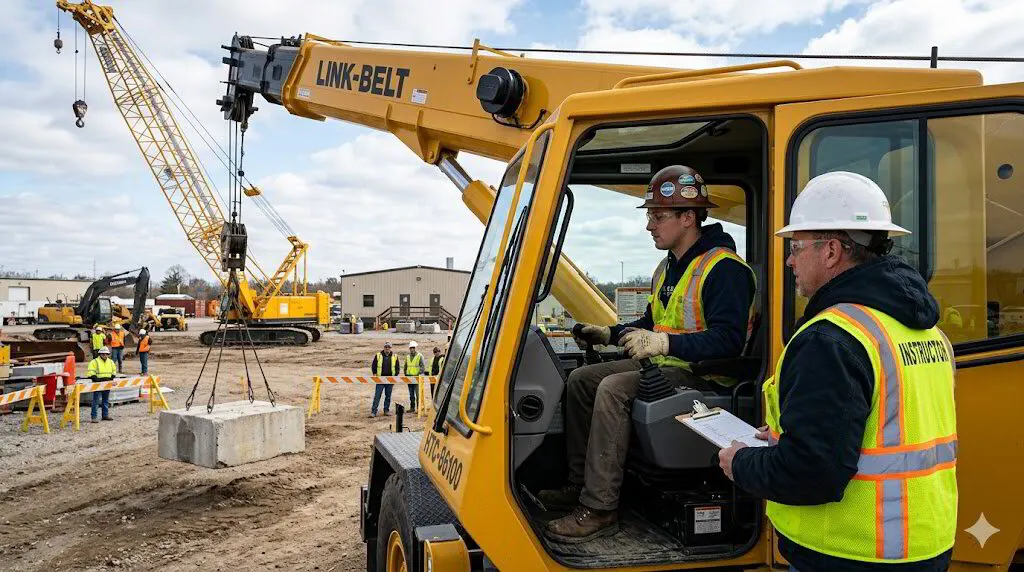
- Hands-On Experience: Direct interaction with cranes under supervised conditions allows students to practice maneuvers and techniques more effectively.
- Immediate Feedback: Instructors can provide real-time corrections and insights, leading to better skill refinement during the learning process.
- Networking Opportunities: Participants can connect with industry professionals and fellow students, which may lead to job opportunities or mentorship.
- Safety Training: in-person training often emphasizes real-world safety scenarios and emergency protocols, vital for ensuring safe operations on the job.
Interactive Learning in the Field One of the standout features of in-person training facilities, such as Miller Crane Works, is the focus on interactive learning. Operators engage in:
- Real-World Simulations: Practicing their skills in live environments prepares students for challenges they may face on actual job sites.
- Team Collaboration: Learning how to operate as part of a crew builds effective communication skills and teamwork, essential for large construction projects.
- Industry Standards: in-person training often aligns closely with current industry regulations and best practices, ensuring that operators meet the necessary standards.
While online training programs can provide flexibility and may be suitable for those with prior experience, they often lack the essential hands-on elements that come with in-person training.
Therefore, for many aspiring crane operators, in-person training courses focused on construction crane certification can pave the way to a successful career.
To explore more about effective training options, visit Construction Equipment Guide.
Preparing for Certification Exams
Preparing for the certification exams is a critical step in the journey toward achieving construction crane certification. Thorough preparation can make a significant difference in performance, increasing the likelihood of success.
Study Resources and Materials To effectively prepare, candidates should utilize a variety of study resources. Key materials include:
- Official NCCCO Study Guides: These guides provide comprehensive information about the content of the exams, including safety practices and operational procedures.
- Online Courses: Many platforms offer specialized online courses focusing on crane operation topics relevant to the NCCCO certification.
- Practice Tests: Taking practice exams can help identify weak areas, allowing candidates to focus their studies on those topics.
Tips for Effective Exam Preparation To maximize the efficacy of study efforts, consider the following tips:
- Create a Study Schedule: Setting aside dedicated time for study sessions helps to maintain focus and ensures all topics are covered.
- Join Study Groups: Collaborating with peers can enhance understanding through discussion and shared insights.
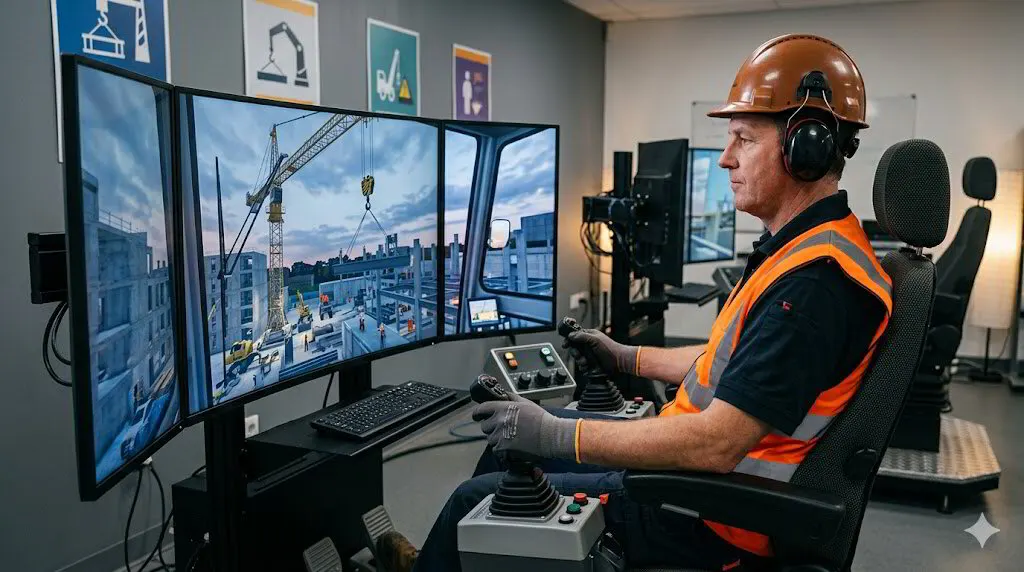
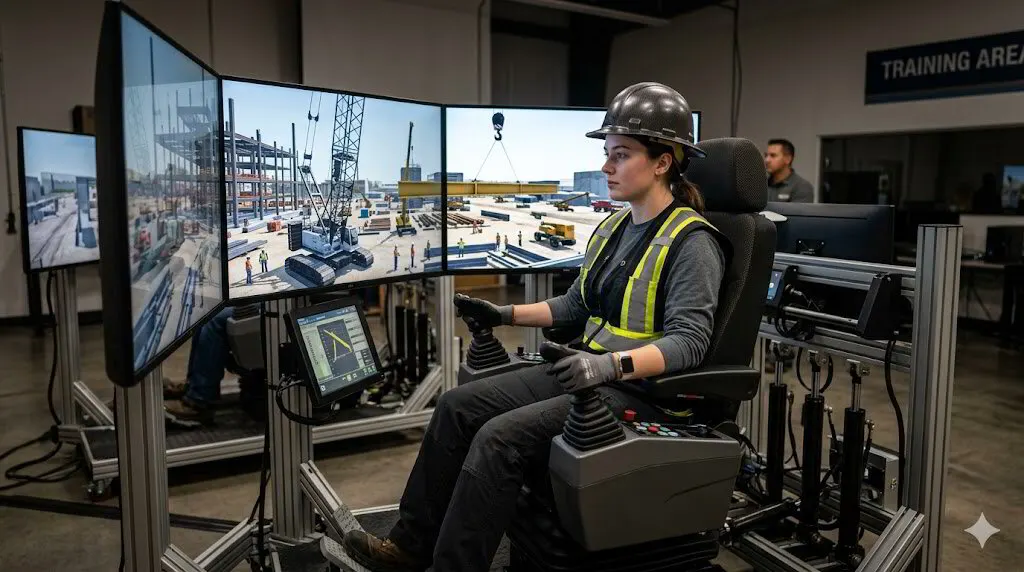
- Utilize Simulator Training: Engaging with crane simulators can offer practical experience in a controlled environment, helping to build confidence.
- Review Safety Protocols: As safety is paramount in crane operation, a thorough understanding of safety regulations will not only help in exams but also in real-world applications.
By leveraging diverse resources and following a structured approach to exam preparation, candidates can effectively position themselves to achieve construction crane certification. This foundational step is crucial for ensuring a fruitful career in the crane operation field.
For further guidance on preparing for certification exams, check out resources available at OSHA's official website.
Common Mistakes to Avoid During Certification
Achieving construction crane certification is a significant milestone, but many candidates face challenges that can hinder their success. Understanding and avoiding common mistakes can streamline the certification process and improve outcomes.
Pitfalls in Crane Operation Several common pitfalls can lead to mistakes during both the training and certification phases:
- Neglecting Safety Procedures: Failing to prioritize safety protocols can lead to accidents during training and actual operation, as well as negative impacts on passing the certification exam.
- Inadequate Preparation: Rushing through study materials or neglecting to practice can result in insufficient knowledge and skills needed for the exams.
- Disregarding the Practical Components: Underestimating the importance of the practical exam may result in a lack of hands-on experience, which is crucial for mastering crane operation.
Tips for Successful Completion of the Certification To enhance the chances of success, consider the following tips:
- Create a Comprehensive Study Plan: Allocate time for each section of the exam—both written and practical—to ensure well-rounded preparation.
- Focus on Real-World Applications: Connecting theoretical knowledge to practical scenarios will help solidify understanding and improve operational skills.
- Seek Feedback from Instructors: During training, ask questions and seek clarification on complex topics to ensure complete comprehension.
- Simulate Exam Conditions: Practice under exam-like conditions to build confidence and reduce anxiety on the day of the actual test.
By recognizing and avoiding these common mistakes, crane operators can navigate the certification process more effectively. This proactive approach not only increases the likelihood of obtaining construction crane certification but also prepares operators for safe and effective performance in their roles.
For additional resources and training tips, visit Crane Institute of America.
Continuing Education and Recertification
In the ever-evolving field of crane operation, obtaining construction crane certification is just the beginning. Continuous education and regular recertification are essential for maintaining skills and staying updated with industry standards.
Importance of Staying Updated Regularly renewing certifications and enhancing knowledge impacts not only individual operators but also the broader safety culture within the construction industry. Key reasons include:
- Adherence to Industry Standards: Regulations often change, and operators must stay informed about new safety rules and operational guidelines.
- Skills Refresher: Continuous education allows operators to refresh fundamental skills and learn about advanced techniques or new technologies in crane operation.
- Career Advancement: Maintaining up-to-date certification can lead to better job prospects, promotions, and higher earning potential.
Recertification Process and Requirements The recertification process typically involves the following elements:
- Renewal Timeline: Most certifications are valid for a limited period, often five years, after which operators must renew their credentials.
- Continuing Education Units (CEUs): Operators may be required to earn CEUs through additional training, workshops, or courses focused on crane operation and safety.
- Submission of Documentation: To recertify, operators need to present proof of completed training and may need to retake certain examinations, particularly hands-on assessments.
By prioritizing ongoing education and understanding the recertification requirements, crane operators can ensure their skills remain sharp and compliant with industry standards.
Embracing a mindset of continuous improvement significantly benefits both the operators and their employers.
For detailed information on continuing education and recertification guidelines, visit the International Union of Operating Engineers.
Resources for Aspiring Crane Operators
For aspiring crane operators, accessing the right resources is essential for successfully achieving construction crane certification. A variety of training materials, facilities, and educational platforms are available to help candidates excel.
Training Facilities in Texas If you’re looking for hands-on training and certification programs, consider the following reputable training facilities in Texas:
- Miller Crane Works: Offering in-person training specifically designed for NCCCO certification, Miller Crane Works provides a comprehensive curriculum, including tower crane courses.
- Texas A&M Engineering Extension Service (TEEX): TEEX provides various courses related to heavy equipment operations, ensuring that students meet industry standards for certification.
- Lone Star College: With specialized programs for crane training, Lone Star College prepares students for both written and practical exams required for certification.
Additional Learning Materials and Courses Apart from physical training facilities, several online resources can help candidates prepare:
- NCCCO Study Guides: These guides offer in-depth information about the certification process and important topics related to crane operation.
- Webinars and Online Workshops: Many organizations offer live and recorded sessions covering the latest techniques in crane operation and safety.
- Industry Publications: Subscribing to magazines and journals like "Cranes Today" can provide valuable insights and updates relevant to crane operation.
By utilizing these resources, aspiring crane operators can effectively prepare for their construction crane certification, ensuring they are knowledgeable, skilled, and confident as they progress in their careers.
For more information on training resources, visit the National Commission for the Certification of Crane Operators.
Conclusion
Achieving construction crane certification is a vital step for anyone looking to build a successful career in the construction industry. Not only does it enhance an individual’s credibility and employability, but it also plays a crucial role in ensuring safety on job sites.
Recap of the Importance of Construction Crane Certification The main benefits of obtaining construction crane certification include:
- Increased Safety: Certified operators are better trained to recognize hazards and operate cranes safely, reducing the likelihood of accidents.
- Regulatory Compliance: Many jurisdictions require certifications for crane operators, ensuring that workers meet essential safety standards.
- Career Opportunities: Holding a certification opens the door to numerous job opportunities and can lead to higher pay and career advancement.
Encouragement to Pursue Certification for Career Advancement For those contemplating a career in crane operation, pursuing construction crane certification is not just a regulatory requirement; it’s an investment in your future. The thorough training and practical experience gained during the certification process equip operators with the skills necessary to excel in their roles.
As the construction industry continues to evolve, so too does the importance of ongoing education and skills enhancement. By committing to this profession and maintaining certification, operators can ensure they remain competitive in the job market.
For further resources and guidance on advancing your career in crane operation, explore options at Indeed.
What is construction crane certification?
Construction crane certification is a credential that verifies an operator's ability to operate cranes safely and effectively. It usually involves passing written and practical exams to ensure that operators are knowledgeable about safety protocols, equipment operation, and load management.
Why is construction crane certification important?
Obtaining construction crane certification is crucial for enhancing safety on job sites and complying with regulatory requirements. Certified operators are better equipped to identify hazards, leading to fewer accidents and injuries, while also increasing their employability in a competitive job market.
How long is construction crane certification valid?
Most construction crane certifications are valid for a period of five years. After this time, operators are typically required to undergo recertification to ensure they remain updated with current safety practices and operational techniques.
What training is required for construction crane certification?
Training for construction crane certification typically includes a combination of classroom instruction and hands-on experience. This training covers essential topics such as safety regulations, crane mechanics, load calculations, and emergency procedures, preparing candidates for the certification exams.
Can I obtain construction crane certification online?
While some components of the training may be available online, hands-on practical training is essential for construction crane certification. Many organizations require candidates to participate in in-person training to develop the necessary skills for safe crane operation before taking the certification exams.
Miller Crane Works Guide to Mastering Crane Certification in Construction
At Miller Crane Works, we understand that proper crane certification is not just a requirement— it's the foundation of safety and efficiency on any construction site. Our comprehensive guide is designed to help operators, contractors, and construction professionals navigate the certification process with confidence. From understanding OSHA standards to hands-on training and exam preparation, we provide the tools and support needed to meet industry requirements and excel in the field. Whether you're new to crane operation or looking to renew your credentials, Miller Crane Works is your trusted partner in mastering crane certification the right way.

-
 The Ultimate Guide to Crane Operator Field Training Programs: Certification & Career SuccessIn the ever-evolving construction industry, the need for certified crane operators is paramount, making effective…
-
 How Crane Simulators Enhance Operator Skills for Safer Construction PracticesAs the construction industry increasingly embraces technology, crane operator training has evolved significantly,…
-
 Unlocking Efficiency: The Benefits of Crane Simulator Training for Aspiring OperatorsCrane simulator training is revolutionizing the skill development of aspiring crane operators, offering a safe and…