
Safety rules are easier to follow when they are built into the order of the day. Here is how a careful operator works through a shift, step by step.
Before the engine starts
OSHA's crane standard for construction (29 CFR 1926.1412) requires a visual inspection by a competent person each shift the crane is used. In practice the operator usually does it. A good walkaround has a fixed order so nothing gets skipped:
- Hook and block: latch working, no cracks, no twist or opening of the throat.
- Wire rope: look for broken wires, kinks, birdcaging and crushing, especially where the rope runs over sheaves.
- Hydraulics: leaks at cylinders, hoses and fittings; fluid levels.
- Safety devices: the anti-two-block system, load moment indicator, boom angle indicator and horn all working.
- Tires, tracks and outriggers: damage, pressure, pads present.
Write down what you find. If something affects safe operation, the crane does not work until it is fixed, and that decision is much easier when the defect is on paper.
Setting up where the crane will actually work
Most serious crane incidents start before the first pick, with a poor setup. The controlling contractor is responsible for ground conditions under 1926.1402, but the operator is the one who sees soft spots, fresh fill or a buried utility vault near an outrigger.
Extend the outriggers to the position the load chart calls for, use pads or mats sized for the ground, and level the crane. A crane that is a degree or two off level loses capacity, because side loading on the boom is not what the chart assumes.
Next, look up. Under 1926.1408, if the crane could get within 20 feet of a power line (for lines up to 350 kV), the employer has to take specific steps before work starts, such as de-energizing, a dedicated spotter, or warning lines and range limits. Mark the swing radius of the counterweight with barricades so nobody walks into a pinch point.
Planning each lift, not just the first one
Every lift needs the same short checklist, even the tenth time you pick the same bundle:
- What does the load weigh, and where did that number come from?
- What is the radius at pick and at set, and what does the chart allow at the longer of the two?
- What has to come off the chart capacity: hook block, rigging, stowed jib, wire rope weight?
- Who is the signal person, and how will you talk if you lose sight of each other?
- Where are people standing, and is anyone going to be under the load?
Lifts that are close to capacity, involve two cranes or put people in a basket need a written plan and more review. The routine above is the minimum for everything else.
During the lift
Take a test pick: lift the load a few inches, stop, and watch. Check that the brakes hold, the rigging is seated, and the load hangs level. Then move smoothly. Jerky starts and stops swing the load, and a swinging load adds dynamic force the chart does not account for.
Only take signals from the designated signal person, with one exception: anyone can give the stop signal, and you obey it. Watch the wind. Manufacturers publish wind limits for their cranes, and large or flat loads catch the wind well before those limits are reached. If something feels wrong, set the load down and talk it through.
Shutting down and handing over
At the end of the shift, land the load, never leave one hanging. Retract and lower the boom as the manufacturer recommends, set the swing brake or house lock, shut down and take the key. If another operator takes over tomorrow, tell them what you noticed: a slow hydraulic function, a soft spot by the north outrigger, a sticky latch. Those notes are part of the safety system too.
Building the habit in training
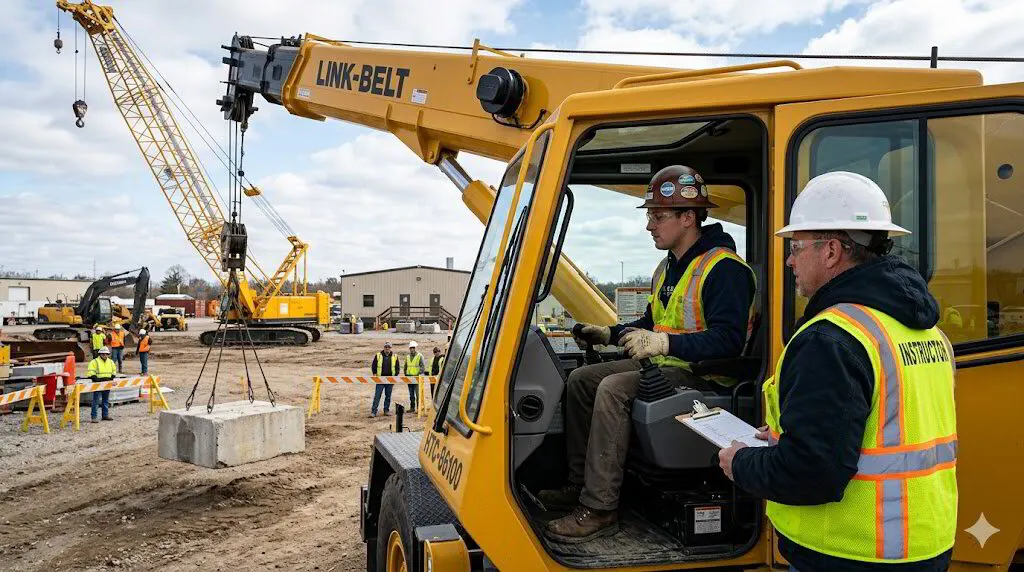
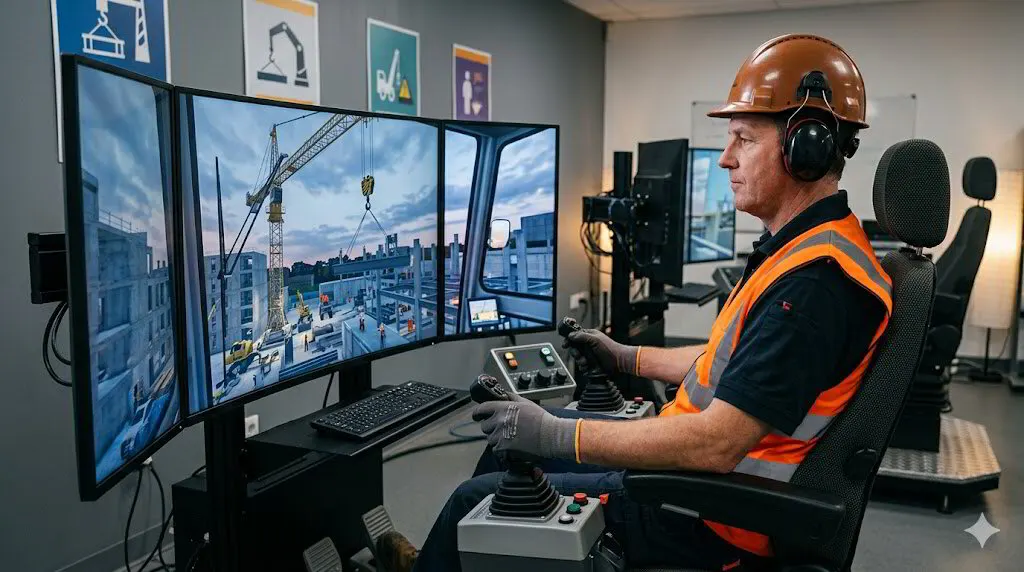
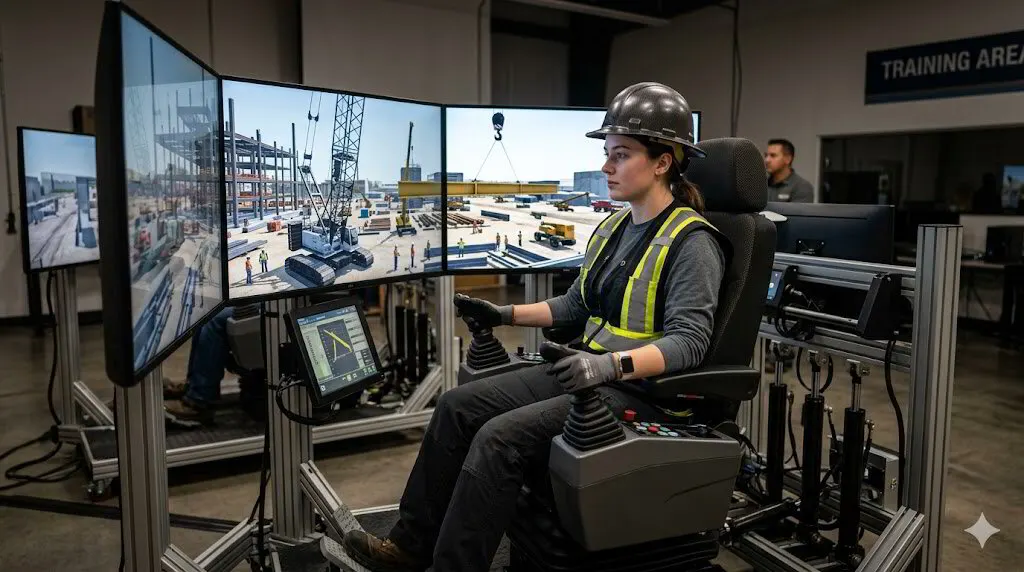
At Miller Crane Works every yard session follows this order, from inspection to shutdown, so it becomes automatic before you face a real job. Students in the Mobile Crane Operations Fixed/Swing Cab 120 Hours course repeat it for weeks on telescopic cranes in our Seagoville yard. Ground crews who rig and signal can build the same habits in the Rigger/Signal Person Certification Level I 28 Hours course.
Questions about daily crane safety
Does the operator have to do the shift inspection?
OSHA requires a competent person to do it. On many sites that is the operator, but the employer decides who is designated.
What is the minimum clearance from power lines?
For lines up to 350 kV, OSHA 1926.1408 uses 20 feet as the trigger for required precautions. Higher voltages need more distance. Treat every line as energized unless the utility confirms otherwise.
Who can stop a lift?
Anyone on site. The operator must obey a stop signal from any person, even if it does not come from the designated signal person.