Did you know that operating a tower crane can influence the success of a construction project significantly? Enrolling in a tower crane certification course not only equips you with the vital skills and knowledge to operate these massive machines but also ensures that you adhere to industry safety standards and regulations. As construction projects grow in complexity and scale, the demand for certified crane operators has never been higher. In this blog post, we'll explore the various aspects of the tower crane certification course, including its importance, what to expect during training, and the benefits it can bring to your career in the construction industry.
Understanding the Importance of the Tower Crane Certification Course
The construction industry relies heavily on tower cranes for various projects, making the role of a certified operator critical. Enrolling in a tower crane certification course not only enhances operators' skill sets but also ensures safety and compliance with regulatory standards.
Significance for Crane Operators Certification signifies competence, aligning operators with industry expectations. Employers often prioritize candidates with formal qualifications, especially in a field where safety is paramount. Here’s why obtaining certification is essential:
- Enhances job prospects
- Validates expertise to employers
- Promotes a safety-first culture on job sites
Industry Standards and Regulations The crane operations field is governed by strict regulations at both federal and state levels. The tower crane certification course equips operators with the knowledge necessary to navigate these legal frameworks, ensuring adherence to:
- OSHA regulations
- State-specific crane operation guidelines
- National Commission for the Certification of Crane Operators (NCCCO) standards
Benefits for Job Prospects and Safety Completing a tower crane certification course can lead to numerous advantages:
- Increased earning potential due to specialization
- Improved job security within the competitive construction sector
- Enhanced safety records, reducing job site accidents
By investing time in a tower crane certification course, operators not only elevate their career but also contribute to a safer construction environment. For more information about safety standards, visit OSHA.
Overview of the Tower Crane
Certification Course
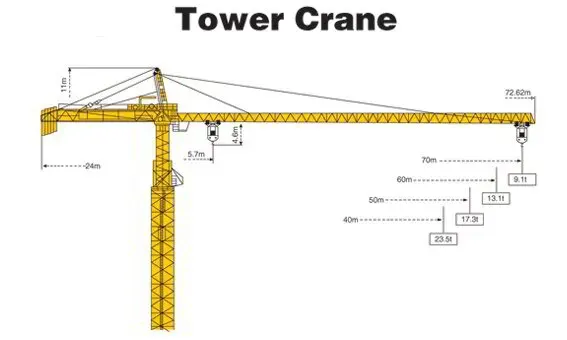
The tower crane certification course is designed to provide operators with the necessary skills and knowledge to safely and efficiently operate tower cranes. This structured program covers a variety of essential topics that not only prepare students for the certification exam but also equip them with practical skills for real-world applications.
What to Expect During the Course When enrolling in a tower crane certification course, participants can anticipate a comprehensive training experience that includes:
- Classroom instruction: Understanding crane components, operation principles, and safety regulations.
- Hands-on training: Practical sessions where participants operate tower cranes under supervision.
- Evaluation and feedback: Continuous assessment to ensure comprehension and skill proficiency.
Duration and Format of the Training The duration of the tower crane certification course can vary based on the training facility.
Generally, the course spans several days to weeks, depending on the depth of instruction.
Formats may include:
- Full-time courses: Intensive training often completed in a week.
- Part-time options: Flexible schedules for working professionals.
Key Topics Covered in the Curriculum A well-rounded tower crane certification course encompasses several crucial subjects, including:
- Operating procedures and techniques
- Load charts and rigging
- Safety protocols and emergency procedures
- Pre-operation inspections and maintenance practices
By participating in a tower crane certification course, operators not only gain invaluable skills but also demonstrate their commitment to maintaining high safety standards within the construction industry. For more details on course offerings, you can visit NCCCO's official site.
Prerequisites for Enrolling in the Tower Crane Certification Course
Before joining a tower crane certification course, it’s essential to meet certain prerequisites.
These requirements ensure that participants have the foundational skills and knowledge necessary for successful completion and safe operation of tower cranes.
Required Experience and Knowledge While formal experience may not always be necessary, having a basic understanding of construction principles is incredibly beneficial. Recommended experience includes:
- Previous experience operating heavy machinery
- Basic knowledge of rigging and load handling
- Familiarity with construction site safety practices
Physical Fitness Considerations Tower crane operation requires physical abilities to handle equipment and respond to changing conditions on-site. Participants should consider the following fitness aspects:
- Good vision, including depth perception
- Adequate strength and stamina for operating controls
- Ability to work in varying weather conditions
Necessary Documents and Certifications Before enrolling in a tower crane certification course, candidates typically need to provide specific documentation, such as:
- Proof of previous training or certifications
- Identification and age verification (typically must be 18 years or older)
- Medical clearance, if required by the training facility
Meeting these prerequisites not only prepares candidates for the tower crane certification course but also enhances their confidence and capability in handling tower cranes effectively.
Ensuring you meet these requirements will set you on the path to success in this dynamic field.
For further details on crane operation regulations, check the Crane Institute of America.
Training Methodologies in the Tower Crane Certification Course
The training methodologies employed in the tower crane certification course aim to provide a balanced approach between theoretical knowledge and practical skills. This combination ensures that operators are well-prepared to handle tower cranes confidently and safely.
Hands-on Practical Training One of the most vital components of the tower crane certification course is hands-on practical training. Participants will engage in:
- Real-world operation: Direct experience operating tower cranes under the supervision of certified instructors.
- Simulated environments: Using simulators to practice maneuvers and respond to common operational challenges.
- Teamwork exercises: Collaborative tasks to enhance communication and coordination while using cranes.
Theoretical Instruction and Safety Protocols In addition to practical training, understanding the theory behind crane operation is crucial. The course covers:
- Crane fundamentals: Types of tower cranes, their components and how they function.
- Regulatory frameworks: Knowledge of OSHA regulations, state requirements, and industry best practices.
- Safety protocols: Comprehensive training on how to conduct risk assessments and implement safety measures on job sites.
Use of Simulators and Real-World Scenarios Modern training programs may incorporate advanced simulators that replicate various crane operations. This technology helps learners to:
- Practice complex maneuvers without real-world risks.
- Experience diverse scenarios, including adverse weather conditions and emergency situations.
- Build confidence before transitioning to actual crane operation.
By utilizing a variety of training methodologies, the tower crane certification course ensures that operators will be equipped with the necessary skills and knowledge to perform safely and effectively in the construction environment. For more insights into effective training programs, refer to John Deere's training resources.
Preparing for the Tower Crane Certification Exam
Preparation for the tower crane certification exam is crucial for ensuring that you not only pass but also retain the knowledge and skills necessary for safe crane operation. A focused study approach can greatly enhance your chances of success.
Study Resources and Materials To effectively prepare, participants should utilize a variety of study resources, including:
- Course materials: Textbooks and handouts provided during the training sessions.
- Online courses: Supplementary online platforms that offer additional training and practice exams.
- Industry publications: Books and articles that cover current best practices and regulatory updates.
Tips for Effective Exam Preparation To maximize your study efforts, consider these essential tips:
- Create a study schedule: Allocate dedicated time for studying key topics and adhere to it consistently.
- Practice with mock exams: Take advantage of practice tests to familiarize yourself with exam format and timing.
- Join a study group: Collaborate with peers to discuss challenging topics and share knowledge.
Common Challenges and How to Overcome Them While preparing for the tower crane certification exam, you may encounter several challenges, including:
- Nervousness: Practice relaxation techniques, such as deep breathing, to manage test anxiety.
- Time management: Simulate test conditions during practice exams to improve speed and accuracy.
- Understanding complex material: Break down difficult concepts into smaller sections, and seek help from instructors when needed.
By implementing these preparation strategies, candidates can approach their tower crane certification exam with confidence, making them well-equipped to handle the demanding responsibilities of crane operation. For additional study resources, visit Crane Certification Association of America.
Benefits of Completing the Tower Crane Certification Course
Completing a tower crane certification course offers numerous advantages that extend beyond the immediate learning experience. For crane operators, this certification can significantly impact career trajectories, safety on job sites, and overall industry reputation.
Enhanced Skillset and Increased Employability One of the primary benefits of earning your certification is the enhancement of your skillset, which can lead to improved job opportunities. Key points include:
- Marketability: Certified operators are often more desirable to employers in a competitive job market.
- Diverse job options: With certification, you can take on various roles across different construction projects.
- Specialization: Beyond basic crane operations, certification can allow for specialization in tower crane operation, making you a sought-after expert.
Compliance with Legal Regulations The construction industry is heavily regulated, and having a tower crane certification ensures compliance with local, state, and federal regulations. Benefits include:
- Meeting legal requirements: Certification helps fulfill legal obligations associated with crane operation.
- Safety assurance: Operators trained in compliance protocols help reduce workplace accidents and injuries.
- Organizational credibility: Certified operators enhance a company's credibility with clients and regulatory agencies.
Opportunities for Career Advancement Achieving certification is a stepping stone for career advancement in crane operation and the broader construction field. Consider the following opportunities:
- Higher earning potential: Certified operators typically earn more than their non-certified counterparts.
- Advancement roles: Certification may qualify you for supervisory or managerial positions, providing further career growth.
- Networking opportunities: Certification often leads to connections within trade organizations and industry groups, opening doors for future opportunities.
In summary, completing a tower crane certification course not only boosts your skills but also enhances your credibility and career prospects in the construction industry. For more insights on professional development in crane operations, visit Caterpillar's training resources.
Continuing Education and Refresher Courses
The construction industry is constantly evolving, introducing new technologies, regulations, and best practices. To stay relevant and competitive, crane operators should consider ongoing education and refresher courses after completing their tower crane certification course.
Importance of Ongoing Training Continuing education is vital for several reasons:
- Staying updated: Regular training helps operators keep abreast of changes in regulations and safety standards.
- Skill enhancement: Refresher courses provide opportunities to refine existing skills and learn new techniques.
- Safety improvements: Ongoing education reinforces the importance of safety practices, reducing the likelihood of accidents on job sites.
Available Options for Skill Enhancement Various opportunities for continuing education are available for certified operators, including:
- Refresher courses: Short-term courses focused on essential skills and updates in crane operation standards.
- Advanced training workshops: In-depth sessions covering specialized topics, such as new technologies and advanced rigging techniques.
- Webinars and online training: Flexible digital training options that allow operators to learn at their own pace.
Staying Updated with Industry Changes Being proactive about learning ensures that operators remain effective and safe in their roles.
Consider the following strategies:
- Join industry organizations: Participating in organizations such as the National
Commission for the Certification of Crane Operators (NCCCO) can provide access to exclusive training opportunities and resources.
- Subscribe to trade publications: Regularly reading industry magazines and journals keeps you informed about the latest advancements and trends.
- Network with peers: Engaging with fellow crane operators allows for sharing experiences and learning best practices.
By investing in continuing education and refresher courses, crane operators can sustain their professional growth and maintain the highest standards of safety and efficiency in the construction industry. For further training resources, visit Liebherr's training section.
Frequently Asked Questions about the Tower Crane Certification Course
As potential participants consider enrolling in a tower crane certification course, they often have common questions and concerns. Addressing these can help clarify the benefits and requirements associated with the certification process.
Clarifying Common Misconceptions Many individuals may have misconceptions about the tower crane certification course. Some of the most frequently asked questions include:
- Do I need prior experience?
While some experience with heavy machinery is beneficial, many courses accept beginners.
- Is the certification valid nationally?
Yes, certifications achieved through recognized programs, like those from the NCCCO, are widely accepted across the country.
Addressing Concerns About the Certification Process Prospective students may also have specific concerns related to the certification process:
- What if I fail the exam?
Many programs offer retake options or additional study resources to help you succeed.
- How long does the certification last?
Tower crane certifications typically need to be renewed every five years, but specifics can vary by organization.
Understanding Recertification Requirements Operators should be aware of the requirements for maintaining their certification, as these can include:
- Continuing education: Engaging in ongoing training courses to stay updated on industry standards.
- Practical assessments: Demonstrating skills through hands-on evaluations if required by the certifying body.
By addressing these frequently asked questions, prospective participants can feel more informed and prepared as they embark on their journey through a tower crane certification course. For detailed information about certification standards, visit American National Standards Institute (ANSI).
Conclusion: Taking the Next Step Toward Your Certification
Completing a tower crane certification course is a fundamental step for those looking to advance their careers in the construction industry. Not only does it improve your skill set, but it also enhances job prospects and ensures compliance with essential safety standards.
Encouragement to Enroll in the Course For those considering enrolling in this course, here are a few reasons to take that next step:
- Regulatory Compliance: Ensure you meet legal and industry standards essential for operating tower cranes safely.
- Enhanced Skills: Gain hands-on training that prepares you for various operational scenarios, making you a more competent operator.
- Career Advancement: Increase your chances of securing employment in a competitive market, along with potential for higher wages and leadership roles.
Final Thoughts on the Impact of Certification on Your Career The benefits of obtaining a tower crane certification go far beyond just passing an exam. As the construction industry continues to evolve, operators equipped with certifications are better positioned to adapt to new technologies and methodologies. This makes them invaluable assets to their employers and contributes positively to their personal and professional growth.
Resources for More Information and Registration If you're ready to take the next step towards becoming a certified tower crane operator, explore available courses at recognized training facilities. For further insights and guidance, you can check out the National Commission for the Certification of Crane Operators (NCCCO) to find credible training programs in your area.
What is included in the tower crane certification course?
The tower crane certification course typically includes a combination of classroom instruction and hands-on practical training. Participants learn about crane components, operating procedures, safety protocols, and relevant regulations. The course often culminates in a certification exam to validate the skills acquired during training.
How long does it take to complete the tower crane certification course?
The duration of the tower crane certification course can vary, but it typically ranges from several days to a few weeks. The timeline may depend on the training facility, the intensity of the program, and whether it’s a full-time or part-time course.
Is prior experience required to enroll in the tower crane certification course?
While prior experience operating heavy machinery can be beneficial, many training programs accept beginners. It is important to review the specific prerequisites for each course, as some may require a basic understanding of construction principles or safety practices.
What happens if I fail the certification exam?
If you fail the certification exam, many programs offer options for retaking the exam or provide additional study resources to help you succeed. It's essential to consult the specific training facility regarding their policies on exam retakes and available support.
How often do I need to renew my tower crane certification?
Tower crane certifications generally need to be renewed every five years, though this can vary depending on the certifying organization. Renewal may require completing a refresher course or demonstrating continued competence through practical assessments or examinations.
From Student to Certified: Navigating Tower Crane Certification with Miller Crane Works
From Student to Certified: Navigating Tower Crane Certification with Miller Crane Works is your comprehensive guide to becoming a skilled, certified tower crane operator. At Miller Crane Works, we understand that proper training is the foundation of safe and effective crane operation. Our certification program is designed to take you step-by-step through the process—from learning the fundamentals and safety regulations to mastering hands- on techniques with industry-grade equipment. With expert instructors, real-world simulations, and a curriculum aligned with national standards, we ensure every student is fully prepared to pass their certification exam and operate with confidence in the field. Whether you’re starting a new career or advancing your skills, Miller Crane Works is your trusted partner on the path to certification.

-
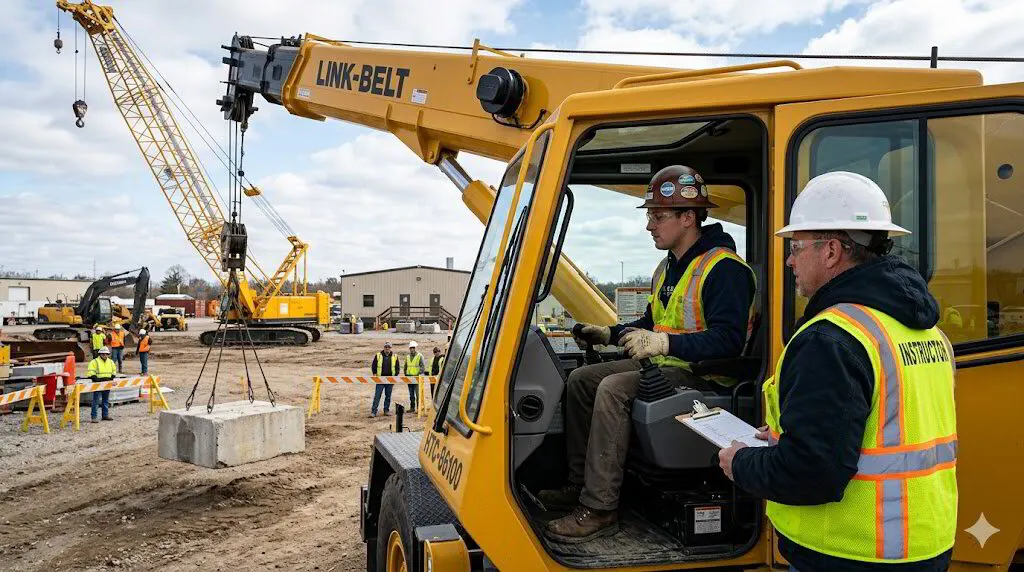 The Ultimate Guide to Crane Operator Field Training Programs: Certification & Career SuccessIn the ever-evolving construction industry, the need for certified crane operators is paramount, making effective…
-
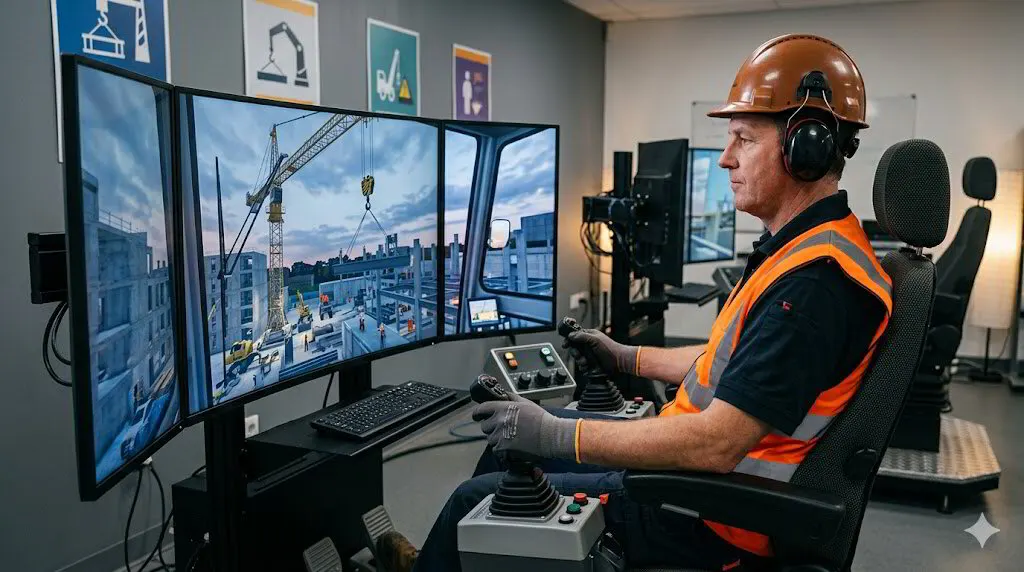 How Crane Simulators Enhance Operator Skills for Safer Construction PracticesAs the construction industry increasingly embraces technology, crane operator training has evolved significantly,…
-
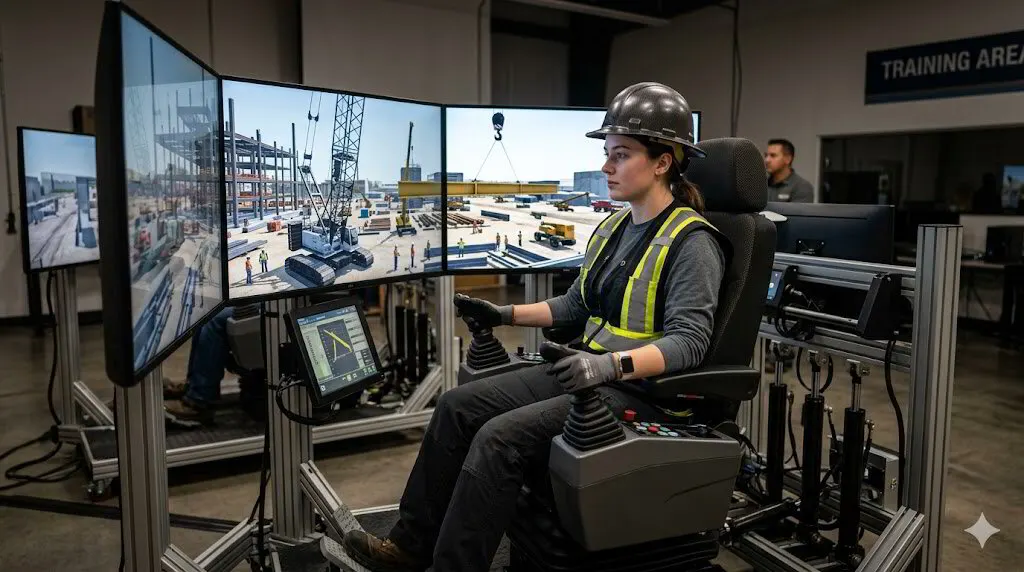 Unlocking Efficiency: The Benefits of Crane Simulator Training for Aspiring OperatorsCrane simulator training is revolutionizing the skill development of aspiring crane operators, offering a safe and…