
Tower crane operation training for construction site managers is not just an option—it's a necessity in today’s fast-paced construction industry. Did you know that approximately 40% of construction site accidents are related to crane operations? As buildings reach greater heights and projects become more complex, the demand for skilled site managers who understand the intricacies of tower crane operation has never been higher. This training empowers managers with the knowledge and skills needed to ensure efficient and safe crane usage while coordinating effectively with the crew. In this blog post, we’ll explore the essential aspects of tower crane operation training and its significance for site managers, highlighting key responsibilities, benefits, and strategies that contribute to a safer, more productive work environment.
Understanding the Role of Site Managers in Tower Crane Operations
Importance of Site Managers in Construction Projects Site managers play a pivotal role in the successful operation of construction projects. They are responsible for overseeing the entire site, ensuring that all activities are executed efficiently and safely. In the context of tower crane operations, site managers must have a comprehensive understanding of how these machines function, coordinate their use effectively, and implement safety protocols.
Overview of Tower Crane Functions and Applications Tower cranes are essential for lifting heavy materials to significant heights, making them invaluable on large construction sites. Their uses include:
- Hoisting steel beams and concrete blocks
- Lifting equipment and tools to upper floors
- Assisting in the assembly of tall structures
Key Responsibilities of Site Managers Regarding Crane Operations Planning and Coordination Site managers are tasked with developing detailed plans for crane usage to ensure optimal workflow. This includes:
- Scheduling crane operations to avoid conflicts with other tasks
- Identifying lifting points and material storage locations
- Coordinates with crane operators to understand the specific requirements of each lift
Safety Protocols and Compliance Safety is paramount in construction, especially when operating large machinery like tower cranes. Key responsibilities include:
- Ensuring compliance with safety regulations set by organizations like OSHA
- Conducting regular safety audits and assessments
- Training staff on emergency procedures related to crane operations
Communication with Crane Operators Effective communication between site managers and crane operators is critical. This includes:
- Establishing clear lines of communication for instruction and feedback
- Holding regular briefings to discuss upcoming lifts and possible challenges
- Utilizing hand signals and radios to ensure safe operations
Benefits of Tower Crane Operation Training for Construction Site Managers
Enhanced Safety and Reduced Risk of Accidents Participating in tower crane operation training equips site managers with knowledge about potential hazards. This training can help minimize accident rates and enhance overall site safety.
Improved Project Efficiency and Schedule Adherence Understanding crane capabilities and limitations allows site managers to devise better project timelines and resource allocation, ultimately leading to increased efficiency.
Effective Management of Resources With training, site managers can optimize the use of cranes—ensuring that machinery is available when needed while minimizing downtime.
Overview of Available Training Programs
Types of Tower Crane Operation Training Courses There are various types of training programs available for construction site managers, including:
- Comprehensive tower crane operation courses
- Safety and compliance workshops
- Specialized training on emergency response and rescue operations
Selecting the Right Training Facility When considering tower crane operation training for construction site managers, ensure that the facility is reputable and experienced. Look for:
- Accreditation from recognized organizations
- Positive reviews and testimonials from past participants
- Courses taught by qualified instructors with industry experience
For more information on accredited training facilities, visit NCCCO.
Preparing for Tower Crane Operation Training
Prerequisites for Training Enrollment Before enrolling in a training program, site managers should assess their current knowledge of crane operations and safety regulations to ensure they meet any prerequisites laid out by the training facility.
What to Expect During the Course Courses typically combine theoretical knowledge with practical exercises. Participants will learn about:
- Crane mechanics and components
- Safety measures and best practices
- Hands-on operation simulations
Tips for Maximizing Training Benefits To gain the most from the training, attendees should:
- Engage actively in discussions and practical exercises
- Network with instructors and other participants
- Take detailed notes for future reference
In summary, investing in tower crane operation training for construction site managers enhances not only personal knowledge but also the safety and efficiency of the entire construction project.
Essential Skills for Effective Tower Crane Operation Management
Technical Proficiency in Tower Crane Mechanics A solid understanding of tower crane mechanics is essential for site managers. Familiarity with the different parts of a crane and how they function can enhance decision-making. Key aspects include:
- Knowledge of crane types and their specifications
- Understanding load charts and weight limits
- Familiarity with rigging techniques and safety measures
Problem-Solving and Quick Decision Making Construction sites are dynamic environments where unexpected challenges can arise. Site managers must be equipped to make swift decisions concerning crane operation, such as:
- Adjusting schedules based on weather conditions
- Responding to equipment malfunctions
- Modifying plans for material delivery and lifting
Leadership and Team Collaboration Effective tower crane operation requires collaboration among diverse team members. Site managers should focus on:
- Building trust and rapport with crane operators and crew members
- Encouraging open communication and feedback
- Facilitating teamwork to ensure efficient operations
Benefits of Tower Crane Operation Training for Construction Site
Managers
Enhanced Safety and Reduced Risk of Accidents Training not only equips site managers with skills, but also emphasizes the importance of safety protocols, which can lead to:
- A safer working environment for all personnel
- Decreased liability for the construction company
- Reduced downtime due to accidents
Improved Project Efficiency and Schedule Adherence By understanding crane capabilities through tower crane operation training for construction site managers, project timelines can be better managed through:
- Proper scheduling of crane lifts
- Optimized use of resources and personnel
- Clarity on operational limitations and potential delays
Effective Management of Resources Training provides site managers with tools to effectively manage tower cranes and other resources, focusing on:
- Efficient allocation of machinery to various tasks
- Balancing operational costs with project requirements
- Implementing preventive maintenance to avoid equipment failure
Overview of Available Training Programs
Types of Tower Crane Operation Training Courses Choosing the right training program is crucial. Some available options include:
- Hands-on training for operating different types of cranes
- Safety and compliance workshops tailored for site managers
- Advanced courses focusing on emergency preparedness
Selecting the Right Training Facility When selecting a training facility for tower crane operation training for construction site managers, consider:
- Accreditation and affiliations with industry leaders
- Quality of instructional staff and their experience
- Testimonials from previous participants
For comprehensive training resources, visit The National Safety Council.
Preparing for Tower Crane Operation Training
Prerequisites for Training Enrollment Before registering for training, site managers should evaluate their existing knowledge. Some programs may require:
- Previous experience in construction or heavy equipment operation
- A basic understanding of safety regulations and protocols
What to Expect During the Course Training courses typically consist of a blend of learning methods, including:
- Classroom instruction on crane mechanics and regulations
- Practical sessions simulating real-world crane operation
- Safety drills to prepare for potential emergency situations
Tips for Maximizing Training Benefits To get the most out of the training experience, participants should:
- Actively participate in both discussions and hands-on exercises
- Form study groups with peers to reinforce learning
- Seek feedback from instructors to address areas for improvement
Overall, tower crane operation training for construction site managers is a vital investment that enhances both individual capabilities and the overall safety and efficiency of construction projects.
Preparing for Tower Crane Operation Training
Prerequisites for Training Enrollment Before enrolling in tower crane operation training for construction site managers, it’s essential to understand the prerequisites to ensure a smooth learning experience. Common prerequisites include:
- Basic Construction Knowledge: Familiarity with construction site dynamics and operations.
- Safety Training: Completion of general safety training programs, such as OSHA courses.
- Physical Fitness: A reasonable level of physical fitness, as operating a crane can be demanding.
What to Expect During the Course Participants in tower crane operation training can anticipate a structured program designed to cover critical aspects of crane management. Key components include:
- Classroom Learning: Instruction on crane mechanics, safety regulations, and operational guidelines.
- Hands-On Training: Practical experience operating cranes in controlled environments to build confidence and skills.
- Safety Drills: Simulations to practice emergency procedures and responses, reinforcing safety measures.
Tips for Maximizing Training Benefits To extract the maximum value from the training program, individuals should consider the following strategies:
- Be Engaged: Actively participate in discussions and ask questions to clarify doubts.
- Network with Peers: Build connections with fellow participants to share knowledge and experiences.
- Practice Regularly: If provided opportunities, practicing crane operations regularly can reinforce skills learned during the training.
Investing in effective tower crane operation training for construction site managers not only enhances personal competencies but also significantly contributes to site safety and operational success. By adequately preparing for training, site managers can ensure they are fully equipped to manage crane operations effectively.
For more insights on safety training in construction, visit Safety and Health Administration.
Conclusion: The Long-term Impact of Training on Site Management
Continuous Learning and Development The construction industry is constantly evolving, requiring site managers to stay informed about the latest technologies, safety regulations, and best practices. Engaging in tower crane operation training for construction site managers is just the beginning. Managers should embrace ongoing education to keep their skills sharp and relevant. Consider options such as:
- Regular refresher courses
- Advanced training sessions focused on new crane technologies
- Industry conferences and workshops for networking and knowledge sharing
Fostering a Safety-First Culture on Construction Sites Cultivating a culture of safety is essential for any construction project. Site managers who have completed tower crane operation training are better equipped to lead safety initiatives and create an environment where all workers prioritize their well-being. Strategies to promote this culture include:
- Implementing regular safety meetings to discuss protocols and share experiences
- Encouraging open communication regarding safety concerns and reporting near misses
- Recognizing and rewarding safe practices among team members
Investing in Future Success Through Training Ultimately, investing in comprehensive tower crane operation training for construction site managers benefits not only the individual but also the entire organization. A well-trained site manager can:
- Improve operational efficiency and reduce costs associated with accidents
- Enhance team morale by fostering a safer working environment
- Build a positive reputation for the company within the industry
In conclusion, tower crane operation training for construction site managers is a vital investment that pays dividends in safety, efficiency, and overall project success. As the industry continues to change, embracing continuous learning and promoting a strong safety culture will ensure both personal and organizational growth. For additional resources on construction safety training, visit National Safety Council.
The Importance of Certification in Tower Crane Operation
Understanding Certification Requirements Certification serves as proof that site managers have the necessary skills and knowledge to safely operate and oversee tower crane operations. Various organizations outline specific certification requirements that must be met, including:
- Completion of a recognized training program: Tower crane operation training for construction site managers is often a prerequisite.
- Hands-on assessment: Candidates may need to demonstrate their skills in real-world scenarios.
- Written examinations: Testing knowledge of safety standards and operational procedures is common.
Benefits of Certification for Site Managers Obtaining certification offers numerous advantages for site managers, including:
- Enhanced credibility: Certified professionals are often viewed as more competent and reliable by employers and colleagues.
- Increased job opportunities: Many employers require certification for specific positions, making certified managers more competitive in the job market.
- Higher earning potential: Certification can lead to advancement opportunities, including managerial roles that typically offer higher salaries.
Maintaining Certification Validity Once certified, it’s crucial for site managers to remain compliant with ongoing education and recertification requirements. Key actions include:
- Participating in continuing education courses: Regular training updates help managers stay informed about advances in crane technology and safety regulations.
- Renewing certification every few years: Most certification bodies require renewal to ensure safety standards are consistently met.
In summary, tower crane operation training for construction site managers is not just about acquiring skills; it also leads to certification, which fortifies professional standing in the construction industry. Certified site managers bring significant value to their teams, enhancing safety and operational success. For more information on certification programs, visit National Commission for the Certification of Crane Operators (NCCCO).
Effective Strategies for Implementing Tower Crane Operations
Planning for Tower Crane Usage To maximize efficiency and safety on construction sites, careful planning is essential for tower crane operations. Site managers should consider the following strategies:
- Conduct Site Assessments: Evaluate the construction site layout to determine optimal crane positioning that minimizes obstacles.
- Develop a Lift Plan: Create detailed lift plans for each operation, specifying weights, lift heights, and potential hazards.
- Coordinate Schedules: Align tower crane operations with other trades to avoid conflicts and ensure smooth workflows.
Communicating Safely with Team Members Effective communication is a cornerstone of safety in tower crane operation. Site managers should promote clear communication pathways by:
- Establishing Hand Signals: Utilize standardized hand signals to communicate crucial instructions to crane operators and ground crew.
- Using Radios: Equip team members with radios to ensure real-time communication during lifts, especially in noisy environments.
- Regular Team Meetings: Hold daily briefings to discuss the day's lift plans, review safety protocols, and address any concerns from the team.
Monitoring and Adjusting Operations Ongoing monitoring of tower crane operations is crucial to ensure safety and efficiency. Site managers can implement:
- Real-time Monitoring Tools: Utilize technology to track lift loads, crane movement, and any irregularities during operations.
- Post-Lift Assessments: Conduct evaluations after major lifts to identify areas for improvement and refine future lift plans.
- Feedback Mechanisms: Encourage team members to provide feedback on crane operations, allowing for adjustments and improvements in processes.
In conclusion, effective planning, communication, and monitoring are key components of successful tower crane operations. By implementing these strategies, site managers can enhance safety and operational efficiency, making tower crane operation training for construction site managers even more impactful. For further resources on construction project management, visit American Society of Civil Engineers (ASCE).
Safety Protocols for Tower Crane Operations
Understanding Safety Regulations Safety is paramount in tower crane operations. Familiarity with local and national safety regulations is crucial for site managers. Key regulations include:
- OSHA Standards: Compliance with Occupational Safety and Health Administration (OSHA) standards that govern crane operations and safety practices.
- Local Building Codes: Adherence to local ordinances that may dictate specific operational procedures and equipment usage.
- Manufacturer Guidelines: Following the manufacturer’s recommendations for crane use, maintenance, and operator training.
Implementing Comprehensive Safety Measures Site managers should establish robust safety measures to mitigate risks associated with tower crane operations. Recommended practices include:
- Daily Safety Inspections: Conduct thorough inspections of the crane and surrounding area each day before operations commence.
- Safety Gear Protocol: Ensure all personnel wear appropriate Personal Protective
Equipment (PPE) such as helmets, gloves, and high-visibility clothing during operations.
- Emergency Procedures: Develop clear emergency procedures outlining how to respond in case of accidents, equipment failure, or adverse weather conditions.
Training and Ongoing Education Continuous education on safety practices is vital for all team members involved in tower crane operations. This can be achieved through:
- Regular Safety Meetings: Schedule weekly safety meetings to review protocols, discuss findings from inspections, and promote a culture of safety.
- Refresher Courses: Encourage participation in ongoing training programs, including tower crane operation training for construction site managers, to stay current with best practices.
- Incorporating Simulation Training: Utilize simulation software to prepare staff for handling emergencies without the risk of real-world consequences.
By prioritizing safety protocols and ongoing education, site managers can significantly reduce the risks associated with tower crane operations. Implementing these measures not only fosters a safer work environment but also enhances overall project efficiency. For more on construction safety programs, visit International Safety Equipment Association (ISEA).
What is tower crane operation training for construction site managers?
Tower crane operation training for construction site managers is a specialized program designed to equip site managers with the knowledge and skills required for safe and effective crane operation. This training covers crane mechanics, safety regulations, planning and coordination, and communication techniques, enabling managers to oversee crane operations efficiently.
Why is safety training essential for site managers?
Safety training is crucial for site managers because it helps minimize the risk of accidents and injuries on construction sites. With a thorough understanding of safety protocols and regulations, site managers can enforce best practices, ensure compliance, and foster a culture of safety among the crew, leading to smoother operations and improved project outcomes.
How long does tower crane operation training typically take?
The duration of tower crane operation training can vary depending on the program and the training facility. Generally, courses range from a few days to several weeks, combining classroom instruction with practical, hands-on experience. This comprehensive approach ensures that site managers gain adequate knowledge and skills to manage crane operations confidently.
Are there any prerequisites for enrolling in crane operation training?
Prerequisites for enrolling in crane operation training may include basic knowledge of construction practices and prior safety training, such as OSHA certifications. Some programs may also require participants to have a certain level of physical fitness due to the demanding nature of crane operations.
Can certified site managers improve project efficiency?
Yes, certified site managers can significantly improve project efficiency by effectively coordinating crane operations, ensuring compliance with safety regulations, and optimizing resource allocation. Their training enables them to make informed decisions, address potential challenges proactively, and enhance communication among team members, leading to smoother workflows and timely project completion.
Mastering Tower Crane Operation for Site Managers – Train with Miller Crane Works
Efficient site management starts with a deep understanding of tower crane operations. At Miller Crane Works, our specialized training equips site managers with the knowledge to oversee crane activities safely and effectively. From load calculations to communication protocols, we cover the technical and safety aspects critical to keeping projects on schedule and incident-free. Our NCCCO-compliant program ensures you stay up to date with the latest industry standards and operational procedures. Whether you're managing high-rise construction or large-scale infrastructure, mastering tower crane operation with Miller Crane Works empowers you to lead with confidence and precision on any job site.

-
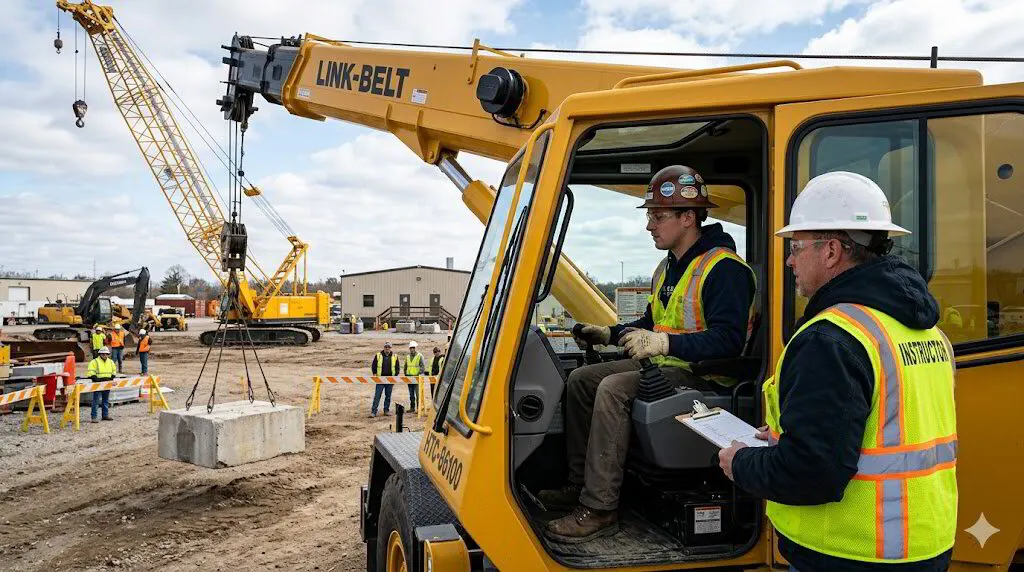 The Ultimate Guide to Crane Operator Field Training Programs: Certification & Career SuccessIn the ever-evolving construction industry, the need for certified crane operators is paramount, making effective…
-
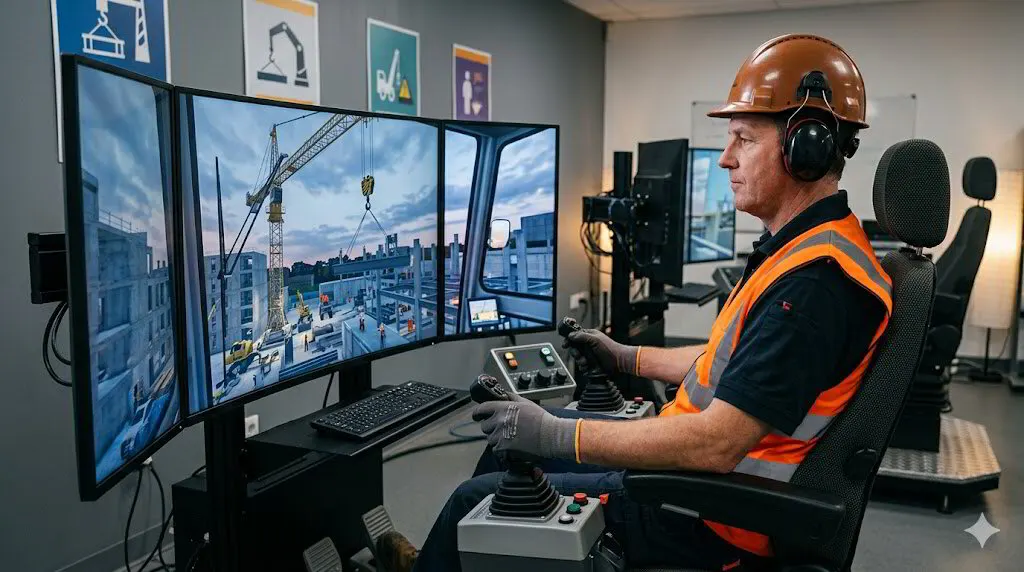 How Crane Simulators Enhance Operator Skills for Safer Construction PracticesAs the construction industry increasingly embraces technology, crane operator training has evolved significantly,…
-
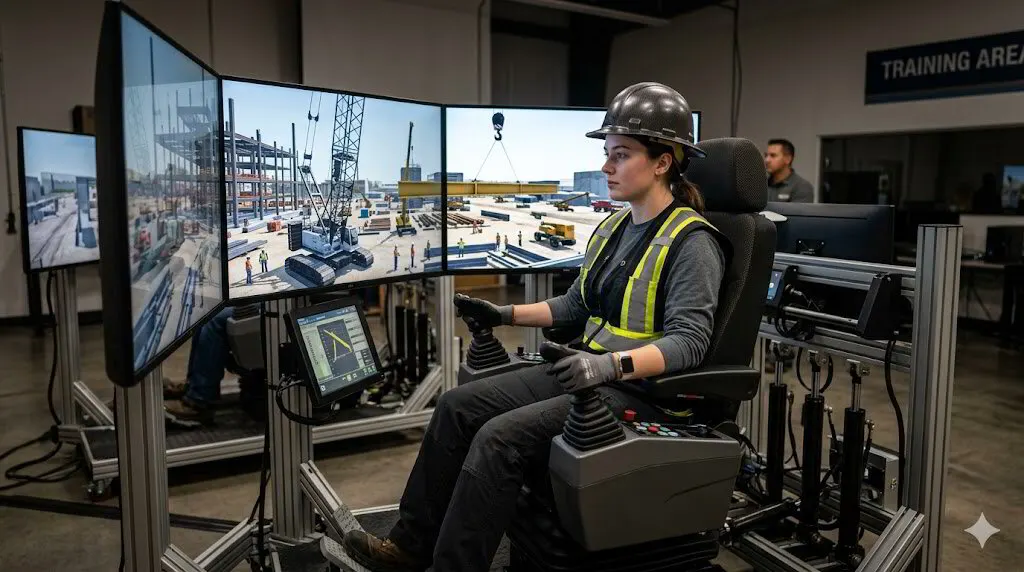 Unlocking Efficiency: The Benefits of Crane Simulator Training for Aspiring OperatorsCrane simulator training is revolutionizing the skill development of aspiring crane operators, offering a safe and…