
Did you know that nearly 60% of crane-related accidents can be attributed to operator error?
This staggering statistic highlights the critical importance of adhering to the NCCCO certification requirements for crane operators. As construction sites and industries continue to evolve, the necessity for skilled professionals who can operate cranes safely and efficiently has never been greater. NCCCO certification not only validates an operator’s competency but also reinforces a commitment to safety within the workplace. Whether you are an experienced operator looking to enhance your qualifications or a newcomer to the field, understanding the certification process and its requirements is essential for career advancement and ensuring a safer environment for everyone involved.
Understanding NCCCO Certification
The National Commission for the Certification of Crane Operators (NCCCO) plays a crucial role in ensuring that crane operators meet specific professional standards. Obtaining NCCCO certification is an important step for individuals looking to advance their careers in the crane operation field. This certification not only validates an operator's skills but also promotes safety within the industry.
NCCCO Certification Requirements for Crane Operators To achieve NCCCO certification, crane operators must fulfill several key requirements:
- Age and Educational Prerequisites
○ Must be at least 18 years old to apply.
○ High School diploma or equivalent is recommended.
- Necessary Experience in Crane Operation
○ Hands-on experience operating cranes is essential.
○ Prior formal training or apprenticeship is highly beneficial.
- Medical and Physical Requirements
○ Candidates must meet specific medical standards to ensure they are fit for crane operation.
○ A medical evaluation may be required, demonstrating the ability to perform necessary tasks without impairment.
Types of Certifications Available The NCCCO offers various types of certifications to satisfy the diverse needs of the crane operation profession, including but not limited to:
- Mobile Crane Operator
- Tower Crane Operator
- Rough Terrain Crane Operator
Each certification type has its unique requirements and testing procedures, making it essential for candidates to understand which certification aligns with their career goals.
Preparation for the NCCCO Certification Exam To increase your chances of passing the NCCCO certification exam, consider the following preparation steps:
1. Enroll in Training Programs Choose accredited training facilities like Miller Crane Works that offer specialized courses tailored to NCCCO certification requirements for crane operators.
2. Utilize Study Materials and Resources Access textbooks, online courses, and practice exams available through the NCCCO website.
3. Emphasize Hands-On Training Practical experience is invaluable; hands-on training can significantly enhance performance during the practical exam.
Exam Structure and Content The NCCCO certification exam is divided into two primary components:
- Written Exam
Covering theoretical knowledge, regulations, and safety protocols related to crane operation.
- Practical Testing
Assessing the operator's ability to safely and effectively handle cranes in real-world scenarios.
Maintaining Your NCCCO Certification Renewing your NCCCO certification is crucial for staying compliant and competitive in the industry. This includes:
- Recertification Process
When your certification nears expiration, ensure you complete the recertification requirements, which may vary depending on your specific certification type.
- Continuing Education
Engaging in ongoing training programs will help reinforce essential skills while keeping you informed about the latest safety protocols and regulations.
The Benefits of Obtaining NCCCO Certification Securing NCCCO certification can offer numerous advantages, such as:
- Career Advancement Opportunities
Operators with certification are often preferred by employers, leading to improved job prospects and higher earnings.
- Enhanced Safety and Compliance
Certification promotes a safer work environment, reducing accidents and improving overall operational efficiencies.
By understanding the NCCCO certification requirements for crane operators and committing to the necessary training and study, you can elevate your career in the crane operation field while ensuring a safe working environment.
Preparation for the NCCCO Certification Exam
Preparing for the NCCCO certification exam is a critical step in meeting the NCCCO certification requirements for crane operators. Adequate preparation not only boosts your confidence but also enhances your chance of passing both the written and practical components of the exam.
Recommended Training Programs and Courses To prepare effectively, consider enrolling in structured training programs that focus on the specific skills necessary for crane operation. These programs often include:
- Comprehensive Classroom Instruction
Covering theoretical frameworks, safety regulations, and crane operation principles.
- Hands-On Practical Training
Real-world training provides the essential experience needed to operate cranes efficiently and safely.
- Simulated Testing Environment
Mock exams can help familiarize candidates with the exam structure and timing.
Study Materials and Resources Utilizing the right study materials can greatly improve preparation. Here are some recommended resources:
- NCCCO Exam Study Guides
Official guides provide a detailed overview of exam topics and testing formats.
- Online Study Courses
Websites offering digital courses can provide flexibility and additional resource materials.
- Practice Tests
Taking practice exams allows you to assess your knowledge and identify areas that need further study.
Importance of Hands-On Training and Practical Experience Hands-on training is essential for aspiring crane operators. Here’s why:
- Real-Life Application
It allows candidates to apply theoretical knowledge to actual crane operation scenarios.
- Skill Development
Practical experience helps refine essential skills such as load handling, safety precautions, and equipment operation.
- Confidence Building
The more practice you have, the more comfortable and confident you will become when taking the certification exam.
By investing time in preparation and understanding the NCCCO certification requirements for crane operators, candidates can significantly improve their chances of certification success. Be well-prepared, and you will not just pass the exam but also elevate your career in the crane industry.
Exam Structure and Content
Understanding the structure and content of the NCCCO certification exam is vital for candidates aiming to fulfill the NCCCO certification requirements for crane operators. The exam is designed to evaluate not only knowledge but also practical skills related to crane operation.
Breakdown of the Written Exam Components The written exam consists of multiple-choice questions that assess your understanding of various crucial topics, including:
- Crane Operations and Safety
Questions cover best practices for safe crane operation, including load management and emergency procedures.
- Regulatory Compliance
Assessing knowledge of OSHA regulations and industry standards applicable to crane operators.
- Technical Knowledge
Questions may include load calculations, equipment specifications, and maintenance requirements.
Understanding the written exam's subject matter helps candidates focus their studies effectively.
Practical Testing Requirements The practical exam focuses on real-world skills, examining a candidate’s ability to safely and competently operate a crane. Key features of the practical test include:
- Demonstration of Crane Controls
Candidates must showcase proficiency in using the crane's controls for various operations.
- Load Handling Skills
Proper techniques for moving, lifting, and positioning loads safely will be evaluated.
- Problem-Solving Abilities
Scenarios may simulate real job site challenges, requiring candidates to demonstrate safe and effective decision-making.
Preparation for both written and practical parts is crucial. Candidates are encouraged to engage in hands-on training and use study materials geared towards the NCCCO certification requirements for crane operators.
By understanding the exam structure and content, aspiring operators can approach their certification preparation with confidence and clarity, maximizing their chances of success on exam day.
Maintaining Your NCCCO Certification
Once you have successfully obtained your certification, it’s essential to understand how to maintain it in compliance with the NCCCO certification requirements for crane operators.
Keeping your certification current not only reflects your commitment to professional development but ensures you remain knowledgeable about the latest safety protocols and industry standards.
Recertification Process and Timeline NCCCO certification is valid for five years, and it’s crucial to start the recertification process well in advance. Here’s what to expect:
- Application for Recertification
Submit an application demonstrating that you have continued to gain experience and remain active in the industry.
- Continuing Education Requirements
You may need to complete additional training or continuing education courses that align with the NCCCO standards.
- Recertification Exam
Depending on the type of certification, you might be required to pass a recertification exam. This ensures that your knowledge is up-to-date.
Continuing Education and Training Opportunities To keep your skills sharp and ensure compliance with the NCCCO certification requirements for crane operators, engage in ongoing training. Some recommended opportunities include:
- Workshops and Seminars
Participate in industry workshops that focus on new technologies, safety practices, and regulatory updates.
- Online Courses
Take advantage of digital platforms offering specialized courses tailored for crane operators.
- On-the-Job Training
Seek out mentorship or additional responsibilities at work that allow you to learn from experienced operators.
By adhering to recertification processes and seeking continual education, you not only maintain your NCCCO certification but also enhance your competencies as a crane operator. This commitment to education will promote a safer work environment and improve your employability in a competitive job market.
The Benefits of Obtaining NCCCO Certification
Pursuing NCCCO certification offers a multitude of advantages for crane operators, significantly impacting their careers and enhancing workplace safety. Understanding these benefits can motivate aspiring operators to meet the NCCCO certification requirements for crane operators and take their skills to the next level.
Career Advancement Opportunities Holding an NCCCO certification can open doors to numerous career opportunities within the crane operating field. Here’s how:
- Increased Job Prospects
Employers often prefer certified operators, making it easier to secure employment in various sectors, including construction, shipping, and manufacturing.
- Higher Earning Potential
Certified operators are typically compensated at higher rates due to their verified skills and commitment to safety.
- Specialization Options
Certification allows operators to specialize in various types of cranes, such as tower cranes or mobile cranes, further enhancing their career trajectory.
Enhanced Safety and Compliance NCCCO certification emphasizes the importance of safety and compliance in crane operations, which benefits not just the operator but the entire workplace. Key advantages include:
- Improved Safety Standards
Certified operators are trained in the best practices for crane operation, significantly reducing the risk of accidents.
- Regulatory Compliance
Knowledge of OSHA regulations and industry standards helps employers meet compliance requirements, minimizing legal risks and potential fines.
- Cultivation of a Safety Culture
Certification promotes a culture of safety within organizations, encouraging all employees to prioritize safe practices.
Long-Term Professional Development By committing to the NCCCO certification requirements for crane operators, individuals can invest in their professional growth. Benefits of ongoing development include:
- Up-to-Date Knowledge
Regular training ensures that operators are familiar with the latest technologies, techniques, and safety protocols.
- Networking Opportunities
Engaging in training and certification processes connects operators with industry professionals, fostering valuable relationships.
In summary, obtaining NCCCO certification serves as a solid foundation for a successful and rewarding career in crane operations. The benefits extend beyond personal growth, significantly contributing to safer work environments and enhanced industry standards.
Conclusion
Meeting the NCCCO certification requirements for crane operators is not just a regulatory necessity; it is a significant investment in professional development and workplace safety. As the crane operation industry evolves, the importance of certified operators continues to rise, making certification an essential step for anyone seeking a long-lasting career in this field.
Key Takeaways
- Understanding Certification Requirements: Familiarity with the necessary qualifications, including age, experience, and educational background, is crucial.
- Preparation is Key: Engaging in recommended training programs, utilizing effective study materials, and undergoing hands-on practical training can significantly boost success rates.
- Maintaining Certification: Continuous education and adherence to the recertification process are vital in ensuring compliance with evolving industry standards.
Investment in your future as a crane operator will not only enhance your skills and knowledge but also improve overall safety in the workplace. For those ready to take the next step, resources such as Miller Crane Works offer comprehensive training programs designed specifically to meet NCCCO certification requirements for crane operators.
As you embark on this rewarding journey, remember that commitment to safety and ongoing skill development is key to becoming an exceptional crane operator. Take action today, and elevate your career prospects in this dynamic and essential industry.
Understanding NCCCO Certification
The National Commission for the Certification of Crane Operators (NCCCO) plays a vital role in establishing competency standards for crane operators. NCCCO certification is crucial for ensuring that operators are adequately trained and knowledgeable about safe crane operation practices. Whether you're a seasoned operator or just starting in the field, understanding the certification's significance and requirements is essential for professional growth.
Importance of NCCCO Certification Obtaining NCCCO certification helps maintain high industry standards for safety and performance. Here are several reasons why certification is vital:
- Safety Assurance
Certification ensures that operators are trained in the best safety practices, reducing the risk of accidents on job sites.
- Industry Recognition
Certified operators are viewed as more qualified by employers, leading to better job prospects and opportunities for advancement.
- Compliance with Regulations
Many states and employers require proof of certification to remain compliant with OSHA and other regulatory requirements.
Key Requirements for Certification To qualify for NCCCO certification, crane operators must meet specific criteria, which typically include:
- Age Requirements: Candidates must be at least 18 years old to apply for certification.
- Experience and Training: A minimum amount of hands-on experience operating cranes is essential. Many programs recommend formal training.
- Medical Fitness: Operators must meet certain medical and physical standards to ensure they can safely perform their duties.
By understanding these NCCCO certification requirements for crane operators, candidates can better prepare themselves for the exam and enhance their careers in the crane operation field.
For more detailed information about training programs and certification preparation, resources like Cranes & Lifting provide valuable insights and guidance for aspiring operators.
Investing in certification is a step forward in personal and professional development, ensuring that crane operators meet the industry's highest standards.
Types of Certifications Available
Understanding the different types of certifications offered by the NCCCO is crucial for those looking to meet the NCCCO certification requirements for crane operators. Each type of certification focuses on specific skills and equipment, allowing operators to specialize in areas that align with their career goals.
Overview of Certification Categories The NCCCO provides several certification categories, each designed to assess operator competence for different types of cranes. Here’s a look at the most common types:
- Mobile Crane Operator
This certification is for operators who work with various types of mobile cranes, including truck-mounted and crawler cranes.
- Tower Crane Operator
Aimed at those who work specifically with tower cranes, often used in construction settings for lifting heavy loads vertically.
- Rough Terrain Crane Operator
Focuses on operators who specialize in using cranes designed for off-road applications.
Specific Requirements for Each Type of Certification Each certification category has its own set of requirements. Consider the following components that candidates need to be aware of:
- Written Exam: Each certification requires passing a written examination covering relevant operator knowledge and safety protocols.
- Practical Exam: Applicants must demonstrate their skills and knowledge in a hands-on practical exam, showcasing their ability to operate the specific type of crane safely.
- Experience: Most certification pathways require a certain number of hours of experience operating the respective type of crane to qualify for the exam.
By understanding the types of NCCCO certifications and their specific requirements, aspiring operators can focus their training and preparation effectively. For comprehensive training resources and support, visit Cranes Today, which offers industry insights and information on certification pathways.
Specializing in one or more types of crane operation not only fulfills the NCCCO certification requirements for crane operators but also positions individuals for success in a competitive job market.
What are the NCCCO certification requirements for crane operators?
NCCCO certification requirements for crane operators typically include meeting age minimums, having a certain level of experience, and passing written and practical exams. Candidates must be at least 18 years old, have relevant hands-on crane operation experience, and demonstrate medical fitness to ensure they are capable of safely operating cranes.
How long is NCCCO certification valid?
NCCCO certification is valid for five years. Operators must undergo recertification during that period to maintain their certification status. This process includes submitting a recertification application and, in some cases, passing a recertification exam or completing continuing education courses.
What types of cranes are covered by NCCCO certification?
Each certification category focuses on specific operational competencies and safety practices relevant to the type of crane being operated.
How can I prepare for the NCCCO certification exams, candidates should engage in hands-on training, attend accredited training programs, and utilize study materials such as official exam guides and practice tests. Additionally, being familiar with the exam structure and content is crucial for success.
Where can I find training programs for NCCCO certification?
Many training facilities offer courses specifically designed to meet NCCCO certification requirements for crane operators. Organizations like Miller Crane Works provide comprehensive training that includes both theoretical and practical components tailored to the certification process.
Understand NCCCO Certification Requirements for Crane Operators with Miller Crane Works
Getting NCCCO certified is essential for crane operators aiming to work on regulated job sites across Texas and the U.S. At Miller Crane Works, we simplify the certification process by guiding you through every requirement—from eligibility and written exams to practical evaluations. Our training programs are aligned with NCCCO standards and are designed to prepare you for success. We provide hands-on instruction, up-to-date study materials, and expert coaching to help you pass with confidence. Whether you're new to the field or renewing your credentials, Miller Crane Works ensures you’re fully prepared to meet all certification requirements and build a safe, rewarding career.

-
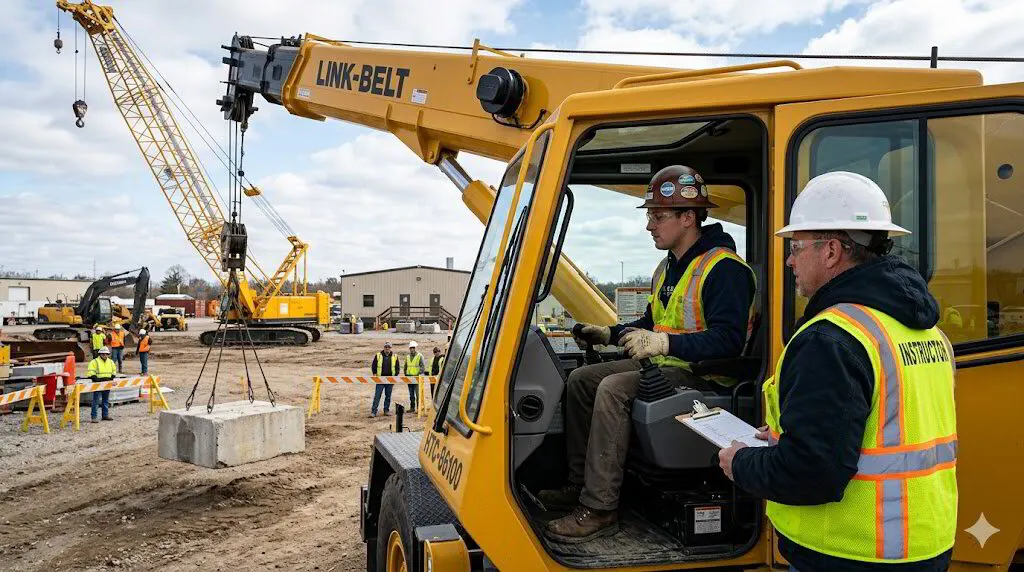 The Ultimate Guide to Crane Operator Field Training Programs: Certification & Career SuccessIn the ever-evolving construction industry, the need for certified crane operators is paramount, making effective…
-
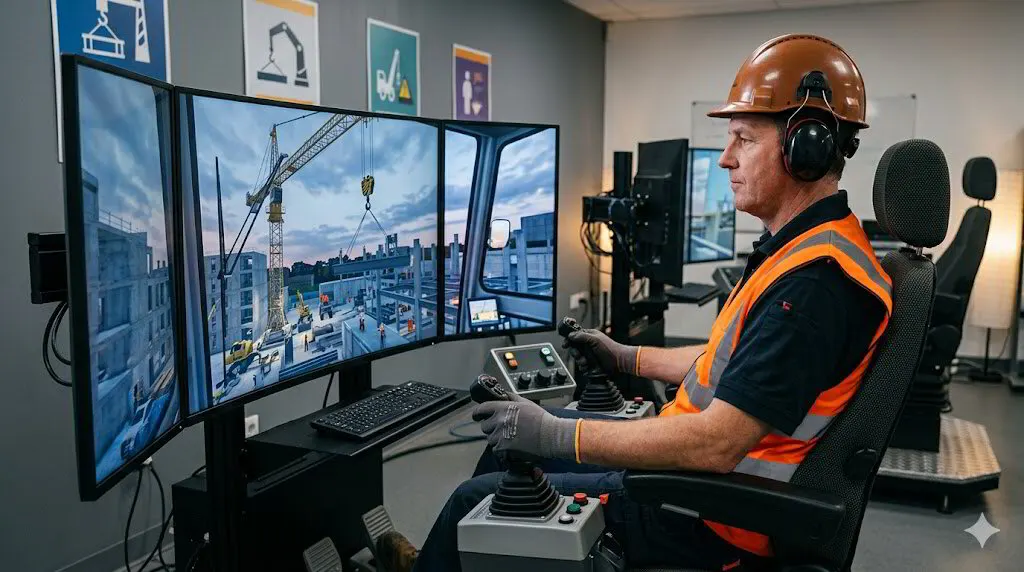 How Crane Simulators Enhance Operator Skills for Safer Construction PracticesAs the construction industry increasingly embraces technology, crane operator training has evolved significantly,…
-
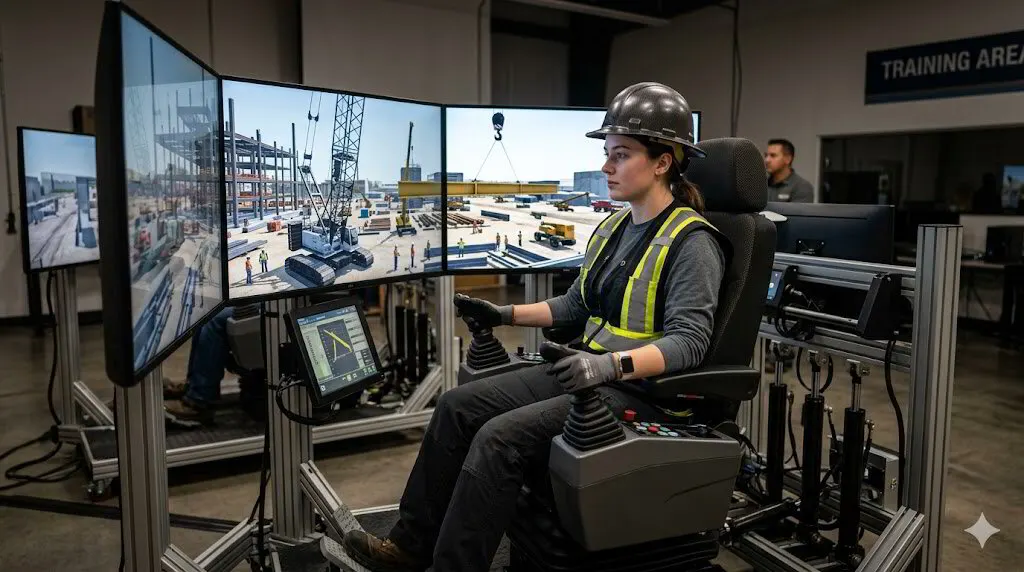 Unlocking Efficiency: The Benefits of Crane Simulator Training for Aspiring OperatorsCrane simulator training is revolutionizing the skill development of aspiring crane operators, offering a safe and…