
NCCCO crane certification in Texas is not just a credential; it's a gateway to a rewarding career in the booming construction and industrial sectors. Did you know that certified crane operators can earn significantly higher wages than their non-certified counterparts? As the demand for skilled operators continues to grow, obtaining this certification becomes crucial for those looking to secure their place in a competitive job market. However, many aspiring operators may feel overwhelmed by the certification process—from understanding the requirements to finding the right training facility. This comprehensive guide will walk you through everything you need to know about obtaining your NCCCO crane certification in Texas, ensuring you’re well-prepared for a successful career in crane operation.
Understanding NCCCO Crane Certification
What is NCCCO Certification?
NCCCO stands for the National Commission for the Certification of Crane Operators, a nonprofit organization that has established a comprehensive certification program for crane operators. The primary goal of the NCCCO is to enhance safety and ensure that crane operators have met rigorous operating standards.
Importance of NCCCO Certification in the Crane Industry The NCCCO crane certification is essential for anyone seeking to work as a crane operator.
This certification not only validates a candidate's skills and knowledge but also demonstrates a commitment to safety standards in the workplace. Here are some key reasons why obtaining NCCCO crane certification in Texas is vital:
- Enhances Safety: Certified operators are trained to follow safety protocols, reducing the risk of accidents.
- Increases Employability: Many employers prioritize candidates with verified certifications, making it easier for certified operators to secure jobs.
- Demonstrates Professionalism: Certification is a mark of professionalism in a competitive industry.
Overview of NCCCO Certification Process The NCCCO certification process typically involves several steps:
1. Training: Completing an NCCCO-accredited training program.
2. Examination: Passing a written and practical exam to demonstrate understanding and skill in crane operations.
3. Certification: Receiving your NCCCO certification upon successful completion of the exams.
It's worth noting that the certification is not perpetual; crane operators must renew their certification periodically to stay compliant and updated on safety standards.
If you are considering pursuing NCCCO crane certification in Texas, check out NCCCO's official website for additional resources and information on the certification process.
NCCCO Crane Certification Requirements in Texas
Eligibility Criteria for Crane Operators To pursue NCCCO crane certification in Texas, potential crane operators must meet specific eligibility requirements. These requirements ensure that candidates possess the foundational knowledge and skills needed for safe and efficient crane operation. The primary criteria include:
- Minimum Age: Candidates must be at least 18 years old.
- Job Experience: A minimum of experience operating cranes, often measured in hours or months, is required.
- Training Completion: Successful completion of an NCCCO-approved training program is mandatory prior to taking the certification exams.
Necessary Documentation and Prerequisites Before enrolling in NCCCO certification courses, candidates should prepare the following documents:
- Proof of Age: Valid identification showing the candidate’s date of birth.
- Training Certification: Documentation of completed training from an accredited program.
- Work Experience Records: Any logs or records detailing prior crane operation experience.
Medical and Safety Training Requirements In addition to the above, candidates must also comply with specific health and safety training protocols. This often includes:
- Health Assessments: Operators may need to pass a physical exam to confirm their ability to perform the essential functions of a crane operator.
- Safety Courses: Participation in OSHA (Occupational Safety and Health Administration) training or other relevant safety programs is often required to ensure compliance with industry regulations.
Understanding and meeting these requirements is the first step toward obtaining NCCCO crane certification in Texas. Proper preparation will not only facilitate a smoother certification process but also lead to a more successful and secure career in crane operations.
For additional resources and assistance, refer to OSHA's official website for more information on safety requirements in the crane industry.
Types of NCCCO Crane Certifications Offered
Overview of Available Certifications NCCCO offers several types of crane certifications tailored to different equipment and operational needs. Each certification ensures that operators are qualified to handle specific types of cranes safely and efficiently. Here’s a look at the various types of NCCCO crane certifications available in Texas:
- Mobile Crane Operator: Covers the operation of various types of mobile cranes, including truck-mounted and crawler cranes.
- Tower Crane Operator: Focuses on the unique skills required to operate tower cranes, which are often used in construction and high-rise projects.
- Rigger and Signalperson: Ensures individuals are qualified to assist crane operators by signaling and rigging loads safely.
Specialized Certifications (Tower Crane, Mobile Crane, etc.)
Each certification type has its own set of skills and knowledge requirements. For example, the tower crane certification programs emphasize:
- Site Safety: Understanding site-specific hazards associated with tower crane operations.
- Load Management: Techniques for rigging and managing loads effectively.
- Operational Protocols: Knowledge of operational protocols specific to tower cranes.
Renewal and Recertification Process NCCCO certifications are not permanent and require renewal every five years to ensure operators stay current with regulations and operating standards. The renewal process typically involves:
- Continuing Education: Completing specified training courses or workshops.
- Re-examination: Some certifications may require passing a written or practical exam to demonstrate updated knowledge and skills.
Acquiring NCCCO crane certification in Texas not only enhances your credentials but also bolsters safety and efficiency in crane operations. For more information on each certification type and the renewal process, visit the official NCCCO website.
Training and Preparation for NCCCO Certification
Importance of Hands-On Training Before attempting the NCCCO exams, potential crane operators must engage in rigorous training. Hands-on training is crucial as it equips candidates with practical skills and real-world experience. Such training typically includes:
- Operational Techniques: Learning the proper techniques for maneuvering and operating different types of cranes.
- Safety Protocols: Understanding safety standards and best practices to minimize workplace accidents.
- Equipment Familiarity: Gaining familiarity with the specific equipment that will be used during operations.
Overview of Miller Crane Works Training Programs Miller Crane Works provides comprehensive training programs tailored for NCCCO crane certification in Texas. Their programs include:
- Classroom Instruction: Covering the theoretical knowledge required for crane operations.
- Practical Training Sessions: Providing hands-on operation under expert supervision to build confidence and competence.
- Mock Exams: Offering practice exams to familiarize candidates with the testing environment and format.
In addition to core programs, specialized training for tower cranes and other advanced equipment is available, ensuring operators receive distinct knowledge based on their area of focus.
Study Materials and Resources for Successful Certification To further enhance preparedness for the certification exams, candidates should utilize a variety of study materials and resources, including:
- Official NCCCO Study Guides: Comprehensive guides outlining key concepts and safety regulations.
- Online Practice Tests: Platforms that offer training simulations reflective of actual exam conditions.
- Workshops and Review Courses: Short courses that help reinforce core concepts and address any knowledge gaps prior to the exam day.
Investing time and resources into training for NCCCO crane certification in Texas is essential for building a successful career in crane operations. To discover additional resources for crane operator training, check out the International Crane Alliance for helpful information and support.
Taking the NCCCO Certification Exam
Exam Structure and Format The NCCCO certification exam consists of two main parts: a written examination and a practical skills test. Understanding the structure of these exams is crucial for successful preparation. Each component is designed to assess different aspects of a candidate's knowledge and abilities:
- Written Exam:
○ Multiple-choice and true/false questions cover theoretical knowledge related to crane operations, safety protocols, and regulations.
○ Typically consists of 80-100 questions, with a passing score usually set around 70%.
- Practical Skills Test:
○ Conducted in a controlled environment where candidates demonstrate their ability to operate a crane safely and effectively.
○ Evaluators assess candidates on various tasks, including load handling, equipment maneuvering, and adherence to safety procedures.
Tips for Exam Preparation Effective preparation is key to passing the NCCCO certification exams. Here are some tips to enhance your chances of success:
- Familiarize Yourself with the Exam Format:
Take practice exams to understand the types of questions you'll encounter. This also helps with time management during the actual test.
- Review Study Materials:
Consistently review the NCCCO study guides and other resources provided during training to reinforce your understanding.
- Practice Practical Skills:
Spend ample time on the equipment, focusing on areas that may be challenging. Work with knowledgeable instructors to receive constructive feedback.
Common Challenges and How to Overcome Them While preparing for the NCCCO crane certification in Texas, candidates may face several challenges. Recognizing these and having strategies to address them can be beneficial:
- Test Anxiety:
Practice relaxation techniques or visualization exercises to build confidence before the exam.
- Difficulty with Technical Concepts:
Seek additional help from instructors, classmates, or online forums for clearer explanations of complex topics.
Passing the NCCCO certification exam is the culmination of diligent preparation and practical experience. By understanding the exam structure, utilizing effective study techniques, and addressing potential challenges, candidates can position themselves for success. For further guidance and resources, consider visiting the official National Commission for the Certification of Crane Operators website.
Benefits of NCCCO Crane Certification in Texas
Enhanced Career Opportunities Obtaining NCCCO crane certification in Texas opens up numerous career pathways in the construction and industrial sectors. Employers often seek certified operators due to their demonstrated skills and adherence to safety standards. Here are some key benefits:
- Increased Job Demand:
The need for qualified crane operators is consistently high, especially in large projects like skyscrapers and bridges.
- Higher Earning Potential:
Certified crane operators generally command higher salaries compared to those without certification, reflecting the value and expertise they bring.
- Expanded Job Roles:
With specific certifications, operators can qualify for diverse roles such as foreman, project manager, or safety supervisor, further advancing their careers.
Increased Safety and Compliance in Operations NCCCO certification ensures that operators are trained in the best practices related to crane safety and operation. This certification results in:
- Reduced Accident Rates:
Certified operators are more likely to follow proper safety protocols, leading to fewer workplace accidents and injuries.
- Regulatory Compliance:
Certification ensures compliance with local, state, and federal safety regulations, thus protecting businesses from potential legal liabilities.
Value of Certification for Employers Employers benefit significantly from hiring NCCCO-certified crane operators. The advantages include:
- Improved Workplace Culture:
A certified workforce creates a culture centered around safety and professionalism, enhancing overall team morale.
- Risk Management:
Reduced risk of accidents or incidents directly translates into lower insurance costs and reduced downtime, benefiting overall project timelines and budgets.
In conclusion, pursuing NCCCO crane certification in Texas not only enhances individual career prospects but also contributes positively to workplace safety and operational efficiency.
For more insights into career paths and industry standards, you can visit the American Society of Safety Professionals.
Finding an NCCCO Certification Training Facility in Texas
Why Choose a Local Training Facility?
Selecting a local training facility for NCCCO crane certification in Texas offers several advantages. Training close to home can provide a more convenient and accessible learning experience. Consider the following benefits:
- Reduced Travel Costs:
Save on transportation expenses associated with traveling to distant training centers.
- Community Networking:
Local training facilities often connect you with industry professionals and fellow students, fostering valuable networking opportunities.
- Familiarity with Local Regulations:
Trainers at local facilities are typically well-versed in state-specific regulations and challenges, offering insights that can prepare you for local job markets.
Factors to Consider When Selecting a Training Provider When choosing a training facility for NCCCO crane certification, keep the following factors in mind:
- Accreditation and Reputation:
Ensure the facility is accredited by NCCCO and has a positive reputation in the industry. Look for reviews and testimonials from past students.
- Qualified Instructors:
Confirm that trainers have extensive experience and certifications themselves, ensuring quality instruction.
- Training Resources:
Consider the availability of hands-on training equipment and resources that will enhance your learning experience.
Highlighting Miller Crane Works Training Facility One of the standout options for NCCCO crane certification in Texas is Miller Crane Works.
Their facility offers:
- Expert Instruction:
Instructors with years of crane operation experience provide a rich learning environment.
- Comprehensive Training Programs:
Courses are designed to cover all aspects of crane operations, from safety protocols to practical skills needed for certification.
- Modern Equipment:
Access to state-of-the-art cranes and training tools prepares candidates effectively for the certification exams.
Ultimately, choosing the right facility for NCCCO crane certification in Texas is essential for your success. For a closer look at Miller Crane Works and their training offerings, visit their website at Miller Crane Works.
Frequently Asked Questions (FAQs) about NCCCO Crane Certification in Texas
Exam Costs and Financial Aid Options One of the primary concerns for prospective crane operators is the cost associated with NCCCO crane certification in Texas. Here are some commonly asked questions regarding expenses:
- What are the costs for certification?Pay is set by the employer. This school does not state or promise wages.
- Are there financial aid options available?
Many training facilities, including Miller Crane Works, may offer payment plans or financing options. Additionally, prospective applicants should inquire about scholarships or grants from professional organizations that support crane operators.
Duration and Scheduling of Courses Time commitment is another frequently asked question among potential candidates:
- How long does the training program last?
Training programs may vary in duration from a few days to several weeks, depending on the level of certification and the depth of the courses offered.
- Are classes flexible?
Many training facilities offer flexible scheduling options, including evenings and weekends, to accommodate working professionals.
Support for Non-English Speakers In Texas, the workforce is diverse, and support for non-English speakers is crucial:
- Are resources available in other languages?
Some training facilities provide materials and instruction in multiple languages, ensuring all candidates can comprehend the safety protocols and operational standards required for certification.
- Is there language assistance during the exam?
Candidates should check with the certification facility about available options for language assistance during the exams, ensuring that everyone has a fair opportunity to succeed.
Finding answers to these frequently asked questions can alleviate concerns for individuals seeking NCCCO crane certification in Texas. For more detailed information, the official NCCCO website is a reliable resource for specifics regarding costs, schedules, and support options.
Conclusion
Recap of the Importance of NCCCO Crane Certification NCCCO crane certification in Texas is a vital step for aspiring crane operators, ensuring they possess the necessary knowledge and skills to operate cranes safely and effectively. This certification enhances individual career prospects while contributing to overall workplace safety and compliance with industry regulations.
Encouragement to Pursue Certification for Career Advancement For those considering a career in crane operations, pursuing NCCCO certification should be a priority. It not only opens doors to higher-paying jobs but also builds a solid foundation in safety and operational procedures, essential for any successful operator. By investing in this certification, you position yourself as a qualified candidate in a competitive job market.
Final Thoughts on Crane Operator Training in Texas Engaging in quality training and obtaining your NCCCO crane certification in Texas is not just about meeting regulatory requirements; it's about cultivating a professional mindset rooted in safety and excellence. As the demand for skilled crane operators continues to rise, taking the steps to get certified is a wise investment in your future.
For more information and resources on NCCCO crane certification, explore Indeed for job listings and professional development opportunities in the crane industry.
What is the process for obtaining NCCCO crane certification in Texas?
To obtain NCCCO crane certification in Texas, candidates must complete an accredited training program, pass a written exam, and successfully demonstrate their skills through a practical exam. It’s important to prepare thoroughly for both parts of the certification to ensure success.
How much does NCCCO crane certification cost?
The cost of NCCCO crane certification in Texas can vary widely depending on the training facility and the specific certification sought.Pay is set by the employer. This school does not state or promise wages.
How often do I need to renew my NCCCO crane certification?
NCCCO crane certification must be renewed every five years. To renew, operators typically need to complete continuing education courses and may also have to pass an exam to demonstrate that they are current with safety practices and operational procedures.
Can I learn crane operation on the job without certification?
While it is possible to gain experience operating cranes on the job, most employers prefer or require certification due to safety regulations and industry standards. Obtaining NCCCO certification not only enhances your employability but also ensures you are well-equipped to operate cranes safely.
Are there resources available for non-English speakers pursuing NCCCO certification?
Yes, many training facilities offer resources and instructions in multiple languages to accommodate non-English speakers. Additionally, some facilities may provide language assistance during training and exams, ensuring that all candidates have a fair chance of success.
NCCCO Crane Certification Texas – A Complete Guide by Miller Crane Works
Looking to get NCCCO crane certified in Texas? Miller Crane Works offers a complete guide to help you through every step of the process. From understanding eligibility requirements to preparing for written and practical exams, our expert instructors make certification clear and achievable. We cover all major crane types and provide hands-on training with real equipment to ensure you're job-ready. Whether you're just starting your crane career or advancing your credentials, our program is designed for success. With flexible scheduling, modern facilities, and a strong track record, Miller Crane Works is your trusted partner for NCCCO crane certification in Texas.

-
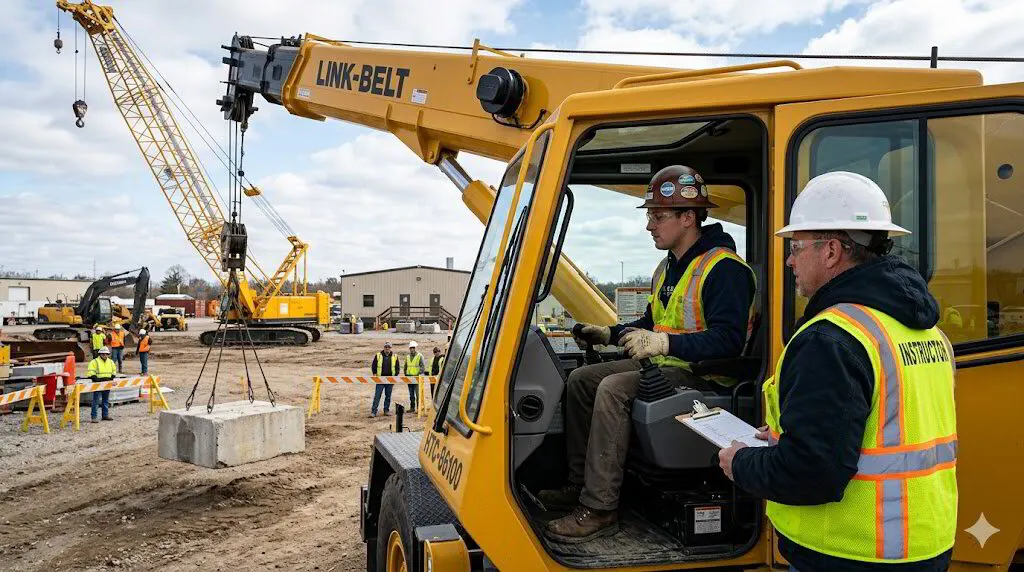 The Ultimate Guide to Crane Operator Field Training Programs: Certification & Career SuccessIn the ever-evolving construction industry, the need for certified crane operators is paramount, making effective…
-
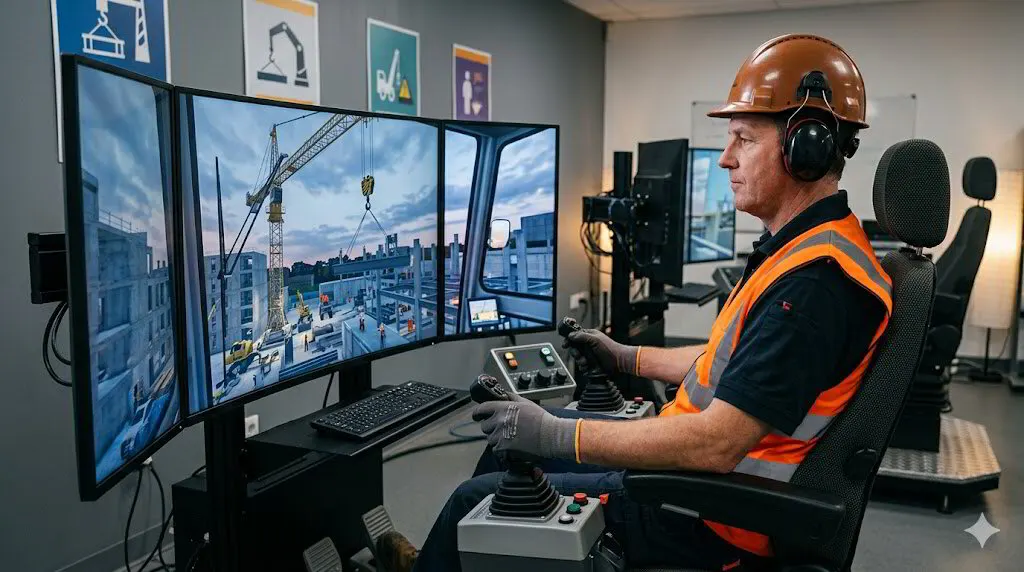 How Crane Simulators Enhance Operator Skills for Safer Construction PracticesAs the construction industry increasingly embraces technology, crane operator training has evolved significantly,…
-
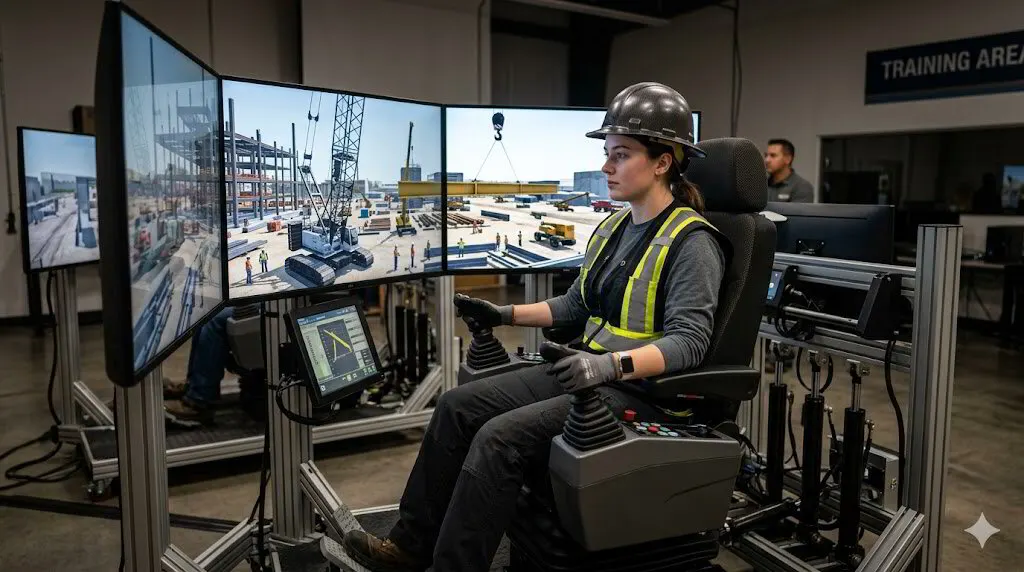 Unlocking Efficiency: The Benefits of Crane Simulator Training for Aspiring OperatorsCrane simulator training is revolutionizing the skill development of aspiring crane operators, offering a safe and…