The importance of safety protocols in crane operation cannot be overstated, especially when considering that, according to the Occupational Safety and Health Administration (OSHA), approximately 50% of crane-related accidents result from improper practices or inadequate safety measures. With lifting heavy loads at towering heights, the risks involved in crane operations are significant, making it imperative for companies to adhere to strict safety protocols. But what exactly constitutes effective safety practices, and how can they be implemented to create a culture of safety? In this post, we'll explore the essential safety protocols that not only protect workers but also enhance the overall efficiency of crane operations. By prioritizing safety, organizations can ensure that every lift is completed without incident, safeguarding both personnel and equipment.
Understanding Crane Operation Safety
Crane operation is a critical aspect of construction and industrial activities, requiring a comprehensive understanding of safety protocols. The Importance of safety protocols in crane operation cannot be overstated, as they serve as the foundation for minimizing risk and ensuring the safety of all personnel involved. By adhering to established safety measures, crane operators can effectively navigate the complexities associated with lifting heavy loads and working at great heights, ultimately promoting a safer working environment.
The Importance of Safety Protocols in Crane Operation Implementing safety protocols in crane operations is vital for several reasons:
- Reducing Workplace Accidents and Injuries: A significant proportion of workplace accidents result from inadequate safety measures. Safety protocols help mitigate risks, thereby protecting operators, workers, and passersby from potential hazards.
- Enhancing Operational Efficiency: When safety protocols are in place, crane operations can proceed without interruptions caused by accidents or safety incidents, leading to smoother project timelines.
- Legal and Regulatory Compliance: Many regions, including Texas, have specific safety regulations governing crane operations. Adhering to these protocols ensures compliance and helps avoid legal repercussions.
Key Safety Protocols for Crane Operators To maintain a safe working environment, operators must follow key safety protocols:
- Pre-Operational Safety Checks: Before beginning any lift, operators should conduct thorough inspections of the crane and its components to identify potential issues.
- Daily Inspections and Maintenance Routines: Regular maintenance schedules help ensure the crane remains in optimal working order, reducing the likelihood of malfunction during operations.
- Proper Load Management Techniques: Understanding load limits and employing appropriate rigging techniques is essential to prevent accidents caused by overloading or improper load distribution.
Training and Certification The significance of safety training is further emphasized by the requirement for NCCCO certification for crane operators.Exam results depend on the candidate. This school does not promise a passing result or a job. Additionally, ongoing training helps reinforce safety measures and adapt to new technology and industry standards.
For more information on crane safety training, you can visit the National Commission for the Certification of Crane Operators (NCCCO).
Workplace Safety Culture
Cultivating a strong workplace safety culture is integral to successful crane operations. Here are a few strategies to promote a safety-first mindset:
- Encouraging Open Communication: Operators should feel comfortable reporting safety concerns and near-misses without fear of reprimand.
- Regular Safety Meetings: Conducting frequent safety briefings can help keep safety top-of-mind and ensure everyone is aware of best practices.
- Continuous Improvement Through Feedback Loops: Establishing mechanisms for feedback allows for the ongoing evaluation and enhancement of safety protocols.
In summary, understanding and implementing the Importance of safety protocols in crane operation is crucial for protecting lives, improving operational efficiency, and ensuring compliance within the industry. By prioritizing safety, crane operators can foster a culture of responsibility that benefits all stakeholders involved in lifting operations.
Key Safety Protocols for Crane Operators
To ensure safe and efficient crane operations, operators must adhere to a set of key safety protocols. These protocols are critical to minimizing risks and enhancing overall safety on the job site, emphasizing the importance of safety protocols in crane operation.
Pre-Operational Safety Checks Before beginning any crane operation, a systematic pre-operational safety check is essential.
This helps identify potential hazards that could lead to accidents. Key components to check include:
- Controls and Indicators: Ensure all controls are functioning correctly.
- Outriggers and Stabilizers: Inspect for proper deployment and any visible damage.
- Load Chart: Verify the crane’s load capacity against the planned lift.
Daily Inspections and Maintenance Routines Routine inspections and well-defined maintenance schedules are vital for maintaining the safety and reliability of crane equipment. Operators should focus on:
- Functional Tests: Conduct tests on all systems to verify operational readiness.
- Fluid Levels: Check hydraulic and oil levels to prevent malfunctions during operation.
- Wear and Tear: Assess parts for signs of wear to avoid breakdowns.
Proper Load Management Techniques Understanding load management is crucial for safe crane operation. Operators should follow these critical guidelines:
- Know the Load Limits: Always refer to the crane's load chart to avoid overloading.
- Balance Loads: Ensure loads are centered and properly rigged to maintain stability.
- Monitor Weather Conditions: Adjust lifting practices based on wind and other weather factors.
Training and Certification Adequate training and certification are indispensable in promoting safety within crane operations. The NCCCO certification ensures operators are not only knowledgeable but also skilled in safety protocols. Ongoing training programs reinforce best practices, address emerging technologies, and maintain compliance with industry standards.
For further insights on certification, visit OSHA’s website.
Workplace Safety Culture
Establishing a robust safety culture in the workplace is essential for successful crane operations. Organizations should implement the following strategies:
- Regular Safety Audits: Conduct audits to assess compliance with safety protocols.
- Safety Incentive Programs: Encourage safe practices through recognition and rewards for compliant behaviors.
- Employee Training Sessions: Regularly update training to reflect new techniques and protocols.
In conclusion, emphasizing the importance of safety protocols in crane operation is essential for protecting lives, ensuring regulatory compliance, and maintaining effective work practices. By implementing these safety protocols diligently, crane operators can contribute to a safer construction environment and significantly reduce the risk of accidents.
Training and Certification One of the most critical aspects of crane operation is ensuring that operators are adequately trained and certified. The importance of safety protocols in crane operation is significantly enhanced through structured training programs, such as those offered by the National Commission for the Certification of Crane Operators (NCCCO). Below are several reasons why training and certification are essential:
- Knowledge of Safety Protocols: Training programs teach operators about the specific safety protocols necessary for safe crane operation, ensuring they understand the potential risks involved.
- Technical Skills Development: Operators learn the technical skills needed to operate cranes safely and efficiently, including load calculations, rigging practices, and emergency procedures.
- Recognition of Standards: Certification provides a standardized measure of competency, allowing employers to trust that their operators are trained according to industry benchmarks.
Ongoing Training Programs To keep up with evolving safety practices and technological advancements, crane operators must engage in ongoing training. Here are some key components of effective ongoing training programs:
- Refresher Courses: Regularly scheduled courses help reinforce safety protocols and allow operators to stay updated on industry changes.
- Simulation Drills: These drills allow operators to practice emergency responses in a controlled environment, enhancing their preparedness for real-world scenarios.
- Feedback and Evaluation: Providing operators with feedback on their performance helps identify areas for improvement and reiterates the importance of safety measures.
Legal Compliance and Risk Mitigation Compliance with local and federal regulations is another vital aspect of crane operation training.
Operators must understand the legal ramifications of not following safety protocols. Key points include:
- Understanding Regulations: Familiarizing themselves with OSHA regulations and local laws ensures operators are compliant and up-to-date with legal requirements.
- Mitigating Risks: Overall, comprehensive training reduces liability for employers by decreasing accidents and promoting a culture of safety on the worksite.
For more information on legal compliance and safety standards, visit OSHA’s website.
In summary, the importance of safety protocols in crane operation cannot be overstated.
Comprehensive training and certification not only equip operators with the skills they need but also reinforce the safety culture necessary for minimizing risks and ensuring compliance in the field.
Equipment Safety Features
The safety features integrated into crane equipment play a vital role in preventing accidents and ensuring safe operations. Understanding the importance of safety protocols in crane operation includes familiarity with these essential safety features. Here are some key safety features that every crane operator should know:
- Load Moment Indicators (LMI): These devices monitor the crane's load and prevent operation beyond its rated capacity, reducing the risk of tipping or overload.
- Anti-Two Block Devices: This feature helps prevent the load line from being accidentally reeled in too far, which could cause damage to the crane or create hazards for nearby workers.
- Swing Radius Warning Systems: These systems alert operators of the swing radius of the crane, helping to avoid collisions with nearby structures or personnel.
Regular Safety Feature Assessments To maintain the effectiveness of these safety features, regular assessments and maintenance are essential. Operators should incorporate the following practices:
- Routine Inspections: Conducting frequent checks on safety devices helps ensure they are functioning properly and can respond effectively in case of emergencies.
- Predictive Maintenance: Implementing predictive maintenance strategies can identify potential issues before they become critical, thus reinforcing the operational safety of the crane.
- Upgrading Equipment: Utilizing modern cranes with enhanced safety features provides additional layers of protection for operators and bystanders.
Creating a Safety-First Culture Incorporating safety features into crane operation is only one aspect of promoting safety. To fully grasp the importance of safety protocols in crane operation, companies must foster a culture that prioritizes safety. Here are some strategies to create this culture:
- Employee Training on Safety Features: Ensuring operators are well-educated regarding the safety features of their equipment is crucial. Training should cover how to use these features effectively and what to do if they fail.
- Encouraging Reporting of Safety Violations: Employees should be encouraged to report any malfunctions or unsafe practices without hesitation, so that issues can be addressed immediately.
- Management Commitment: Leadership must demonstrate a commitment to safety by prioritizing investments in safety training and equipment features.
For more information on the importance of safety in heavy equipment operations, you can visit Caterpillar’s Safety Resources.
In conclusion, understanding and utilizing the safety features available in crane operations is integral to reinforcing the importance of safety protocols in crane operation. By regularly assessing these features and creating a culture of safety, organizations can promote safer work environments and mitigate risks associated with crane use.
Workplace Safety Culture
Establishing a strong workplace safety culture is crucial for the effective implementation of safety protocols in crane operation. A positive safety culture not only enhances compliance with safety practices but also reinforces the collective responsibility of all employees to prioritize safety. Here are some key elements that contribute to a thriving safety culture:
- Leadership Commitment: Management must demonstrate a clear commitment to safety by promoting policies and practices that prioritize the well-being of all employees. This includes actively participating in safety meetings and supporting training initiatives.
- Employee Involvement: Encouraging employees to participate in safety discussions fosters a sense of ownership and responsibility. When operators are involved in developing safety protocols, they are more likely to adhere to them.
- Open Communication: A culture of open communication enables workers to feel confident reporting safety concerns or near misses without fear of retribution. Establishing clear reporting procedures helps identify potential hazards before they result in accidents.
Continuous Improvement Through Feedback Implementing a feedback loop is an effective way to continuously refine safety protocols and practices. This process promotes the ongoing evaluation of the importance of safety protocols in crane operation. Here’s how to integrate feedback into your safety culture:
- Post-Operation Reviews: Conduct reviews after crane operations to discuss what went well and what could be improved. This helps identify safety protocols that may need adjustment based on real-world experiences.
- Regular Safety Meetings: Schedule periodic safety meetings to gather input from employees on safety practices. Discuss recent incidents, share lessons learned, and explore ways to enhance safety measures.
- Anonymous Surveys: Utilize anonymous surveys to gauge employee perceptions of safety in the workplace. This can reveal areas where additional training or improvements are required.
Promoting Safety Awareness Safety awareness is integral to fostering a safety-first mindset within the organization.
Implementing the following strategies can help keep safety at the forefront of employees' minds:
- Visual Safety Reminders: Use posters, signage, and digital displays throughout the workplace to remind employees of key safety protocols and the importance of adhering to them.
- Safety Recognition Programs: Acknowledge and reward employees who demonstrate a commitment to safety. Recognition can motivate others to follow suit and prioritize safety in their daily operations.
- Ongoing Education and Training: Regularly scheduled training sessions on safety protocols and equipment will ensure that all operators are up-to-date and aware of their responsibilities.
For additional resources on building a safety culture, visit Dupont Safety Resources.
In summary, creating a strong workplace safety culture greatly enhances the importance of safety protocols in crane operation. Through leadership commitment, employee involvement, continuous feedback, and safety awareness initiatives, organizations can develop an environment that prioritizes safety and minimizes risk, ultimately leading to safer crane operations.
Conclusion
In the complex and high-risk environment of crane operations, the importance of safety protocols in crane operation cannot be overstated. With heavy lifting and the potential for dangerous situations, following established safety measures is essential for protecting workers, ensuring compliance with regulations, and maintaining operational efficiency.
Key Takeaways:
- Prioritization of Safety: Establishing a culture that prioritizes safety impacts every aspect of crane operations. From the training and certification of operators to the regular maintenance of equipment, every effort counts towards reducing the risk of accidents.
- Comprehensive Training: Continuous training and education on safety protocols not only enhance operator skills but also ensure that everyone involved understands the significance of adhering to safety measures.
- Effective Communication: Open lines of communication within the workforce promote a proactive approach to safety. Employees should feel empowered to voice concerns and contribute to discussions surrounding safety improvements.
- Regular Assessments: Continuous evaluation of safety protocols, equipment, and workplace culture allows organizations to adapt and improve their safety measures. This adaptability is crucial in minimizing risks associated with crane operations.
For those interested in deepening their knowledge on crane safety and the importance of continuous improvement, consider exploring American Crane & Safety's resources.
By embracing these principles and recognizing the importance of safety protocols, organizations can create a safer work environment that not only protects lives but also enhances productivity and efficiency in crane operations. Safety is not merely a regulatory obligation but a continuous commitment towards the well-being of all employees and stakeholders.
Prioritizing Safety in Crane Operations
The significance of adhering to safety protocols in crane operation becomes particularly apparent when considering the potential hazards associated with the industry. With heavy machinery, elevated workspaces, and complex lifting operations, the stakes are high, making it essential for all stakeholders to prioritize safety. Here are key strategies to enhance safety measures in crane operations:
Commit to Training and Certification
- Initial Training Programs: Equip crane operators with foundational knowledge and skills through comprehensive training programs, including both theoretical and practical components.
- NCCCO Certification: Encourage operators to pursue certification through recognized organizations like the National Commission for the Certification of Crane Operators (NCCCO). This showcases their commitment to safety standards.
- Continuous Education: Implement regular training refreshers to keep operators informed about new safety technologies, protocols, and regulations.
Implement Solid Communication Practices
- Pre-Operation Briefings: Conduct daily safety briefings before crane operations. Use this time to review safety protocols, potential hazards, and roles of each team member.
- Clear Signage: Ensure that safety signs and signals are visible throughout the job site to promote awareness of designated hazards and safety protocols.
- Emergency Contact Systems: Establish a clear communication plan that includes emergency contacts and procedures, enabling quick responses in urgent situations.
Foster a Culture of Safety
- Employee Ownership: Empower employees to take ownership of safety by encouraging them to report unsafe conditions or behaviors without fear of repercussions, fostering an atmosphere of accountability.
- Recognition Programs: Create initiatives that reward positive safety practices among employees, demonstrating the organization's commitment to safety.
- Management Support: Leaders should actively participate in safety initiatives and training sessions, reinforcing the importance of safety at every level of operation.
For further insights into creating effective safety cultures in industrial settings, consider visiting OSHA’s Guidance on Safety and Health Programs.
In summary, the importance of safety protocols in crane operation extends beyond simple compliance; it encapsulates a commitment to a culture where every individual recognizes the risks involved and takes proactive steps to mitigate them. By focusing on training, communication, and fostering a strong safety culture, organizations can significantly reduce accidents and create a safer working environment for all.
Frequently Asked Questions
What are safety protocols in crane operation?
Safety protocols in crane operation refer to a set of established guidelines and practices designed to ensure the safe and efficient use of cranes. These protocols include pre-operational checks, operator training and certification, load management practices, and regular equipment inspections, all of which are essential to prevent accidents and maintain compliance with safety regulations.
Why is training important for crane operators?
Training is crucial for crane operators because it equips them with the knowledge and skills necessary to operate cranes safely and effectively. Proper training includes understanding the crane’s mechanics, load limits, safety protocols, and emergency procedures, significantly reducing the risk of accidents and improving overall job site safety.
How can companies foster a culture of safety in crane operations?
Companies can foster a culture of safety in crane operations by encouraging open communication about safety concerns, conducting regular safety training, and recognizing employees who adhere to safety protocols. By embedding safety into the organization's values and actively promoting safety practices, companies can enhance employee engagement and accountability regarding workplace safety.
What should crane operators do before starting their shifts?
Before starting their shifts, crane operators should conduct thorough pre-operational safety checks. This involves inspecting the crane's functionality, ensuring all controls are working properly, verifying load charts and limits, checking fluid levels, and confirming that all safety devices are operational. These steps are vital in preventing potential hazards while operating the crane.
What are the consequences of not following safety protocols in crane operation?
The consequences of not following safety protocols in crane operation can be severe, leading to accidents, injuries, fatalities, and significant financial losses due to equipment damage or legal repercussions. Additionally, non-compliance with safety regulations can result in fines and damage to a company's reputation, ultimately affecting its operational efficiency and success.
Safe Lifting, Strong Results: Miller Crane Works' Approach to Crane Operation Safety
At Miller Crane Works, safety isn’t just a requirement—it’s a core value that drives every lift we make. In an industry where precision and risk management go hand-in-hand, implementing rigorous safety protocols is essential to protecting both personnel and equipment. Our approach to crane operation safety combines comprehensive operator training, up-to-date compliance with OSHA standards, and a culture of continuous improvement on every job site. In this article, we’ll share how our commitment to safe lifting not only reduces incidents but also delivers stronger, more reliable results for our clients across Houston and beyond.

-
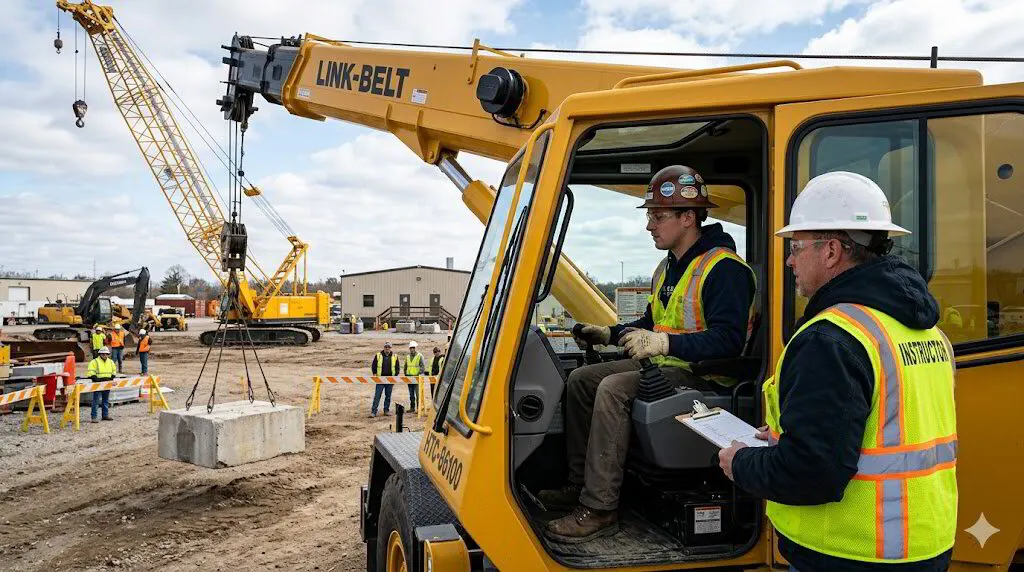 The Ultimate Guide to Crane Operator Field Training Programs: Certification & Career SuccessIn the ever-evolving construction industry, the need for certified crane operators is paramount, making effective…
-
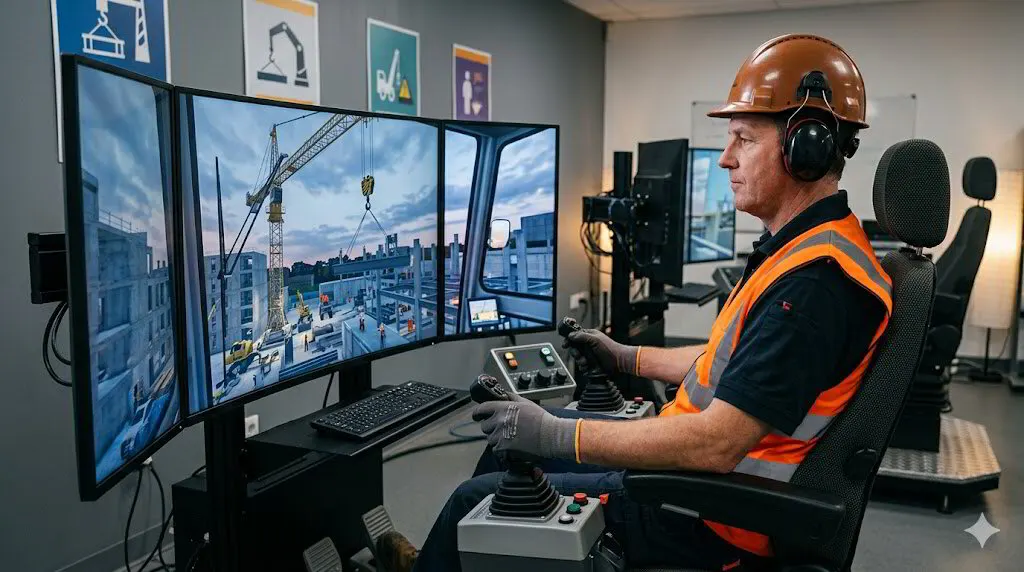 How Crane Simulators Enhance Operator Skills for Safer Construction PracticesAs the construction industry increasingly embraces technology, crane operator training has evolved significantly,…
-
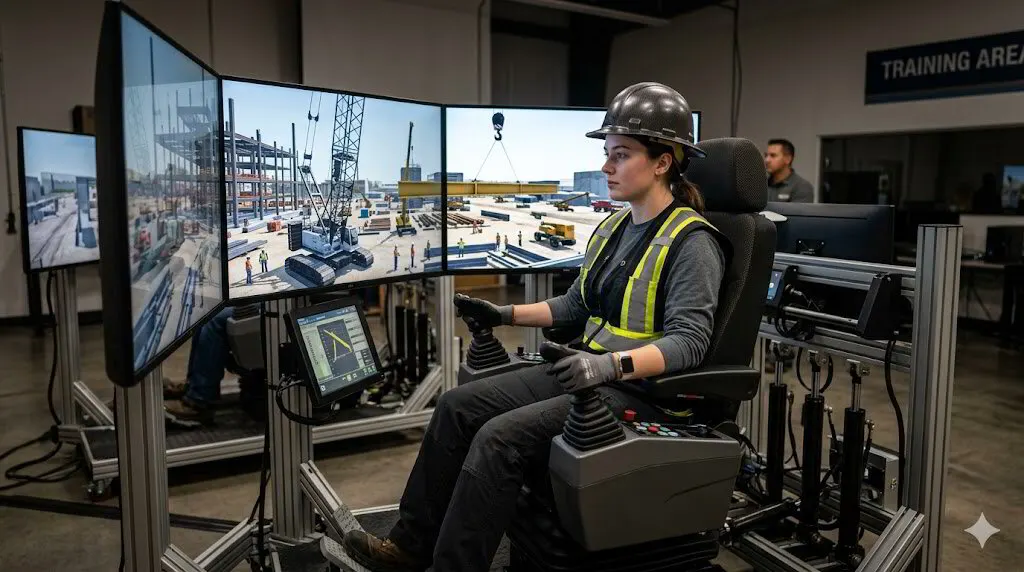 Unlocking Efficiency: The Benefits of Crane Simulator Training for Aspiring OperatorsCrane simulator training is revolutionizing the skill development of aspiring crane operators, offering a safe and…